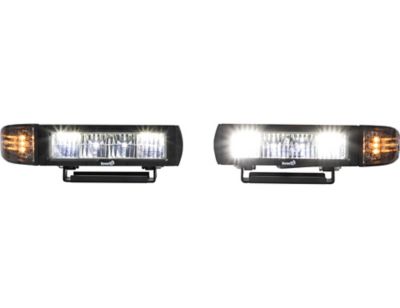
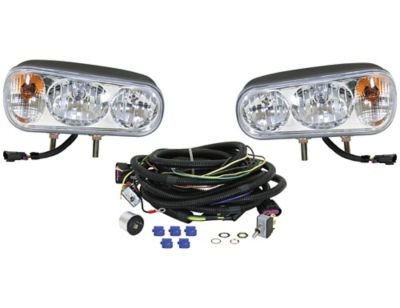
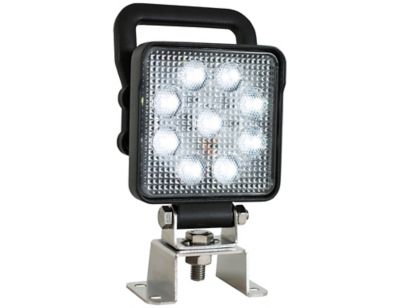
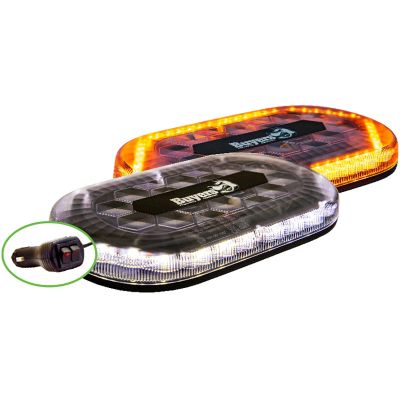
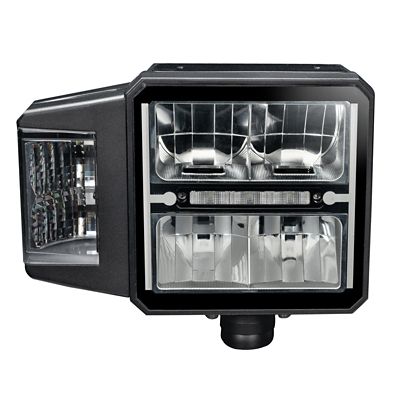
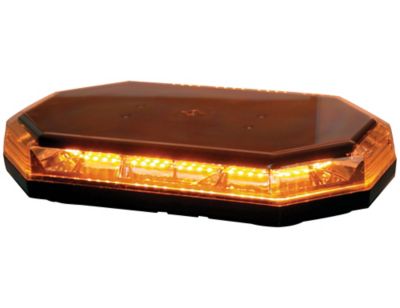
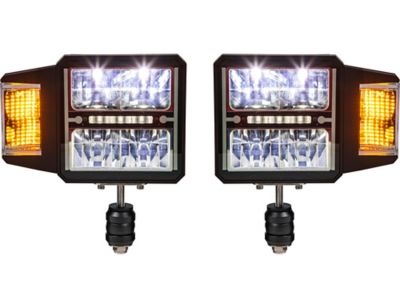
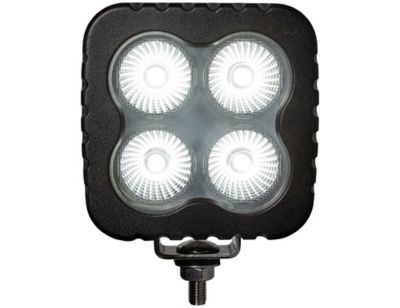
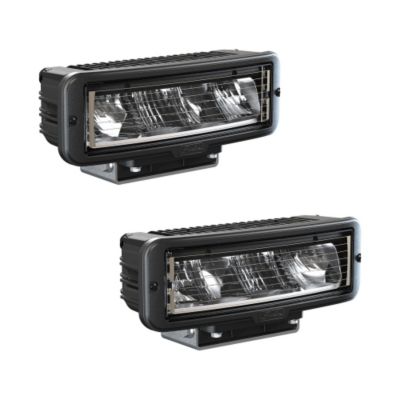
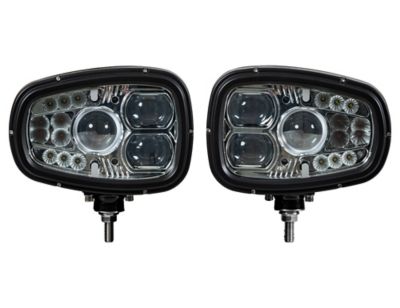
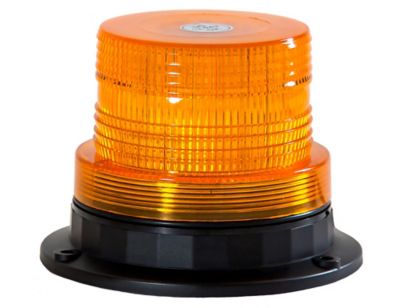
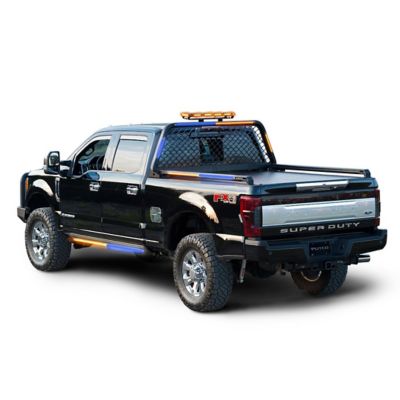
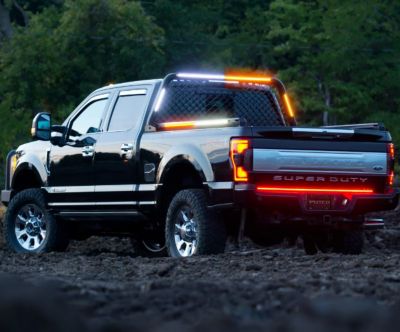
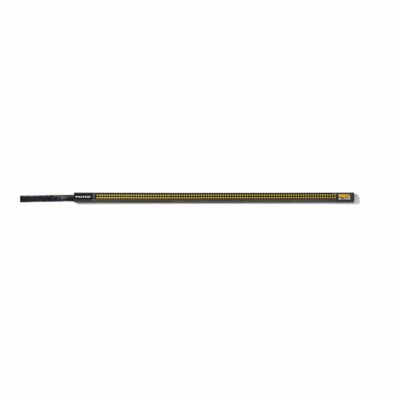
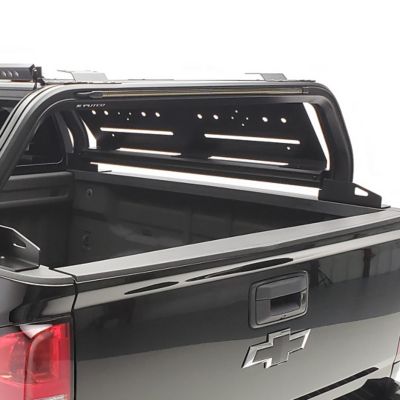
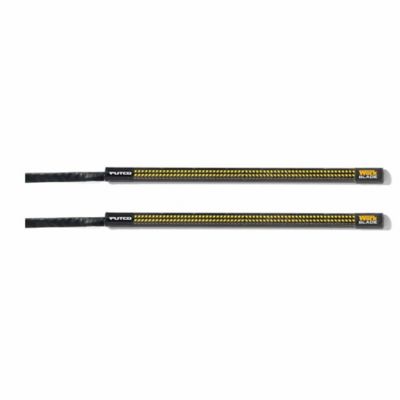
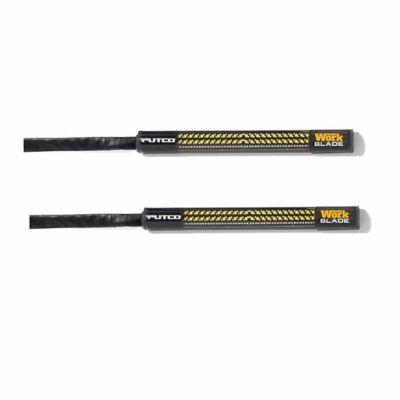
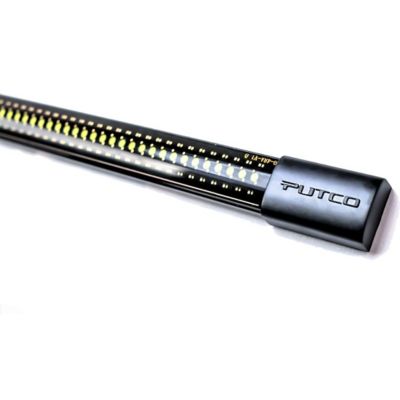
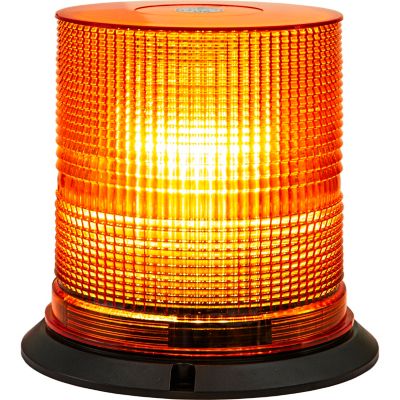
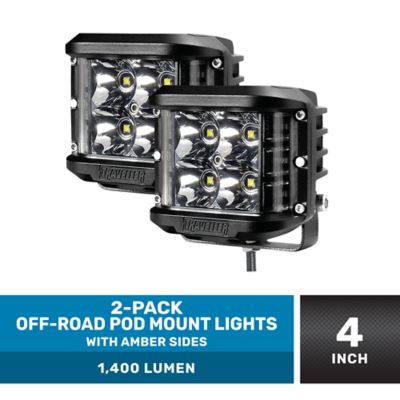
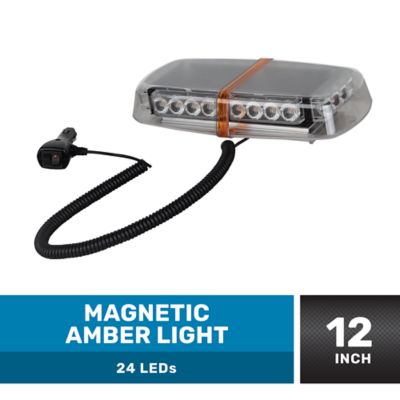
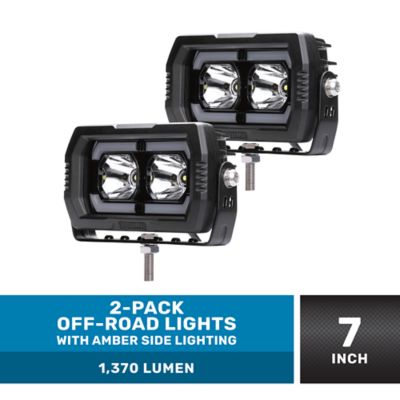
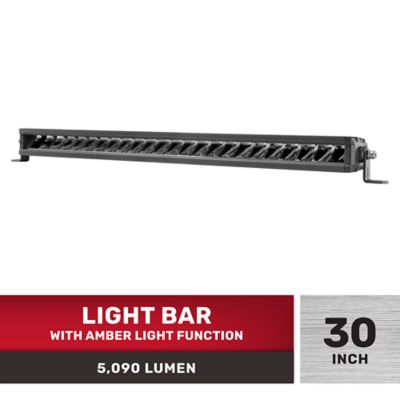
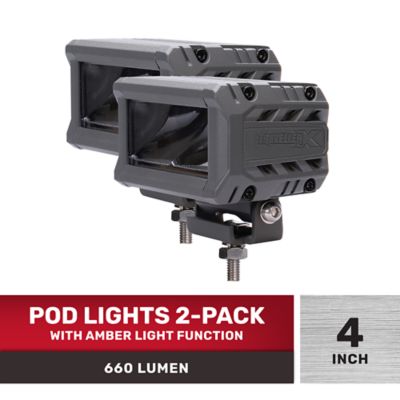
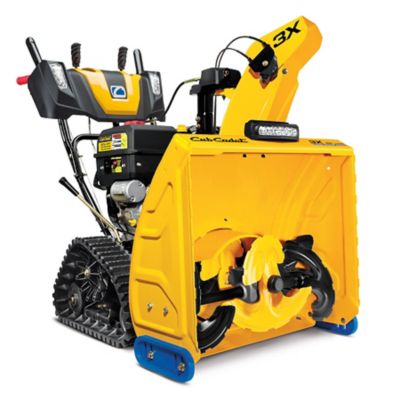
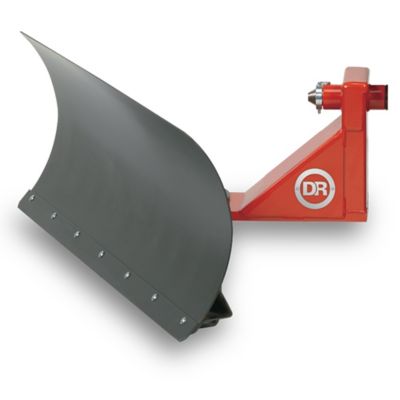
Snow plow lights help keep winter work moving when the driveway, lane, parking area or farm road disappears under blowing snow. A good set of lights can make it easier to see the edge of a blade, spot buried obstacles and stay visible to people, vehicles and equipment nearby. They’re useful for homeowners who clear a long gravel drive, farmers tending to barns and livestock areas, property managers maintaining private roads, and contractors handling snow removal before daylight or after dark. Even a familiar route can look completely different during a hard snowfall, especially when wind pushes snow across the ground and turns ordinary landmarks into low white drifts. Added lighting helps bring some definition back to the job, showing where the plow ends and where the cleared surface begins. When shopping snow plow lights, start by matching the lighting setup to the plow, truck, tractor, ATV or utility vehicle being used. Check the mounting style, available space, wiring requirements and power connection before ordering, and look for a setup that can handle vibration, road spray, packed snow and the occasional bump hidden beneath a drift. Lights should be positioned where they provide a clear view without being blocked by the hood, cab, raised blade or accumulated snow. It’s also smart to think about how the lights will be adjusted once installed. A beam aimed too low may disappear into the snowbank, while one aimed too high can create glare that makes it harder to see the road ahead. For equipment that switches between plowing and other chores, easy removal or repositioning can be a useful feature. Take a look at
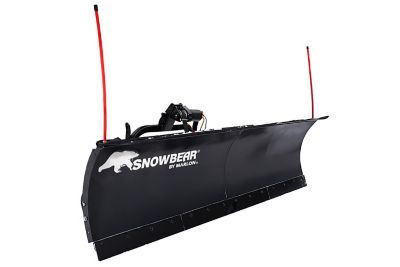
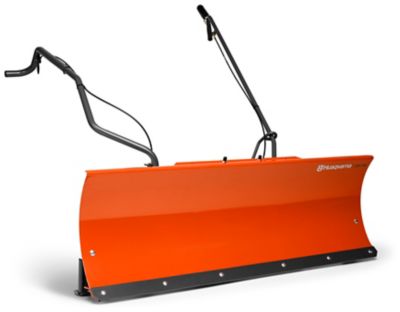
Snow Plow Blades as well when putting together a setup for winter work, since the right combination of blade and lighting can make clearing chores more controlled and less tiring.
Visibility is only part of the decision. Snow plow lights live in a rough environment, so construction matters when comparing options. Look for sealed housings and weather-resistant connections that can stand up to wet snow, freezing temperatures, road salt and muddy shoulders. A strong lens should stay clear and resist clouding or damage from small stones and ice. Vibration resistance is important, too, especially on tractors, trucks and utility vehicles that travel over rutted lanes or frozen ground. Consider the beam pattern based on the kind of work being done. A broad spread can help illuminate the sides of a driveway or the shoulder of a private road, while a more focused beam may help with forward visibility when pushing through a long stretch of snow. Color and brightness can affect how well details show up against blowing snow, but the brightest option is not always the best option if it creates distracting glare. Lights should work with the vehicle’s existing electrical system, and wiring should be routed away from sharp edges, hot surfaces, moving parts and spots where ice may collect. Before the first serious storm, inspect the connectors, tighten the mounts and clear away any dirt or old salt film from the lens. A few minutes spent checking the setup while the equipment is parked in the shed can save a lot of frustration when the wind is howling and the plow needs to head out. Keep spare fuses, fasteners or other basic replacement parts with winter equipment when possible, and make sure the lights can be reached for cleaning without having to remove half the setup.
Snow plow lights can also make a practical gift for someone who spends the colder months working outdoors. They suit a neighbor who clears several driveways, a family member maintaining a wooded property, a small landscaping business that takes on snow removal, or a friend who keeps the farm lane open for feed deliveries and livestock checks. They are especially helpful for people who would rather improve equipment before the first storm than troubleshoot it in the middle of one. When choosing a gift, keep the recipient’s equipment in mind, since a light designed for one mounting arrangement or electrical connection may not suit another vehicle. If the exact fit is not known, a gift card or a conversation about the plow and vehicle can be better than guessing. For regular snow removal, consider how often the equipment runs, whether work is done on public roads or private property, and how much time is spent pushing snow in poor visibility. Anyone operating near traffic should follow local lighting and equipment rules, use the vehicle’s required warning lights, and avoid aiming auxiliary lights into oncoming drivers’ eyes. Good lighting does not replace safe speed, a clear windshield or careful attention to changing ground conditions, but it gives the operator more information to work with. During the cooler months, when darkness arrives early and a quiet farm lane can fill with drifting snow overnight, dependable snow plow lights help turn a difficult chore into a more manageable part of the routine.