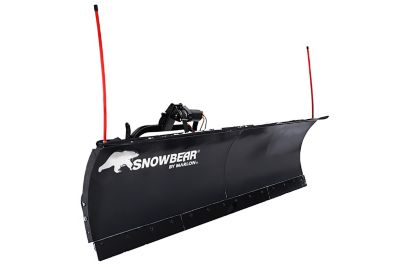
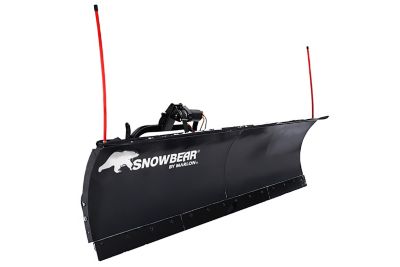
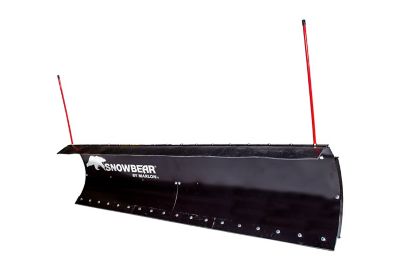
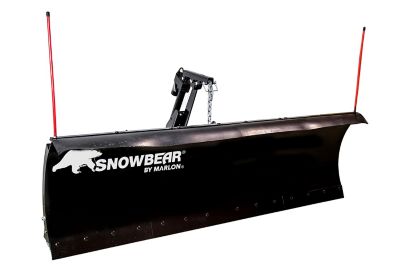
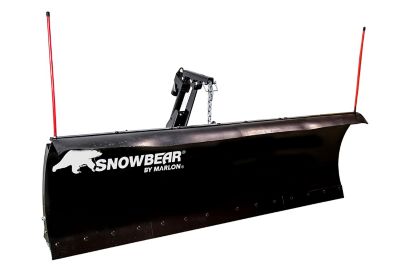
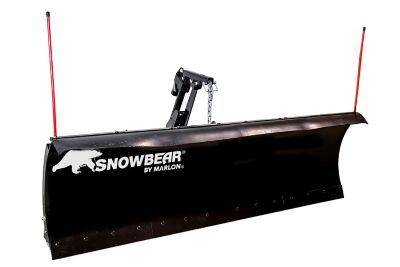
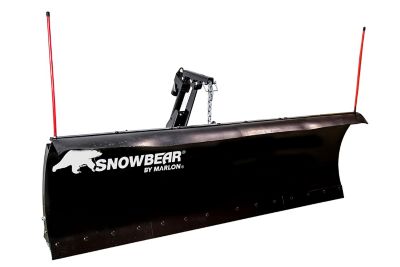
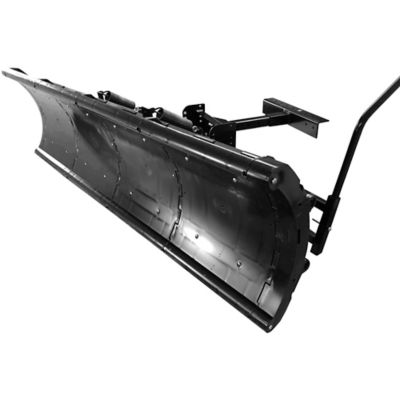
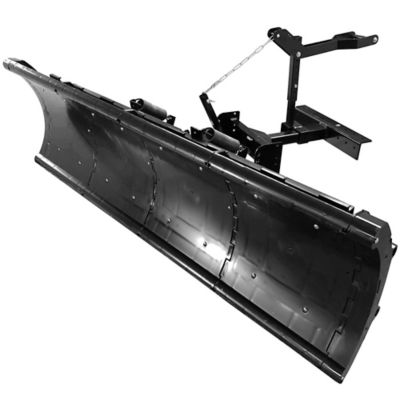
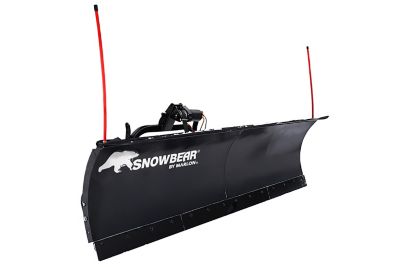
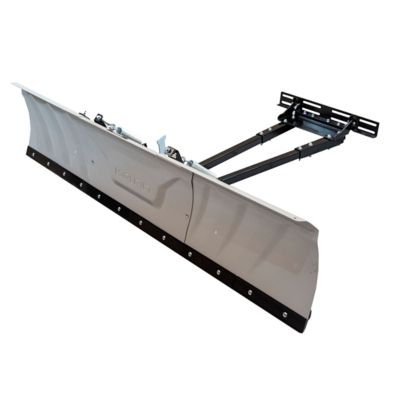
Large snow plows are wide, heavy-duty blades and pushing attachments built to move snow from long driveways, farm lanes, parking lots and other sizable areas. Depending on their design, they mount to compatible pickup trucks, tractors, skid steers or other equipment with the capacity to carry and push them. The term describes a range of equipment rather than a single blade size, so working width, attachment weight and vehicle fit tell more of the story than “large” alone. For a property owner with a lane stretching from the road to the barn, a broad blade can reduce the number of passes needed to open a path. For a grounds crew or snow-removal contractor, blade shape and snow-carrying capacity can make a difference across a gravel equipment yard or paved parking area. Straight blades offer a straightforward way to push ahead or windrow snow to one side. V-plows have hinged wings that can take different positions for opening a path, carrying snow or pushing it aside. Containment-style pushers hold snow between side plates, making them well suited to moving larger amounts across open ground, though they need room to maneuver and a suitable place to leave the pile. Materials also shape how a plow handles the job. Steel moldboards provide a sturdy working surface, while stainless steel adds corrosion resistance. Polyethylene moldboards offer a slick surface that helps snow slide off, but their supporting frames still contribute substantial weight. Moldboard height and curvature affect how snow rolls in front of the blade, while ribs, welds and mounting components carry the forces behind it. A wider attachment can cover more ground, but the best match is one the vehicle can handle within its rated limits, especially when wet snow adds considerable pushing resistance. Extra width is most useful when it comes with enough room to turn, adequate traction and a clear route for placing the snow.
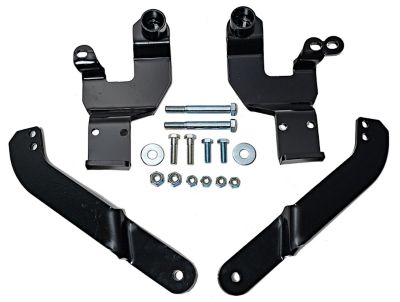
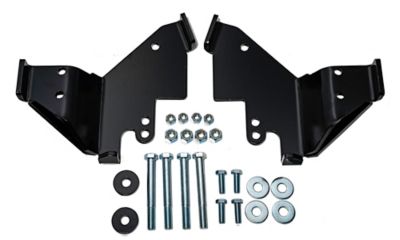
Fit goes well beyond whether a mounting plate or hitch appears to line up. Large truck-mounted snow plows need a vehicle-specific mounting system, and the complete setup must stay within the vehicle manufacturer’s weight and axle ratings. Front axle capacity, the weight of the installed equipment and any specified ballast all factor into that match. Tractor and skid steer attachments have their own requirements, including attachment interface, hydraulic flow and pressure where applicable, and the machine’s operating limits. A familiar-looking coupler does not establish compatibility by itself. Hydraulic angling can let an operator redirect snow without leaving the seat, while other configurations may require manual adjustment. Controls, electrical connections, hoses and lift arrangements need to suit the carrier as well as the attachment. Clearing width deserves a look at the actual working angle: an angled blade clears a narrower path than its full straight-across width, which matters when keeping tires out of unplowed snow. Around a farm, the same plow may need to pass through a gate, work beside a feed shed and turn between parked trailers. Those tight spots can make maneuverability more useful than a few extra inches of blade. Surface conditions matter, too. Pavement generally calls for a different working setup than loose gravel, where an overly aggressive cutting edge can move stones along with the snow. Adjustable shoes can help establish clearance on suitable plows, although their setting depends on the surface and the manufacturer’s directions. Steel, rubber and polyurethane cutting edges offer different combinations of scraping action, flexibility and surface contact. Trip-edge and full-trip mechanisms are designed to let part or all of a blade yield when it encounters certain obstructions; they do not remove the need for cautious operation. Hidden curbs, raised pavement, drainage covers and frozen ruts still deserve attention, especially where a fresh snowfall covers familiar landmarks. Marked boundaries and a planned piling area help keep a broad attachment working where it belongs, rather than crowding fences, ditch edges or access to livestock buildings.
Long service life depends on more than the moldboard material. Cutting edges, shoes, pivot points, springs, fasteners and hydraulic components all take wear as a large plow works through repeated storms. A cutting edge is a wear component, and letting it wear too far can expose the structure behind it to damage. Replacement
Snow Plow Blades need to match the attachment’s dimensions, mounting pattern and intended application; similar width alone is not enough to establish fit. Some edges allow reversal when specified by the manufacturer, while others require replacement once they reach their wear limit. Road salt and deicing residue can collect around seams, hardware and mounting points, making cleaning and attention to coating damage worthwhile parts of ownership. Hydraulic hoses need room to move without rubbing, stretching or getting pinched as the blade lifts and angles. Connections, protective caps and wiring also benefit from care that keeps moisture and grime away from vulnerable parts. Between jobs, a stable parking spot and the correct support arrangement make the attachment easier to reconnect and help prevent it from settling into mud or uneven ground. Before extended storage, cleaning, lubrication and protection for exposed components should follow the equipment manual, with the attachment lowered and secured as directed. These practical details matter whether the plow opens a single long lane or travels between several properties. Snow placement matters just as much as removal: a pile beside a gate can become a frozen obstacle, and snow stacked across drainage routes can cause trouble when melting begins. Room for later pushes, clear sightlines near the road and continued access for deliveries all belong in the picture. A well-matched large snow plow brings clearing width, manageable weight and the right blade configuration together, helping keep the route to the house, barn, shop or work yard open without asking more of the carrier than it was built to handle.