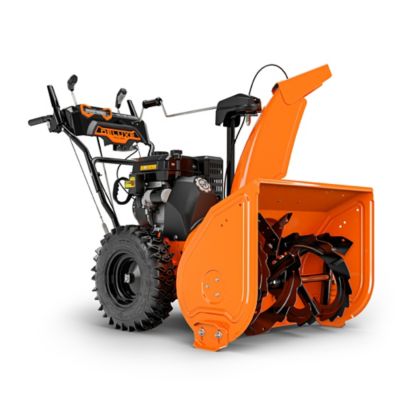
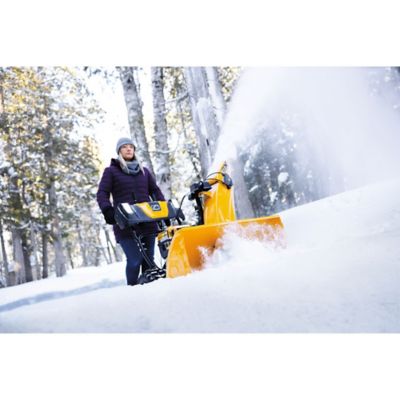
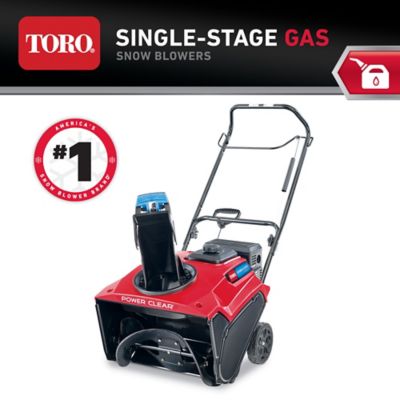
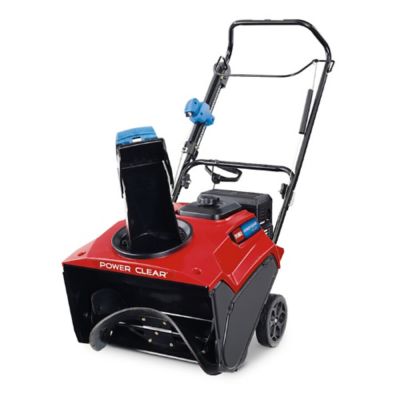
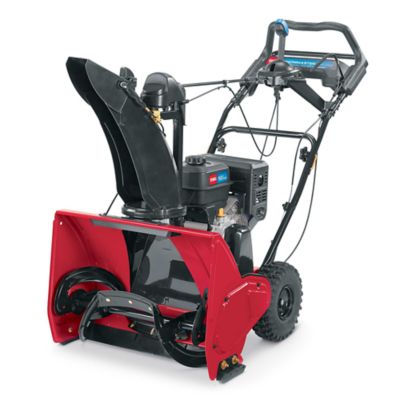
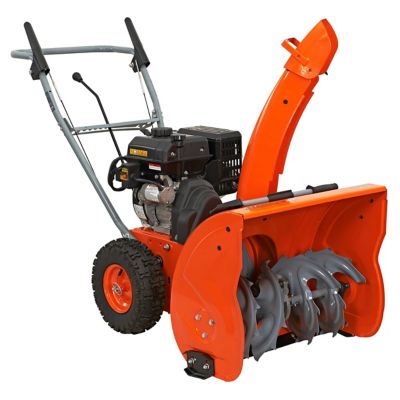
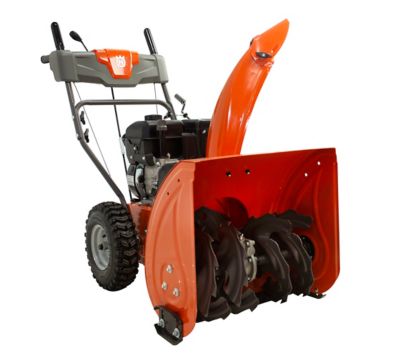
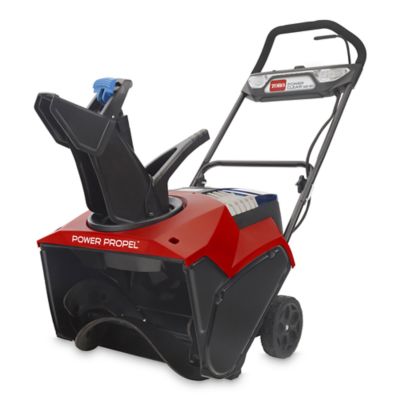
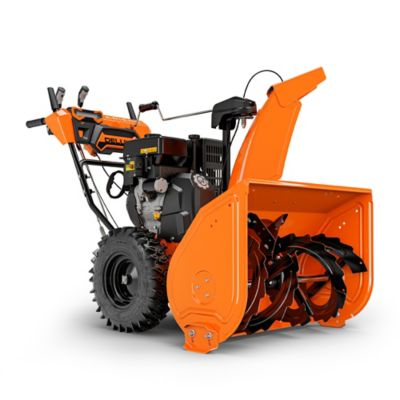
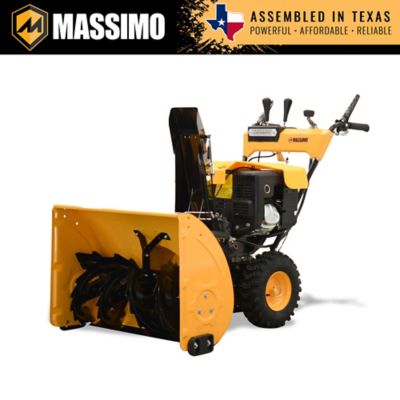
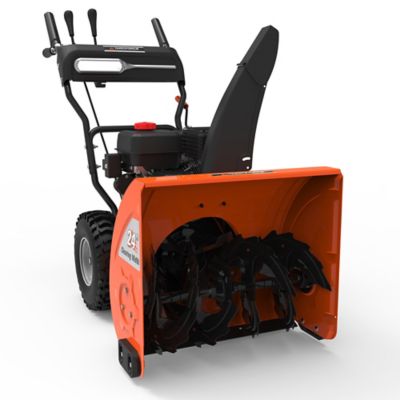
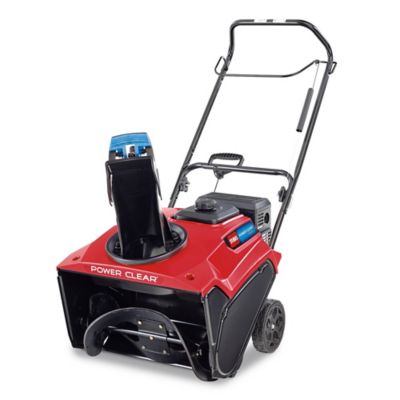
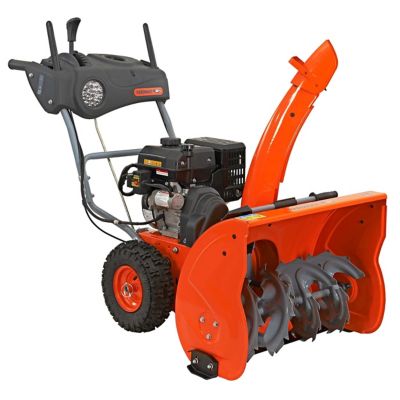
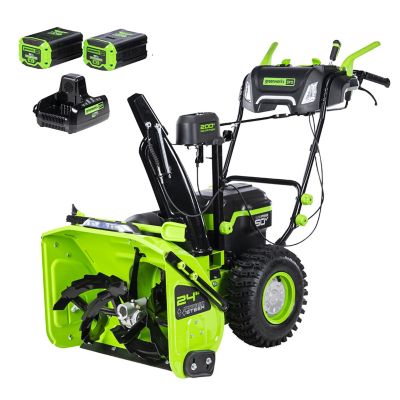
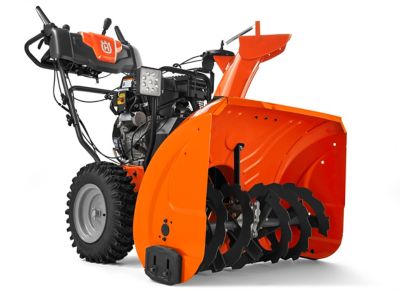
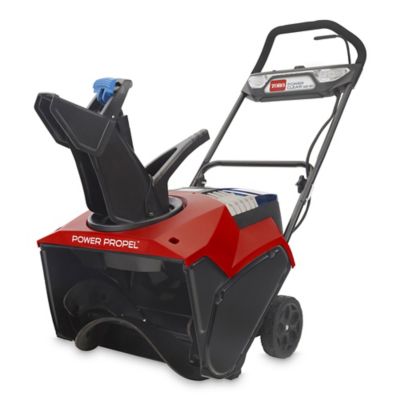
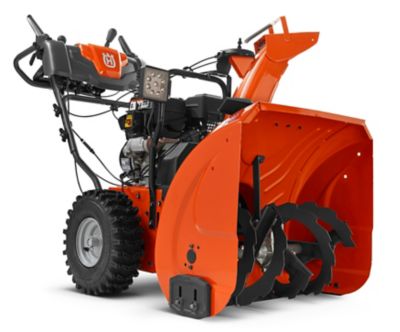
Self propelled snow blowers are built to make winter cleanup easier on your back, especially when snow piles up across a long driveway, gravel lane, sidewalk or broad stretch of pavement. Instead of relying on you to shove the machine through packed snow, the drive system helps move the blower forward at a steady pace while the auger gathers snow and the chute sends it safely away from the cleared path. That extra assistance can make a noticeable difference when the snow is wet, deep or windblown, or when you are clearing more than a small front walk. Many self propelled snow blowers use a two-stage system: a rotating auger breaks up and pulls in the snow, then an impeller throws it through the chute. This setup is well suited to heavier snowfall and drifts that can stop lighter equipment in its tracks. When comparing models, start with the area you typically clear. A wider clearing path can shorten the job on a large driveway, while a more compact machine may be easier to store and maneuver around steps, garden beds, parked vehicles and tight corners. Clearing height matters, too, since tall housing helps handle deeper banks after a plow passes by. Adjustable forward speeds let you ease through heavy snow or move more quickly across a light dusting, and reverse drive can be handy when turning around at the end of a lane. Look for steering assistance, such as trigger controls or automatic turning, if you want to make tight turns without wrestling with the handlebars. These features are especially helpful on sloped driveways or for anyone who wants to reduce strain during a long morning of clearing.
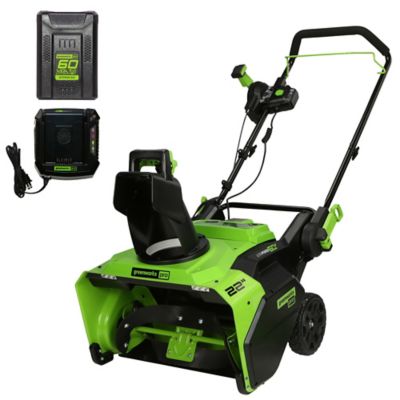
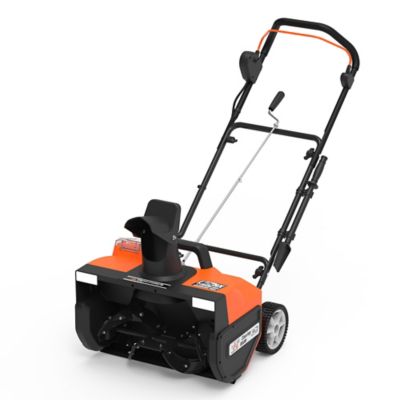
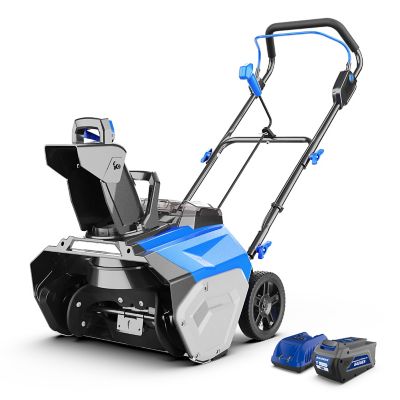
Power choice is another important part of finding the right self propelled snow blower. Gas-powered models are a practical fit for large properties, remote outbuildings and places where a long clearing session may be part of the routine. They can be fueled and ready for extended work, making them useful when several inches of snow have fallen overnight or strong winds have built drifts along a fence line. Electric models, including battery-powered options, start without fuel mixing or pull-cord fuss and are a convenient choice for many homeowners who want quieter operation and less seasonal maintenance. A battery-powered
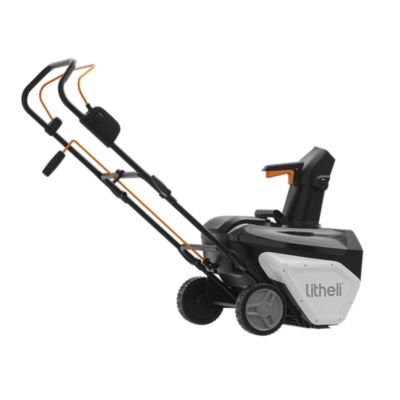
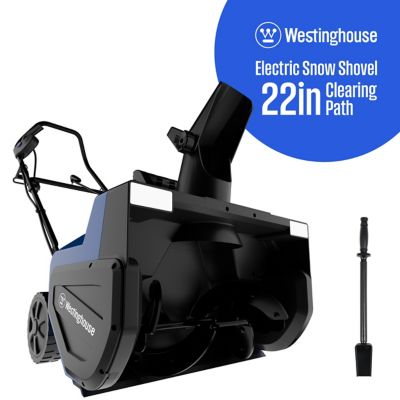
Electric Snow Blower can be especially handy when you want to grab the machine from the garage, press the start control and get to work without dealing with gasoline or oil. Keep an eye on battery capacity, charging time and the amount of area one charge can cover, since cold temperatures may affect runtime. If you have a wide drive or expect to clear more than once during a storm, having a spare charged battery can help keep the job moving. Gas models need fresh fuel, proper oil levels and attention to storage at the end of the season, while battery models should have their batteries stored according to the manufacturer’s instructions and protected from extreme conditions. For either type, an electric start can be a welcome feature on a bitter morning, and bright work lights can help when snow needs to be cleared before daylight or after the sun goes down. Heated handles, chute controls mounted near the operator and easy-to-reach speed settings add comfort when gloves are on and the wind is blowing across the yard.
Before bringing a self propelled snow blower home, measure the areas you plan to clear and think about where the snow can safely go. A chute with a wide adjustment range helps direct snow away from doors, vehicles, livestock areas, windows and neighboring property. On a rural place, it is also worth considering the surface under the snow. Gravel, uneven ground and the edge of a pasture call for careful operation and a machine suited to those conditions. Mark low spots, landscaping borders and other obstacles before the first snowfall, and keep pets, children and bystanders away from the discharge area. Never place hands near the auger or chute; shut the machine down and follow the manufacturer’s procedure for clearing a clog. Sturdy tires and good traction help when the driveway is sloped, icy or rutted, while skid shoes can help protect the surface and maintain the right clearing height. After each use, brush away packed snow and ice, check for loose hardware and let the machine dry before storing it. Keep fuel, batteries, cords and maintenance supplies organized in a dry, well-ventilated space, and follow the owner’s manual for seasonal service. A self propelled snow blower can be a thoughtful gift for someone buying a home, caring for an acreage, maintaining a rental property or taking on snow duty for an older family member. It is also a practical addition for anyone who has outgrown a shovel or wants to spend less time pushing through snow and more time getting the lane, walkways and chores back in order. Choosing the right clearing width, power source, drive settings and comfort features helps make winter work more manageable from the first flurry through the last stubborn drift.