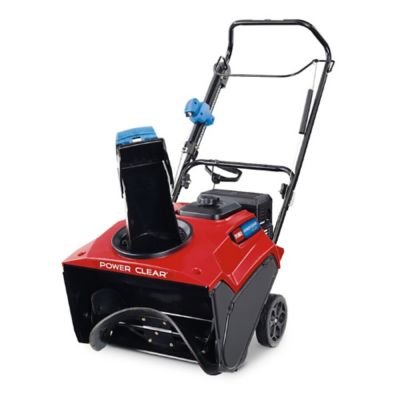
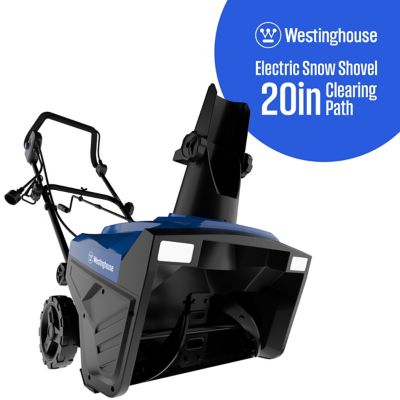
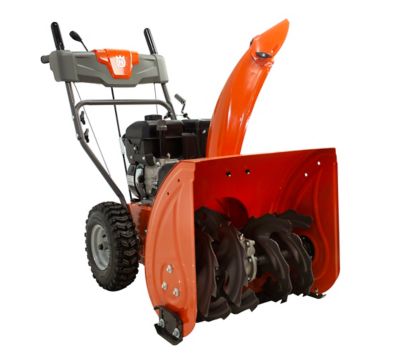
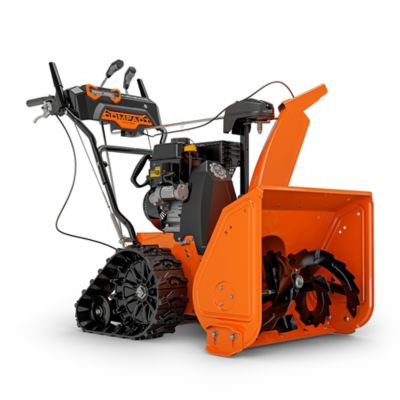
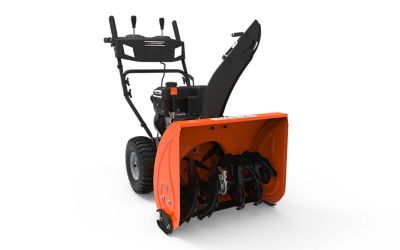
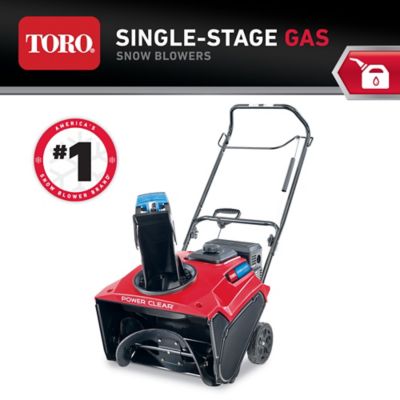
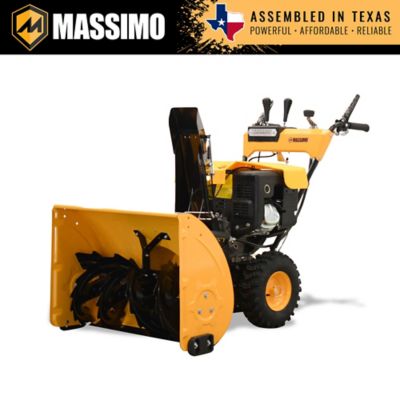
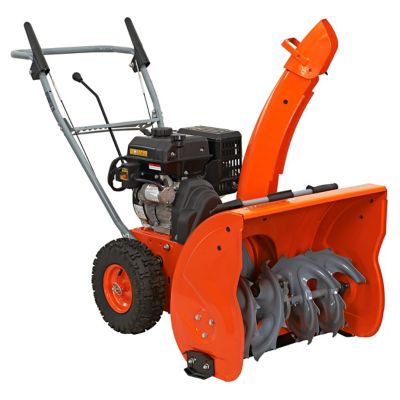
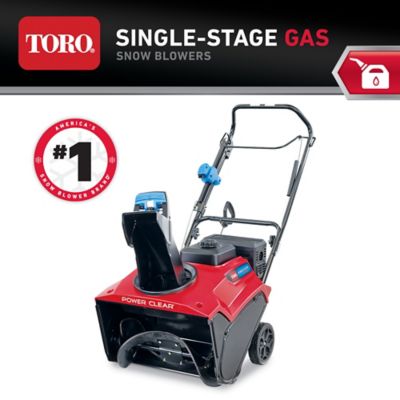
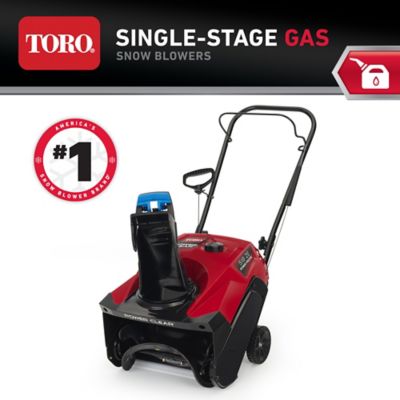
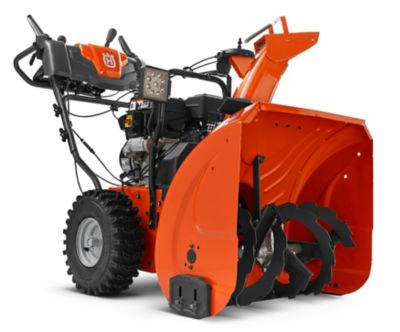
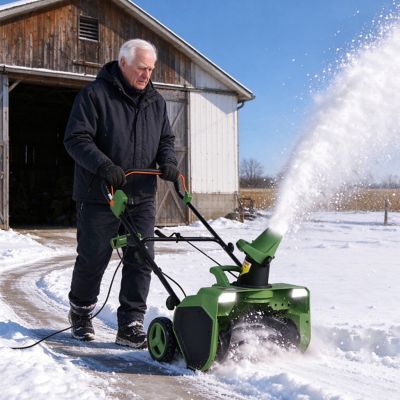
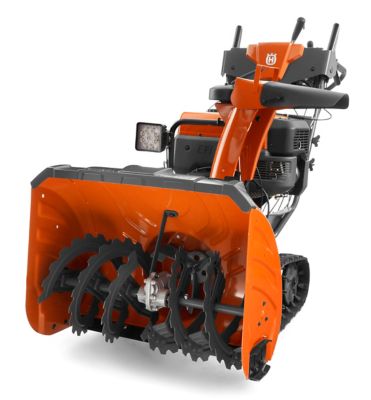
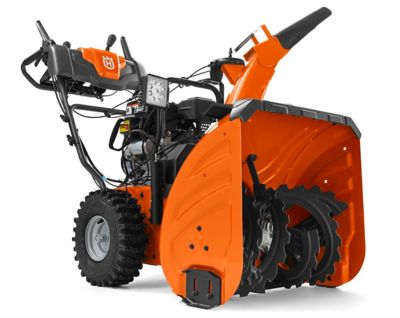
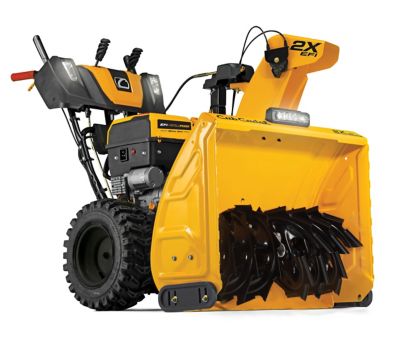
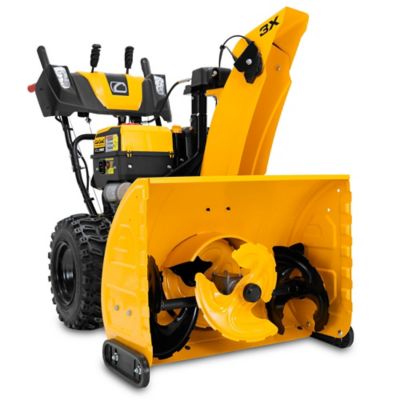
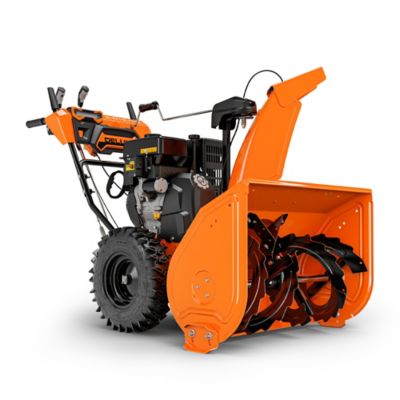
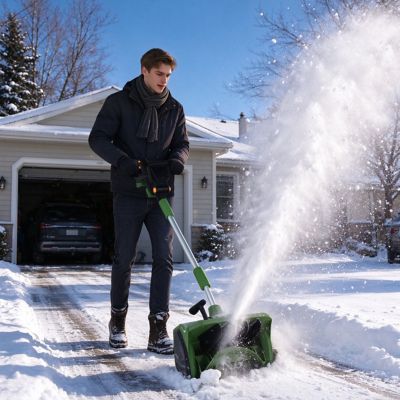
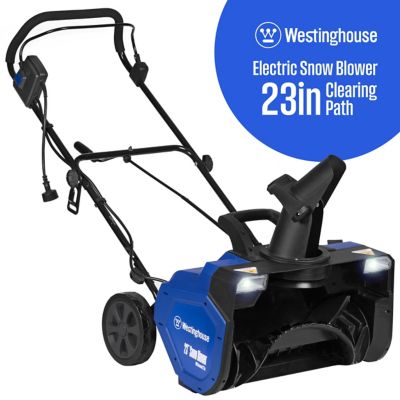
Snow blowers with electric start take repeated pull-cord effort out of getting a gas engine running, making them a practical fit for clearing driveways, sidewalks, and paths around a rural property. Electric start describes the starting system, not the machine’s main power source: a gas snow blower still burns gasoline to turn its auger and move snow. Depending on the design, the starter draws electricity from a household outlet or an onboard battery. Plug-in starters generally need a compatible outdoor-rated extension cord and an outlet that meets the manufacturer’s requirements; the cord disconnects before snow clearing begins. That makes outlet placement worth considering, especially when the machine sits in a detached shed rather than a garage beside the house. A starter powered by an onboard battery has its own charging and maintenance needs. Either setup can spare a shoulder or elbow the strain of repeated cord pulls, though it does not replace proper engine upkeep. Clearing performance comes down to other details, including the machine’s stage configuration, clearing width, intake height, traction, and the snow itself. Single-stage snow blowers rely on an auger to gather and discharge snow and generally suit smaller paved areas and lighter snowfall. Many have paddles that contact the pavement, making surface compatibility important. Two-stage snow blowers add an impeller that throws snow collected by the auger, and many pair that system with powered wheels for larger driveways and heavier accumulations. Three-stage designs add an accelerator to help process incoming snow. A wide, open driveway presents a different job than a narrow walk between the house and a fence, while a ridge left by a road plow can be much tougher than fresh powder. Wet, heavy snow also puts different demands on a machine than dry, fluffy snow, even at the same depth. Electric start makes the beginning of the job less of a chore; a machine sized for the ground and typical snowfall helps with everything that follows.
How a snow blower fits the property matters just as much as how it starts. A wider clearing path can cut the number of passes across a long driveway, but extra width also takes more room near parked vehicles, porch steps, and shed doors. Intake height gives a sense of the snow depth a machine can take in, while actual progress depends on density, ground speed, and engine capacity. On gravel, manufacturer-approved skid shoe settings and adequate auger clearance are important because loose stones can become projectiles; pavement-contact designs generally belong on paved surfaces. Adjustable skid shoes and a scraper bar also influence how a machine rides over uneven ground and how closely it clears the surface. Wheel drive, reverse speeds, and tire tread can make a difference when turning around at the end of a pass or backing away from a gate. Track-drive designs may offer added grip on challenging terrain, but slope limits still come from the operator’s manual. Handle height, control placement, and the effort needed to steer deserve attention for anyone with a long stretch to clear. Gloves should leave enough room to work the controls without interfering with safety levers. Chute rotation and deflector adjustment help direct discharged snow onto an open area instead of back across a cleared walk, against a building, or toward livestock fencing. Features such as headlights and heated grips can add comfort and visibility when chores begin before daylight. Materials matter, too: steel housings and augers suit demanding clearing work, while some chutes and covers incorporate molded polymers. Protective coatings help shield metal, but scraped finishes and lingering moisture can lead to rust. Accessible wear parts, clearly marked controls, and enough room for routine service all contribute to a machine that fits the work rather than complicating it.
Routine care helps keep electric start snow blowers ready for the next round of clearing. Gas engines need the fuel type, oil, and service schedule specified by the manufacturer, and stale fuel can make starting difficult even with a powered starter. Fuel stabilizer and storage steps should match the engine manual, rather than assuming one routine fits every machine. Spark plug condition, belts, scraper bars, skid shoes, and shear pins may also need attention as part of regular upkeep. After operation, removing buildup with the machine safely shut down and letting exterior moisture dry before storage can help limit corrosion. A shed or garage needs enough space for the machine, safe access to the controls, and room to move it without squeezing past sharp tools or stacked supplies. Gas engines must operate outdoors, away from doors, windows, and vents, because exhaust contains carbon monoxide. A clogged chute calls for shutting the machine down, waiting for all moving parts to stop, and following the manual’s clearing procedure with the proper cleanout tool, never hands. For a different power setup,
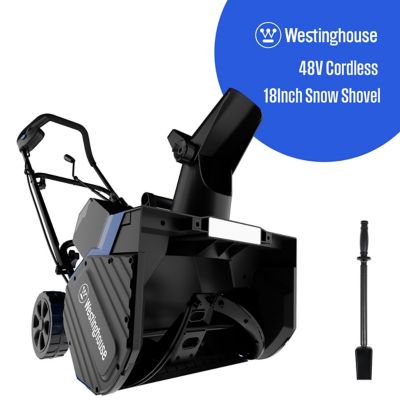
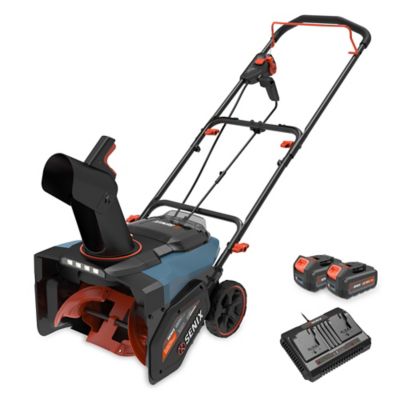
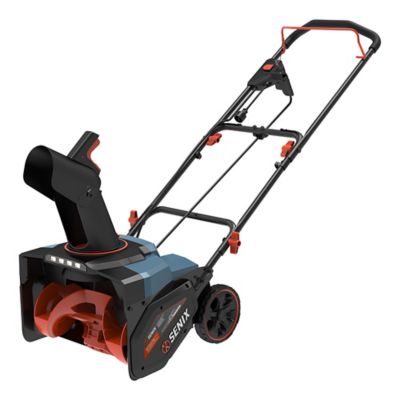
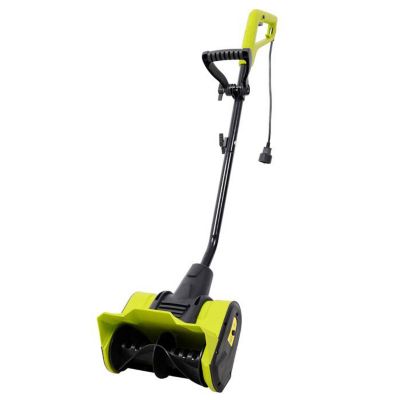
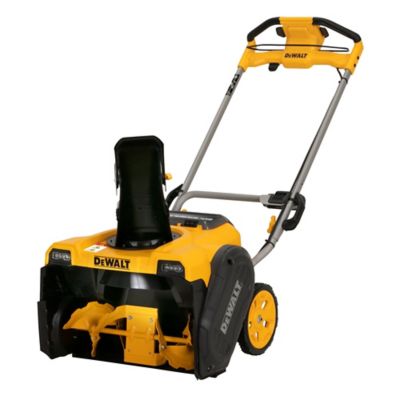
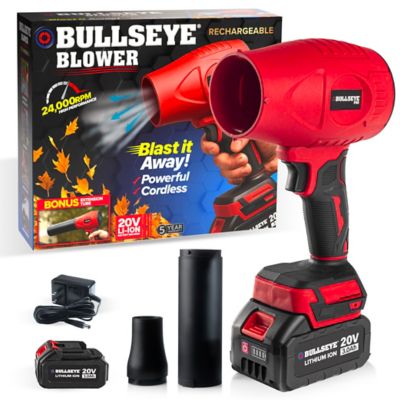
battery operated snow blowers run their motors on rechargeable batteries rather than gasoline. Their push-button operation should not be confused with a gas machine that simply has an electric starter. Battery capacity, charging time, outdoor temperature, and workload affect how much clearing can happen between charges; matching packs and chargers to the machine is part of that setup. With a gas-powered electric-start model, the convenience lies in starting the engine with less pulling while keeping the fueling needs of gas equipment. That combination can suit homeowners maintaining a long drive, caretakers clearing access around outbuildings, or family members sharing snow duty. A manageable machine with comfortable controls can matter more than extra clearing width in a tight yard. From the route to the truck to the walk beside the barn, the right fit balances starting convenience, snow-moving ability, and the space that needs to stay open.