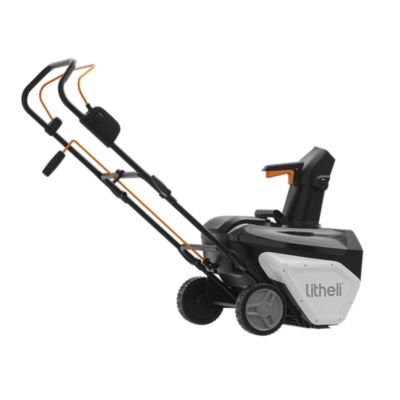
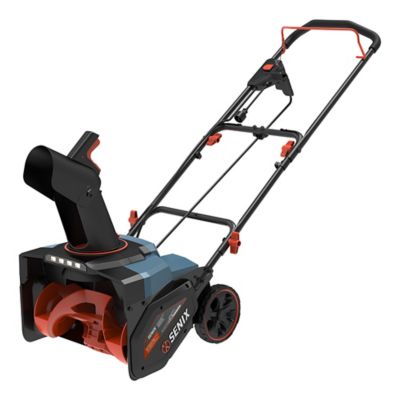
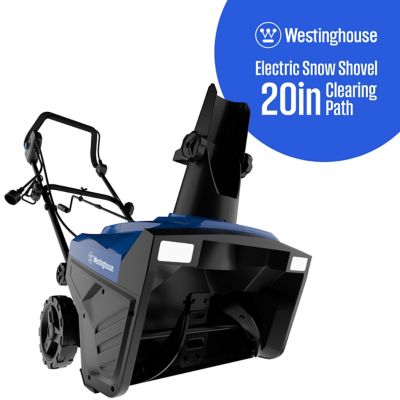
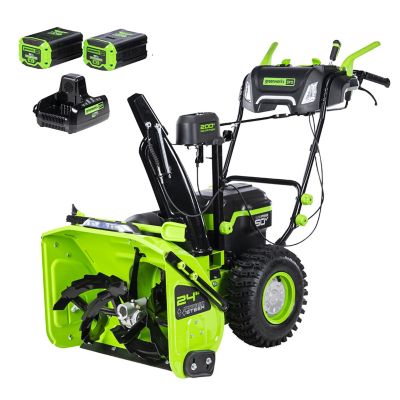
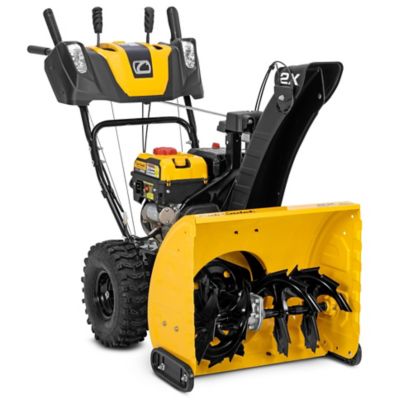
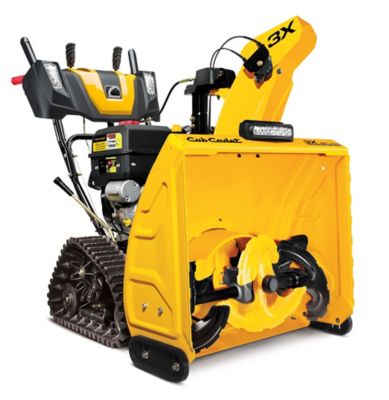
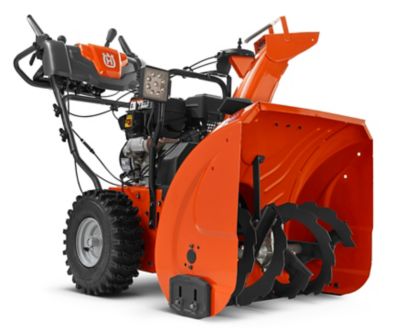
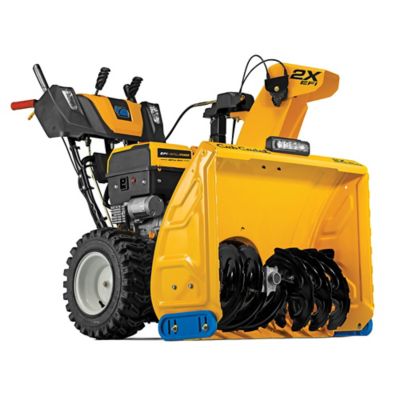
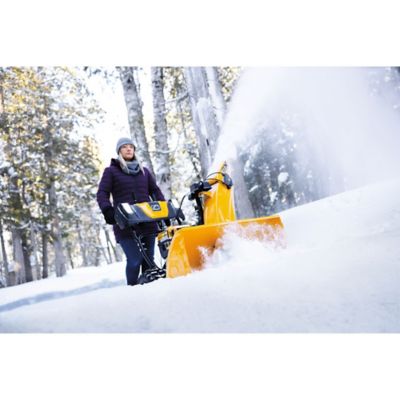
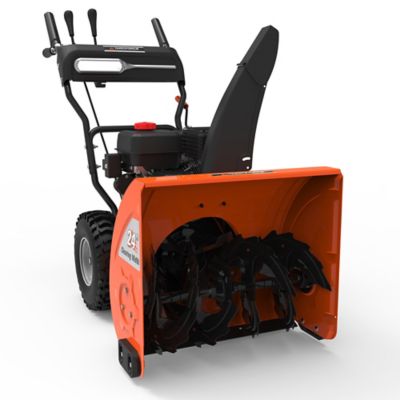
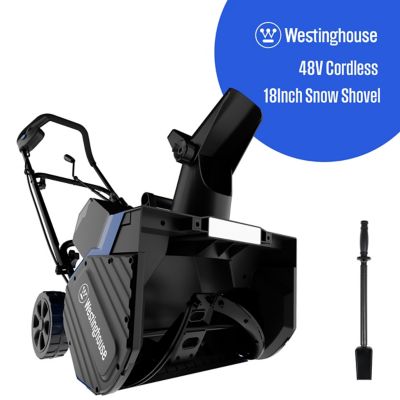
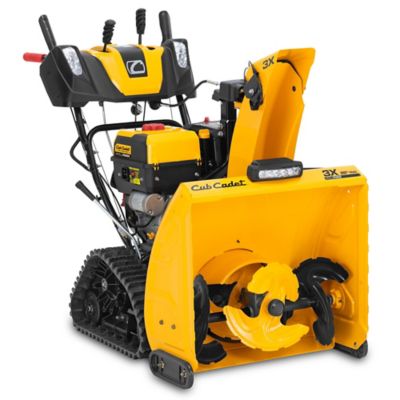
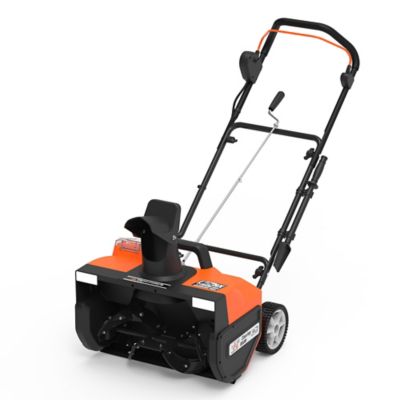
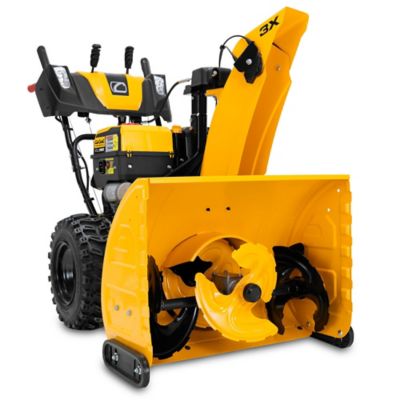
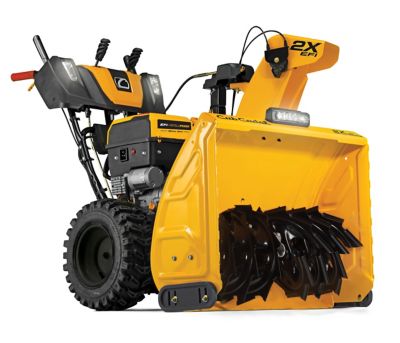
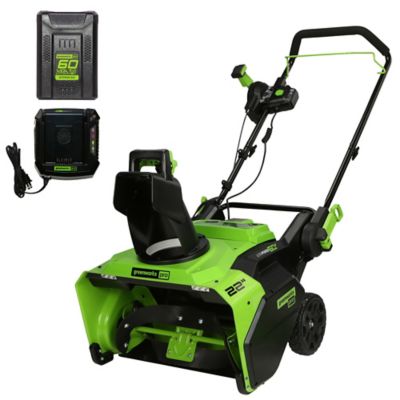
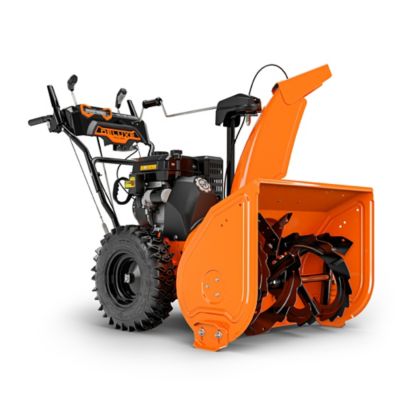
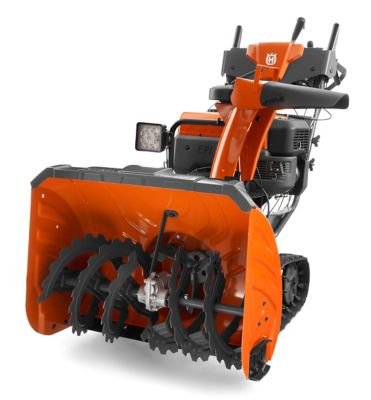
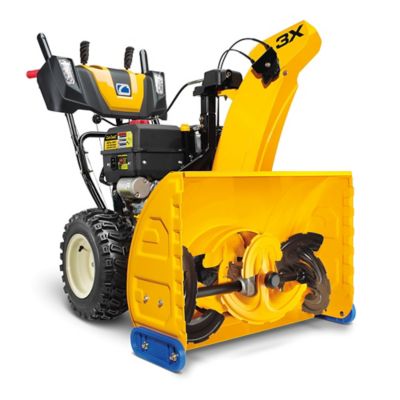
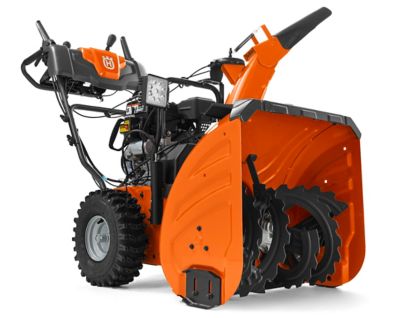
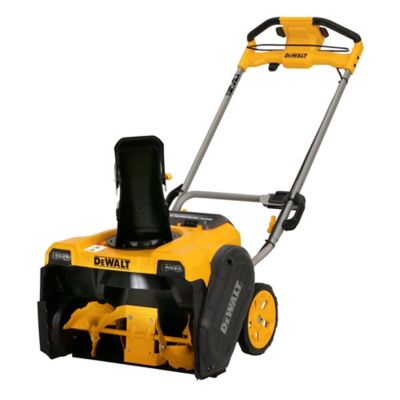
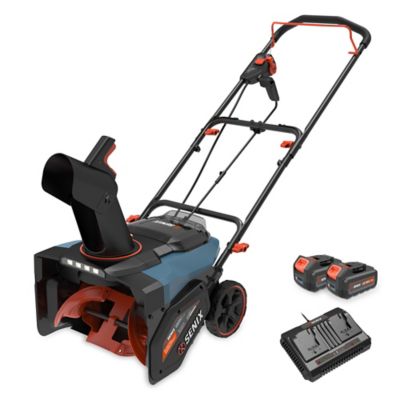
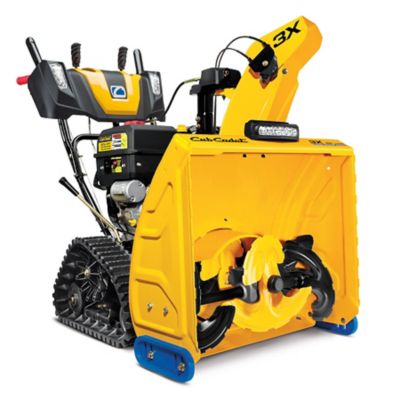
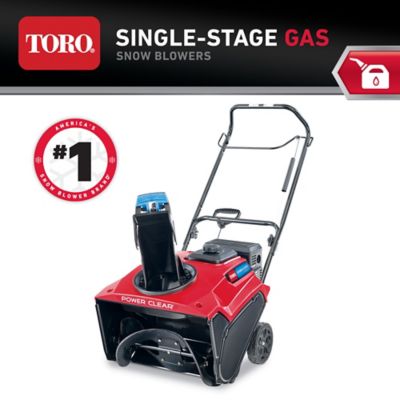
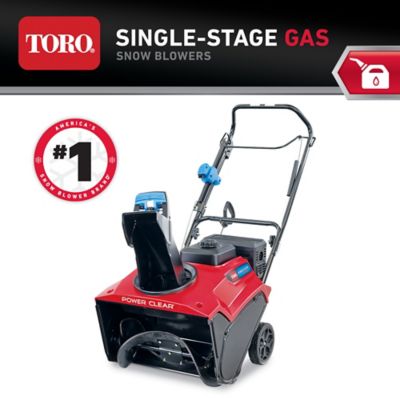
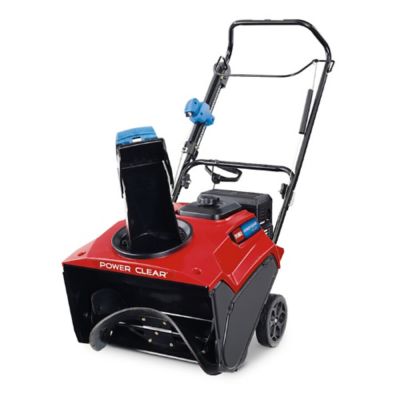
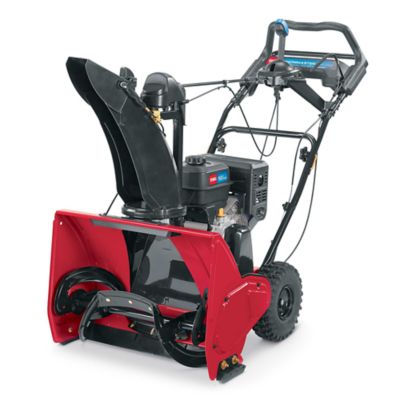
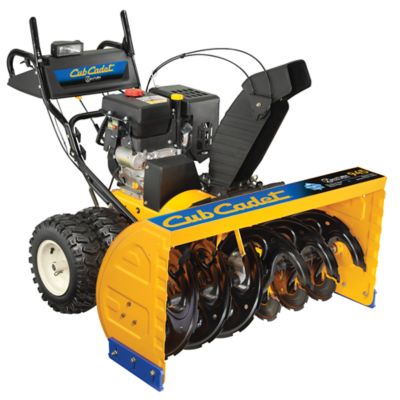
Snow blowers with lights bring the clearing path into view when winter chores start before sunrise or stretch past supper. Built-in headlights illuminate the snow ahead of the intake, helping you see the edge of a pass, track along a walkway and spot changes in the surface as you work. Many light-equipped snow blowers feature LED headlights, though the number of lights, their placement and the area they illuminate vary by machine. That extra visibility comes in handy on a long driveway where the porch light barely reaches the first bend, or beside a detached garage with little outdoor lighting. Headlights support visibility in low light, but they do not replace daylight, other property lighting or a check for hidden obstacles before clearing begins. Beam coverage matters just as much as having a light: a broad beam can make the corners of the clearing path easier to follow, while illumination farther ahead helps show where the next pass will run. Lights mounted near the auger housing can put light close to the snow surface. Higher lights mounted near the handlebars or control panel offer a different angle, but the discharge chute may cast a shadow depending on its position and the headlight layout. Falling or blowing snow can also reflect light toward the operator, so brightness alone does not tell the whole story. For homeowners, acreage owners and folks keeping access open between the house, shop and outbuildings, the benefit is practical: a better view of the work area during the shorter days of the cooler months. The lighting is one part of the machine, though. Clearing width, intake height, traction and the way the snow blower handles the property’s usual snowfall all matter alongside the headlight arrangement. A well-matched machine brings those features together without making a narrow sidewalk or crowded equipment shed harder to manage.
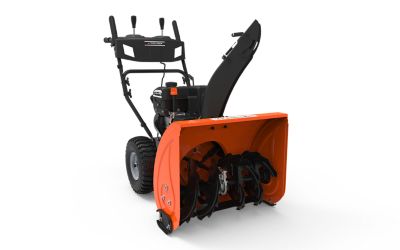
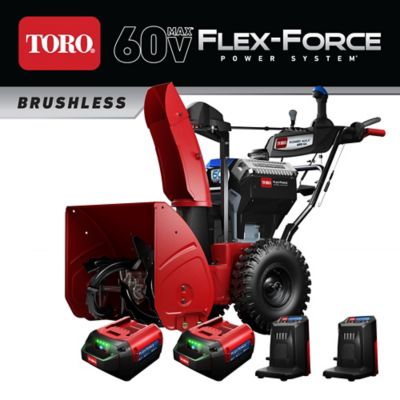
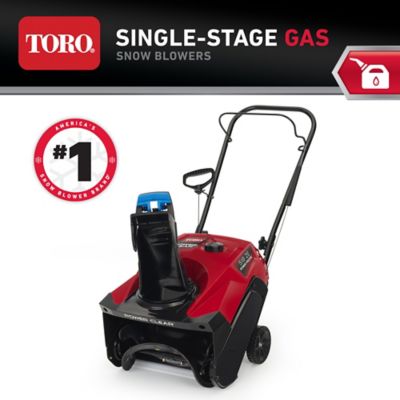
Light-equipped snow blowers span several power sources and clearing designs, so the right fit depends on more than the size of the driveway. Battery-powered snow blowers generally draw power for their built-in lights from the machine’s main battery system. They avoid gasoline handling, and their usefulness for a given property depends on battery capacity, snow conditions, temperature and the workload between charges. Gas-powered snow blowers commonly supply their lights through an engine-driven electrical system, with the exact setup varying by model; some lights operate only while the engine runs. Corded electric designs, where equipped with lights, need a suitable outlet and an outdoor extension cord that meets the manufacturer’s requirements. Single-stage machines collect and discharge snow through the action of the auger and are generally suited to paved surfaces and manageable accumulations within their stated limits. Two-stage machines add an impeller to move snow through the chute, and many pair that design with powered wheels for deeper snow or a larger clearing area. Gravel requires particular attention because an auger that contacts the ground can pick up and throw loose stones. Some two-stage machines have adjustable skid shoes that allow clearance above the surface, but the manufacturer’s guidance determines whether a machine suits that driveway. On a broad concrete pad, a wider clearing path can cut down on passes. Along a narrow walk between a fence and the house, a smaller footprint and easy turning may matter more. Packed snow near the road asks more of a machine than a light layer across the front walk, and wet snow can reduce throwing distance and increase the load. Handle height, control reach, reverse speeds and chute adjustment all influence how comfortably someone can work in winter gloves. Powered drive can ease the effort of moving the machine, while tire tread or tracks affect traction; neither makes icy footing or steep slopes safe.
Materials and upkeep help determine how a snow blower stands up to repeated work around the property. Steel housings, augers and chutes are common on larger machines, while some designs incorporate molded polymer components to reduce weight or resist corrosion. Each construction has its own care needs, especially where road salt and slush collect around fasteners, skid shoes and the lower edges of the housing. Scraper bars and skid shoes take regular contact wear, so their condition affects how the machine rides and how close it clears. A loose handle, worn drive component or damaged chute can turn an ordinary clearing job into a stop-and-start chore, making access to service and replacement parts worth considering along with the machine’s overall size. The headlights need attention, too. Snow stuck to a lens can block the beam, and grime left after a slushy pass can dull its reach the next time the machine comes out. With the machine shut down and secured according to its manual, lenses can be cleared and cleaned by the recommended method. Letting accumulated snow melt or removing it as directed before storage helps limit ice buildup around moving parts. Batteries need charging and storage within their specified temperature ranges, while gas engines require the prescribed oil checks, fuel care and seasonal maintenance. Gas equipment belongs outdoors during operation, never inside a garage or shed, even with the door open. A clogged chute calls for shutting the machine down, waiting for moving parts to stop and following the clearing procedure with the designated clean-out tool, never hands. Headlights make the path easier to see, but buried cords, stones and other debris still need to be cleared from the work area beforehand. For properties where a truck or tractor handles the wider lanes,
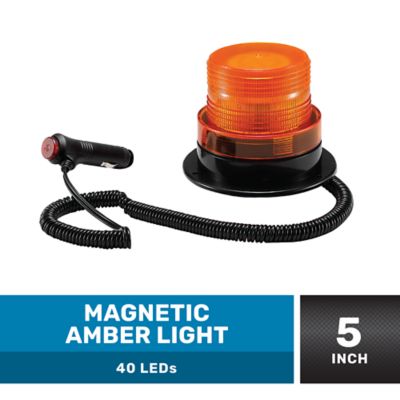
Snow Plow Lights address lighting for a different kind of snow-moving setup. A walk-behind snow blower with lights serves the tighter spaces and everyday routes that connect those larger areas, keeping attention on the next pass from the garage apron to the gate.