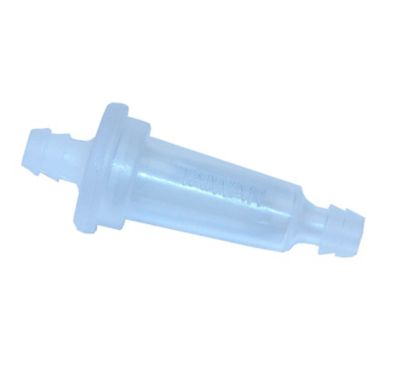
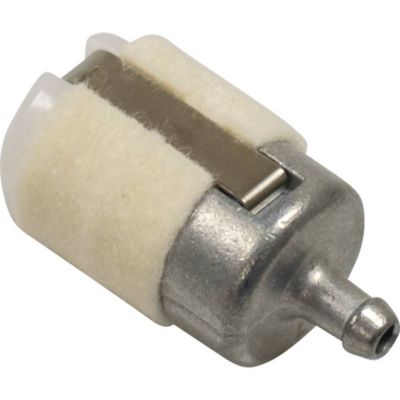
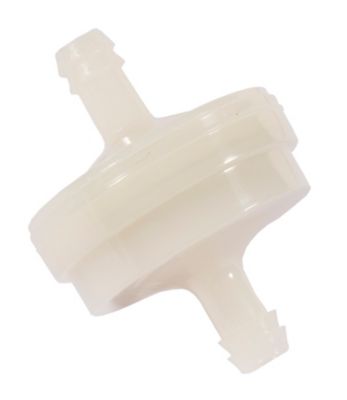
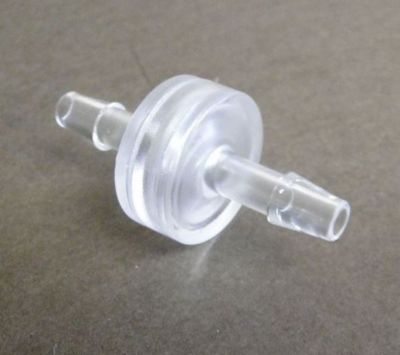
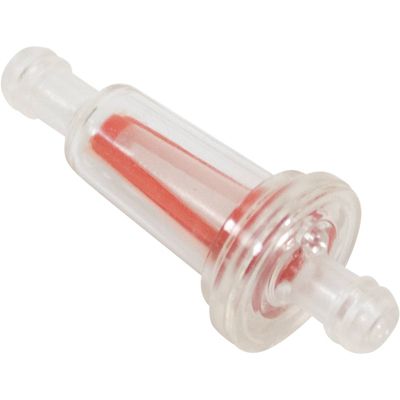
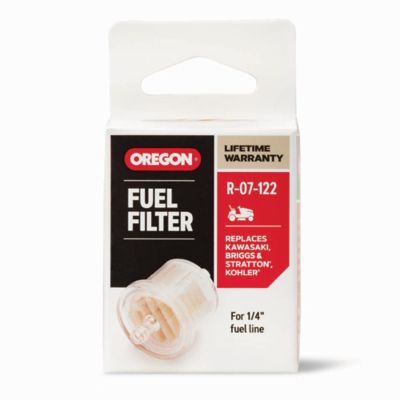
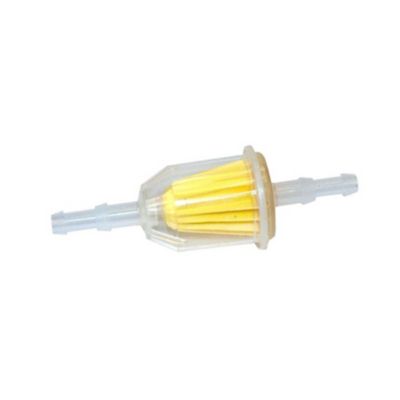
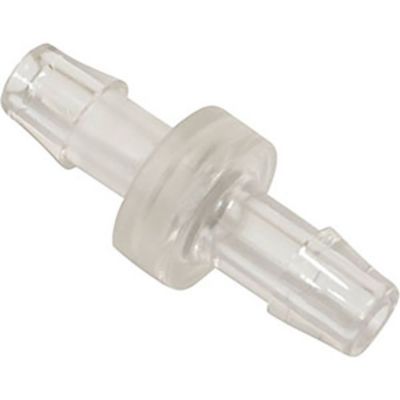
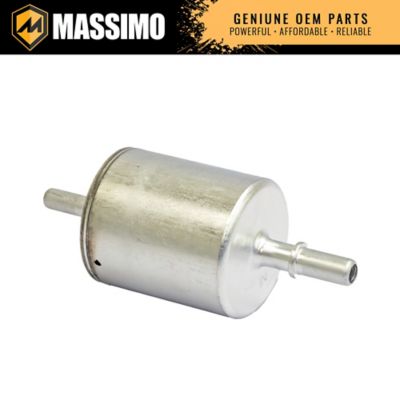
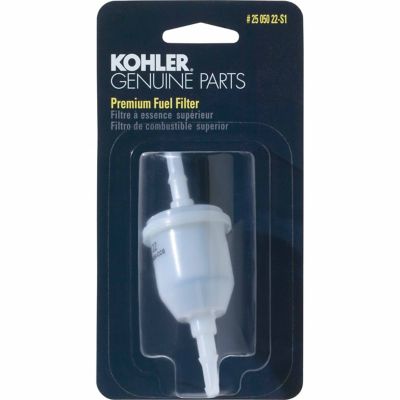
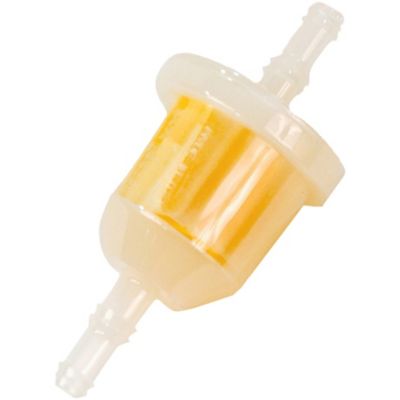
Small engine fuel filters trap dirt, rust particles, and other debris before fuel reaches the carburetor or other fuel-metering components. By keeping those contaminants out of narrow fuel passages, a properly matched filter helps maintain fuel flow and supports steady engine operation. These small parts have an important job on riding mowers, garden tractors, tillers, log splitters, portable generators, and other gas-powered equipment around the house, barn, and acreage. Even fuel that looks clear can carry particles from a storage container, a tank, or a transfer spout. A filter provides a barrier between that contamination and engine components that depend on a clean fuel supply. Small engine fuel filters come in several configurations, including inline designs that connect between sections of fuel hose and filters or strainers positioned inside a tank. Those arrangements are not automatically interchangeable. The engine’s fuel system determines the appropriate style, connection size, filtration level, and operating requirements. For replacement purposes, the engine model and original part reference are more helpful than the equipment’s appearance or horsepower alone. Two mowers parked side by side may need different filters, even when their engines seem much alike. Hose connections need to match the specified inside diameter of the fuel line, and the filter body needs enough room without crowding nearby parts. An oversized housing or an awkward connection angle can put strain on a hose, create a kink, or interfere with the intended routing. Equipment owners maintaining a few acres, landowners keeping several machines ready, and crews handling routine grounds work all benefit from paying attention to those details. The best match is a filter that meets the engine manufacturer’s specifications and fits the existing fuel system without makeshift adapters or stretched connections. That matters whether the machine spends its day cutting grass around fence posts or powering tools at a worksite away from the barn.
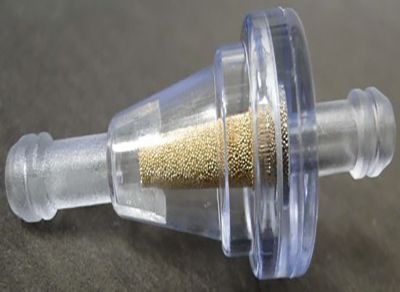
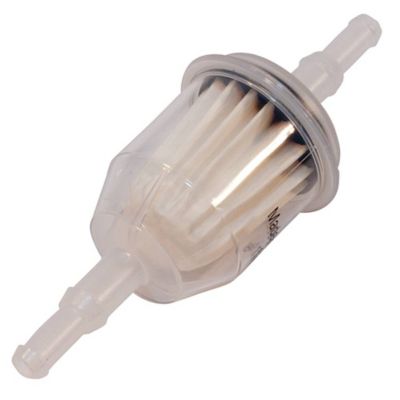
Filter construction affects both how a small engine fuel filter catches debris and how fuel moves through it. Common filtering materials include pleated paper and fine mesh, with each design serving particular engine and fuel-system requirements. Pleats provide filtering surface within a compact housing, while mesh designs may have different particle-capture and flow characteristics. A micron rating describes the particle size associated with the filter’s stated performance, but that number alone does not establish suitability. A finer rating is not automatically a better choice for every engine; fuel still needs to pass through at the rate and pressure the system requires. Gravity-fed engines depend on the tank’s position and the fuel path rather than a pump to supply fuel, so excessive restriction can interfere with operation. Pump-fed systems have their own specifications, and a filter intended for one arrangement may not suit the other. On equipment with pump-assisted delivery,
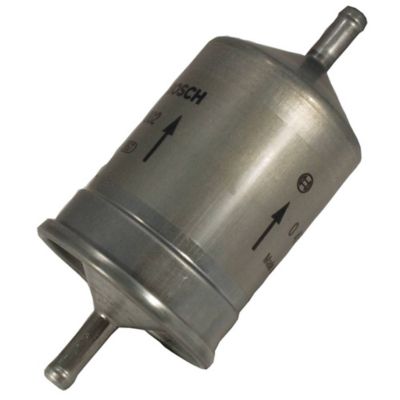
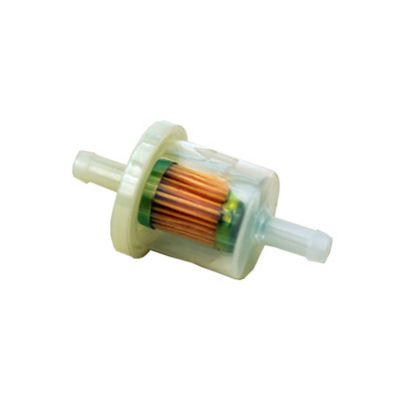
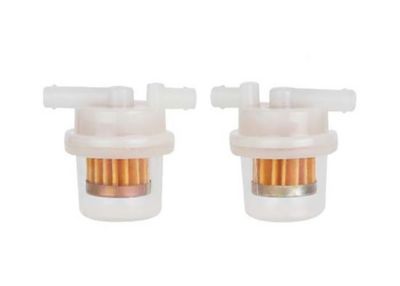
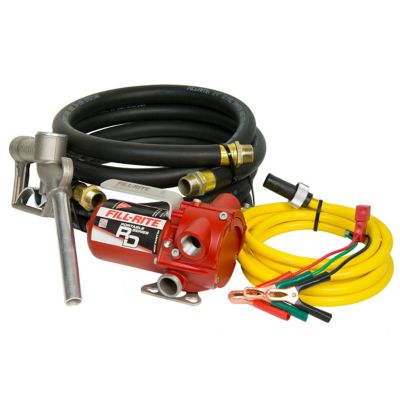
Small Engine Fuel Pumps move fuel toward the engine, while filters remove particles along the designated fuel path. Neither component takes over the other’s job. Filter housings may be plastic or metal, depending on the design. A translucent housing can make some visible debris easier to spot, though the appearance of fuel inside it does not confirm that the filter is flowing properly. Some filters do not remain completely full during normal operation, so an air space by itself does not prove there is a problem. Metal housings conceal the element, making the specified service interval and the equipment’s operating history especially important. Housing material, seals, and connections also need to be rated for the fuel the engine requires, including any permitted ethanol content or fuel-and-oil mixture. Gasoline, diesel, and mixed-fuel applications should not be treated as interchangeable. For equipment that gets hauled between properties or works around brush and rough ground, proper mounting and clearance also matter. A correctly routed filter stays clear of hot exhaust parts, sharp edges, and moving linkages rather than hanging loose where a branch or shifting load could catch it.
Routine care for small engine fuel filters centers on inspection and replacement according to the equipment manufacturer’s schedule. A disposable filter is generally a replacement part, not an element to wash out and return to service. Cleaning attempts can damage the filtering material or leave contamination behind, and blowing through a filter by mouth introduces an unnecessary fuel-exposure risk. Cracked housings, damaged fittings, wet connections, and deteriorating fuel hose all deserve attention, even when the engine still starts. A new filter cannot make up for a split hose or a loose clamp, and a sound connection should not depend on overtightening that could damage a fitting. Filters with a flow-direction arrow need to follow the specified direction toward the engine. Safe service also means keeping fuel away from sparks and flames, allowing hot equipment to cool, and following the manual’s fuel-handling procedures. Beyond the filter itself, clean fuel containers and capped transfer spouts help limit the dirt entering the system in the first place. That is especially useful when refueling near a gravel drive, a dusty equipment shed, or a busy work area where grit collects around tank openings. Restricted fuel flow can contribute to hard starting, hesitation, surging, or an engine that loses power under load, but those symptoms can also come from ignition trouble, a blocked tank vent, carburetor problems, or other faults. Replacing a filter is not a guaranteed fix for every rough-running engine. Its role is more specific: catching debris while allowing the required fuel supply to reach the engine. Keeping track of service hours and replacement dates makes maintenance easier across several machines, particularly when a mower, tiller, and generator each have different requirements. For the person responsible for keeping that equipment working, fit, fuel compatibility, filtration specifications, and sound connections matter more than choosing by shape or housing color. A properly selected filter supports everyday upkeep without changing how the engine’s fuel system was designed to work.