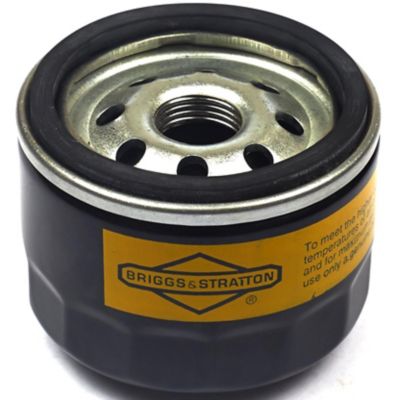
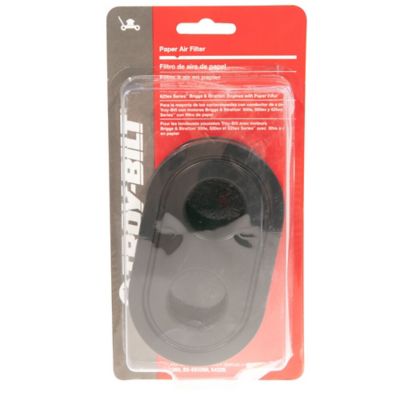
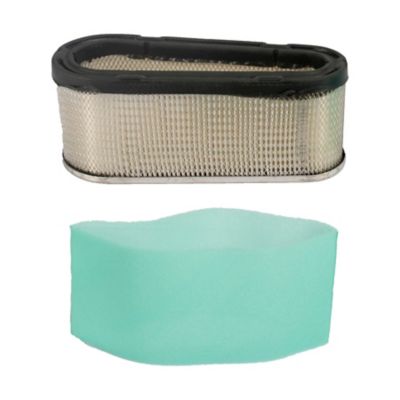
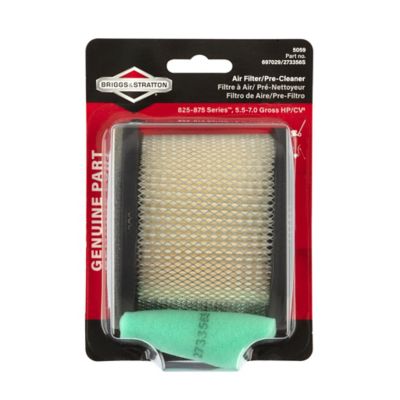
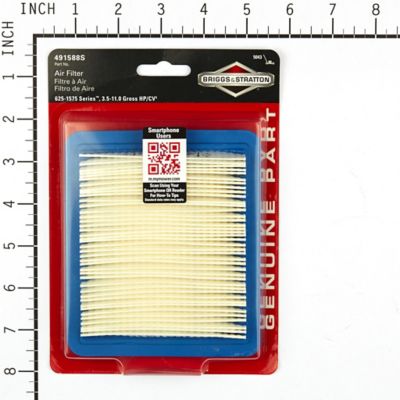
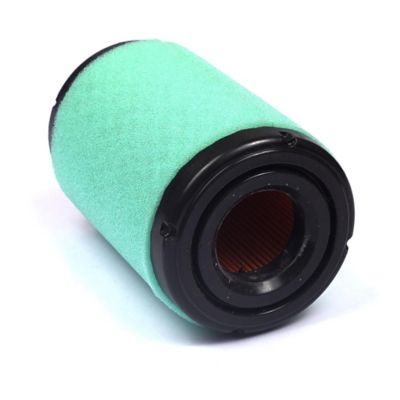
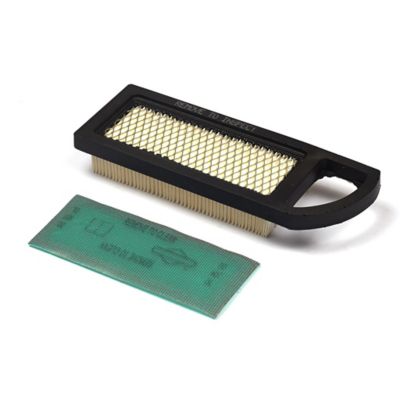
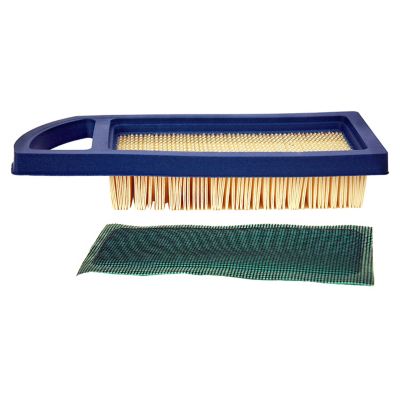
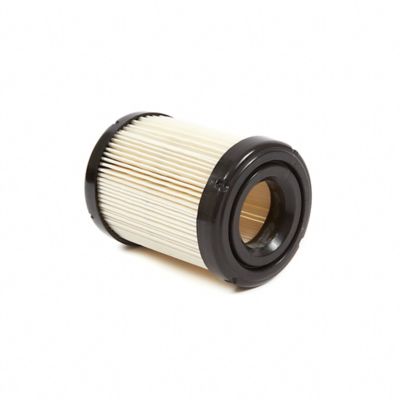
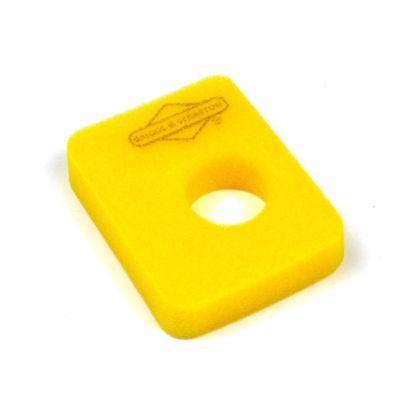
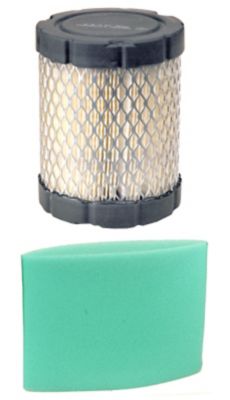
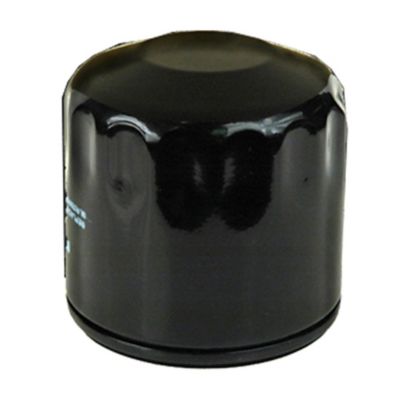
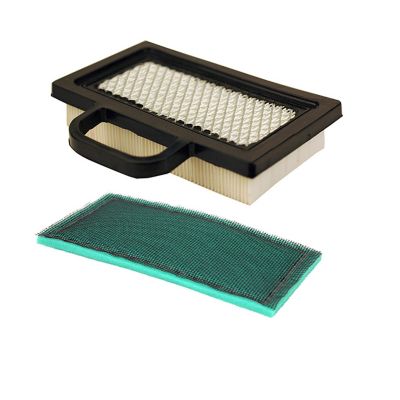
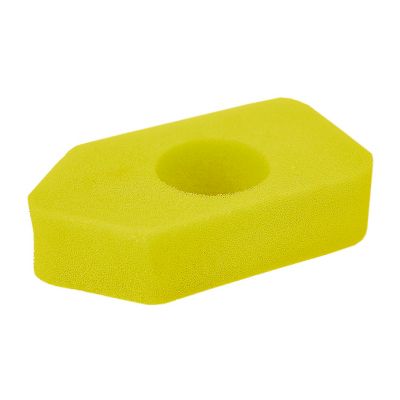
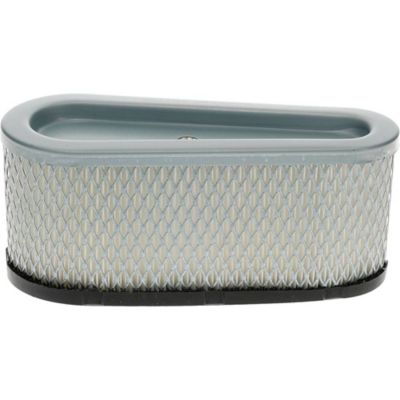
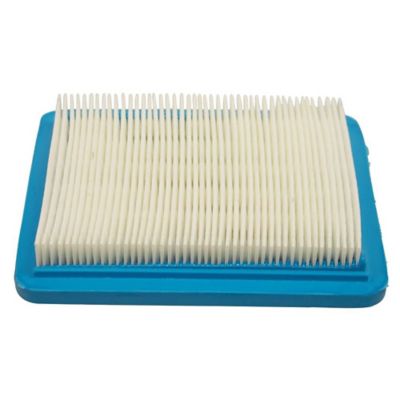
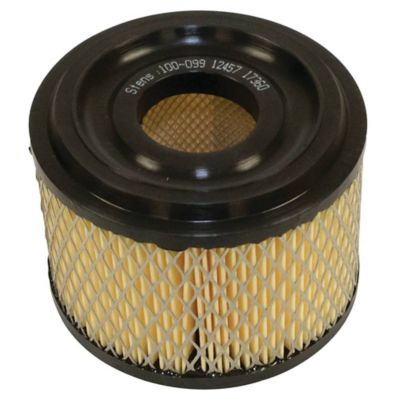
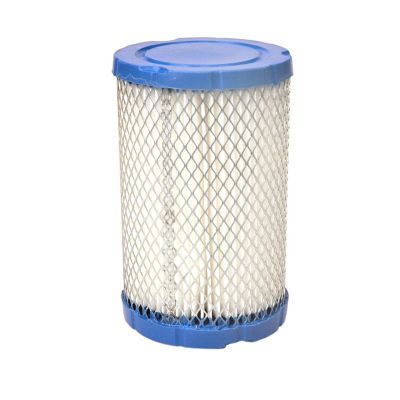
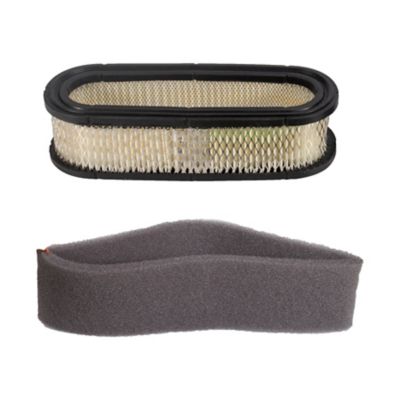
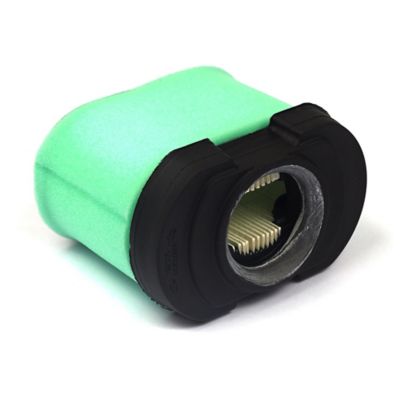
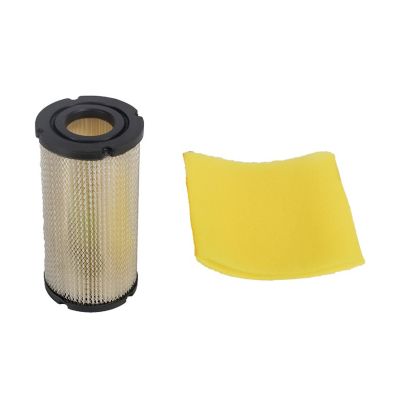
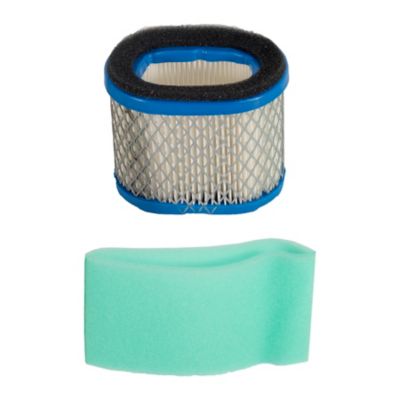
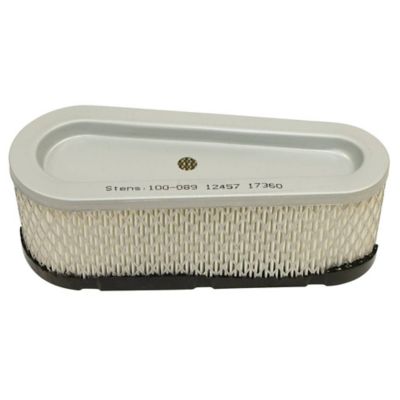
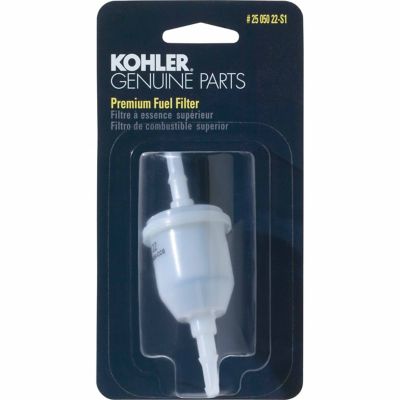
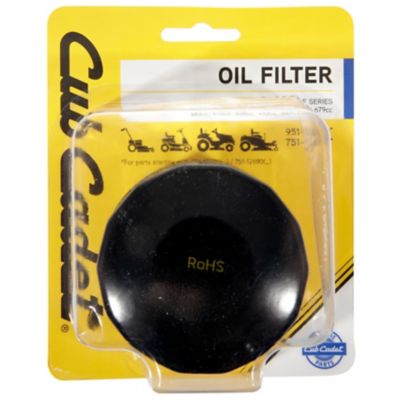
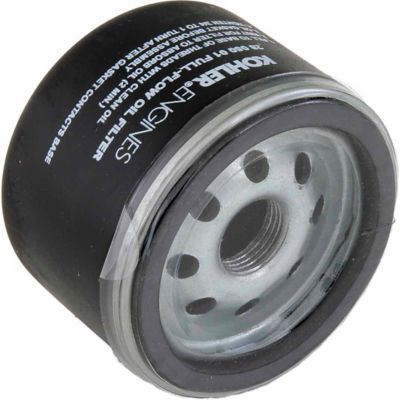
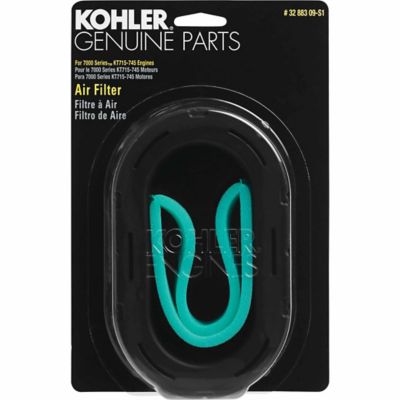
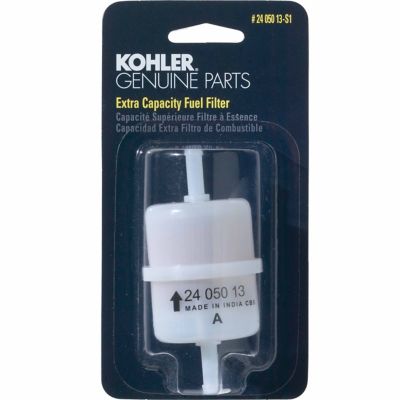
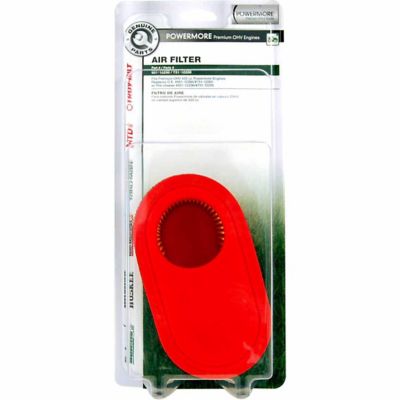
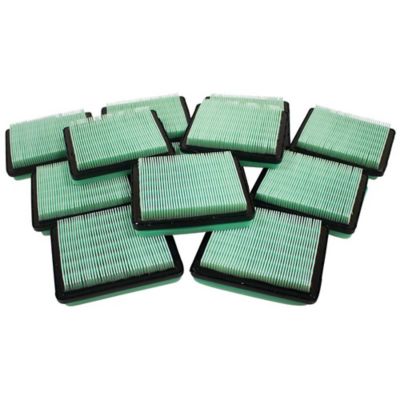
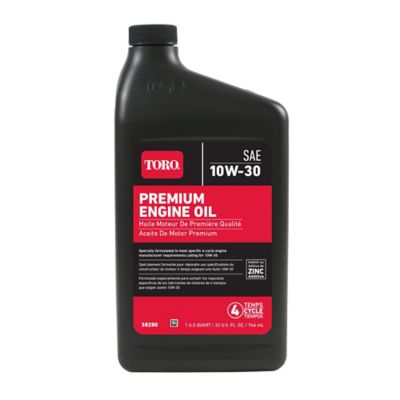
Keeping a mower, tiller, generator, pressure washer, or other small-engine machine ready for work starts with the right filter. Engine filters help keep dirt, dust, grass clippings, fuel particles, and other grit from reaching sensitive parts where they can cause extra wear or poor performance. This collection of Briggs And Stratton Filters includes replacement options for several common small-engine systems, including air, fuel, and oil filtration. Air filters sit between the outside air and the engine, catching fine debris before it enters the combustion area. A clean air filter helps the engine breathe as intended, while a clogged one can make starting harder, reduce power, and lead to uneven running. Fuel filters strain sediment and small particles from gasoline before fuel reaches the carburetor or fuel-injection system. Oil filters trap contaminants circulating through the lubrication system, making them especially important on larger riding mower engines and other equipment that works for long stretches. Filter designs can look similar at a glance, yet the height, diameter, mounting style, seal, flow rating, and internal material may differ from one engine to another. Before placing an order, find the engine model number, type number, code, or original equipment part number printed on the engine housing, owner’s manual, or existing filter. Matching that information is the best way to narrow the selection and avoid a part that does not seat properly. Equipment type helps too: a walk-behind mower, riding mower, snow blower, generator, or pressure washer may call for a different filter even when the engines appear similar.
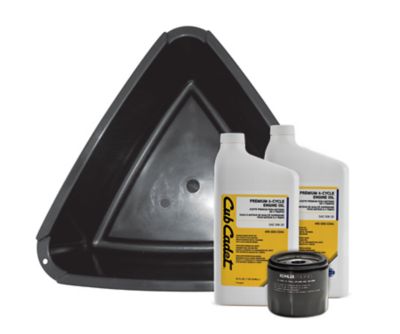
A quick inspection can tell you a lot about when a filter needs attention. Paper air filters should generally be replaced when they are heavily coated with dust, stained with oil, crushed, torn, or no longer holding their shape. Tapping a paper filter against a hard surface may loosen some loose dust, but compressed air can damage the filter material and force debris deeper into the pleats. Foam filters follow different care instructions; some can be washed with the recommended cleaner, allowed to dry fully, and treated with the proper filter oil before they go back in place. Never reinstall a foam filter while it is wet, and do not rely on a torn or crumbling filter to protect the engine. Fuel filters may show restricted flow, hard starting, surging, or loss of power when they are loaded with debris, although other fuel-system problems can create similar symptoms. Oil filters are commonly changed along with the engine oil at the interval listed in the equipment manual. When replacing one, check that the old gasket came off with the filter, wipe the mounting surface clean, apply a light film of fresh oil to the new gasket when directed, and tighten it according to the instructions rather than forcing it with excessive pressure. Shut the engine down, let hot parts cool, disconnect the spark plug wire when appropriate, and work in a well-ventilated area away from sparks or open flame. A clean bench, a small drain pan, and a rag can make a routine filter change much less messy, especially when the mower has been sitting in a dusty shed or the generator has been working through a stretch of rough weather.
These filters are a practical choice for people who maintain their own lawn equipment, care for acreage, manage a small farm, or keep backup power equipment ready for an outage. They also make a useful addition to a care package for a family member who spends weekends mowing, clearing paths, tending a garden, or keeping a hunting cabin in shape. Keeping a spare air or fuel filter on the shelf can save a trip to town when an engine needs attention before a full day of work, though it is still important to store filters in their original packaging and keep them dry, clean, and away from fuel vapors. During the cooler months, many owners prepare equipment for storage by cleaning the housing, checking the filter, changing oil when called for, and protecting the machine from moisture. Before spring work begins, another inspection can reveal nests, dust buildup, brittle foam, or a filter that was already near the end of its service life. The same habit helps with equipment that runs year-round, such as generators and utility engines. If you maintain machines from more than one manufacturer, you can also browse
Craftsman Filters for compatible filter options in that category. Keep the engine information close by when shopping, compare the listed specifications with the part in hand, and follow the service schedule in the owner’s manual. With the correct filter fitted snugly and checked at sensible intervals, your equipment is better prepared for dusty mowing, long hours around the barn, and the everyday jobs that keep rural property moving.