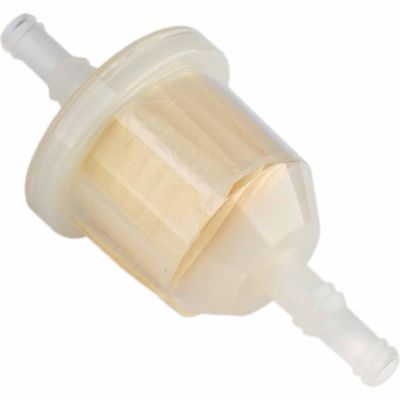
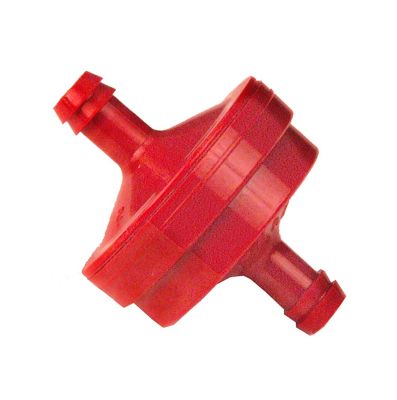
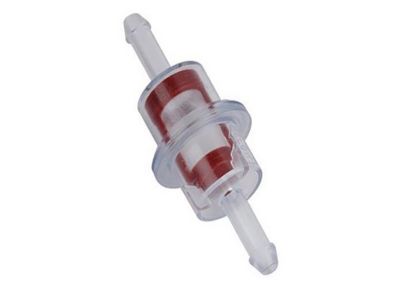
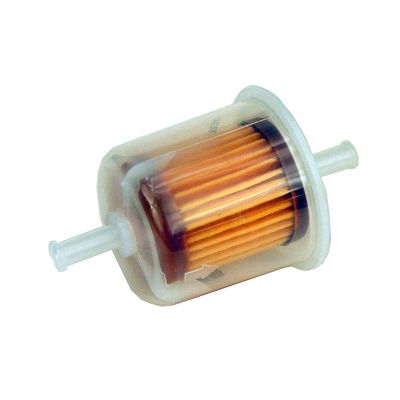
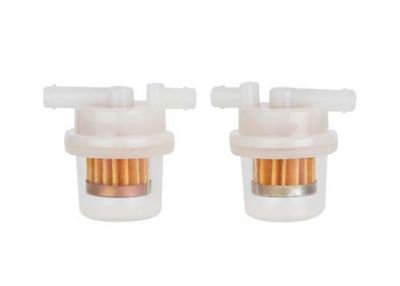
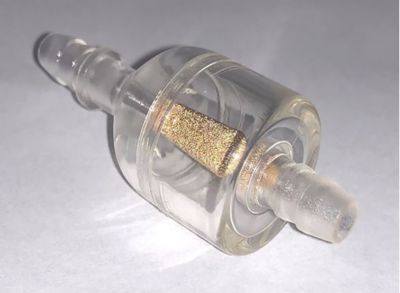
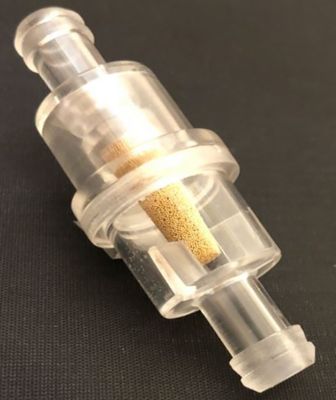
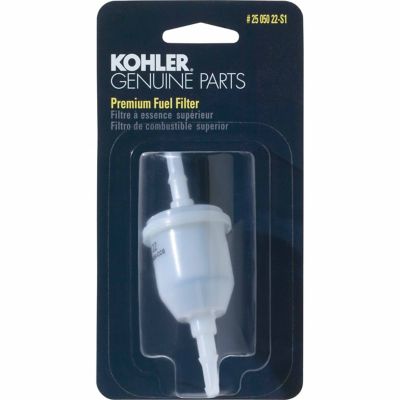
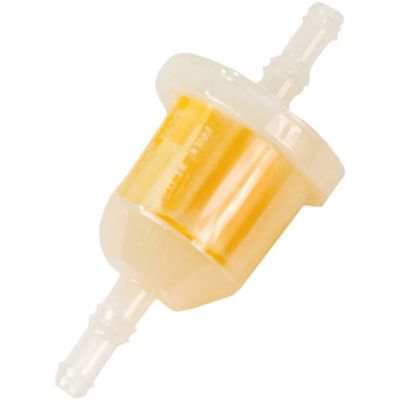
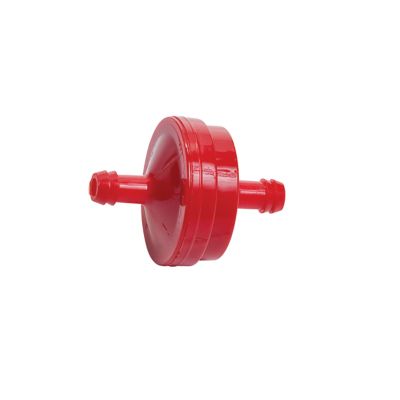
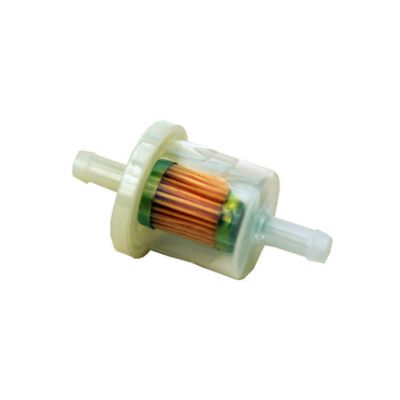
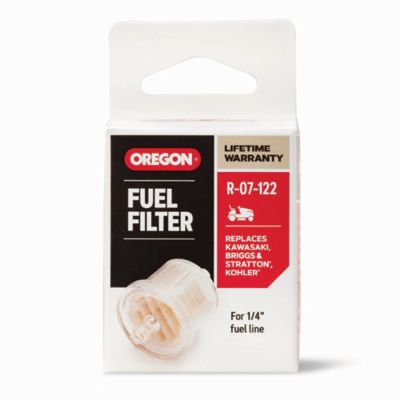
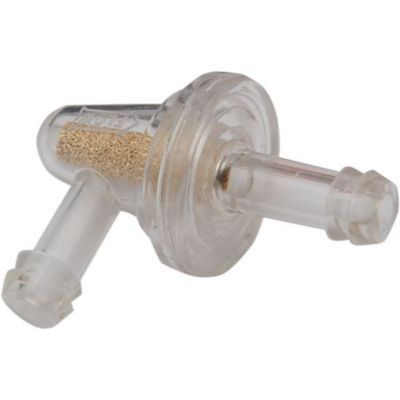
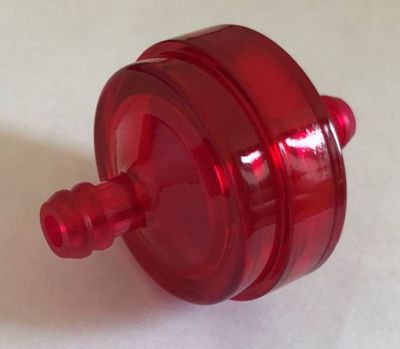
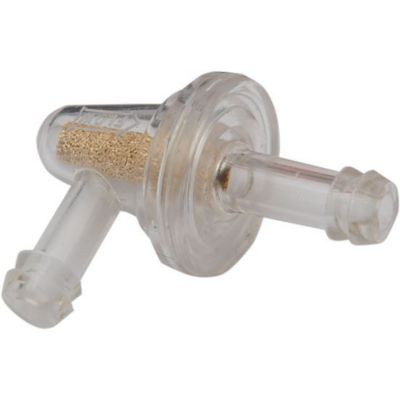
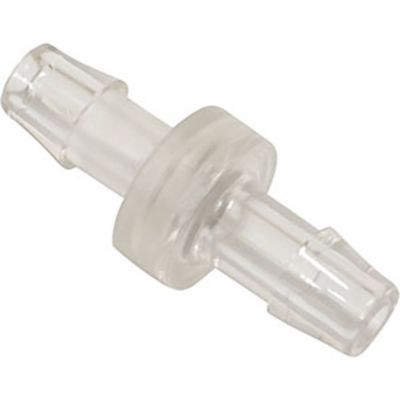
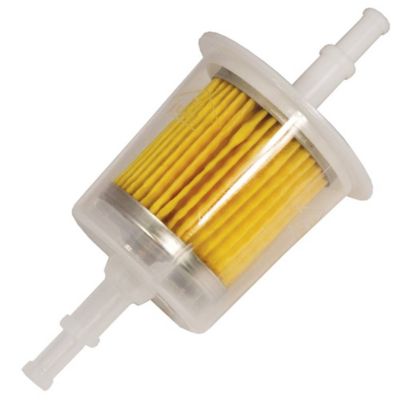
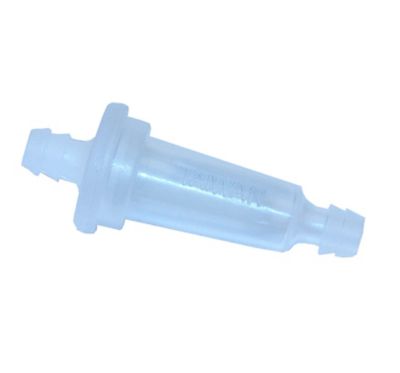
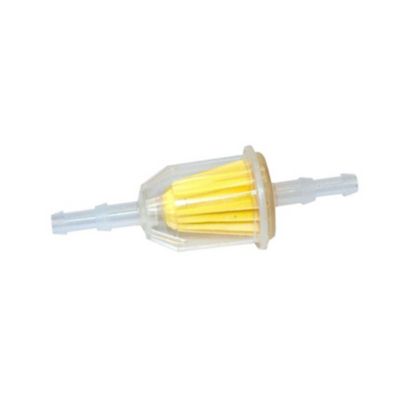
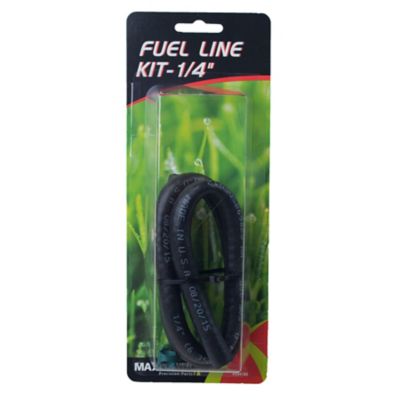
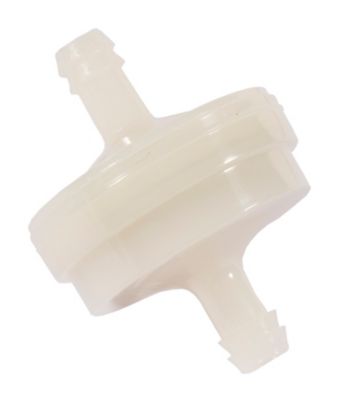
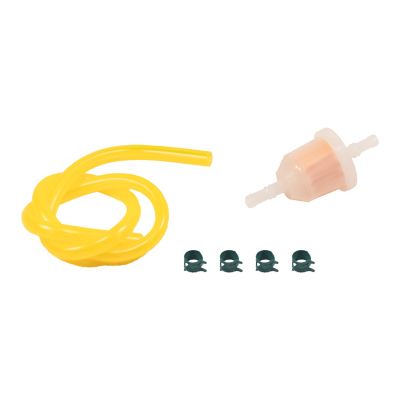
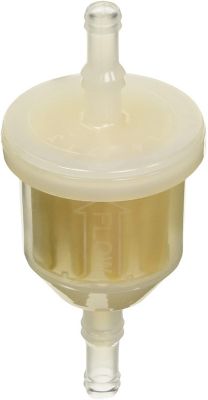
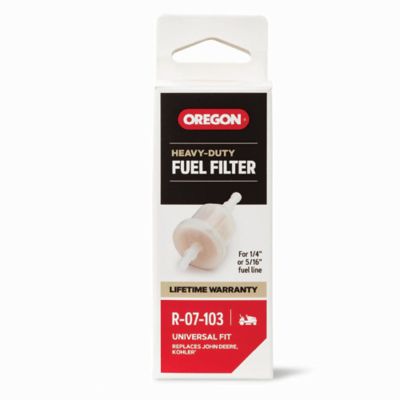
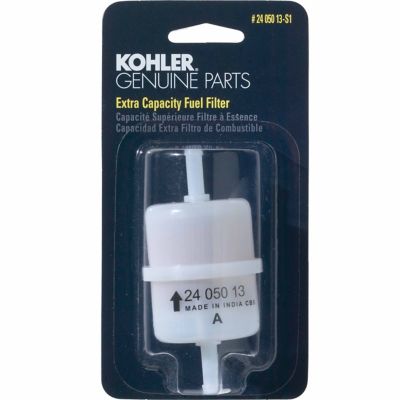
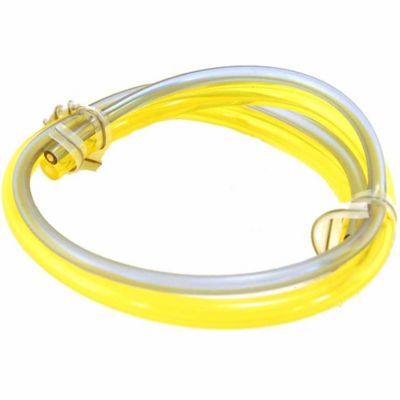
A 1/4-inch fuel filter is a common choice for small gasoline engines and equipment with fuel lines that measure 1/4 inch at the connection point. These inline filters help catch dirt, rust flakes, tank sediment and other small particles before they reach the carburetor or fuel system. They can be a practical fit for lawn mowers, compact tractors, utility vehicles, generators, pressure washers, tillers, log splitters and other machines found around a farm, acreage or home shop. The filter size generally refers to the inside diameter of the fuel hose or the size of the filter’s barbed fittings, so checking the line before ordering is an important first step. A filter that is too small can restrict fuel flow, while one that is too large may not grip the hose securely. Measure the hose at the connection point, check the equipment manual when available and compare the filter’s flow direction with the arrow marked on its body. Many 1/4-inch inline filters are made for gasoline systems, but fuel compatibility still matters, especially when equipment runs on a fuel blend or sits for long stretches between jobs. Keeping a spare filter in the service cabinet can help when a mower begins to sputter before a storm, a generator needs to be ready for a cold-weather outage or a tractor is being prepared for work around the property. For related hose, clamps and routing parts, browse
Small Engine Fuel Lines.
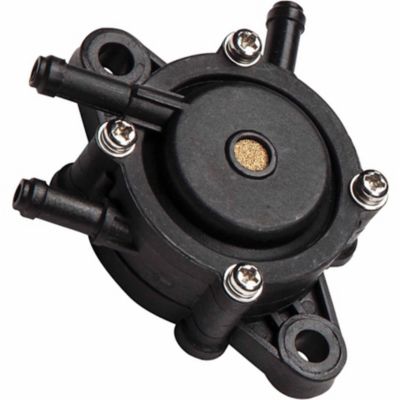
Selecting the right filter involves more than matching a hose size. Small engines may rely on gravity feed, where fuel travels from the tank toward the carburetor, or they may have a fuel pump that moves fuel through the line. A gravity-feed setup usually needs a filter designed to let fuel pass freely without creating unnecessary restriction. Equipment with a pump may call for a different filter style or flow rating, so checking the engine or equipment service information is worthwhile. Filter openings also vary. Some small-engine applications call for fine screening around the 150-micron range, while others use a different level of filtration based on the fuel system and the manufacturer’s specifications. A transparent housing can make it easier to spot water, rust-colored particles or a low fuel flow, although appearance alone does not confirm that a filter is ready for continued service. Before installing one, shut off the fuel supply, let the engine cool and work in a well-ventilated area away from sparks, flames and smoking materials. Drain or pinch the line only with equipment approved for that task, and keep a suitable container nearby for any fuel that may escape. Push the hose fully onto each barb, position clamps behind the raised end of the fitting and make sure the filter arrow points toward the carburetor or engine. After installation, inspect every connection for seepage before starting the equipment. If the hose is hard, cracked, swollen or loose around the fitting, replacing the line and clamps at the same time can help prevent another interruption.
Fuel filters are often part of routine small-engine care, particularly for equipment that spends the cooler months in a shed or barn and returns to service when outdoor work picks up. Before storage, many owners drain old fuel according to the equipment instructions, keep the tank and fuel system protected as directed and note the filter’s condition. When preparing a machine for mowing, hauling, snow work or chores around the property, check for a restricted filter, cloudy fuel, sediment in the bowl or signs of moisture. A plugged filter may show up as hard starting, uneven running, loss of power under load or an engine that quits after several minutes. Those symptoms can also come from a dirty carburetor, a blocked tank vent, a failing fuel pump or an ignition problem, so changing the filter is one step in a broader inspection rather than a promise that it will solve every concern. Keep the old part only long enough to compare its size and flow direction, then dispose of fuel-soaked materials and leftover gasoline according to local rules. A few spare 1/4-inch filters can be useful for a farm shop, maintenance shed or family member who looks after a mower, ATV or generator, making them a practical addition to a care package for someone who spends weekends tending land. During the cooler months, store replacement filters in a clean, dry place away from direct sunlight and heat. With the correct hose size, flow direction and fuel-system fit, a small inline filter can help keep everyday equipment moving through mowing, hauling, property upkeep and seasonal chores.