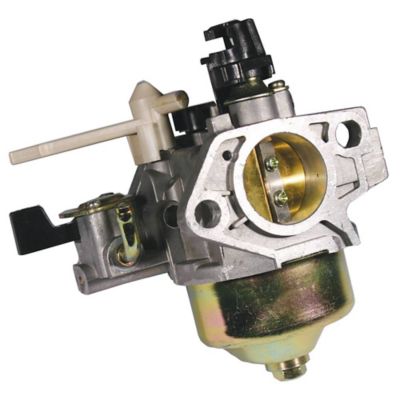
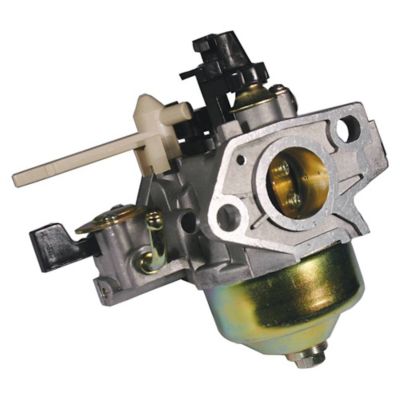
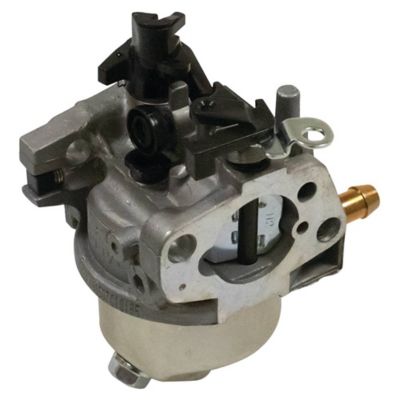
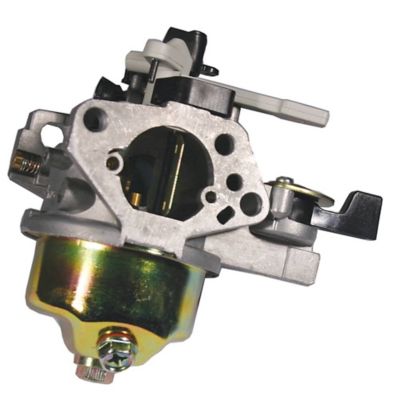
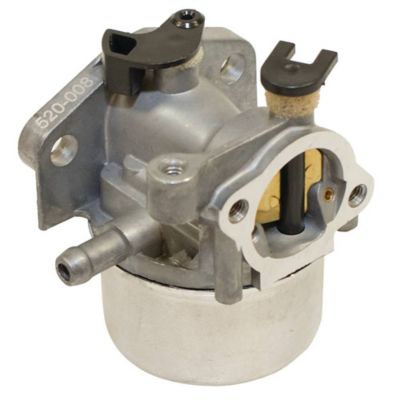
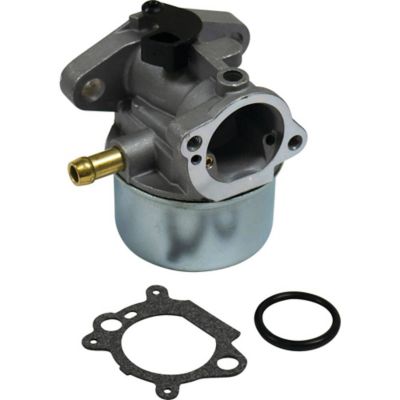
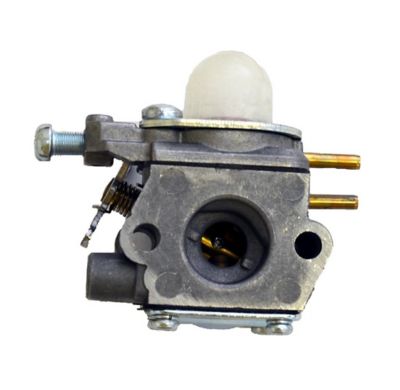
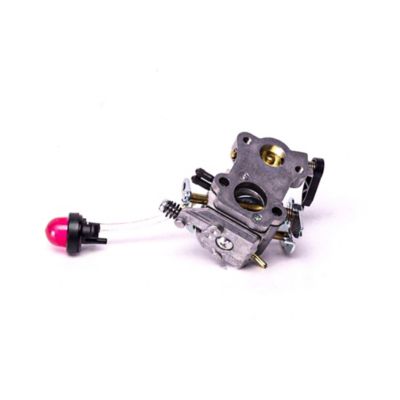
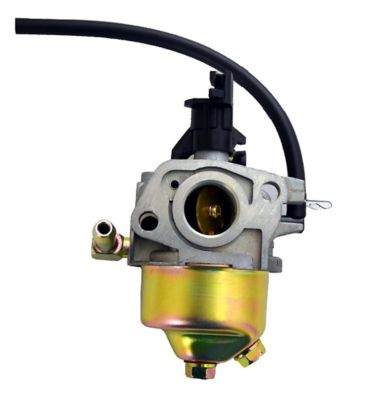
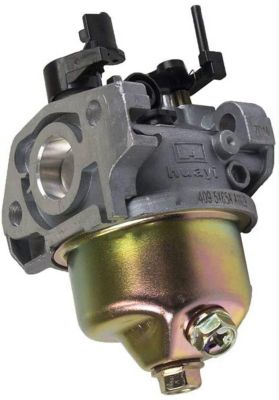
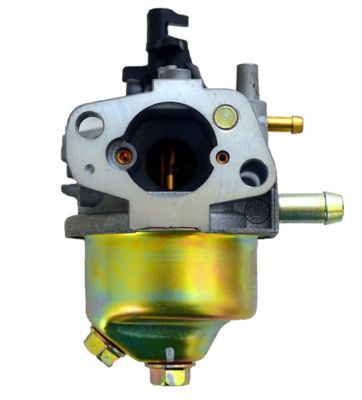
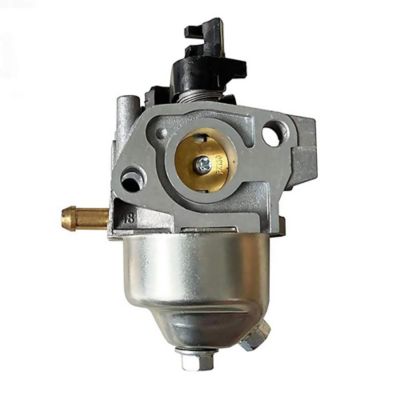
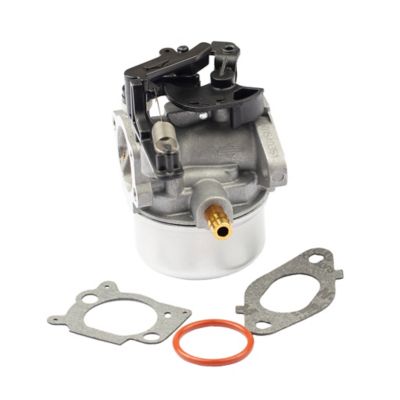
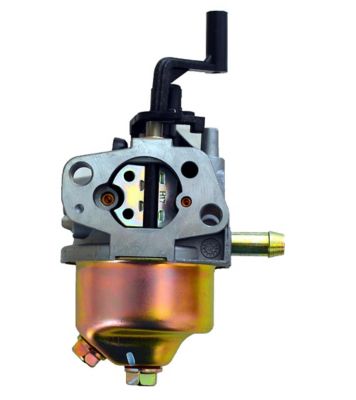
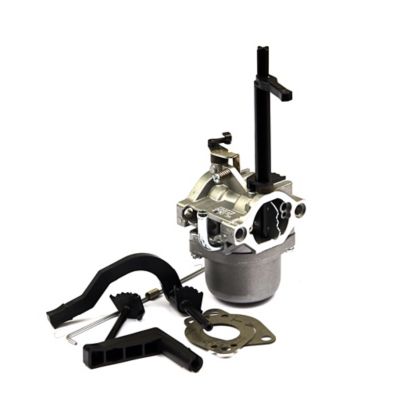
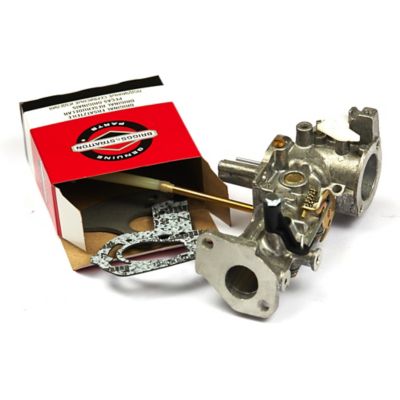
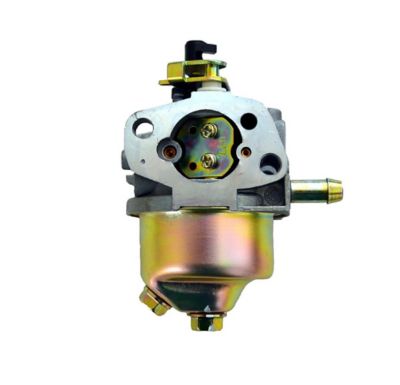
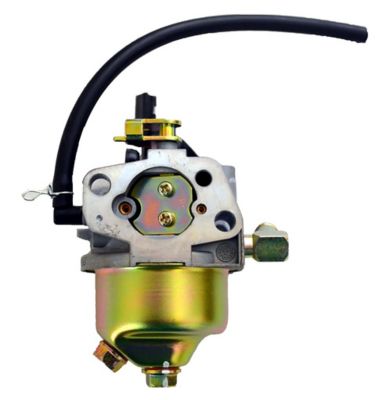
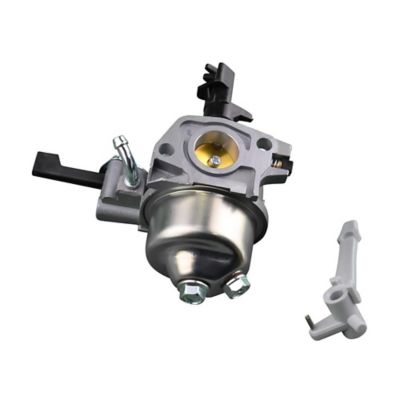
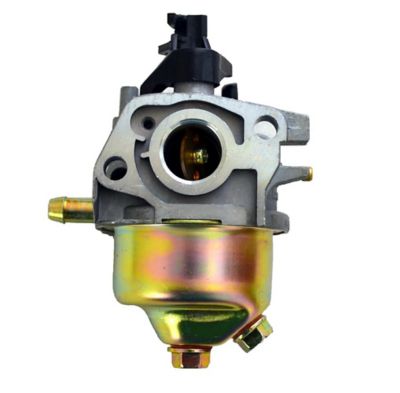
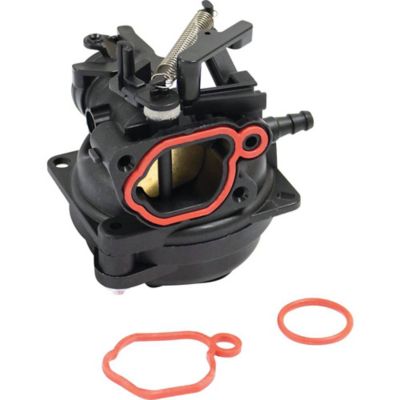
Lawn mower carburetors mix gasoline with air in the proportion a gas engine needs for combustion. Inside the carburetor, narrow passages and metering jets help turn liquid fuel into a fine spray that travels into the engine. The throttle controls how much of that mixture enters, while the governor on many mower engines adjusts the throttle as the workload changes. That balance matters when a mower moves from a lightly grown stretch beside the driveway into thicker grass along a fence. A properly matched carburetor supports steady running, dependable starts and the power the engine was built to deliver. These replacement parts serve gas-powered walk-behind mowers, riding mowers and other mowing equipment with carbureted engines; battery-powered and corded electric mowers do not need them. Different engine designs call for different fuel-metering arrangements, so lawn mower carburetors are not interchangeable just because their housings look alike. Many have a float bowl that holds a small fuel supply beneath the carburetor body, with a float and needle valve regulating the level. Other designs rely on a diaphragm, sometimes as part of an assembly mounted directly to the fuel tank. Choke plates, primer connections and fuel shutoff solenoids also vary by engine. For a homeowner keeping the yard tidy, a landowner mowing around outbuildings or a small-engine mechanic handling routine repairs, the right replacement starts with the engine rather than the mower’s appearance. A carburetor belongs to a fuel system that also includes the tank, lines, filter and air intake, and trouble elsewhere in that system can resemble a carburetor problem. Hard starting, uneven running or an engine that starts and then quits can point to restricted fuel passages, but those symptoms alone do not confirm that the carburetor needs replacement. Ignition faults, poor fuel flow and air leaks can cause similar trouble. That distinction helps keep a repair focused on the part that actually needs attention.
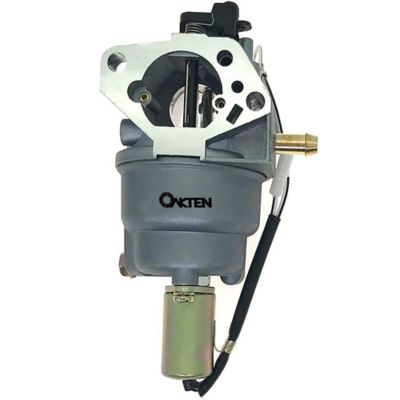
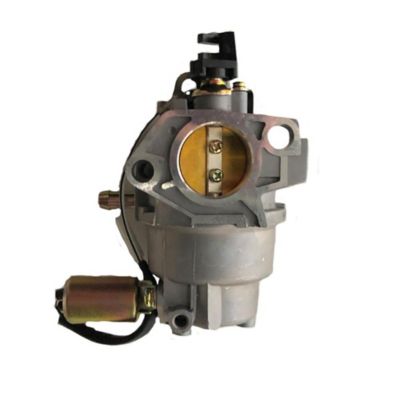
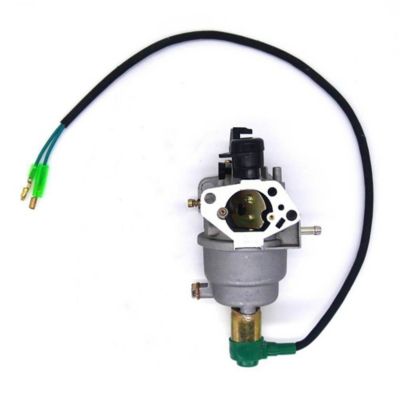
Fit is the biggest consideration when comparing replacement lawn mower carburetors. The mower’s model information is useful, but the engine model, type and specification numbers usually provide the clearest match. One mower series may have several engine configurations, and two engines with similar horsepower ratings can require different carburetors. Mounting-hole spacing, intake opening size, gasket shape and fuel inlet direction all affect whether an assembly fits correctly. Throttle and choke linkage connections matter just as much: a part that bolts into place still needs to work with the engine’s controls without binding or stretching a spring out of position. Engines with an automatic choke need the correct connections for that system, while a manual choke requires a compatible lever arrangement. On some riding mower engines, an electrical connection at the fuel bowl operates a shutoff solenoid; the replacement must match the specified setup. Jet calibration also matters because it determines fuel delivery for the intended engine. A larger-looking carburetor is not a shortcut to more mowing power, and an unsuitable match can lead to poor running or engine damage. Materials contribute to service life, too. Carburetor bodies commonly feature cast aluminum or zinc alloys, with brass metering components, steel hardware and fuel-resistant seals or diaphragms. Sound sealing surfaces and properly fitting internal parts help keep fuel contained and prevent unwanted air from entering the intake. Exposure to moisture, fuel deposits and dirt can affect those surfaces over time, especially on equipment that spends long stretches parked between mowing jobs. Assembly contents deserve attention as well, since mounting gaskets, spacers, linkage pieces and electrical components are not necessarily included with every replacement. Anyone comparing parts across different outdoor power equipment can also browse
Small Engine Carburetors, keeping each engine’s compatibility requirements in view. Whether the mower handles a small patch near the porch or a broad stretch behind the barn, correct fit takes priority over a familiar shape or a similar connection.
Care and operating conditions have a lot to do with how well a lawn mower carburetor holds up. Fine dust from a dry yard, loose debris in a fuel tank and gasoline left sitting through a long break can all create trouble in small fuel passages. An air filter that fits properly helps keep grit out of the intake, while clean fuel and sound fuel lines help protect the fuel side of the system. Gasoline can deteriorate during storage and leave deposits that interfere with jets or a float needle. Fuel containing ethanol can also contribute to moisture-related concerns, making the engine manufacturer’s fuel requirements and storage recommendations worth following during the cooler months. Fuel stabilizer may help preserve fresh gasoline when applied as directed, but it does not restore stale fuel or clear a blocked jet. For a mower heading into an extended rest in the shed, the right storage approach depends on its engine and fuel system; some manufacturers call for draining fuel, while others specify treated fuel and additional precautions. Cleaning or rebuilding may be reasonable when deposits or worn serviceable parts are the issue. Replacement may make more sense when the housing is cracked, sealing surfaces are damaged, corrosion is severe or a throttle shaft has excessive play. Those are different situations from a simple fuel restriction, and a proper inspection helps separate them. Careful handling matters during any service because jet openings are precisely sized, and forcing wire or a drill bit through them can change fuel delivery. Carburetor cleaner also needs to be compatible with the components it touches, particularly rubber and plastic parts. Any fuel leak calls for stopping operation until the fault is corrected, with service performed on a cool engine away from sparks and flames. For owners who would rather leave fuel-system work to a shop, the engine identification numbers and a clear description of the symptoms give the mechanic a useful starting point. A well-matched carburetor, clean intake and sound fuel supply help keep mowing equipment ready for the next pass around the yard.