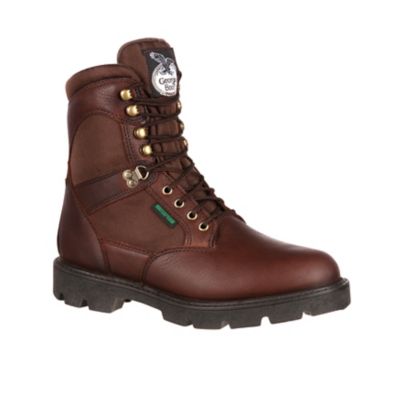
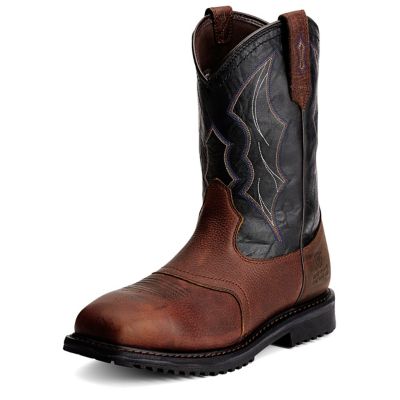
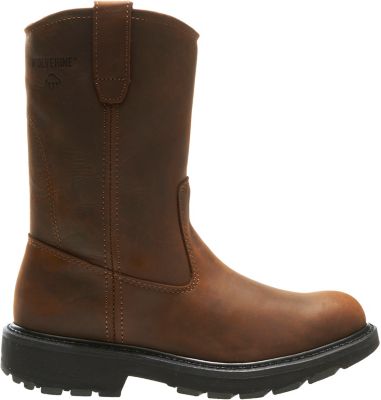
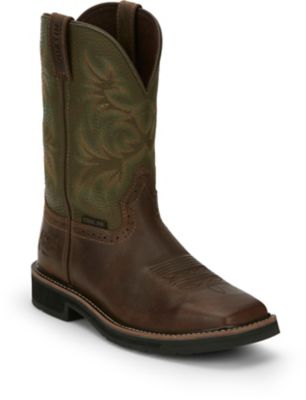
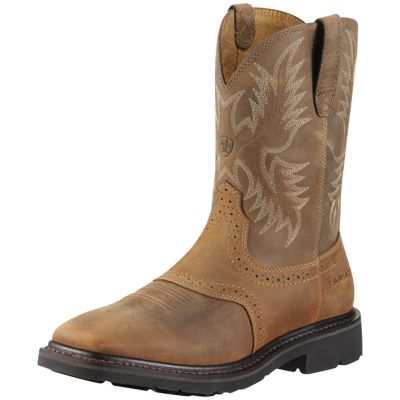
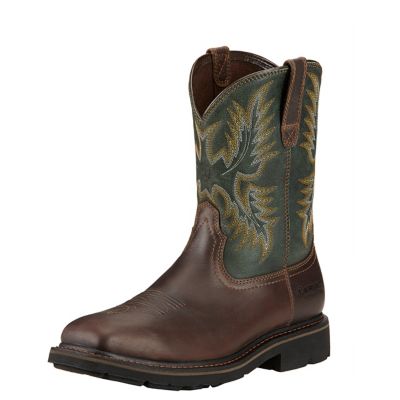
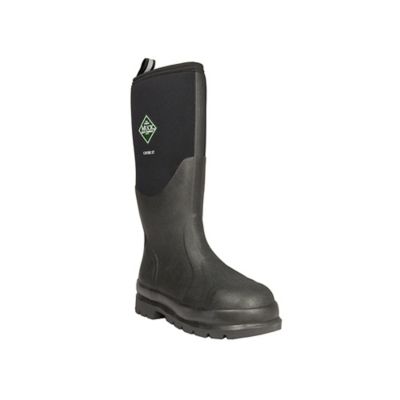
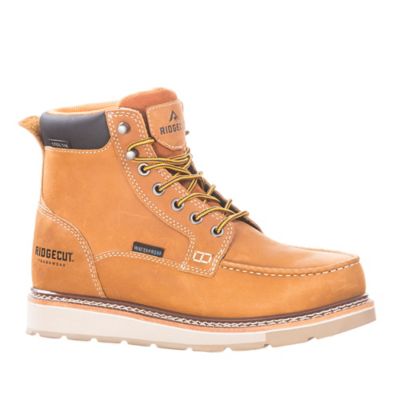
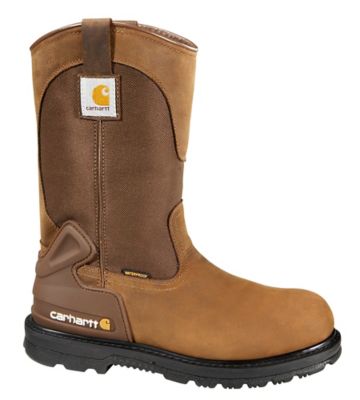
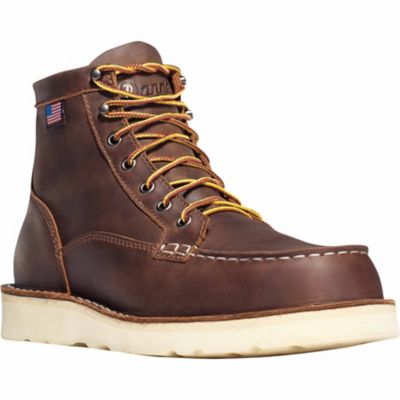
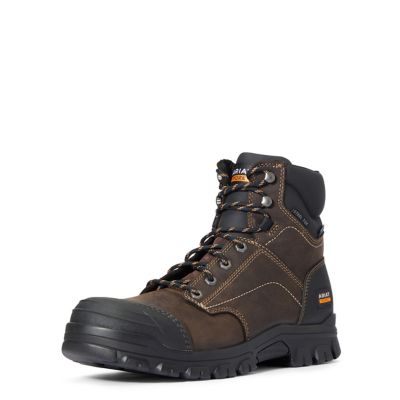
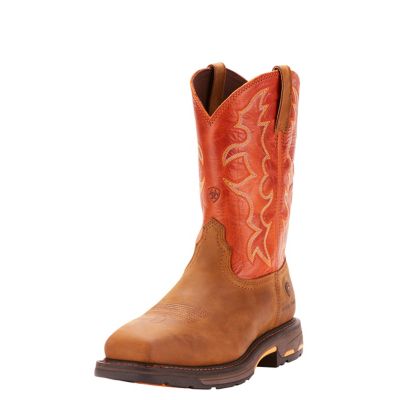
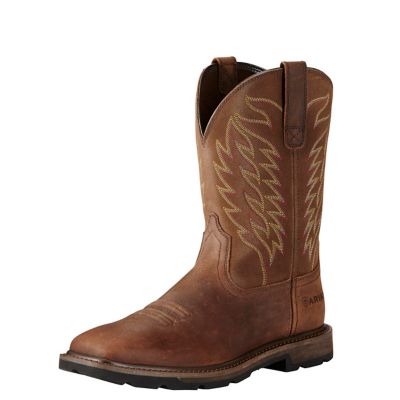
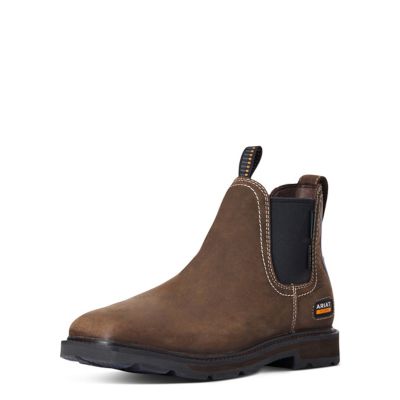
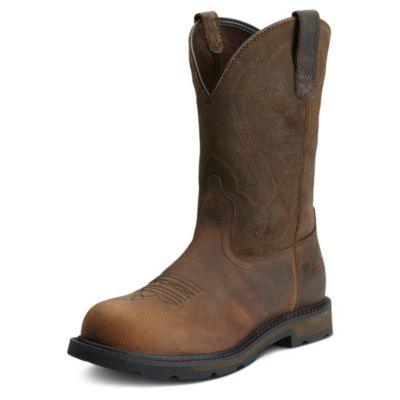
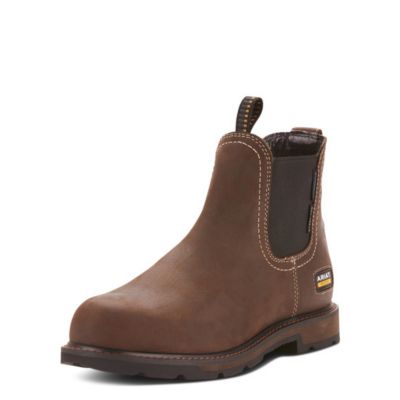
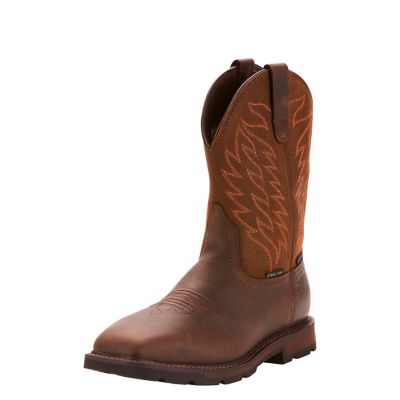
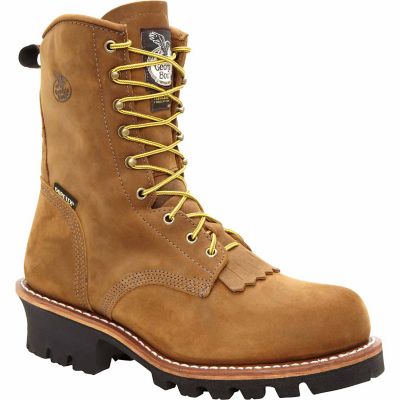
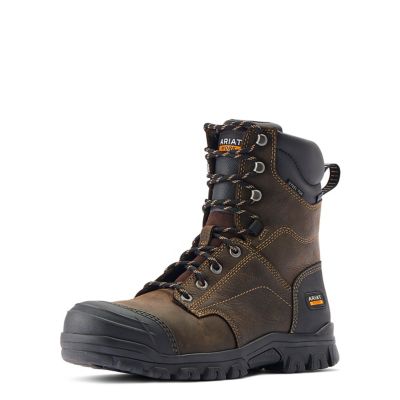
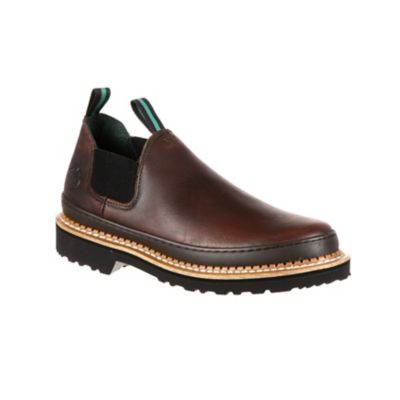
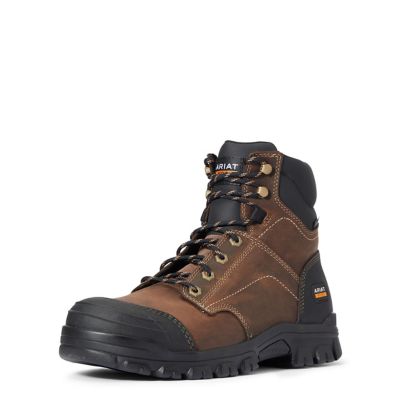
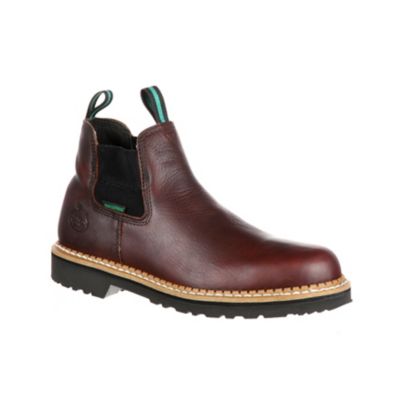
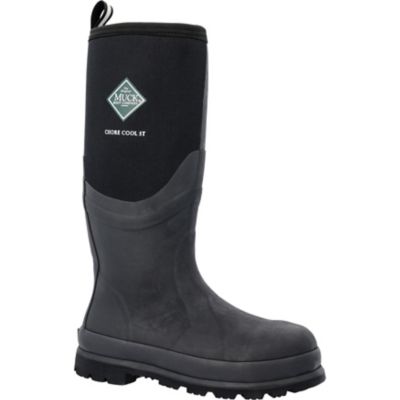
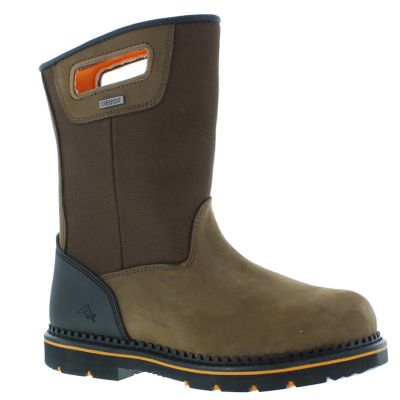
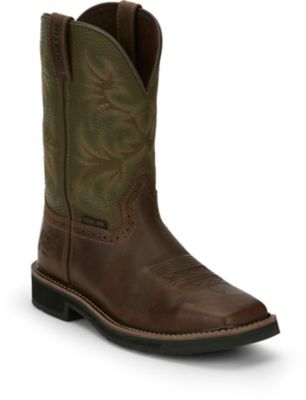
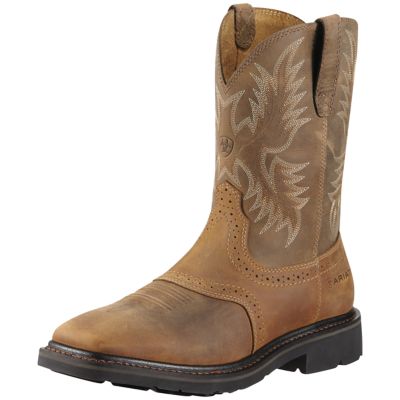
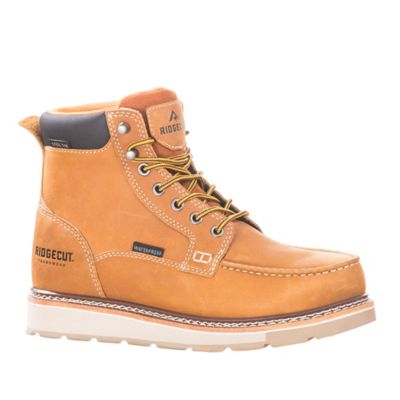
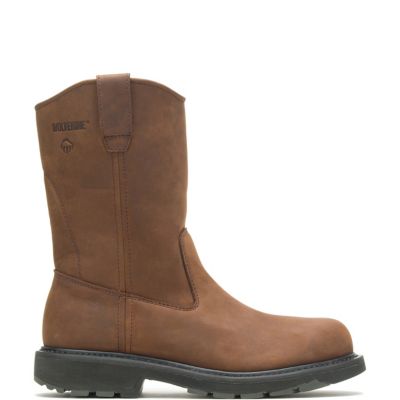
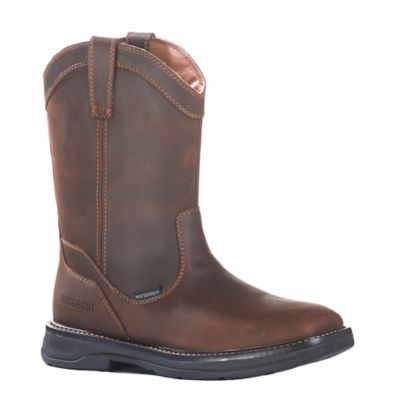
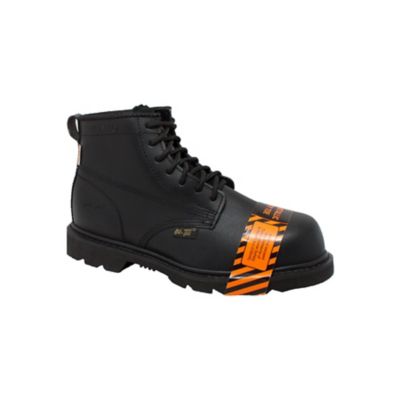
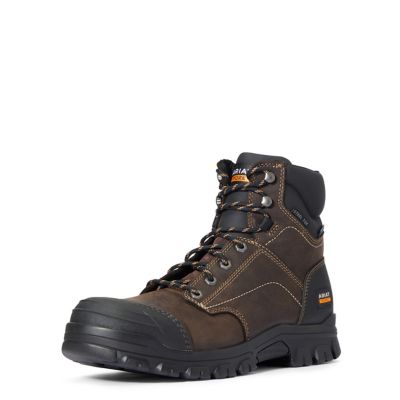
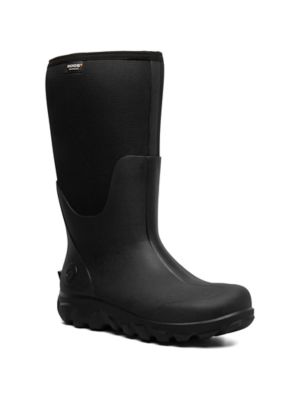
Slip resistant steel toe work boots are made for long days when the ground is uneven, the work is demanding and a steady step matters. They can be a dependable choice for farm and ranch work, construction, warehouse jobs, delivery routes, landscaping, maintenance, manufacturing and many other jobs where feet face more than ordinary wear. A steel toe helps provide a layer of protection from dropped tools, lumber, feed bags, equipment parts and other heavy objects, while a slip resistant outsole is designed to help improve traction on common workplace surfaces. Muddy paths, wet concrete, dusty shop floors, slick loading docks and damp grass can all make footing less certain, especially when a person is carrying a load or moving quickly. The right pair should feel supportive without making each step feel stiff or clumsy. Look for a sturdy upper, a well-built toe area, secure laces or other dependable closures and an outsole with a tread pattern suited to the kind of work being done. Some boots are built for especially wet conditions, while others focus more on breathability or flexibility, so think about the worksite and typical weather before choosing. During the warmer months, a breathable lining and moisture-managing socks can help keep feet more comfortable through a full shift. As the weather turns cooler, room for thicker socks may be useful, but boots should never be so loose that the heel lifts or the foot slides forward. A proper fit leaves enough space to wiggle the toes without letting the foot move around inside the boot.
Comfort becomes even more important when work starts before daylight and ends after the sun has dropped behind the tree line. A good work boot should hold the heel securely, support the arch and bend in a natural place near the ball of the foot. Try boots on with the socks that will be worn on the job, preferably later in the day when feet have had time to swell a little. Walk across a hard floor, step up and down, and pay attention to pressure around the toes, instep and ankle. Steel toe footwear should feel snug but not cramped; toes should not touch the protective cap while standing or walking. It is also worth checking the boot’s safety ratings and workplace requirements, since some jobs call for particular protection against impact, compression, electrical hazards or other risks. Slip resistant does not mean completely slip-proof, and even a deeply treaded outsole can lose traction in heavy oil, loose gravel, ice or thick mud. Keeping the tread clean, taking shorter steps on slick ground and using handrails when available are still smart habits. Regular care can extend the useful life of a pair, too. Brush away dried dirt before it hardens, let damp boots dry naturally away from intense heat and replace worn laces or damaged insoles when needed. If the outsole is getting smooth, the toe area is separating or the boot no longer supports the foot, it may be time for a new pair. A spare set of socks tucked into a truck, locker or tool bag can make a long shift more comfortable after walking through morning dew or working around wet stock tanks. For people who spend their days on their feet, details like these can make the difference between finishing the day with tired feet and finishing it with feet that still feel ready for chores at home.
These boots can also make a practical gift for a new hire, apprentice, farmhand, tradesperson, parent, spouse or family member who is always fixing, hauling, building or working outdoors. They are especially useful for someone starting a first job that requires protective footwear, moving from an office into a hands-on role or replacing a worn-out pair before the cooler months bring wetter ground and slicker surfaces. Since fit is personal, check the recipient’s usual size, preferred sock thickness and any workplace rules before buying. Some people prefer a higher shaft for added ankle coverage, while others appreciate a lower profile that is easier to move in during driving, stocking or indoor work. A roomy toe box may be welcome for wide feet, and removable footbeds can be helpful for workers who use prescribed or supportive insoles. Women who need protective footwear can also find purpose-built options in
Women's Slip Resistant Work Boots, with fit and proportions designed around women’s feet. Whether they are worn while checking fence lines after a shower, unloading supplies at the barn, crossing a wet shop floor or spending hours on a concrete worksite, slip resistant steel toe work boots are built to bring protection and dependable footing to everyday jobs. Choose with the actual work environment in mind, allow a little time for break-in and pay attention to comfort from the first step. The best pair becomes part of a person’s routine—pulled on before the truck starts, the gates open or the tools come out—and stands up to the steady, practical work that keeps farms, shops, job sites and homes moving.