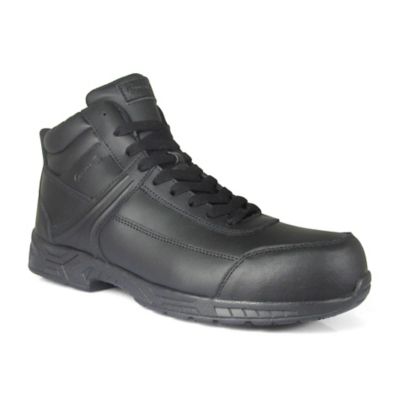
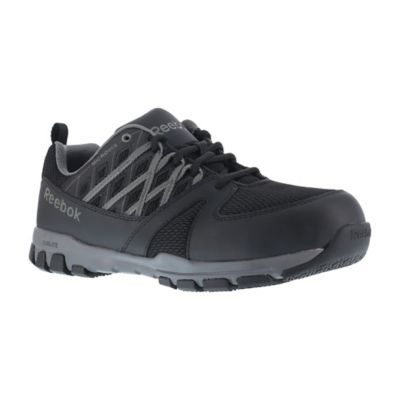
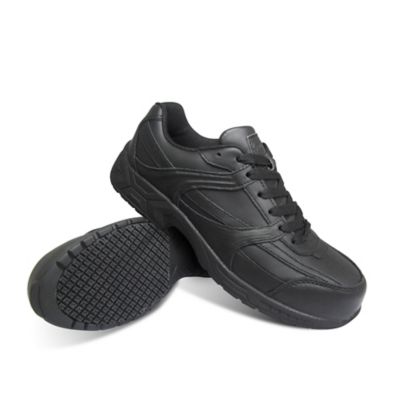
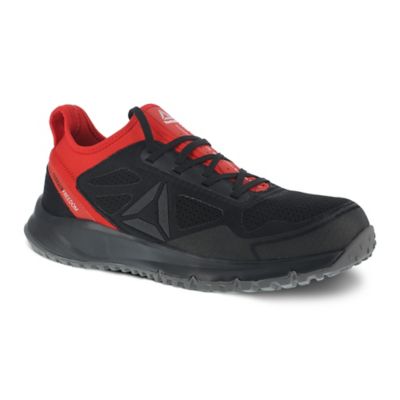
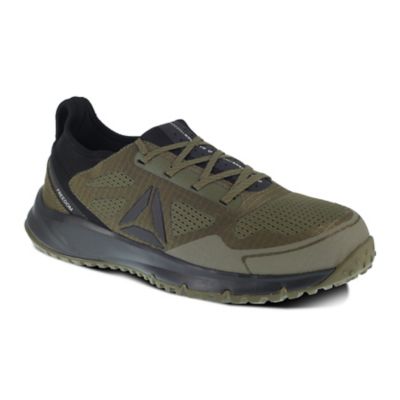
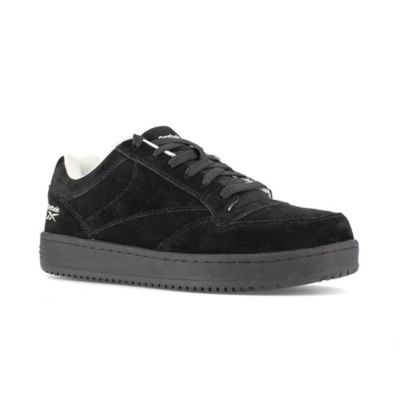
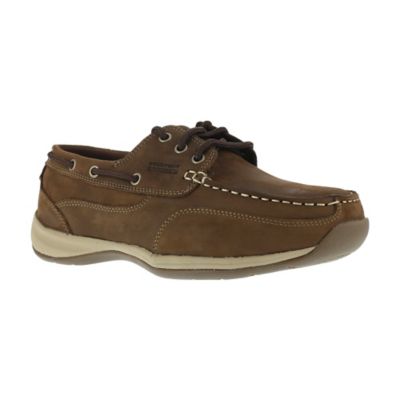
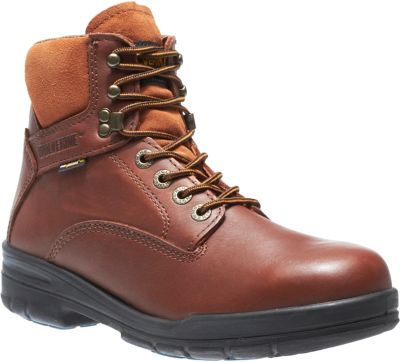
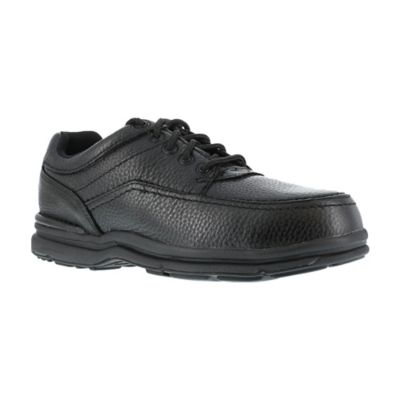
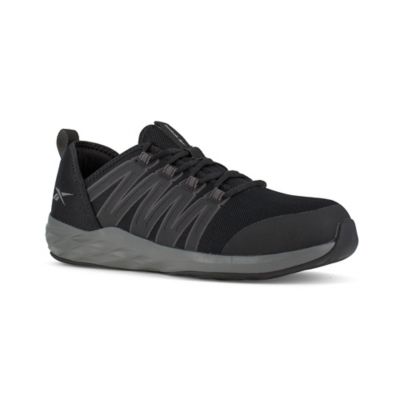
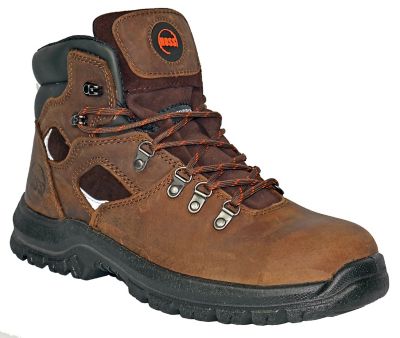
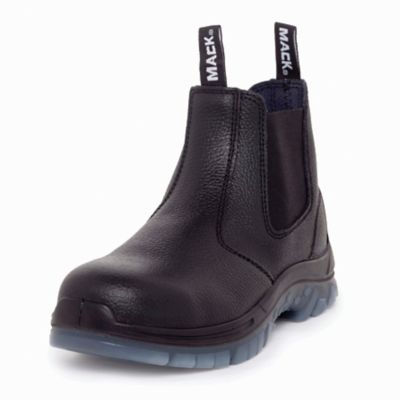
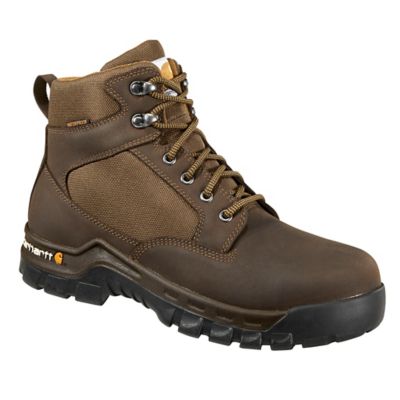
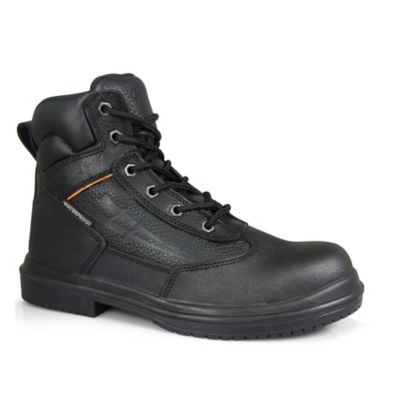
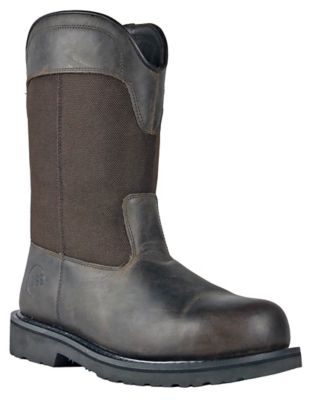
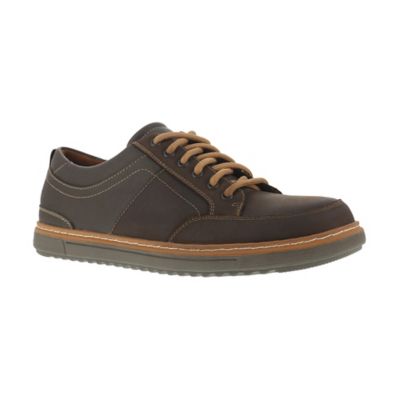
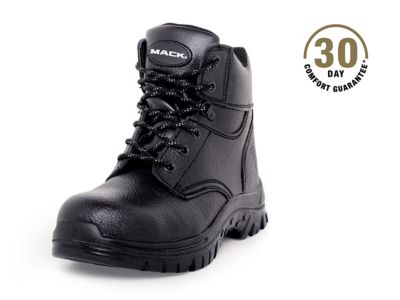
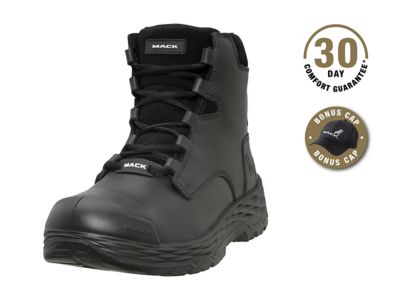
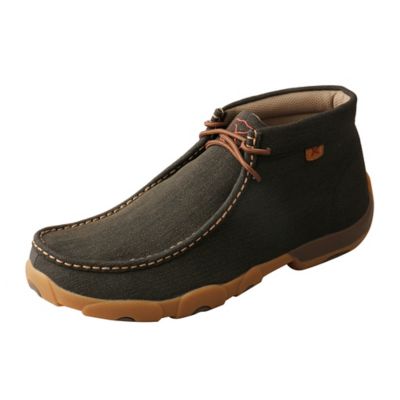
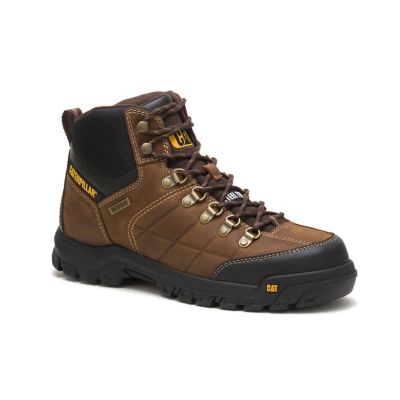
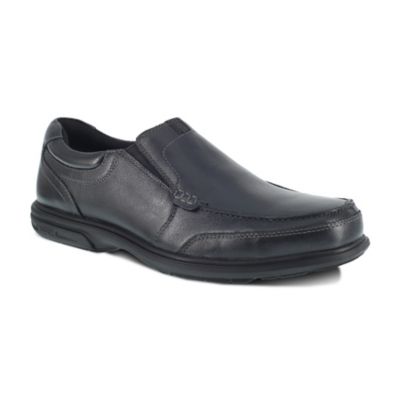
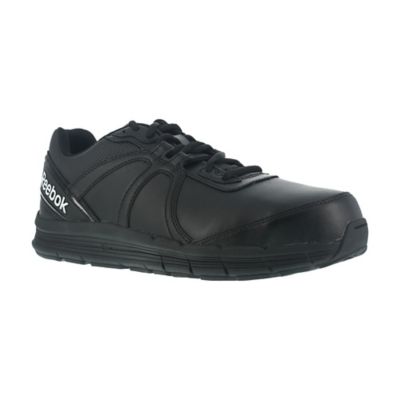
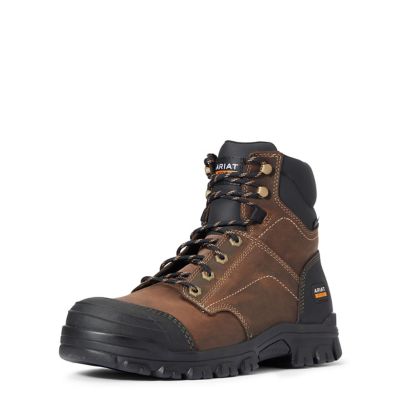
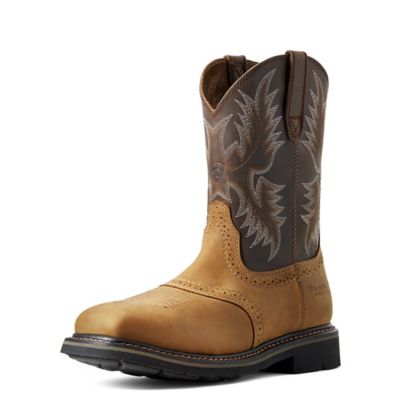
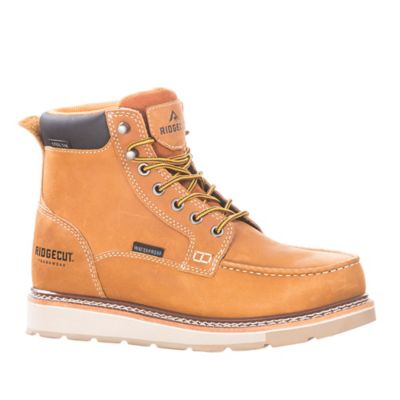
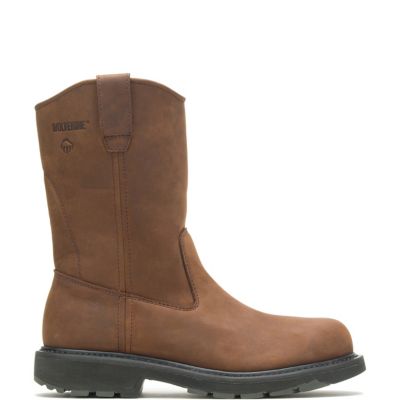
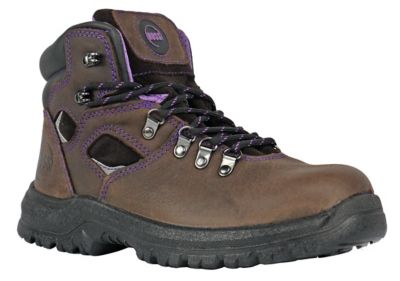
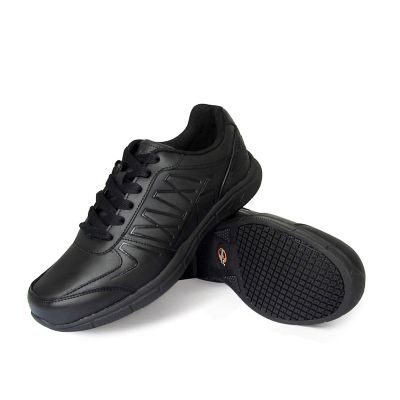
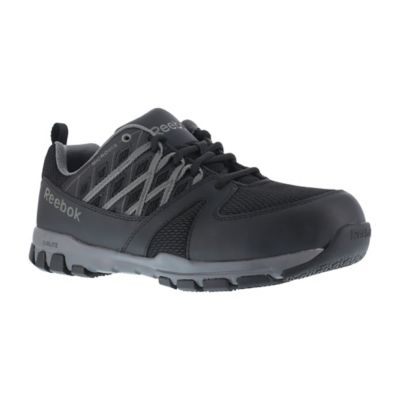
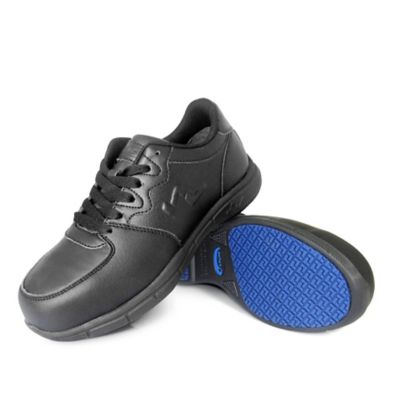
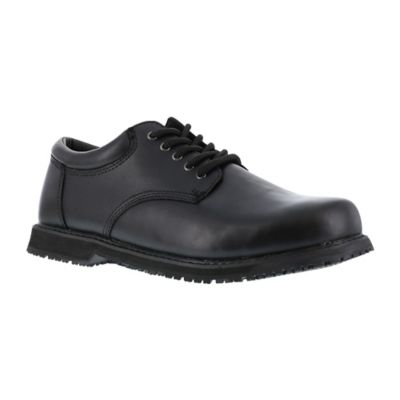
Men’s slip-resistant steel-toe shoes pair a steel toe cap that helps protect against impact and compression with an outsole designed to improve traction on wet, oily or slick surfaces. Those two features do different jobs. The toe cap matters when a loaded cart rolls too close or a part slips off the workbench. The outsole does its work farther back, when there’s a turn to make on smooth concrete with a thin film of oil on it. That combination makes sense for mechanics, warehouse crews, delivery workers and folks who spend part of the day in a farm shop or feed room. The surface underfoot matters as much as the work itself. A mechanic crossing a sealed service bay has different traction needs from someone moving between a wash area and a loading dock. Rubber compounds and tread patterns both affect how a sole grips. On some soles, channels help move liquid out from underfoot so more of the tread can make contact with the floor. An oil-resistant outsole is made to stand up to contact with oil, but that label alone doesn’t tell how well it grips an oily floor. And even a slip-resistant sole can lose its footing on a spill or a patch of loose grain. Where a job calls for specific footwear, check the markings against the site’s requirements. ASTM F2413 covers protective footwear requirements that include toe impact and compression; it doesn’t establish slip resistance. ASTM F3445 is a separate standard for slip resistance. For a workplace that calls for black footwear,
Mens Slip Resistant Black Shoes is another place to look, with the toe protection and traction ratings worth checking separately. A low-cut work shoe can also be a practical fit for shifts spent walking aisles, crouching at a bench or getting in and out of a cab, provided the job doesn’t call for the taller coverage of a boot.
A good fit starts with enough room at the front and a heel that stays put. The steel cap won’t stretch with wear, so a toe that brushes the end or presses against the side when standing is likely to feel even more crowded after a few hours on concrete. Try work shoes with the socks that normally go with them, and pay attention to both feet; it’s common for one to need a little more room than the other. Width can make a bigger difference than length when the ball of the foot feels pinched. Going up in length alone may leave the heel sliding without giving the toes the space they need. A short walk on a clean indoor floor says more than standing still does. Notice what happens when the foot rolls forward and when the shoe bends at the ball of the foot. The heel should stay seated without cranking the laces down so tight that they dig across the top. Materials change how a pair feels and how it handles daily work. Smooth leather is often easy to wipe after a shift around dust and grime, while textile panels can let more air through in work areas where splashes aren’t a regular part of the job. Stitching, the way the sole joins the upper and the amount of flex under the forefoot are all worth a look, especially for work that involves kneeling or squatting often. A cushioned footbed may feel good for long stretches at a packing table, while a firmer platform may feel steadier when pushing a loaded cart. The steel cap can add weight up front, so how the whole shoe feels in motion matters more than how light or heavy it seems in hand. If the shoes are a gift for someone starting a shop or warehouse job, knowing their usual size and width is a start. The new workplace’s footwear rules and the fit of their regular work socks are just as useful to know.
A pair that spends its days on a shop floor will pick up grit and residue, even if the uppers still look clean. Feed dust can pack into grooves, and a film tracked out of a service bay can stay on the sole long after the rest of the shoe has been wiped down. A soft brush can lift loose material from the tread; for oily residue, follow the maker’s cleaning instructions so the cleaner doesn’t damage the sole or leave a slick film of its own. Leather, mesh and coated uppers don’t all call for the same care. Wiping the surface and letting the shoes air out is generally a better bet than soaking them or setting them next to a heater. If the footbeds are designed to come out, lifting them out after a shift can help the inside air out. A quick look at the bottoms while cleaning can also show where a pair is wearing down. Someone who pivots in the same spot at a workbench may wear the tread smooth under the ball of one foot first. On a warehouse route, the outside edge of the heel might go before the rest of the sole. Those patches are easy to miss when looking at the shoe from above, and they matter more for grip than a scuff across the toe. Deep splits, a sole pulling away from the upper or a toe cap that shifts are reasons to replace the pair. After a hard impact to the toe, don’t count on an unmarked upper as proof the protection is intact. The right pair for a given job comes down to the hazards underfoot, what might land on the toes and how the shoes fit through a full shift, from the first trip across the shop to the last load put away.