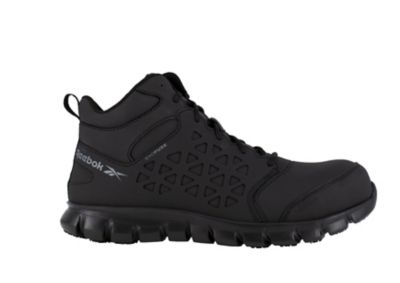
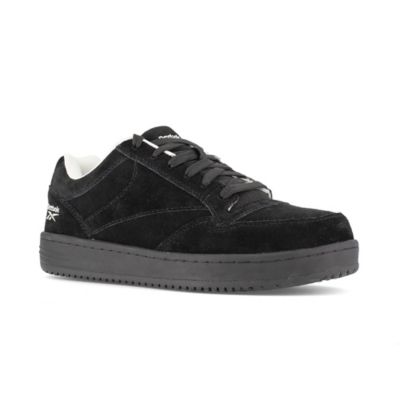
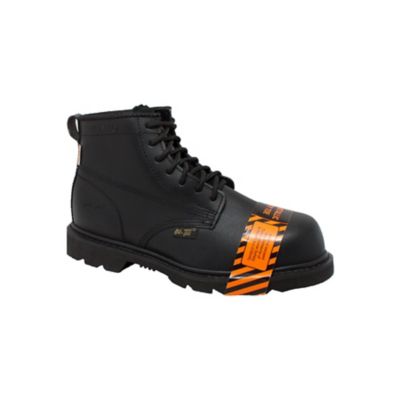
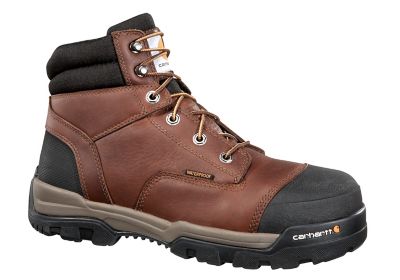
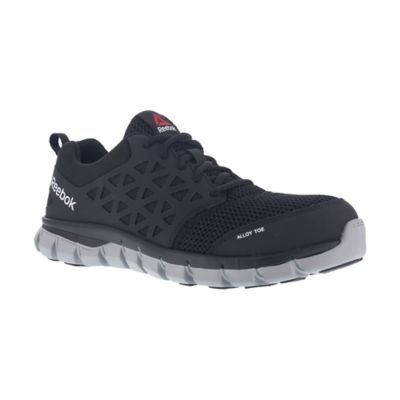
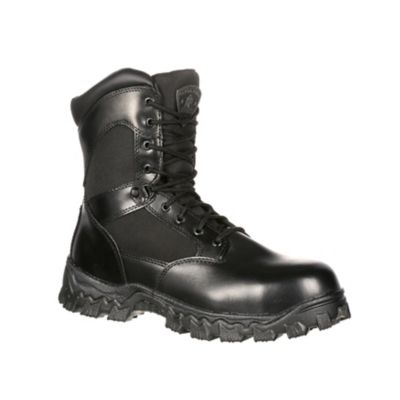
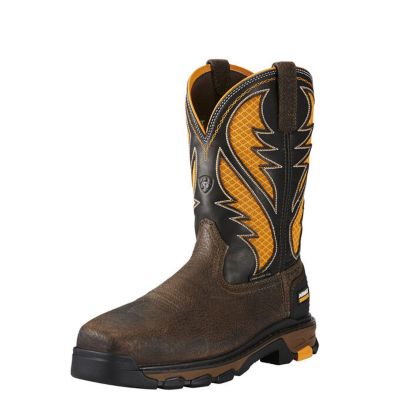
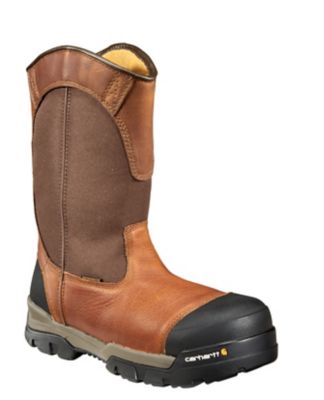
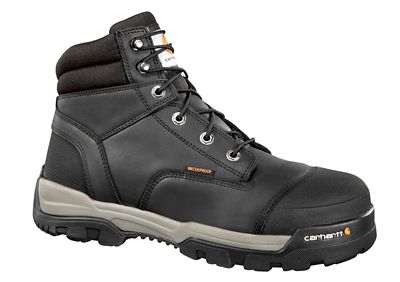
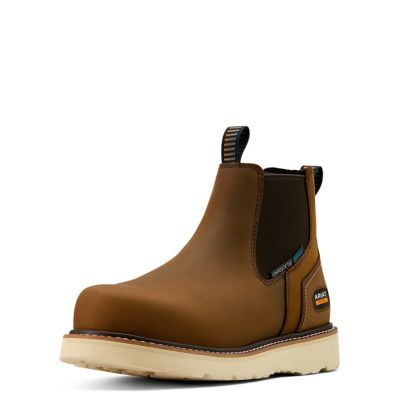
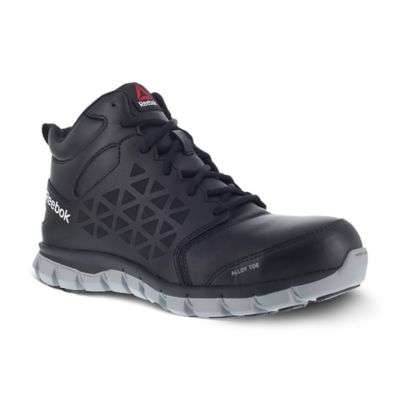
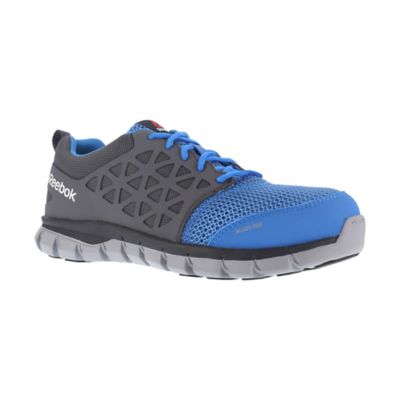
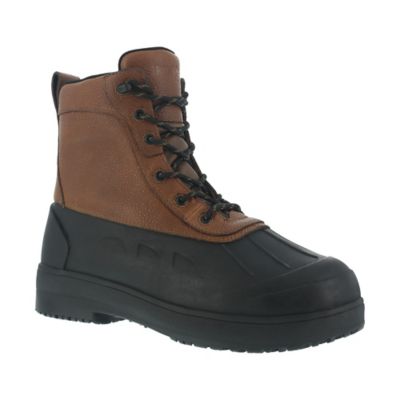
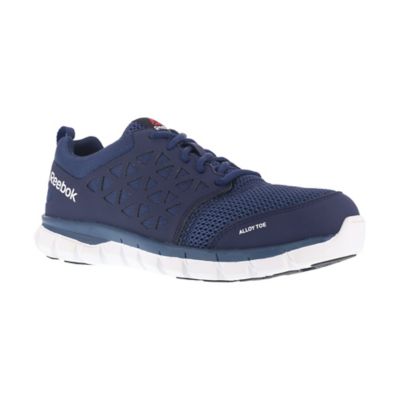
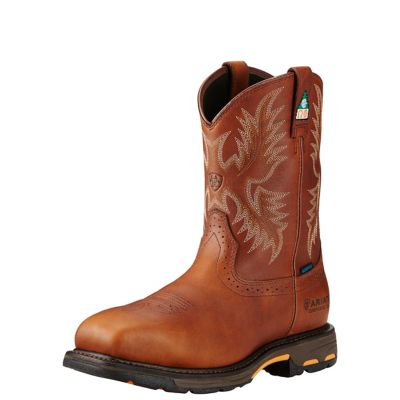
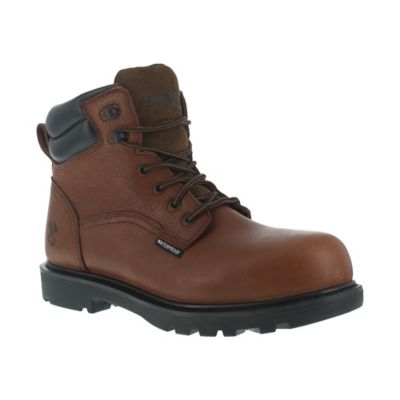
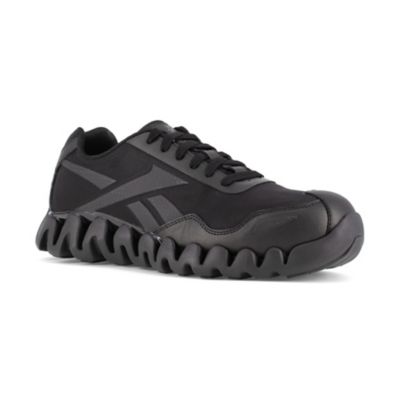
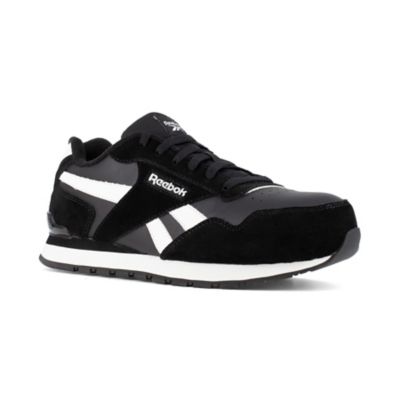
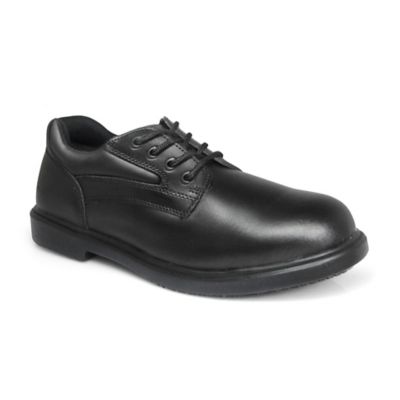
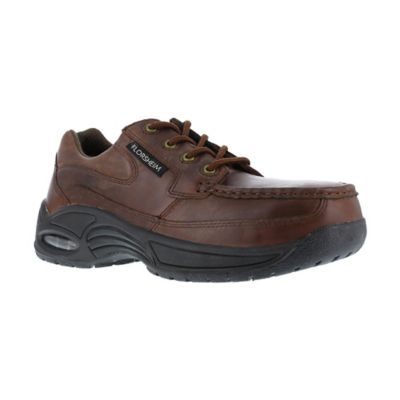
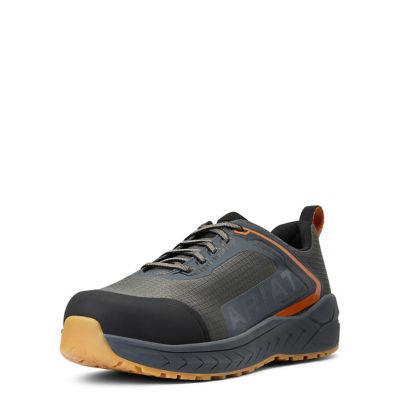
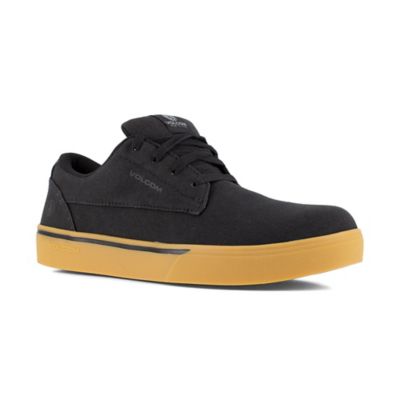
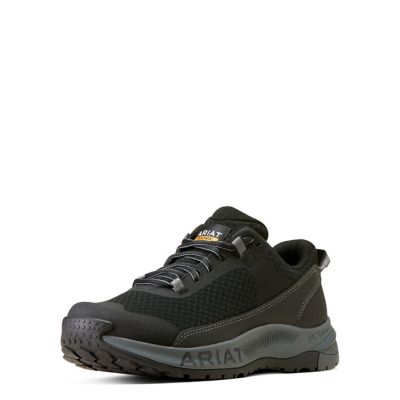
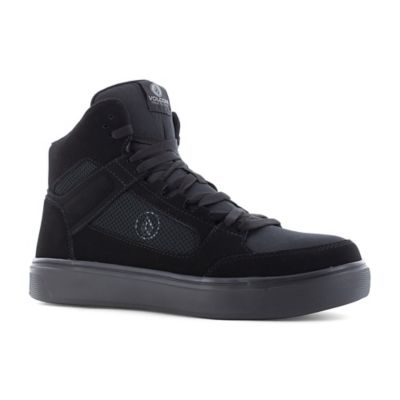
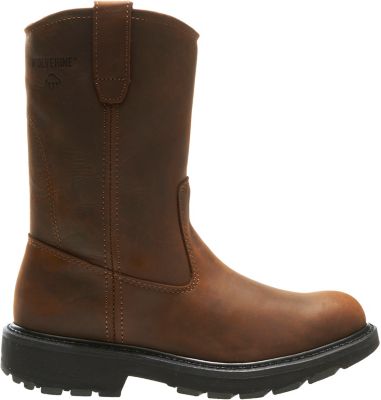
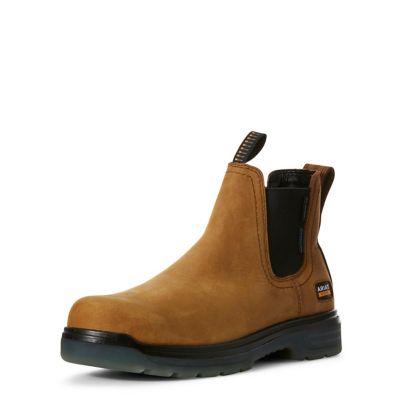
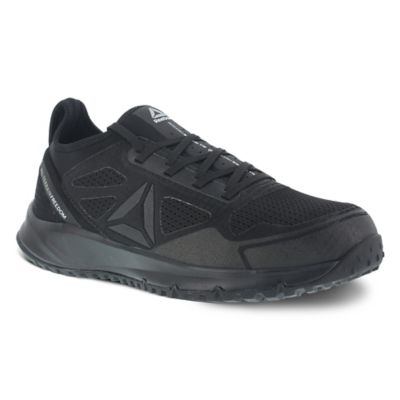
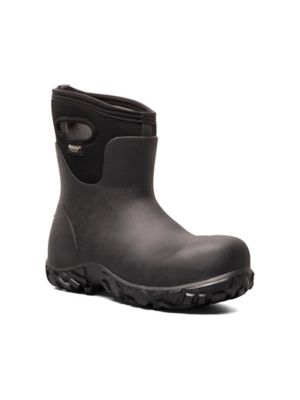
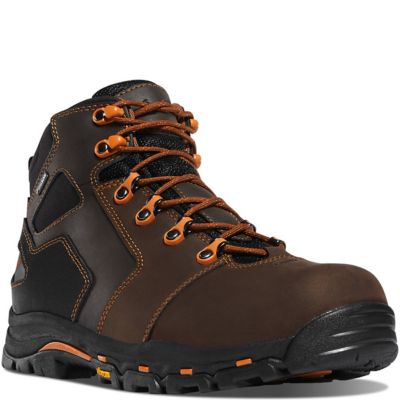
Slip resistant composite toe shoes bring together two practical features for people who spend long hours on their feet: a protective toe cap and a grippy outsole made for slick walking surfaces. The composite toe is typically made from materials such as carbon fiber, fiberglass, or reinforced plastic rather than steel. That metal-free construction can feel lighter through a full shift, which is helpful when walking across a warehouse, climbing in and out of equipment, stocking shelves, or moving around a busy farm. Composite materials also do not conduct cold and heat the same way metal can, making them a comfortable choice during cooler months, in refrigerated areas, or around warm work settings. Many styles have the look and feel of an athletic shoe, with cushioned midsoles, flexible uppers, and room to move, while still offering safety features suited to demanding work. Look for footwear marked with an ASTM safety rating when impact and compression protection are required on the job, and check your workplace rules before choosing a pair. Safety footwear requirements can vary from one shop, plant, ranch, restaurant, or construction site to the next. A composite toe may also be useful in workplaces where employees pass through metal detectors, though shoes can contain other metal parts such as eyelets, shanks, or hardware, so a fully metal-free design should be confirmed if that feature matters. For a quick way to compare comfortable options built for long days, browse
Lightweight Slip Resistant Work Shoes alongside composite toe styles.
The outsole matters just as much as the toe cap when a workday includes wet floors, spilled feed, tracked-in mud, grease, sawdust, or smooth concrete. Slip resistant shoes generally use rubber or rubber-like compounds with tread patterns designed to help maintain contact with the ground, but no outsole can remove every hazard. A tread that works well on a restaurant floor may feel different on loose gravel, packed dirt, or muddy ground, so consider the surfaces you cross most often. Check product details for slip-resistance testing or workplace-specific ratings, and look closely at the tread depth and pattern. Wider channels can help move water away from the contact area, while a flatter sole may be easier to clean after a day in the barn or shop. Good fit is another part of staying steady. Measure both feet, pay attention to width, and leave enough room for your toes to move without letting your heel slide. Try shoes on with the socks you normally wear for work, preferably later in the day when feet have naturally spread a bit. A snug heel, supportive arch, and cushioned insole can make a long shift feel easier, especially when the job involves standing at a counter, walking concrete aisles, loading supplies, or working on uneven ground. Low-profile athletic designs suit people who want an easy-moving shoe, while higher collars may provide a more secure feel around the ankle. Slip-on and lace-up options each have their place; laces allow a more personalized fit, while slip-on styles can be handy for quick changes between the truck, house, shop, and yard.
These shoes can be a smart pick for warehouse workers, delivery drivers, mechanics, landscapers, farmers, ranch hands, maintenance crews, kitchen staff, retail employees, and anyone whose workday mixes hard floors with unpredictable footing. They also make a practical gift for someone starting a new job, heading into trade school, joining a farm crew, or replacing worn-out work footwear before the weather turns cooler. Before buying, compare the listed safety features with the actual demands of the job. Composite toe protection helps shield the front of the foot from falling or rolling objects, but it is not a substitute for metatarsal protection, puncture resistance, electrical hazard protection, waterproofing, or heat resistance unless those features are specifically listed. Check whether the shoe is water resistant or waterproof, since those terms mean different things, and remember that a breathable mesh upper may be more comfortable in warm conditions but less suited to standing in steady rain. Keep the shoes in good shape by brushing away dirt, wiping off spills, allowing them to dry naturally, and avoiding direct heat that can damage adhesives or harden materials. Inspect the tread, toe area, seams, and cushioning regularly. If the outsole is smooth, the upper is separating, or the shoe no longer fits securely, it is time to replace it even if the rest still looks usable. With the right fit and features, slip resistant composite toe shoes can offer a lighter, more flexible feel without giving up the everyday protection and traction needed for work around the farm, shop, warehouse, or jobsite.