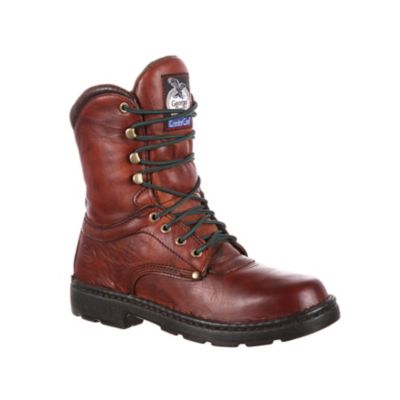
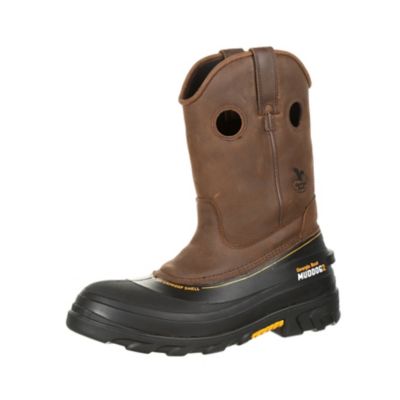
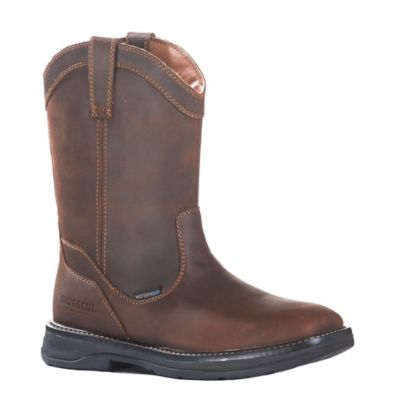
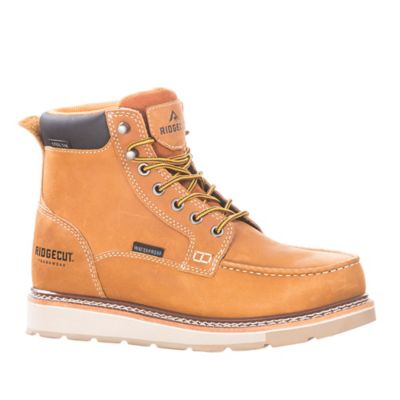
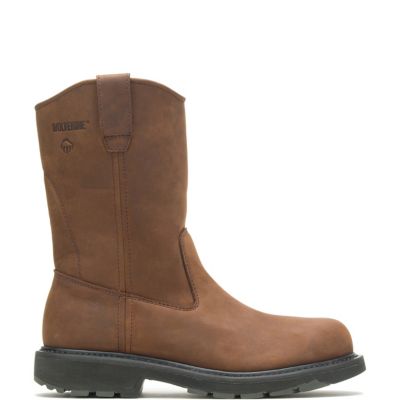
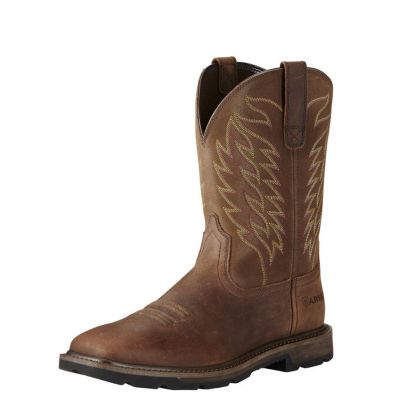
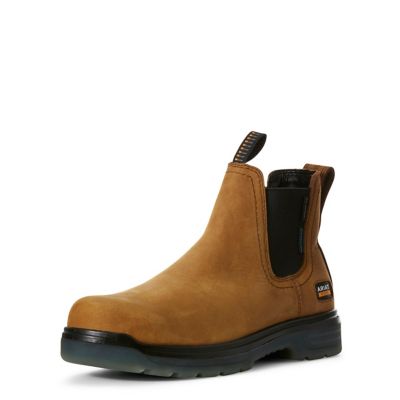
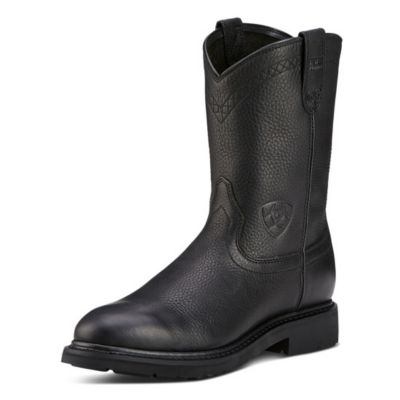
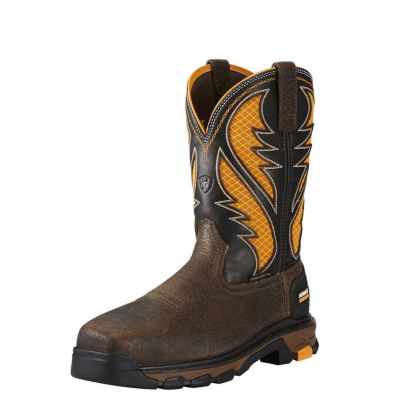
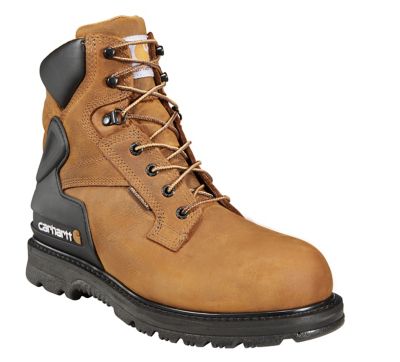
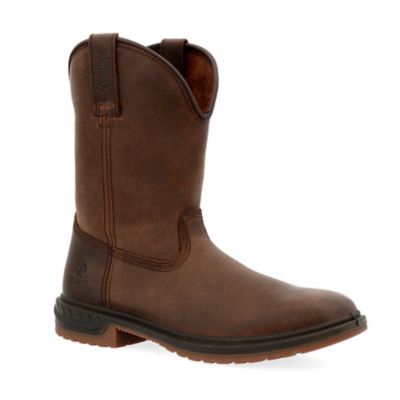
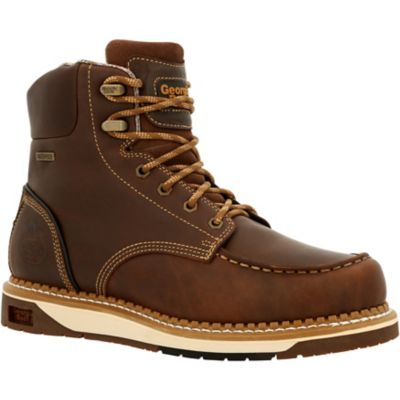
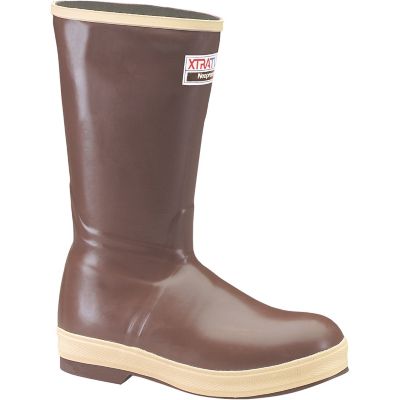
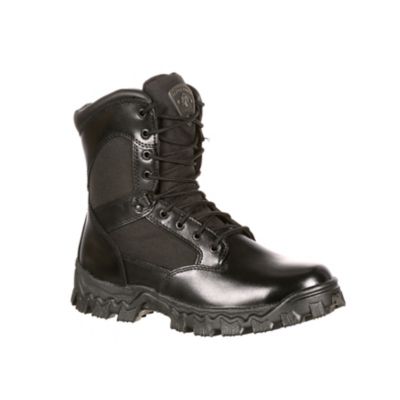
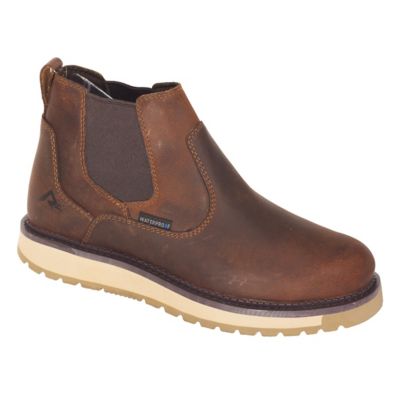
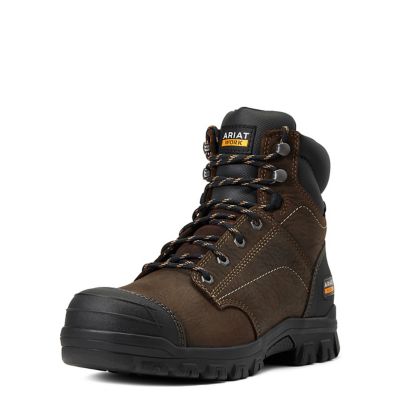
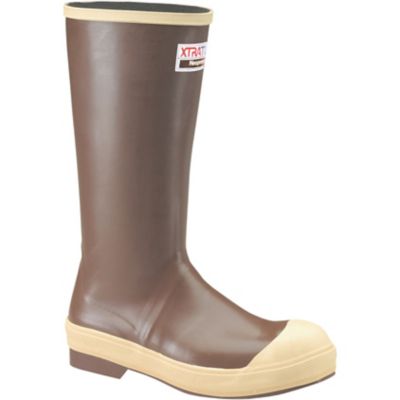
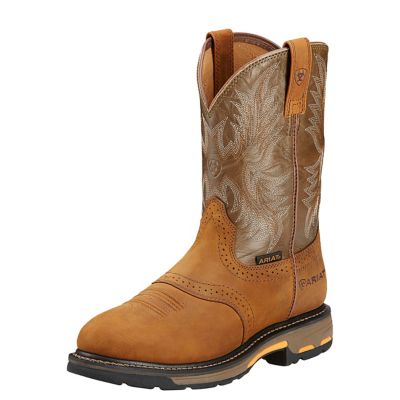
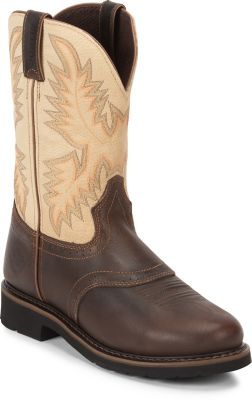
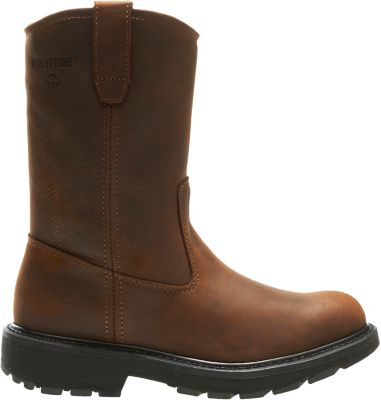
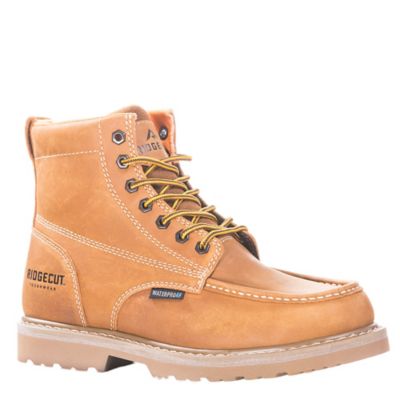
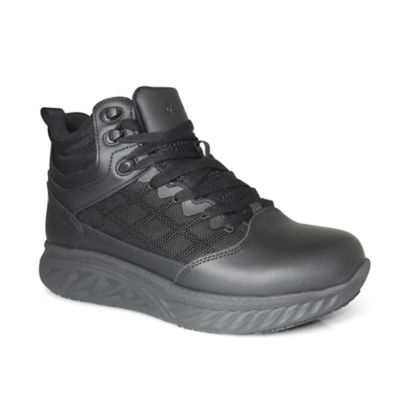
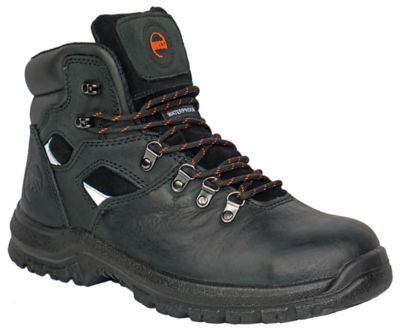
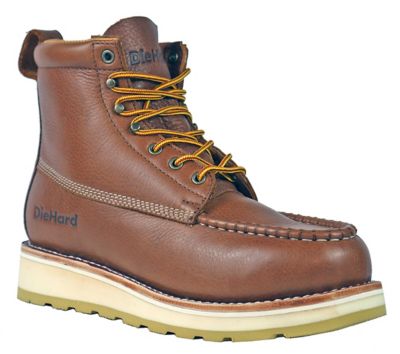
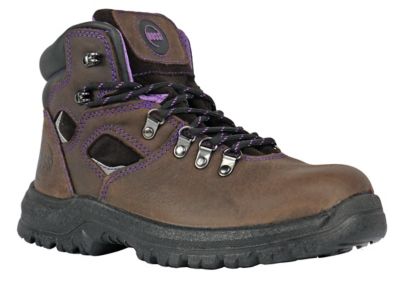
Slip resistant boots for work bring together traction, support and coverage for jobs that keep feet moving from the first task to the last cleanup. A shift might mean walking across a shop floor, carrying feed through a barn aisle, stepping down from equipment or working around a sink where splashes are part of the day. Different surfaces call for different outsole features, and a deep tread alone does not tell the whole story. Rubber compounds, tread patterns and channels that move liquid away from the contact area all play a part in how a sole grips. Some designs suit smooth indoor flooring, while others have more pronounced lugs for loose dirt and uneven ground. Those deeper spaces can also collect bedding, gravel and packed debris, so the best match depends on where the work happens. Slip resistance helps reduce the chance of a fall, but no boot can prevent slipping on every surface. Oil resistance is a separate feature, too; a sole that resists damage from oil is not automatically suited to walking through greasy spots. Leather uppers offer a familiar feel and can soften with wear, while synthetic panels can reduce weight and help moisture escape. Rubber footwear suits chores involving frequent splashes or washdowns, provided its traction and protection features match the job. Seams, reinforced toes and the connection between the upper and outsole matter when boots spend the day brushing against pallets, stall fronts and equipment steps. A stitched construction may allow certain repairs, depending on the boot, while other constructions emphasize flexibility or fewer seams. The right combination is less about how rugged a boot looks and more about the work underfoot, the substances it encounters and the amount of bending, lifting and walking a day brings. For farmhands, warehouse crews, maintenance workers and food-service staff, that practical match makes a difference long before quitting time.
Fit matters just as much as tread when a job calls for hours on concrete or repeated trips between work areas. Work boots should hold the heel securely without squeezing the forefoot, with enough room for toes to move and no pressure from seams or a protective toe cap. Feet can change slightly over the course of a workday, so trying footwear on later in the day with the socks intended for work can give a better sense of the fit. Both feet deserve attention, since one may be longer or wider than the other. Lace-up styles let the fit adjust across the instep and around the ankle, which can help when switching between standing at a bench and walking a property. Pull-on styles keep the routine simple when moving between chores, though the heel and instep still need a secure fit. A taller shaft adds coverage, while a lower profile may feel less restrictive during frequent kneeling and crouching. Cushioning can soften the feel of hard flooring, but an overly loose fit cannot be fixed just by adding a thicker footbed. If a removable insole will be replaced with an orthotic, the boot needs enough interior space to accommodate it without crowding the toes. Weight and flexibility also affect how footwear feels after a full shift; more substantial construction may suit demanding tasks, while a lighter build can feel easier during steady walking. Protective features deserve their own look rather than being assumed from the appearance of a work boot. Safety toes, puncture-resistant components and electrical hazard protection address different workplace concerns, and not every slip resistant style includes them. Employer requirements and the manufacturer’s stated ratings help narrow the choice. Waterproof construction is another separate consideration for wash areas and wet chores. Breathable linings and moisture-managing socks can help with perspiration, but they do not replace the right protection for the work being done. A good fit should feel steady from the start, without counting on a painful pressure point to disappear.
Day-to-day care helps work boots keep their shape and makes it easier to spot wear before it becomes a problem on the job. Mud pressed into tread channels, a pebble wedged beneath the heel or grease spread across the sole can interfere with traction, even when the outsole still looks substantial. Regular cleaning keeps those contact surfaces clear and gives a chance to check for rounded tread edges, cracks, loose stitching and separation where the sole meets the upper. Cleaning methods should follow the material: a soft brush and an appropriate cleaner suit many leather uppers, while rubber and synthetic surfaces may call for a different approach. Leather conditioner can help prevent certain leathers from drying out, but treatments need to match the finish and the manufacturer’s directions. Too much treatment, or the wrong cleaner, can change the material rather than help it. After a washdown or a spill, opening the boots and removing removable insoles allows trapped moisture to escape. Direct heat can damage leather, adhesives and other components, so drying instructions matter. Keeping boots in a ventilated spot instead of leaving them in a closed bag also gives the inside a chance to air out. Appearance has a practical side as well.
Black slip resistant boots fit workplaces that call for dark footwear and pair easily with work pants or jeans, though color says nothing about traction or safety ratings. Scuffs may be part of an ordinary workday, but a worn-smooth outsole or a heel that no longer sits level deserves more attention than a mark on the toe. Replacement timing depends on the surfaces, workload and care routine rather than a fixed number of months. Boots that once felt steady can lose grip as the tread wears down, and compressed cushioning can change how a long shift feels. With the right fit, job-matched features and regular attention, slip resistant work boots can support the everyday routine, from opening a shop door to putting the last tool away.