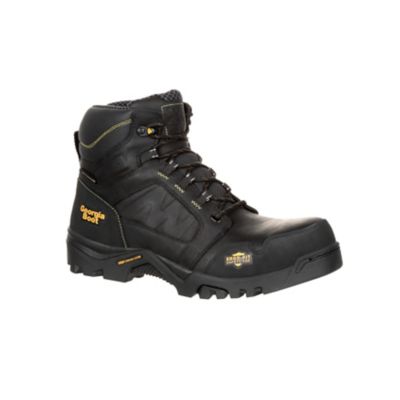
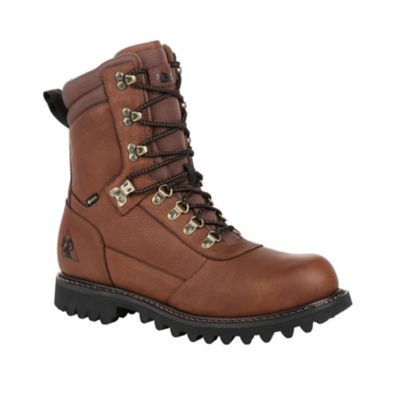
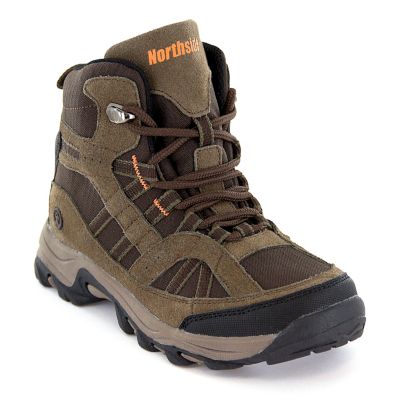
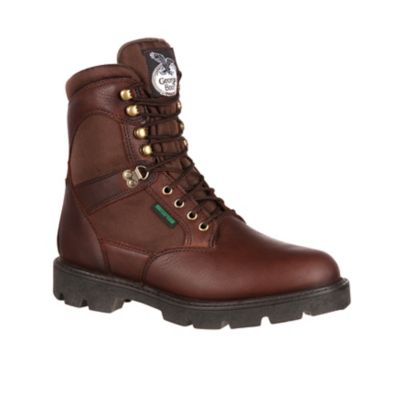
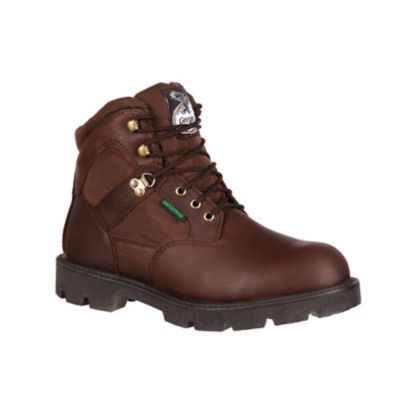
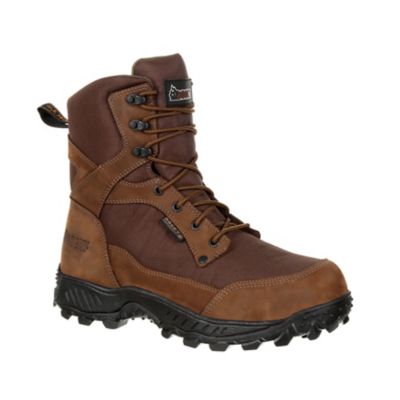
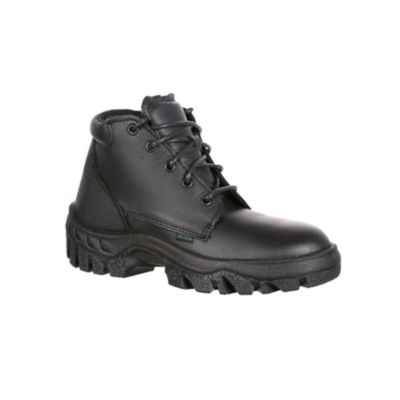
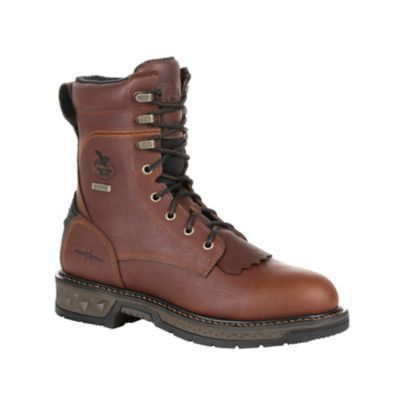
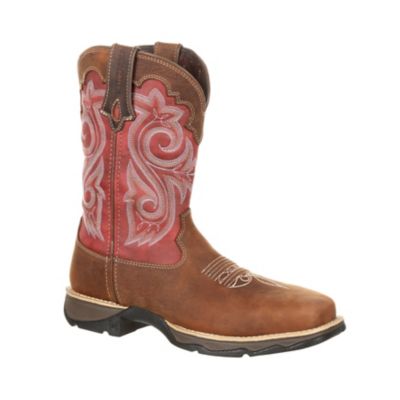
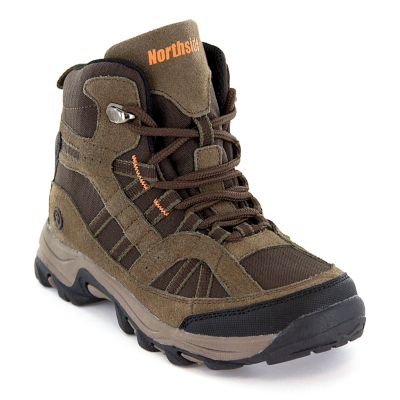
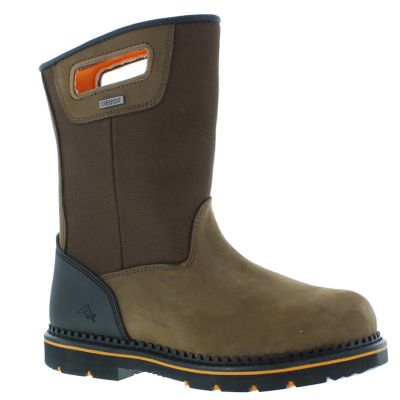
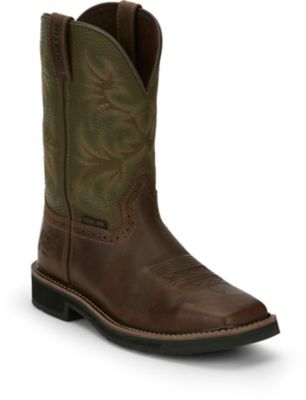
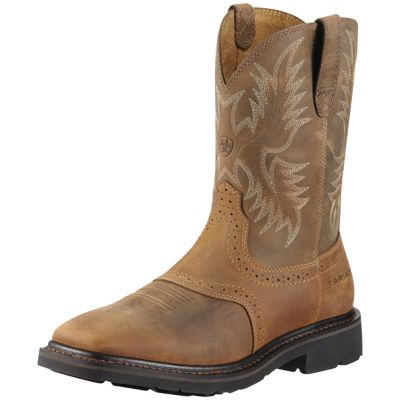
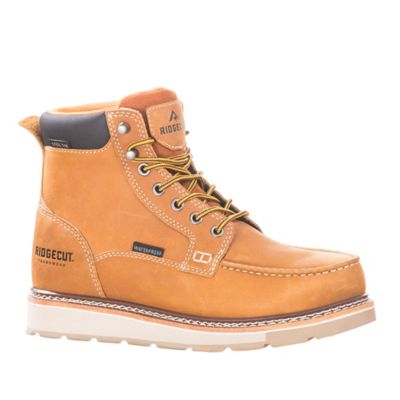
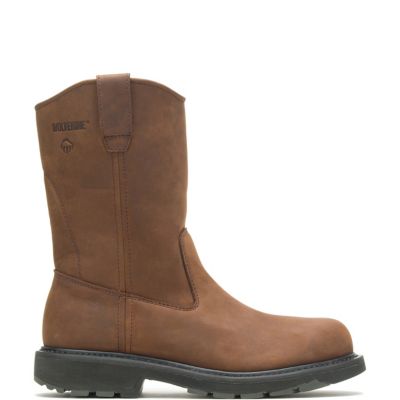
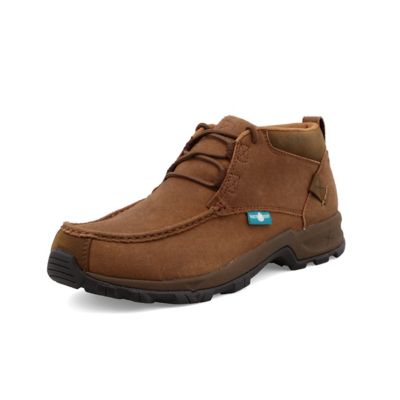
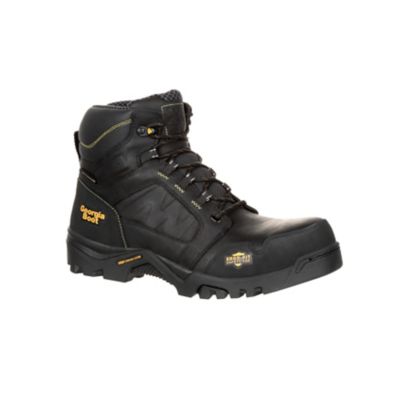
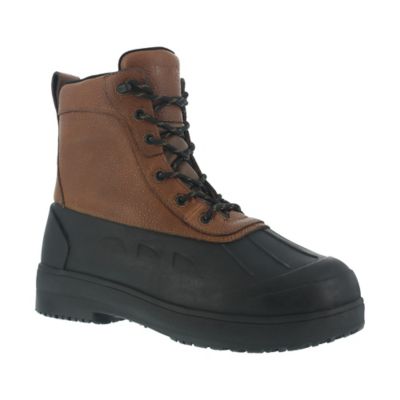
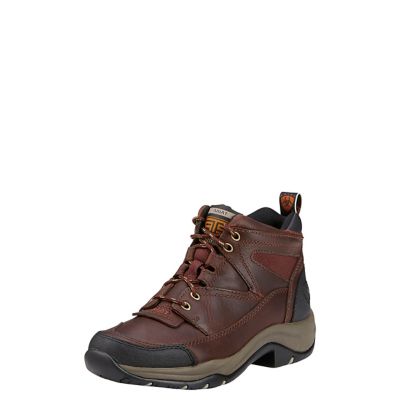
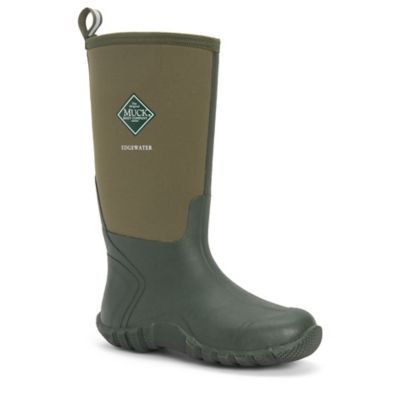
Slip resistant hiking boots are made for people who spend time on ground that does not always play nice—wet leaves, loose gravel, muddy paths, slick roots, uneven pasture, and bare rock. A dependable pair can make a long walk to a hunting stand, a morning check of fence lines, or a weekend trail outing feel steadier and more comfortable. The key feature to look for is a high-traction rubber outsole with a tread pattern designed to grip the kinds of surfaces you expect to cross. Deep, widely spaced lugs can bite into soft dirt, mud, and wet soil while helping shed buildup as you walk. A tighter tread pattern may feel more controlled on packed trails, hard ground, and smooth rock. Some outsoles also include flatter rubber areas near the toe that help with “smearing,” or pressing the foot against bare rock to gain friction while scrambling. Compound rubber matters, too, since a quality traction rubber can stay grippy across changing outdoor conditions instead of feeling hard and slick underfoot. Slip resistant does not mean slip-proof, and even the best tread needs sensible footing, but the right outsole can add confidence when the trail turns damp or rough.
Fit is just as important as the tread. Hiking boots should hold the heel securely without pinching, while leaving enough room for the toes to spread and move naturally. A little extra room can be helpful for thicker socks during the cooler months, but too much space may let the foot slide inside the boot and create hot spots on hills. Try boots on with the socks you plan to wear, and pay attention to pressure across the top of the foot, rubbing around the ankle, or toes touching the front when walking downhill. Supportive midsoles can help soften the feel of rocky ground, while a firm heel counter and structured upper can provide useful stability when carrying a pack or stepping across uneven terrain. Look for ankle coverage that matches the job: lower-cut styles offer an easier stride for maintained trails, while mid-height boots can help keep out mud, brush, and small stones. Waterproof or water-resistant construction is worth considering for dewy grass, shallow puddles, and rainy trail days. Waterproof membranes and sealed seams can help keep feet dry, though they may feel warmer than more breathable materials. If wet conditions are part of the regular routine, browse options such as
Mens Waterproof Slip Resistant Boots for added coverage. Keep in mind that waterproof boots still need time to dry after a full day in the rain, and moisture can enter over the collar if water rises above the boot.
These boots fit a wide range of outdoor routines. Hikers can use them on wooded paths and rocky overlooks, while hunters may appreciate traction when moving quietly over damp leaves, steep ground, and soft forest soil. They can also suit anglers walking along muddy banks, landowners tending acreage, and workers who spend part of the day moving between gravel drives, fields, and rough ground. For anyone who regularly walks dogs on open trails or checks animals in a back pasture, a sturdy hiking boot can be a practical choice for everyday outdoor wear. When selecting a pair, think about the surface you will meet most often rather than choosing based on appearance alone. Mud calls for pronounced, self-cleaning lugs. Smooth, wet rock calls for a sticky rubber compound and a tread that keeps plenty of outsole in contact with the surface. Packed dirt and mixed trails may call for balanced lugs that offer traction without feeling clumsy on hard ground. Snow and ice require extra care, since ordinary hiking boot tread is not a substitute for purpose-built traction aids, careful pacing, and awareness of changing conditions. It is also helpful to consider weight, break-in time, insulation, and how easy the boots are to clean. A lighter boot may be comfortable for long miles, while a more rugged construction can stand up better to brush, frequent use, and heavier loads. A removable insole, cushioned collar, and moisture-wicking lining can make a noticeable difference after several hours outside.
Slip resistant hiking boots can make a thoughtful gift for someone who enjoys camping, hiking, hunting, fishing, trail riding, or working around a rural property. They are especially useful for a person who has been putting off replacing worn-out boots or preparing for more time outdoors during the cooler months. For a gift, sizing is worth checking carefully, along with preferred boot height, insulation level, and whether the recipient usually wears regular or wide footwear. A boot that looks rugged on the shelf still needs to fit the person who will wear it. Once selected, simple care can help preserve traction and comfort: brush away dried mud, rinse off grit when needed, remove the insoles to air out, and let the boots dry naturally away from direct heat. Avoid placing wet boots against a heater or near a hot stove, since excessive heat can damage adhesives, leather, and synthetic materials. Check the lugs from time to time for deep wear, and replace boots when the tread is smooth, the upper is separating, or the cushioning no longer feels supportive. With a secure fit, weather-ready construction, and an outsole suited to the terrain, the right pair can be a reliable part of a fall-to-winter outdoor kit, from early-morning chores to miles of trail under a gray sky.