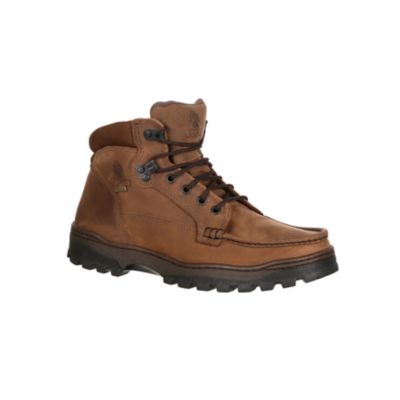
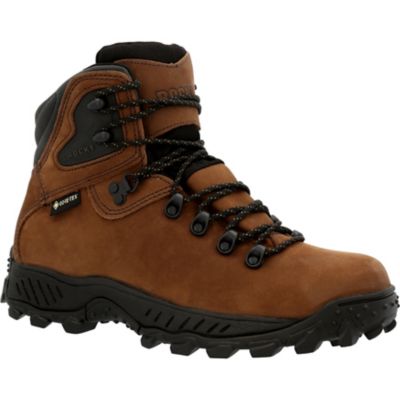
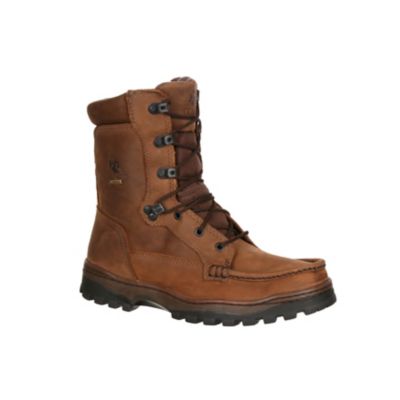
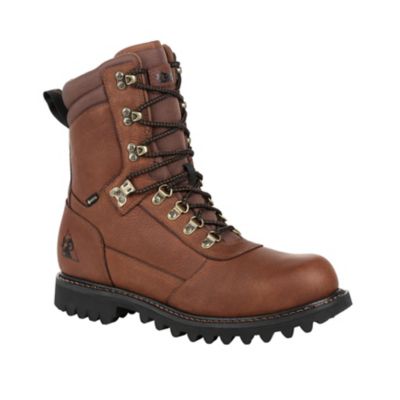
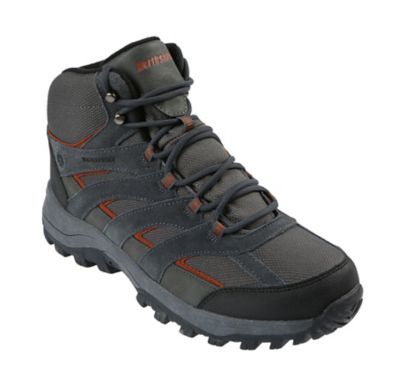
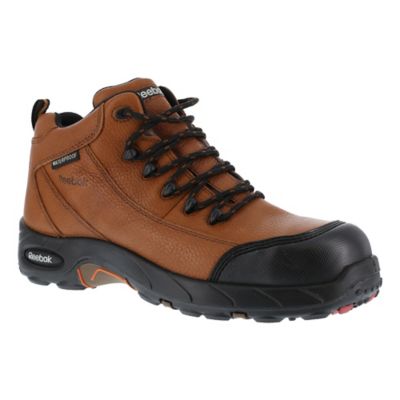
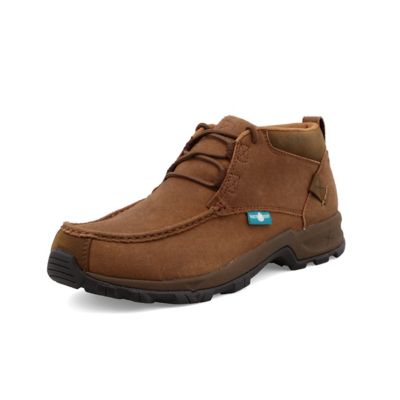
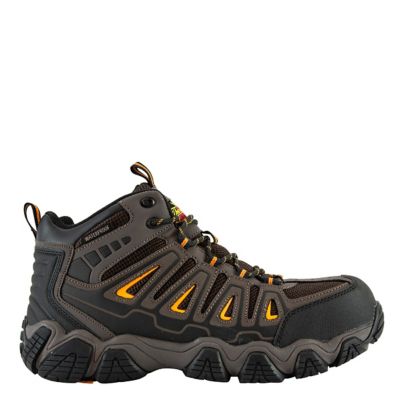
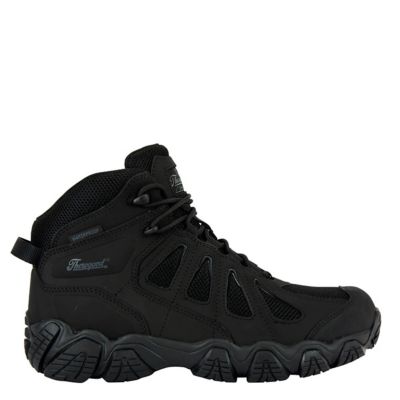
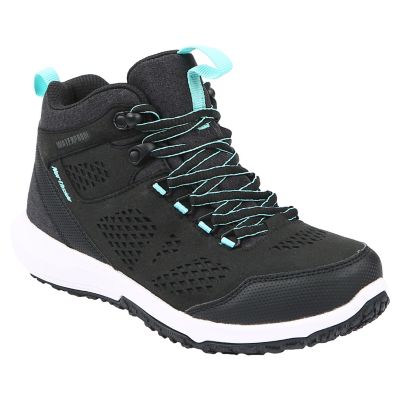
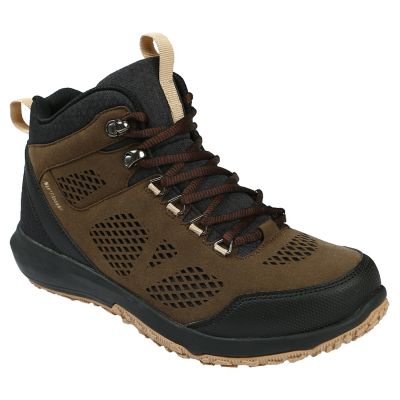
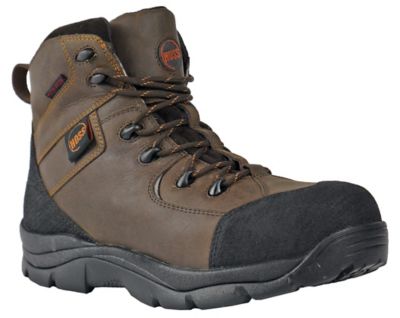
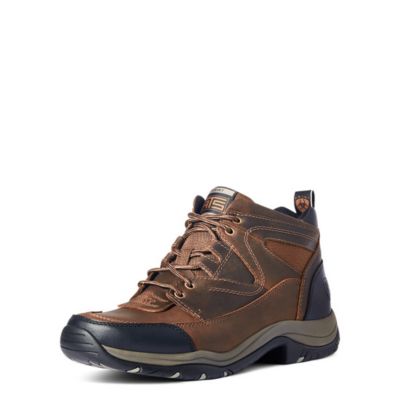
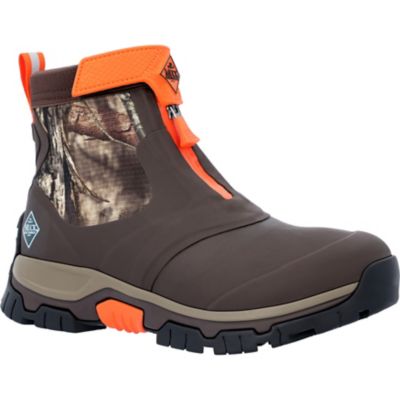
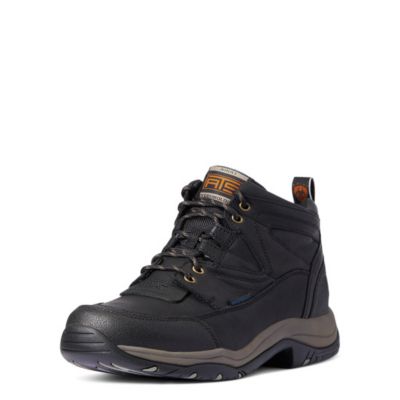
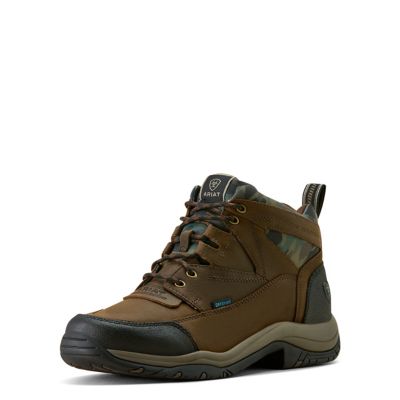
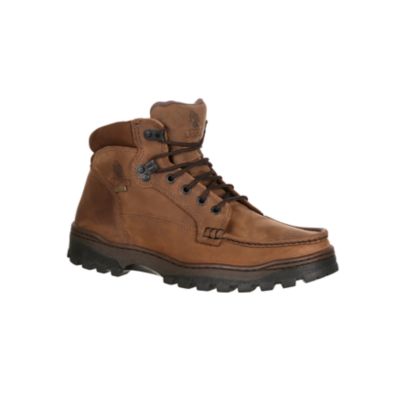
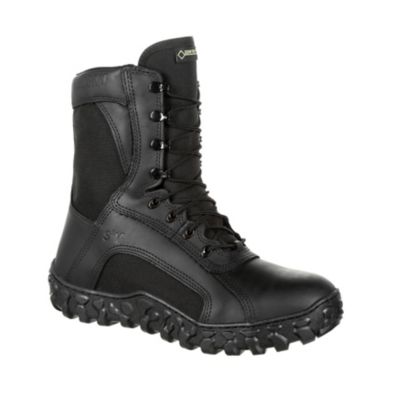
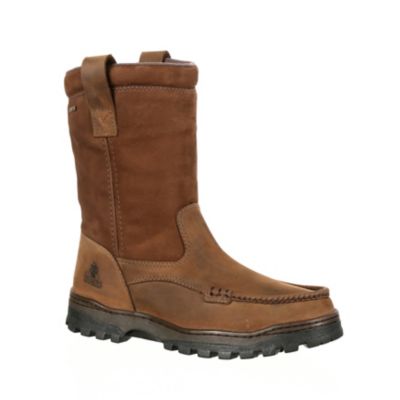
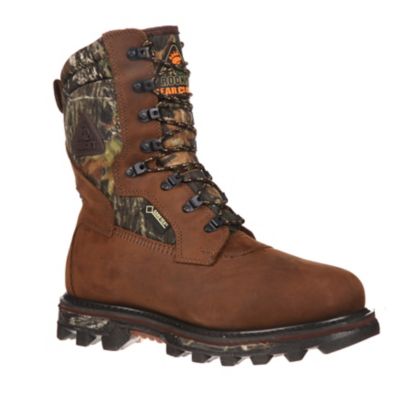
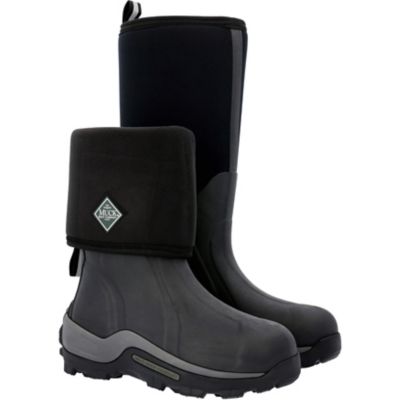
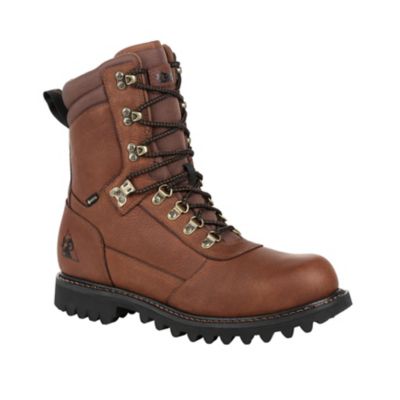
Gore-Tex hiking boots are built for people who spend time on the move when the trail is damp, the grass is heavy with dew, or the ground turns slick under a layer of fallen leaves. Their waterproof, breathable construction helps keep outside moisture from soaking in while allowing some heat and perspiration to escape, which can make a long walk more comfortable than wearing a fully sealed, nonbreathable boot. That balance is useful for weekend hikers, hunters, campers, dog walkers, landowners checking fence lines, and anyone who spends the cooler seasons working or traveling outdoors. A good pair can handle muddy paths, rocky hillsides, gravel lanes, and uneven ground around the farm or property. When comparing hiking boots, start with the fit. Your heel should stay planted without rubbing, while your toes need enough room to move and spread naturally, especially on downhill sections. Try them on with the socks you expect to wear, and leave a little space at the front so your toes do not bump the boot on steep descents. Thick socks may be comfortable in cold weather, but a boot that fits perfectly with thin socks can feel too tight once heavier socks are added. Pay attention to the tongue, collar, and lacing system as well; these details help hold the foot securely and keep debris from working its way inside. Waterproof boots are especially handy during early fall rains and the cooler months, but they still need to feel flexible enough for ordinary walking. A stiff sole can offer welcome support on rough ground, while a lighter boot may be easier for daily chores, travel, and shorter trails. Look for dependable traction suited to the places you visit, whether that means packed dirt, wet rock, loose gravel, or soft ground around a pasture. Deep lugs can help shed mud, though a less aggressive tread may feel smoother on pavement and hard-packed paths.
The right hiking boots are also a practical gift for someone who enjoys camping, birding, fishing, trail riding, or exploring public land with a four-legged companion. They make a thoughtful choice for a new hiker building a kit, a college student walking between camp and class, or a family member who is always outside no matter what the forecast brings. For longer outings, consider how much support and cushioning the wearer prefers, along with the boot's weight. A few extra ounces may not seem important at first, but they can become noticeable after several miles. People carrying a pack often appreciate a supportive midsole and a steady heel, while casual walkers may favor a lighter design that slips on easily for a morning loop. Break in new boots gradually before taking them deep into the backcountry. Wear them around the house, on errands, or during short walks, and check for hot spots around the heel, ankle, and ball of the foot. A small rub can become a painful blister once miles, moisture, and uneven terrain are involved. Keeping feet dry also depends on more than the boot itself. Choose moisture-managing socks, avoid folding pants or gaiters in a way that channels rain inside, and let boots air out fully between uses. Remove loose dirt with a soft brush, follow the care directions for the waterproof materials, and never place wet boots directly beside a woodstove or strong heater, where excessive heat can damage adhesives and leather. For trips that cover many miles or include a loaded pack, shoppers may also want to compare
Long Distance Hiking Boots for added comfort and support over extended walks. Whether the destination is a wooded trail, a deer stand, a muddy field entrance, or a back road lined with frosted weeds, waterproof hiking boots help make changing ground and unsettled weather easier to manage. A well-fitting pair gives the wearer confidence to step through puddles, climb over roots, and keep going when the trail is less than perfect.