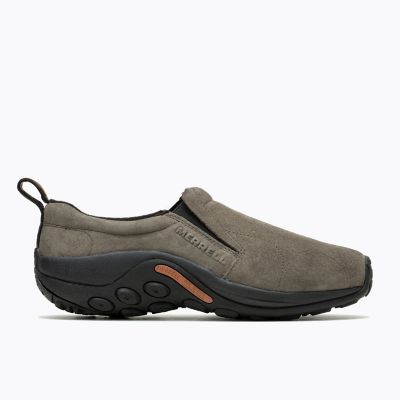
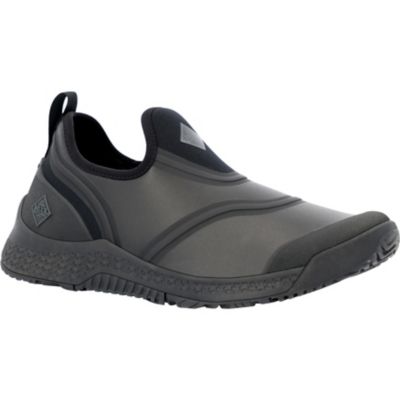
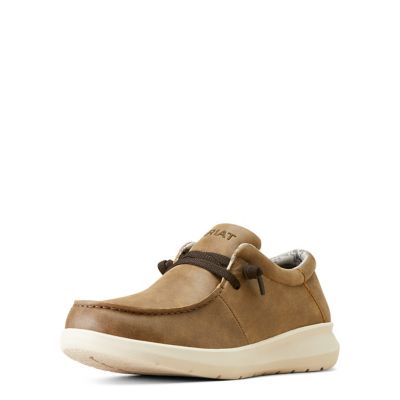
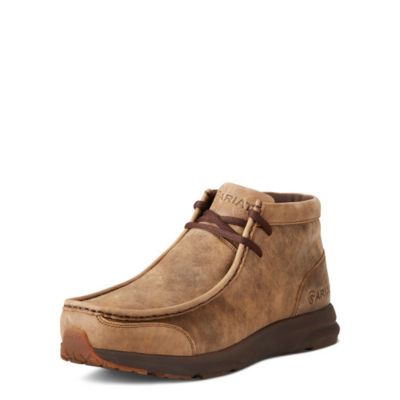
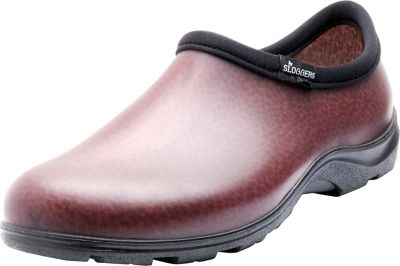
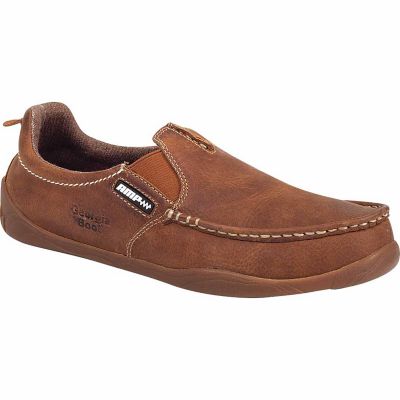
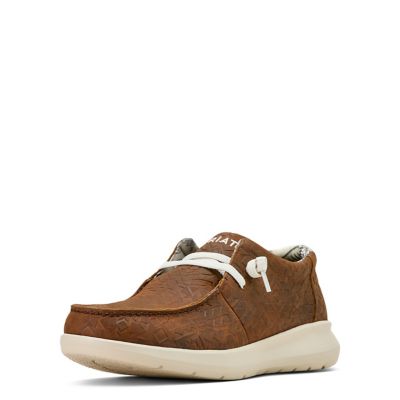
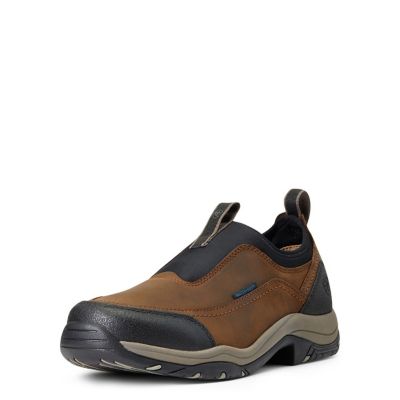
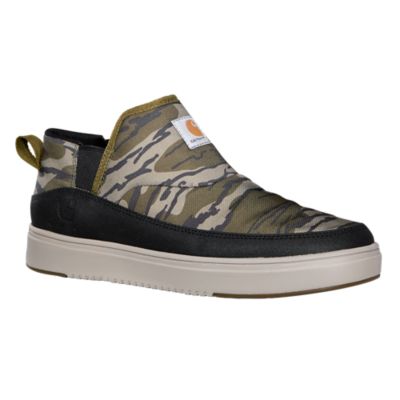
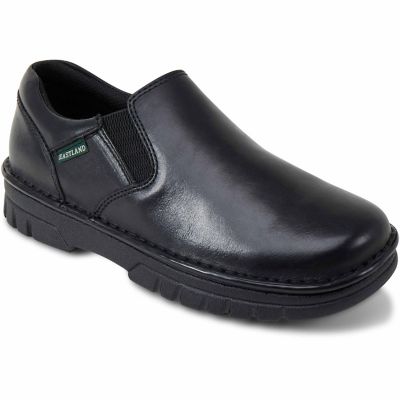
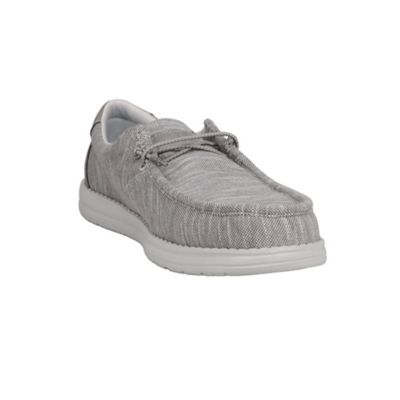
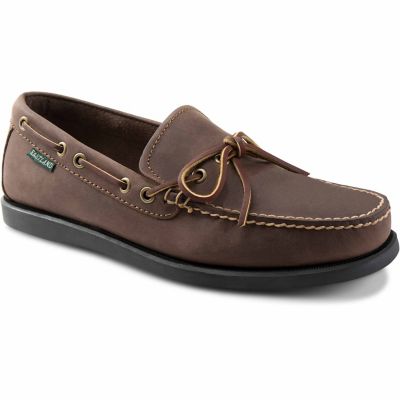
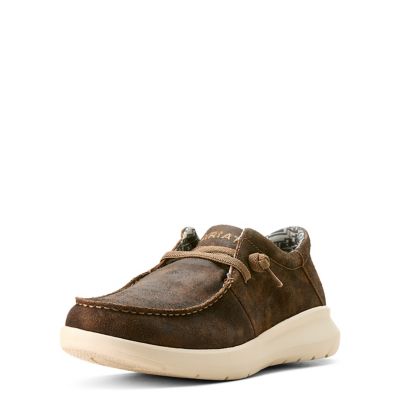
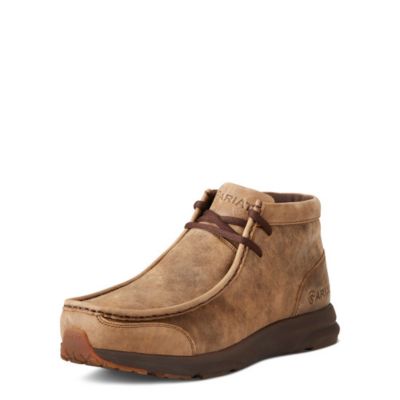
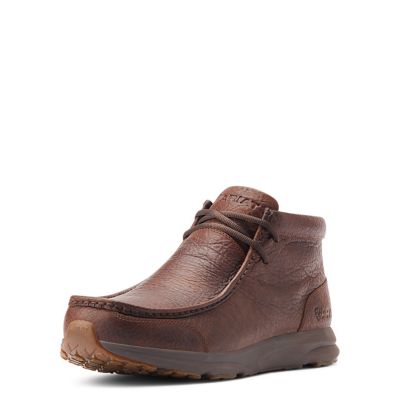
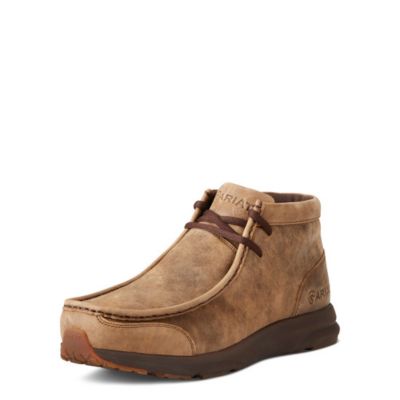
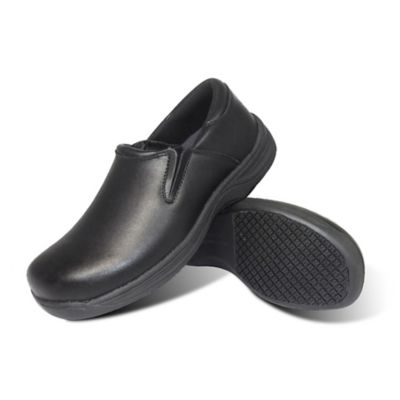
Slip-on shoes for men bring easy on-and-off wear to everyday footwear, with styles ranging from laid-back canvas shoes and moccasins to walking sneakers and leather loafers. Instead of laces, they generally rely on elastic panels, stretch uppers, or shaped openings to hold the foot in place. That makes them a practical choice for heading to the feed store, taking the grandkids out for lunch, or changing shoes after a day in work boots. The right pair depends on what the day involves: short errands call for something different than several hours of walking or standing on a hard floor. Casual slip-on sneakers pair naturally with jeans and everyday shirts, while loafers offer a neater look with chinos or work pants. Moccasin-style shoes often have a flexible feel and a relaxed appearance, though their support and suitability for outdoor wear depend on the sole and construction. Materials make a noticeable difference, too. Canvas typically has a straightforward, easygoing look, while mesh allows airflow and can help keep a shoe light on the foot. Leather offers a more structured appearance and may soften with wear, but it still needs to fit comfortably from the start. Synthetic uppers vary widely; some are flexible and easy to wipe down, while others provide a firmer shape. A slip-on walking shoe generally puts more emphasis on cushioning and secure heel fit than a simple casual flat. True hands-free shoes are a separate consideration within the category: their heel construction is designed for stepping in without pulling the back of the shoe into place. Not every slip-on has that feature, and a standard heel should not be crushed underfoot to force the shoe on. For men who prefer fewer steps when getting dressed, or who find tying laces difficult, an easy-entry design can make everyday routines simpler. A pull tab or roomy opening can help with putting a shoe on, but neither necessarily makes it hands-free. The best match is the one whose shape, support, and fastening-free design suit the wearer’s routine.
Fit matters especially with men’s slip-on shoes because there are no laces to tighten when the shoe feels loose. A comfortable pair should hold the heel securely without pinching, leave room for the toes to move, and feel steady through a normal walking stride. A little movement may occur with some styles, but repeated heel lifting or sliding forward can lead to rubbing and an awkward step. Shoes that squeeze across the forefoot are not a good trade-off for keeping the heel in place. Width options can help accommodate broader feet without adding unnecessary length, and the shape of the toe box matters just as much as the size printed inside. Trying shoes with the socks normally worn gives a better sense of how they will feel throughout the day. For someone who wears an orthotic, a removable footbed and enough interior depth may be important; inserting another layer into a snug shoe can crowd the foot and change heel fit. Cushioning should feel comfortable without making each step unstable. A soft footbed can take the edge off standing on concrete, while a more structured midsole may feel better for longer walks around town or across a large parking lot. Arch support, flexibility, and shoe weight all contribute to comfort, but no single feature guarantees the right fit for every foot. Outsole construction deserves attention as well. Rubber and other outsole compounds can provide traction, while tread shape affects contact with different surfaces. A slip-on intended for a restaurant floor or similar workplace should have a stated slip-resistance feature rather than relying on a rugged-looking tread alone. Around equipment, livestock, or areas with falling-object hazards, ordinary casual shoes are not a substitute for footwear that meets the job’s safety requirements. Safety toes, electrical hazard protection, and other protective features need to be confirmed in the footwear specifications. Slip-ons can be handy for light errands around the property, but their low profile and easy-entry construction do not automatically make them suitable for every chore. Secure footing, comfortable movement, and the protection required by the task should lead the decision.
How a pair holds up depends on its materials, construction, care, and the demands placed on it. Reinforced stitching, a well-attached outsole, and a heel that keeps its shape are useful details to look for in shoes that will see frequent wear. Flexible uppers can make entry easier, but stretched-out elastic or a collapsed heel can leave the foot moving around inside. Taking a moment to put the shoe on properly helps preserve that fit. Care varies by material: loose dirt can often be brushed away from canvas or mesh, while leather generally benefits from a soft cloth and care products suited to its finish. Machine washing is appropriate only when the manufacturer allows it, since soaking or agitation can affect adhesives, footbeds, and the shape of the upper. Let shoes dry completely before wearing them again, and keep them away from direct heat. Cleaning the outsole grooves helps clear packed-in dirt, and checking the tread periodically can reveal smooth spots that affect grip. Insoles may also need attention when cushioning flattens or the lining begins to wear through. Beyond upkeep, slip-on shoes are easy to work into an everyday wardrobe. Plain leather pairs sit comfortably alongside denim or pressed pants, while canvas and sneaker-style designs keep the look relaxed for errands, travel, and casual get-togethers. For men who want a taller profile and more coverage above the foot,
Slip On Boots for Men is another footwear category to consider, with protection still depending on each pair’s stated features. Slip-on shoes can also make a thoughtful gift for a dad, husband, or grandfather who prefers straightforward footwear, provided his size, width, and support needs are known. A familiar shoe shape and an easy-to-match color are often more useful than choosing by appearance alone. Whether the pair is for everyday walking, a tidier outfit, or an easier change out of work footwear, comfort starts with a secure fit and a design that matches the way it will be worn.