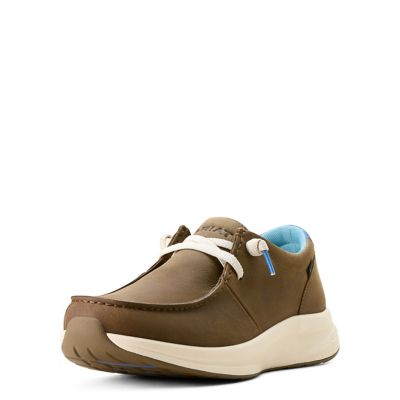
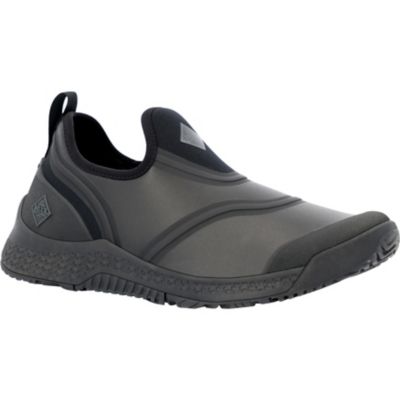
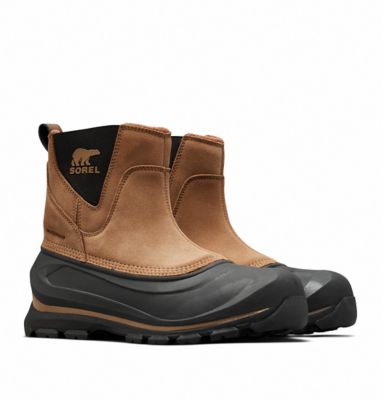
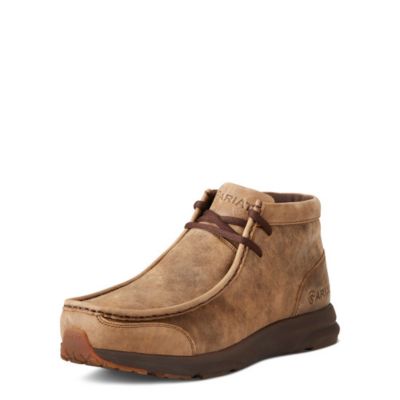
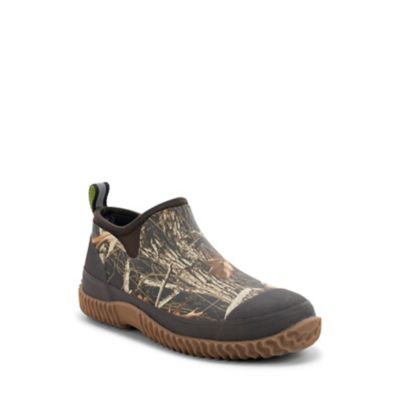
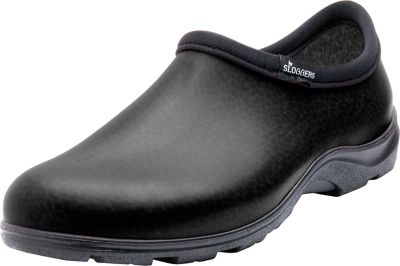
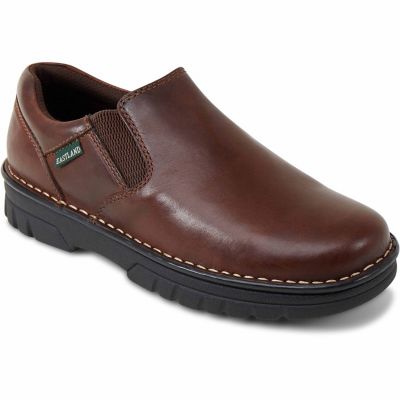
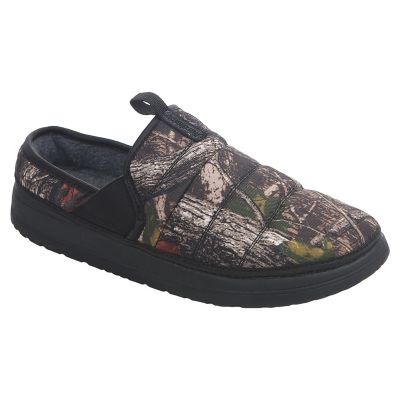
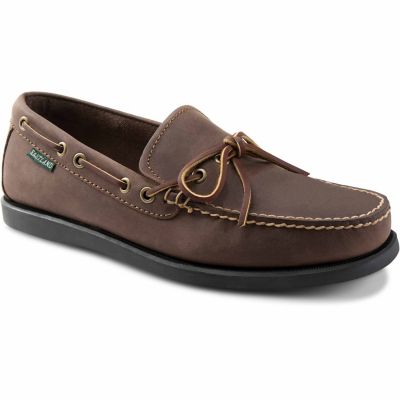
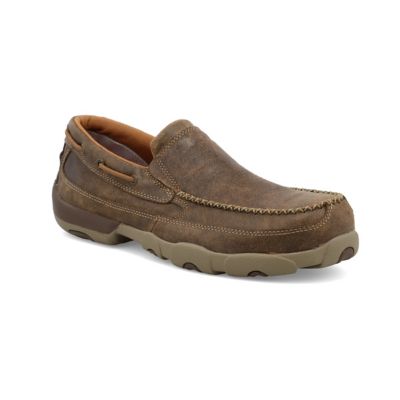
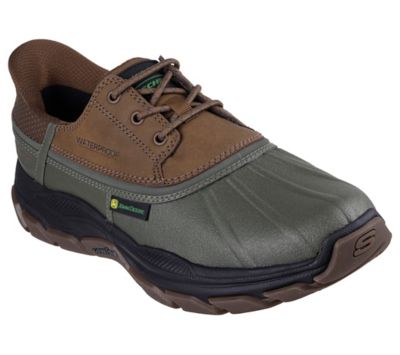
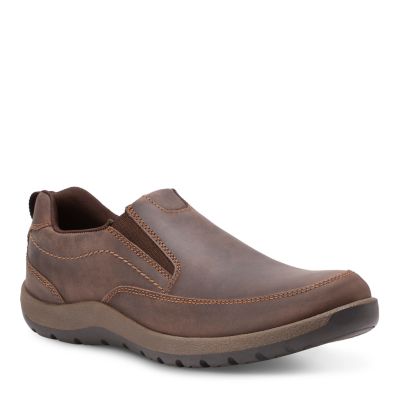
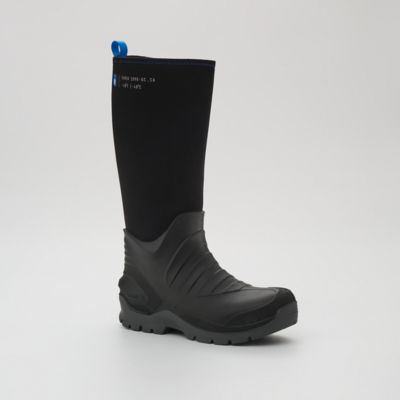
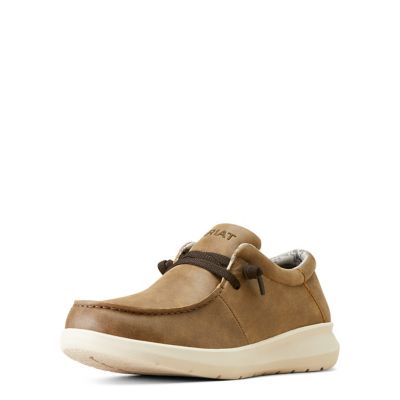
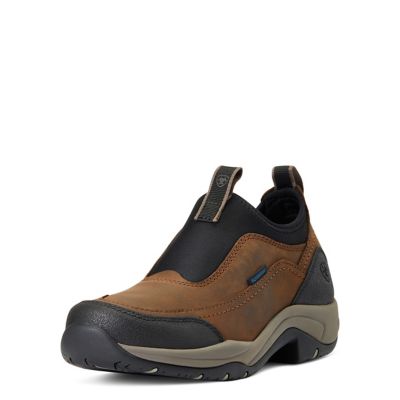
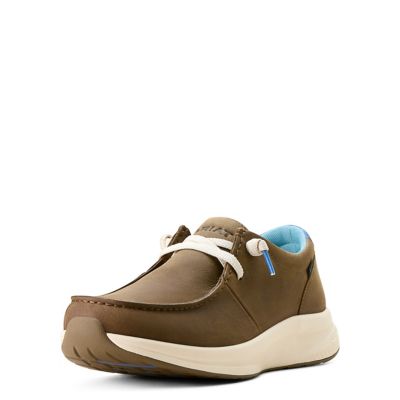
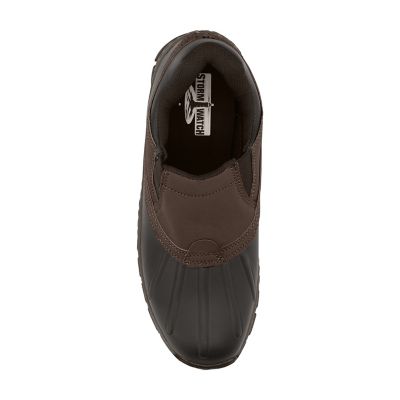
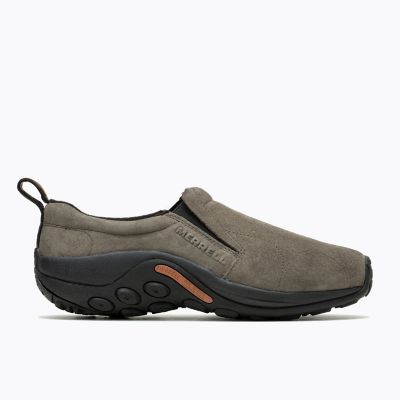
Men’s slip-on shoes for winter pair easy pull-on designs with features such as insulation, water-resistant uppers, and treaded soles for cold-weather errands and everyday wear. They make sense for the fellow heading out to the mailbox, driving into town, or stepping from the house to a covered porch without stopping to tie laces. The right pair depends on how much time those trips involve outdoors and what’s underfoot along the way. A soft-lined slip-on can take the chill off a short walk across a dry driveway, while wet sidewalks and slushy parking lots call for more attention to water protection and outsole grip. Leather uppers offer structure and can develop a broken-in feel with regular wear, though their ability to shed moisture depends on their construction and treatment. Suede has a softer texture but needs care around moisture, salt, and mud. Textile uppers may feel lighter and more flexible, with warmth and weather protection varying by design. Rubber around the lower foot can help keep splashes away from more absorbent materials. Water-resistant shoes handle limited moisture, while waterproof designs provide a stronger barrier against water within the limits of their construction. Neither description means water cannot enter through the opening, especially in deep slush or snow that reaches above the collar. Fleece, wool-blend, and synthetic linings can add warmth, while insulation helps slow heat loss. More insulation is not automatically better for every routine: a man moving between a heated truck cab, a store, and the house may prefer less warmth than someone standing outside for longer stretches. Breathable materials and moisture-managing linings also matter because damp socks can leave feet feeling cold. Low-cut winter slip-ons work best when their coverage matches the outing; deep snow, extended exposure, and demanding outdoor chores may call for taller or more protective footwear instead.
Fit makes a big difference in how men’s winter slip-on shoes feel from the first step to the last errand. Without laces to adjust, the shape of the heel, instep, and opening does much of the work of holding the foot in place. Stretch panels can ease entry and allow some give across the top of the foot, while a pull tab gives cold fingers something to grab. A comfortable fit leaves room for toes to move without letting the foot slide forward or the heel lift excessively. Winter socks take up more room than thin everyday socks, so the socks intended for regular wear belong in the fit check. Thick socks should not squeeze the foot tightly inside the shoe, since pressure can cause discomfort and leave less room for insulating air. Feet can also change slightly in volume over a full day, which matters for someone who spends hours walking concrete floors before heading home. Men with wider feet or a higher instep may need a different width or opening shape rather than simply a longer size. Cushioned footbeds soften the feel underfoot, while a supportive shape can make long stretches of standing more comfortable. Removable insoles may provide room for an appropriate replacement insert, provided the shoe still fits securely afterward. Underneath, tread depth, spacing, and rubber composition all influence grip. An outsole suited to cold-weather use may stay more flexible in low temperatures, and open tread channels can help release loose snow or mud. Still, no tread makes ice risk-free, and packed snow can reduce the grip of an otherwise capable sole. A steady step matters on a shaded walkway, slick porch boards, or the smooth floor just inside a store entrance. Winter slip-ons intended for casual wear should not be assumed to provide the protective toe, puncture resistance, or other features needed around heavy equipment, sharp debris, or livestock.
Everyday wear also puts the small construction details to work. Reinforced areas around the toe and heel can help manage scuffs from truck steps, door thresholds, and gravel paths. Secure stitching, well-attached soles, and linings that sit smoothly inside the shoe all contribute to comfort over repeated outings. A flexible forefoot helps with walking and driving, while enough structure through the heel keeps a soft shoe from feeling loose underfoot. For men who leave footwear by the back door, an opening that is easy to reach is handy, but stepping on the heel to force a foot inside can damage its shape. A shoehorn can make entry easier without crushing the back. Care depends on the materials, with the maker’s directions taking priority over a one-treatment-fits-all approach. Loose dirt and road salt are easier to address before they settle into seams or leave marks across an upper. Leather may need a suitable cleaner and conditioner, while suede generally calls for a brush and products meant for its textured surface. Treatments should be compatible with any waterproof membrane or finish. Shoes that get wet need time to air-dry away from a stove, radiator, or other direct heat source, which can affect leather, adhesives, and some sole materials. Removing removable footbeds helps the inside dry, and alternating pairs gives lingering moisture more time to escape. Those habits are especially helpful when winter days involve repeated trips between damp ground and heated buildings. As a gift, winter slip-ons suit dads, husbands, brothers, and other men who appreciate easy everyday footwear, provided the size, width, and usual routine are known. A porch-to-driveway pair serves a different purpose from footwear for long outdoor workdays. For households choosing cold-weather footwear together,
Womens Winter Slip On Shoes offers a related place to browse. Matching warmth, coverage, and fit to each person’s day matters more than choosing the same style for everyone.