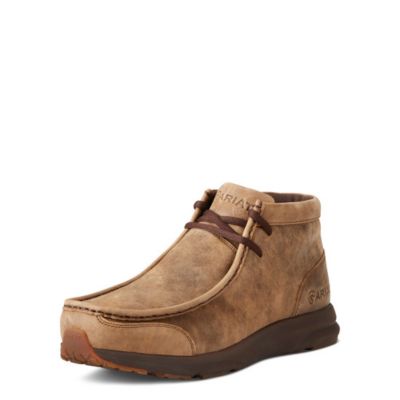
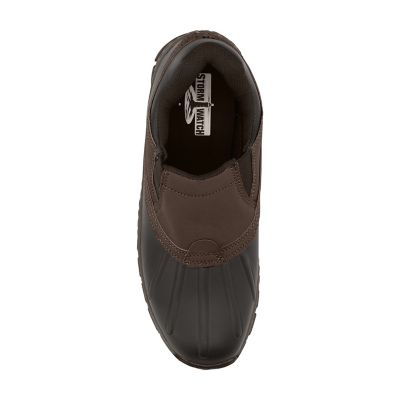
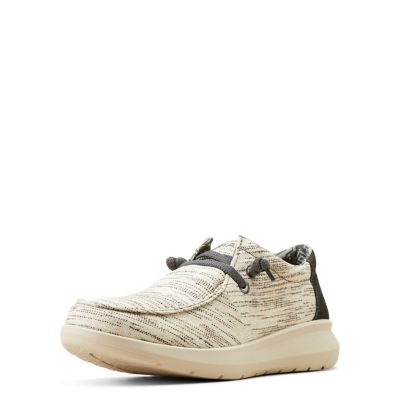
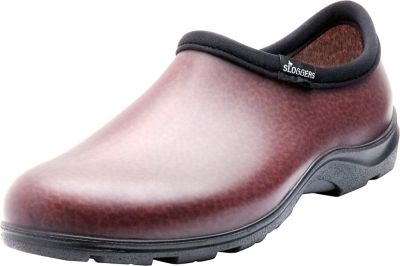
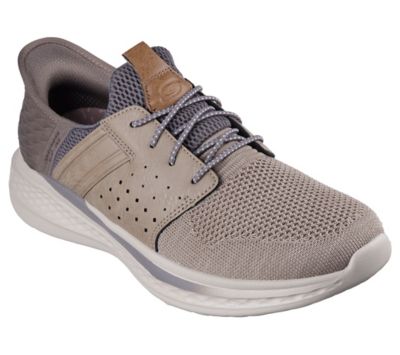
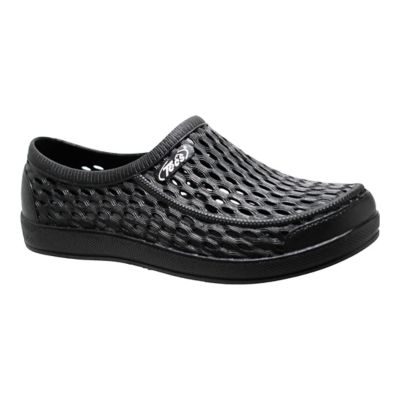
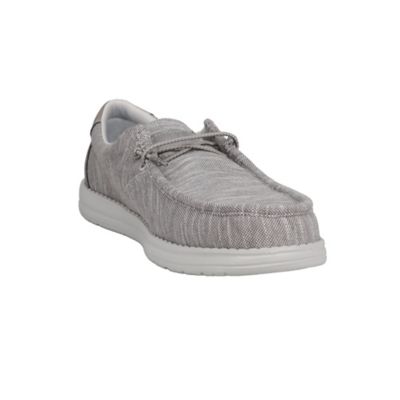
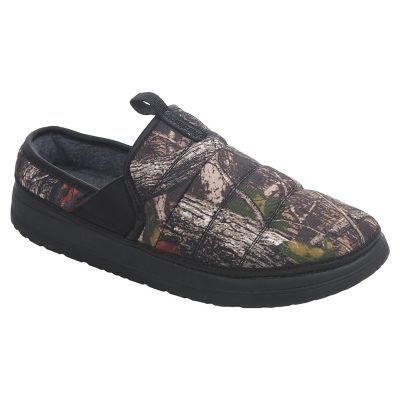
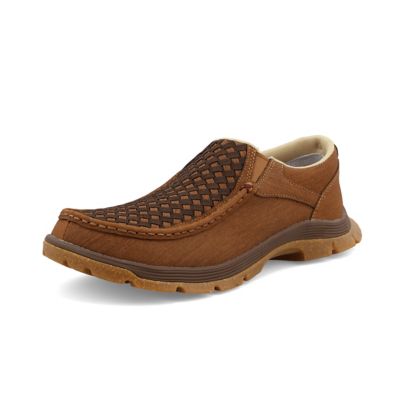
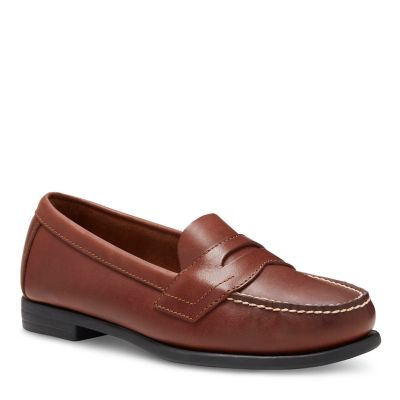
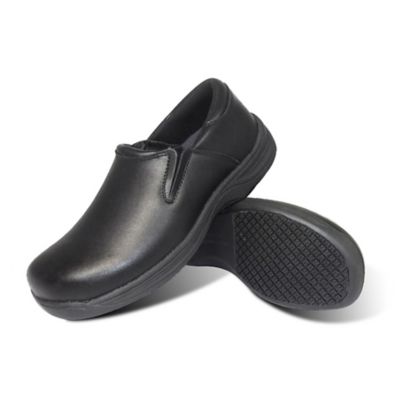
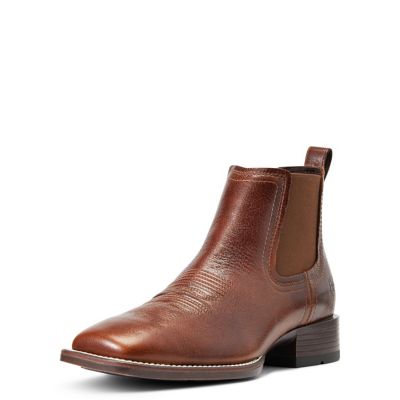
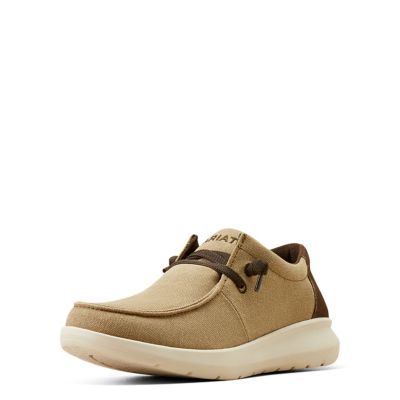
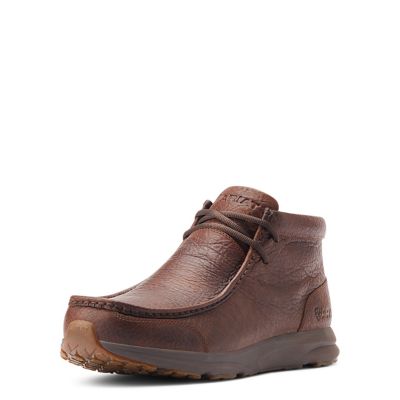
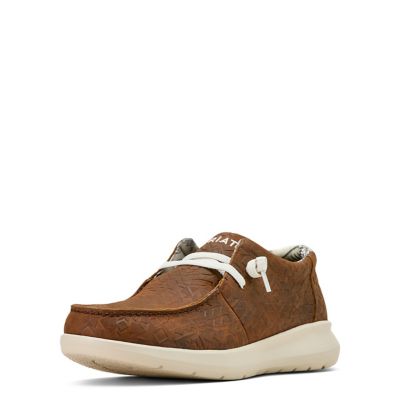
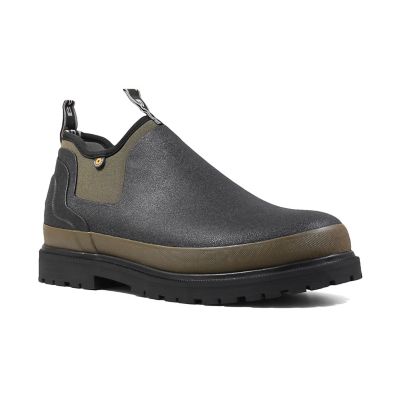
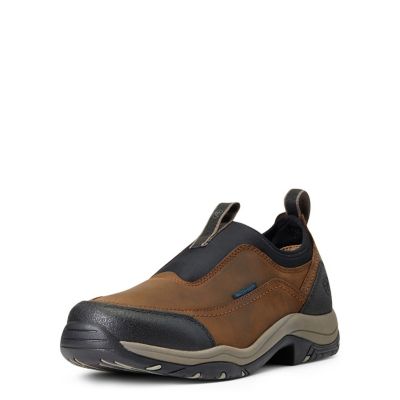
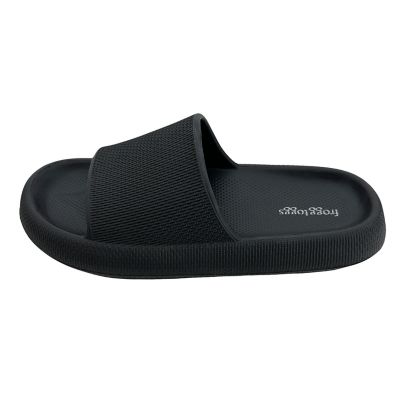
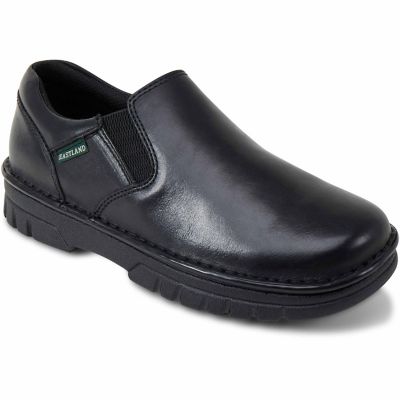
Men’s slip-on shoes for summer bring easy on-and-off wear to days that move between the porch, a drive into town and a backyard cookout. The main differences come down to how much airflow, coverage and underfoot support each style provides. Canvas slip-ons have a relaxed look that works with denim, shorts and lightweight pants, while mesh uppers let air move through the fabric and can feel less stuffy on hot afternoons. Leather loafers offer a more finished look for supper out or a family gathering, and suede adds a soft, textured finish suited to dry settings. Open-back slides leave more of the foot uncovered for downtime, though they generally hold the heel less securely than closed-back shoes. For men who spend plenty of time on their feet, a walking-oriented slip-on with a secure heel and supportive footbed may make more sense than a flat, loosely fitting casual shoe. The best match depends on the day ahead: sitting by the lake calls for something different from walking several blocks around town or standing through an afternoon reunion. Breathable fabric, a smooth lining and enough room across the forefoot can make a noticeable difference when pavement holds heat and feet begin to swell. Men drawn to an airy, closed-toe design can explore
Mens Mesh Slip On Shoes for that balance of coverage and ventilation. Mesh itself does not make a shoe waterproof or suitable for wading, and a fabric upper that feels breezy in dry conditions may still take time to dry after getting soaked. Color and shape also influence how a pair fits into everyday wear. Earth tones sit comfortably alongside faded jeans and work shirts, while a simple, low-profile silhouette can look right with chinos without feeling too dressed up. For summer travel, that versatility means one pair can cover a roadside lunch, a casual visit and an evening on the patio, provided its fit and sole match the amount of walking involved.
Fit matters especially with slip-on shoes because there are no laces to tighten when the foot needs a steadier hold. Elastic side panels, stretch-knit uppers and padded collars can help accommodate movement, but the shoe should still feel secure across the instep without pressing hard against the top of the foot. A heel that lifts repeatedly or toes that curl to keep a shoe in place can signal a poor match in size or shape. The toe area needs enough space for natural movement, particularly for longer walks, yet extra length alone will not solve a shoe that is too narrow. Men with broader feet may find a wider shape more comfortable than sizing up and ending up with a loose heel. Trying shoes with the socks intended for everyday wear gives a better sense of the fit; a thin no-show sock takes up less space than a cushioned crew sock. Socks can also help manage sweat and reduce rubbing along seams, although comfort depends on the shoe’s lining and the individual foot. Underfoot, soft cushioning and support serve different purposes. A plush footbed can soften the feel of each step, while a shaped footbed and a stable sole may feel steadier over longer stretches of standing or walking. More softness is not always better if the foot shifts around or the sole feels unsteady. Flexibility through the forefoot helps the shoe bend during a step, and a secure back helps keep it moving with the foot. Outsole design deserves just as much attention as the upper. Rubber coverage and tread patterns can influence traction and wear, but no casual shoe should be assumed to grip every wet, dusty or uneven surface. A smooth patio, a gravel parking area and a damp boat ramp each present different footing. Everyday summer slip-ons are generally better suited to casual outings and light activity than tasks involving machinery, livestock, falling objects or other hazards that call for protective footwear.
Materials and construction shape how men’s summer slip-on shoes hold up to repeated wear, along with how much attention they need between outings. Canvas has an easygoing feel, but ground-in dust can settle into its weave; mesh has small openings that may collect fine dirt and catch on rough edges. Leather can be wiped down and conditioned as directed, while suede usually benefits from a suitable brush and care products intended for its napped surface. Cleaning methods vary by shoe, so a fabric upper alone is not a sign that the whole pair can go in a washing machine. Adhesives, footbeds, trim and sole construction may require gentler treatment. Loose dirt is often easier to remove before it gets worked deeper into the material, and drying shoes away from direct heat helps avoid damage to components that can warp, shrink or stiffen. Removable insoles, where present, can make airing out the inside simpler. Giving shoes time to dry fully between wears also helps manage lingering moisture and odor, especially after a long summer afternoon. For frequent wear, reinforced areas around the toe and heel, neatly finished seams and a firmly attached outsole are useful details to consider. Thin, flexible shoes may pack easily for a weekend away, while more substantial soles can provide greater separation from rough pavement; neither construction is automatically the right choice for every foot or activity. Slip-ons also make a practical gift for a dad, husband, brother or friend who likes footwear that gets out the door without much fuss. Knowing his usual size, width, sock preference and daily routine matters more than choosing by appearance alone. A man who enjoys campground evenings may appreciate a different shape from someone who walks through town most afternoons. Whether paired with shorts for a lakeside lunch or clean jeans for a family get-together, the right summer slip-ons combine a comfortable fit, materials suited to the setting and care that fits into an everyday routine.