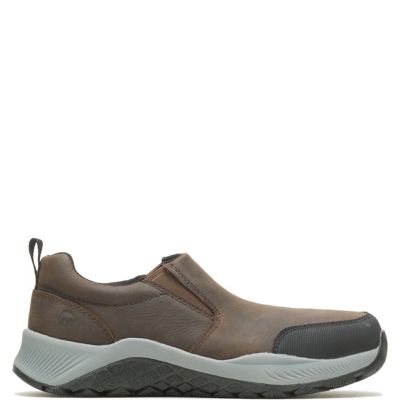
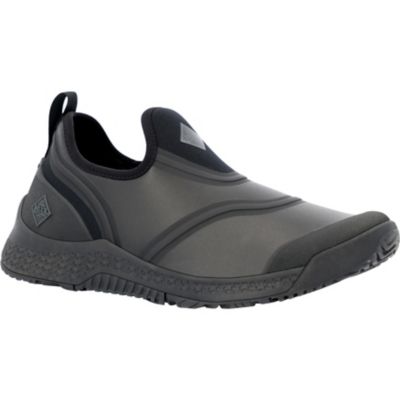
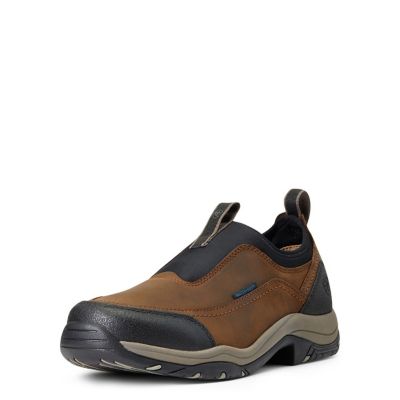
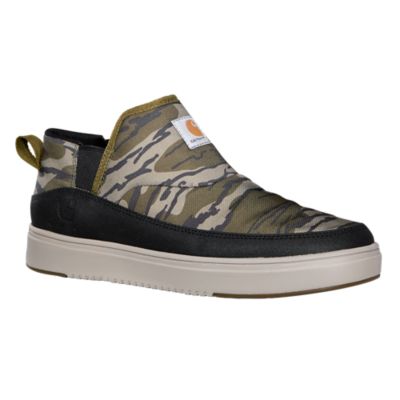
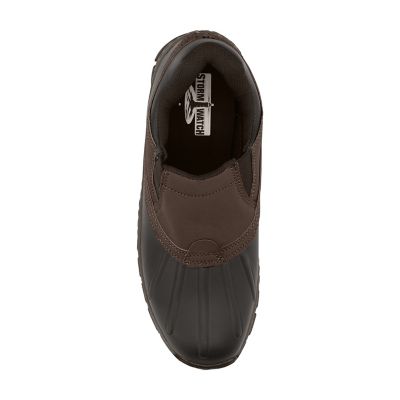
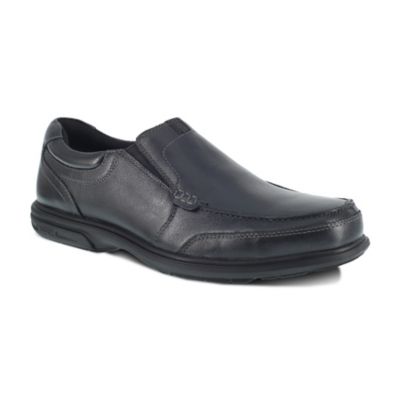
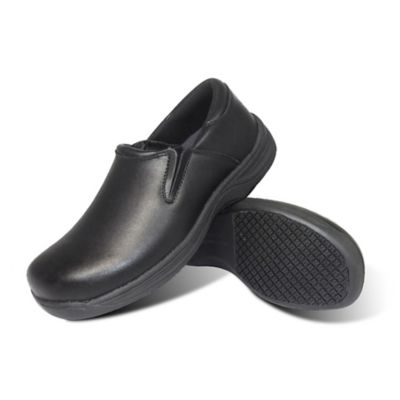
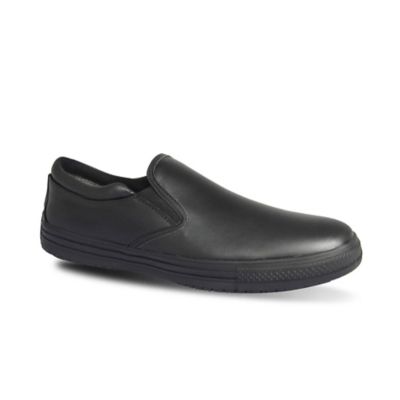
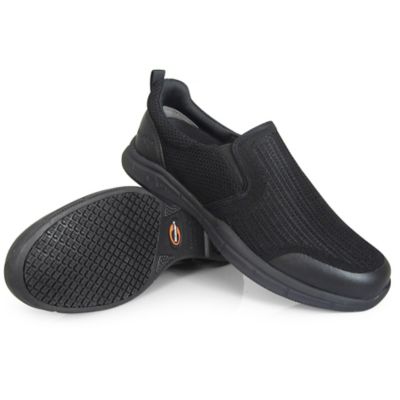
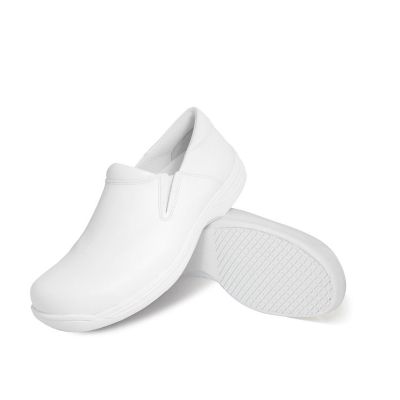
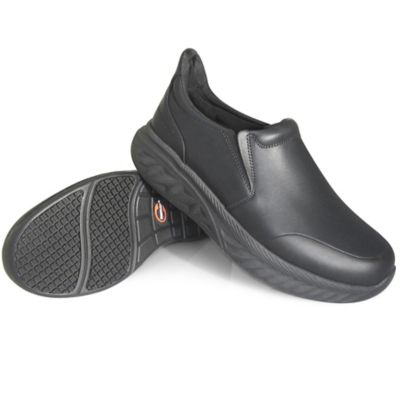
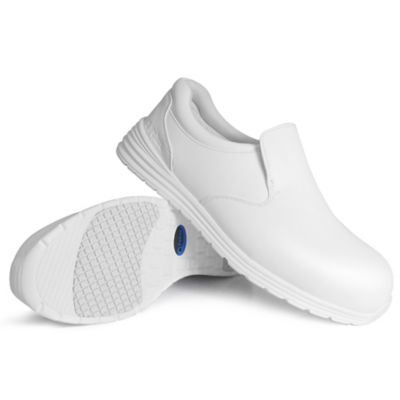
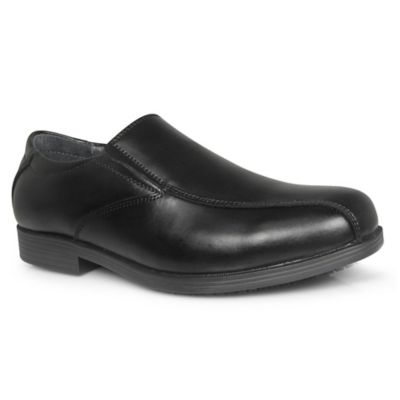
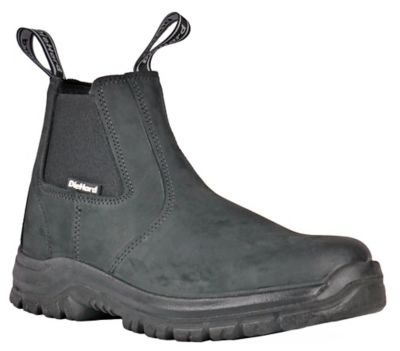
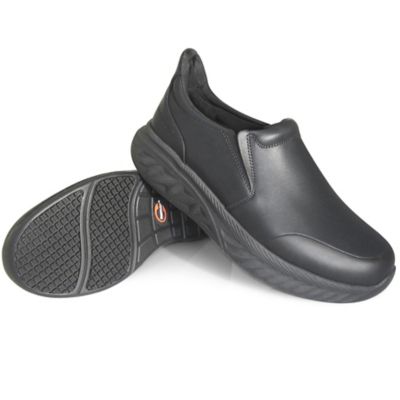
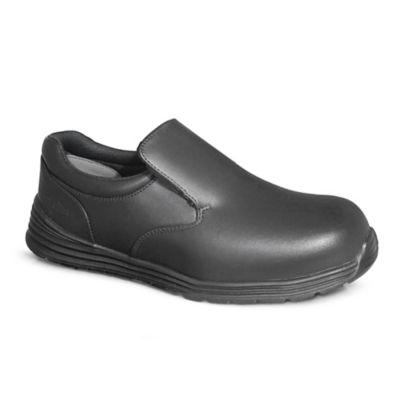
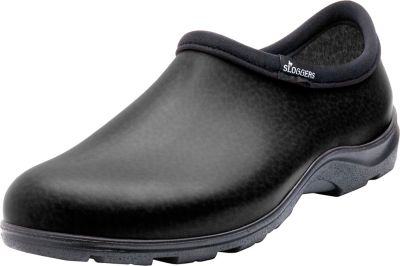
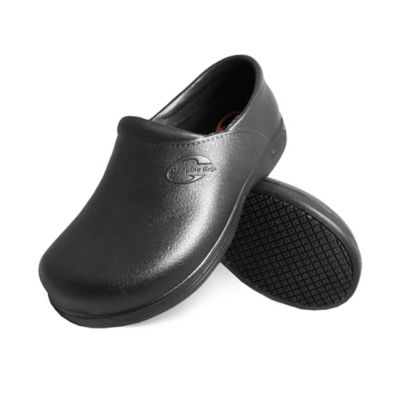
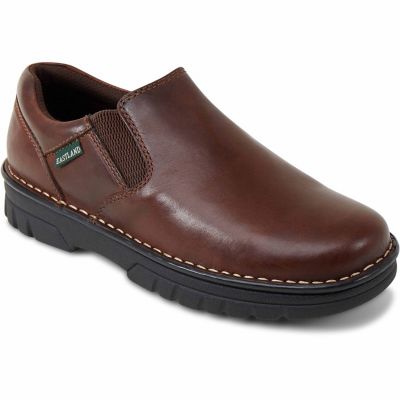
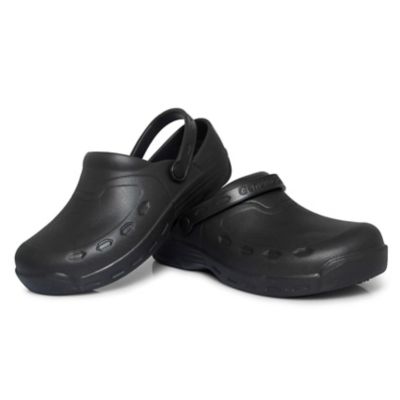
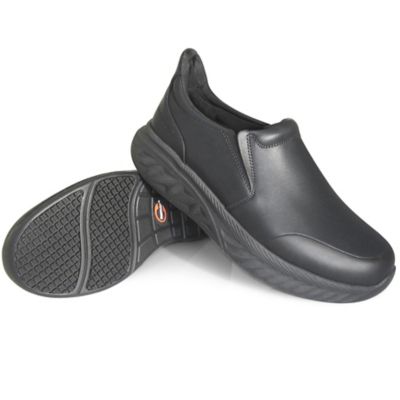
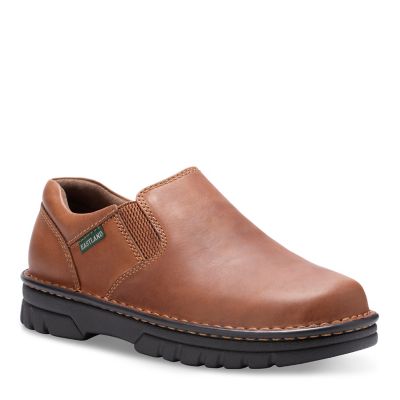
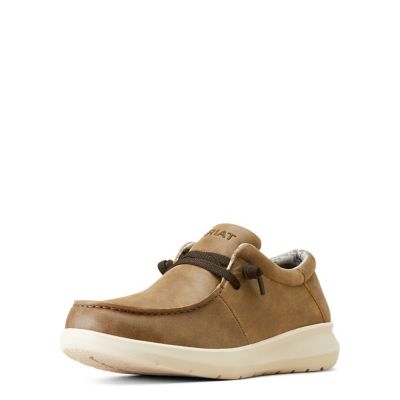
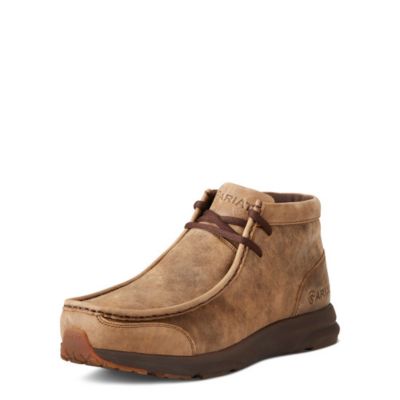
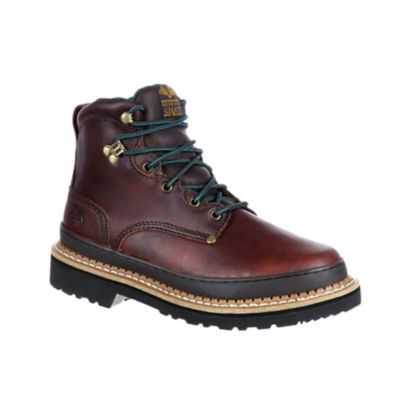
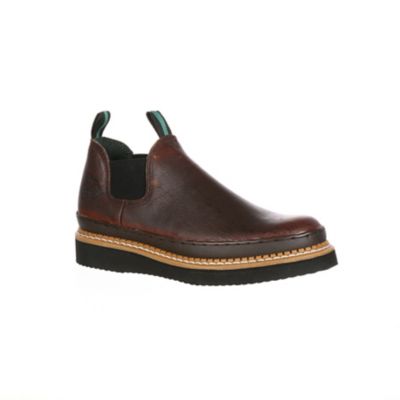
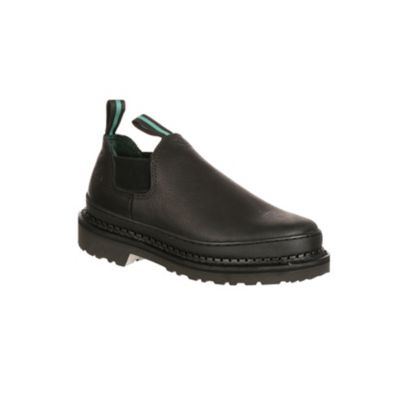
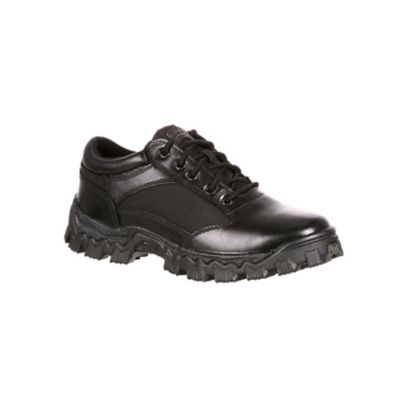
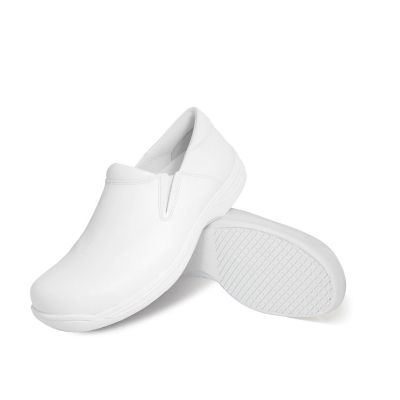
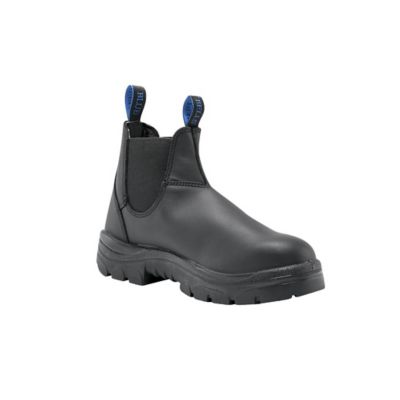
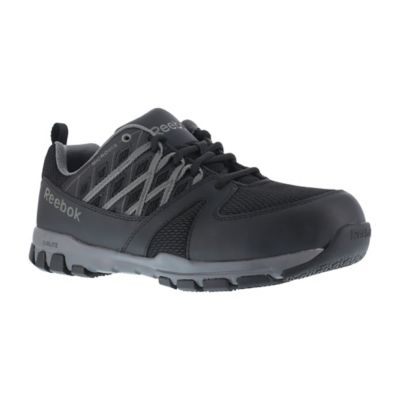
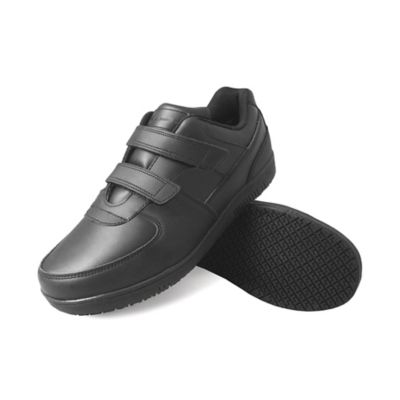
Slip on work shoes for men bring straightforward convenience to days spent moving between the shop, the feed room and the next job on the list. With no laces to tie, they’re easy to pull on before heading out to check equipment or unload supplies, while a secure fit helps keep the foot settled through walking, bending and standing. That convenience matters when the day starts early and there’s plenty to get done, but the right work shoe still comes down to the job beneath your feet. A mechanic spending hours on concrete has different needs than a warehouse worker moving cartons or a farmhand crossing packed dirt and gravel. Cushioned footbeds can take some of the harsh feel out of hard surfaces, while a supportive base helps the shoe feel steady when carrying a feed sack or pushing a loaded cart. Outsole patterns deserve a close look, too. Shallower tread may shed shop dust more easily, while deeper grooves can offer traction on loose ground, though they can also carry grit indoors. Slip resistance and oil resistance describe different features, and neither means a shoe can prevent every slip. Smooth floors, spilled fluids and loose debris still call for care. Protection at the toe is another important distinction within this category. Soft-toe construction suits work that doesn’t call for protective footwear, while safety-toe styles are built for jobs with specified impact and compression requirements. Steel and nonmetallic toe caps can differ in weight, shape and the room they leave across the front of the foot. A sturdy appearance alone doesn’t establish protection; the shoe’s stated safety rating and the workplace’s footwear requirements are what count. For men who move between several kinds of chores, the best match balances those requirements with enough flexibility to kneel beside a mower, step up to a workbench and walk comfortably back across the yard.
Materials and construction shape how slip on work shoes feel from the first wear and how they hold up over time. Leather uppers bring a substantial feel and can soften with wear, making them a practical choice around benches, tool storage and general shop work. Smooth leather is often easier to wipe clean than textured surfaces, although it still needs care to keep dirt from settling into seams and flex points. Textile and synthetic uppers can offer a lighter feel or more airflow, depending on their construction, and reinforced toe or heel areas may help limit scuffing where shoes rub against equipment or flooring. Water-resistant materials can help with occasional splashes at a wash station, but water resistance isn’t the same as waterproof construction. The stated features should match the amount of moisture the job involves. Underfoot, a flexible forefoot helps with crouching, while a firmer platform can feel steadier during long stretches at a standing workstation. Cushioning should feel comfortable without letting the foot slide around inside the shoe. Fit is especially important in a pull-on design because there are no laces to fine-tune the hold across the instep. Elastic side panels, stretch openings and pull tabs can make entry easier, but the heel should remain reasonably settled during a normal stride. Toes need room to move without pressing against the front or sides, including inside a safety toe that won’t stretch to create more space. Trying shoes with the socks normally worn on the job gives a better sense of that fit. Men who wear orthotic inserts also need enough interior room, and a removable footbed can make accommodating them simpler. Width matters just as much as length: sizing up to relieve pressure across a broad forefoot can leave extra space at the heel. A fit that feels secure through a few steps, a bend and a squat is more useful than one that only feels comfortable while sitting.
Everyday care helps work shoes stay ready for the next round of chores. Fine dust around a feed bin, metal shavings near a bench and gritty shop floors can all work their way into tread and seams, so brushing off loose debris before it builds up is worth the little effort it takes. A damp cloth can handle many surface marks on smooth uppers, while cleaning products and conditioners should match the material and the maker’s care directions. Leather benefits from appropriate conditioning rather than a heavy coating of whatever happens to be on the shop shelf. Textile panels, bonded components and waterproof linings may need a different approach. After a messy task, shoes should dry with airflow and away from direct heat, which can affect leather, adhesives and other parts of the construction. Removable insoles can be taken out to air separately when the care directions allow it. Keeping an eye on wear is just as practical as keeping the uppers clean. Flattened tread, separating soles, torn elastic and cushioning that no longer rebounds can change how a pair feels and performs, even when the top still looks presentable. Men who spend full days on their feet may also appreciate rotating between pairs, giving each one time to air out between wears. For time away from jobsite requirements, the broader
slip on shoes for men category offers another place to look for easy-on footwear suited to errands and everyday routines. Work-focused pairs make sense for the man who wants that same convenience with features chosen around his daily tasks. They can also make a practical gift for a dad, husband or son who’s always tending to the next repair, provided his size, width and workplace needs are known. Whether the day involves sorting parts, tending animals or standing at a service counter, the goal is footwear that fits the work without making getting dressed another chore.