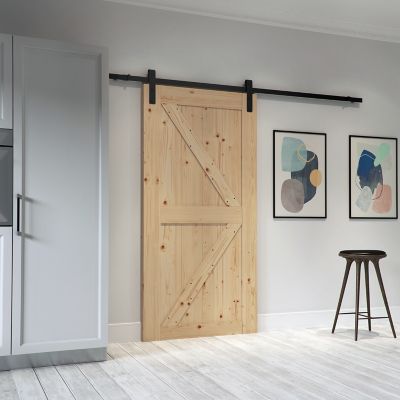
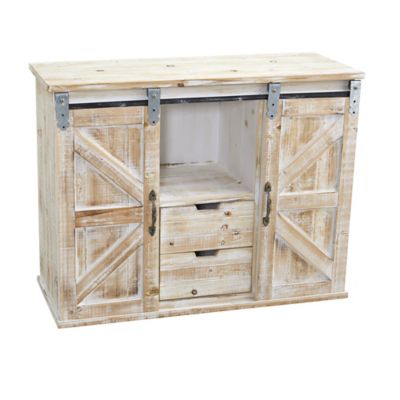
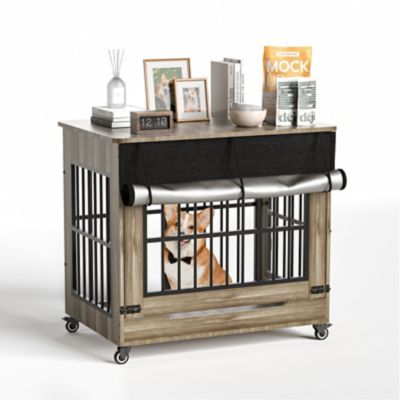
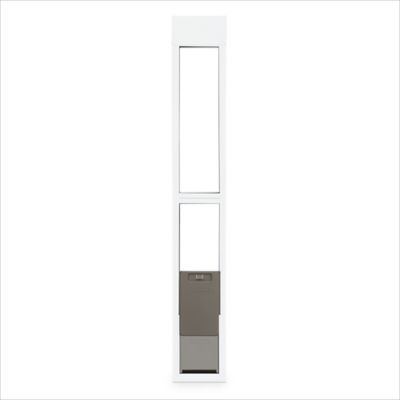
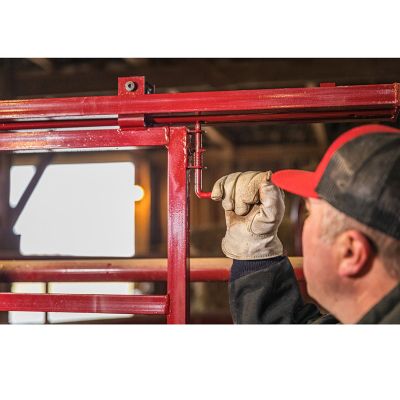
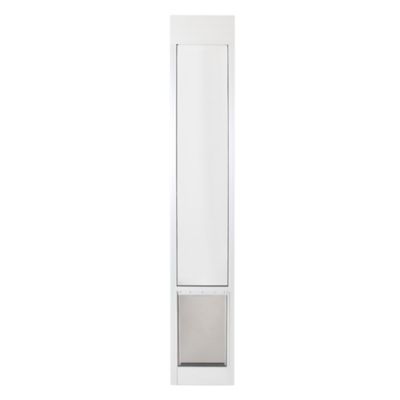
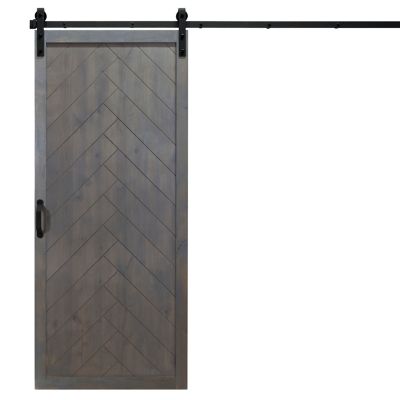
Sliding doors bring practical, space-saving function to homes, barns, workshops, garages and other hardworking places around the property. Instead of swinging into a room, aisle or walkway, a sliding door moves along a track, making it a handy choice where every inch matters. They can help open up a tack room, separate a mudroom from the rest of the house, close off a storage area or provide easier access to a shed or outbuilding. In a farmhouse or country-style home, a sliding door can also add a warm, lived-in look, especially when paired with natural textures and sturdy hardware. Around the farm, the same basic idea can make daily chores smoother by keeping pathways clear and giving you a broad opening for moving feed, tools, boxes or equipment. When choosing a sliding door, start by measuring the opening carefully, including the width, height and available wall space beside the opening. The door needs enough room to travel fully open, and the wall or mounting surface must be strong enough for the track and door weight. Think about whether the opening is square, whether the floor is level and whether trim, shelving, light switches or nearby fixtures could interfere with movement. A little time with a tape measure can save plenty of frustration during installation.
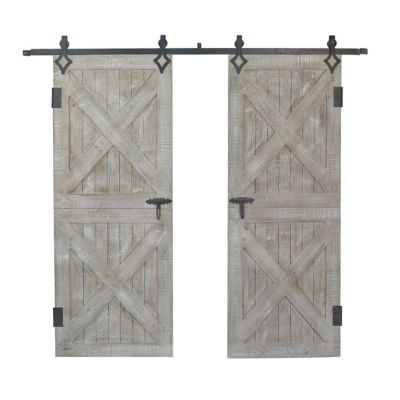
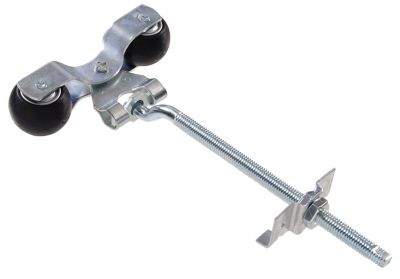
The right style depends on where the door will be used and what kind of work it needs to handle. For an interior opening, consider the amount of privacy, light and sound control you want, along with the surrounding décor. A solid door can help separate a busy space, while a door with windows or open areas may let daylight pass between rooms. For a garage, shed, workshop or other outdoor setting, look for construction suited to changing temperatures, dust, moisture and regular use. Doors exposed to the weather may need finishes and materials that are easy to maintain, while doors inside a dry building may allow for more decorative choices. Pay close attention to the track, rollers, guides, stops and mounting hardware, since these parts work together to keep the door moving smoothly and sitting securely. A bottom guide can help limit swinging, which is especially useful in a breezy entryway or a high-traffic work area. Soft-close features, when available, can help reduce slamming, while a sturdy handle gives you a comfortable grip when your hands are full. If you are dividing a larger room, a pair of sliding doors can create a wider opening and offer a balanced look. In barns, animal shelters and utility buildings, the same approach can be useful for creating flexible spaces that are easier to open, close and clean. For larger openings or specialized setups, explore related options such as
Partition Doors to help organize work areas without building a permanent wall.
Installation details matter just as much as appearance. Before mounting anything, check the manufacturer’s recommended clearance and confirm that the wall has solid framing or another suitable support point. A full door can be heavier than it looks, and loose mounting can lead to uneven movement, noise or damage over time. Keep the track clean and free of grit, straw, sawdust and other debris, particularly in workshops, barns and garages where dust seems to find every opening. Inspect fasteners and guides from time to time, and address sticking or rubbing before a small adjustment becomes a larger repair. If the door will be used by children, pets or livestock, think through how fingers, paws, tails and curious noses could reach the moving parts. Some doors are better suited to a calm interior room, while others are designed for the tougher pace of a working property. Sliding doors can be a thoughtful housewarming gift for someone restoring an old farmhouse, updating a garage or finishing a workshop, though the recipient will need to confirm measurements and mounting requirements before choosing a style. During the cooler months, a well-fitted door can help divide drafty areas and make heated rooms easier to manage, while in warmer weather it can open a space wide for fresh air, hauling supplies or moving equipment. Whether you are improving a compact laundry room, adding access to a feed area or giving a plain storage building a more finished look, compare the opening size, door weight, materials, hardware and installation needs so the finished setup fits the way you work.