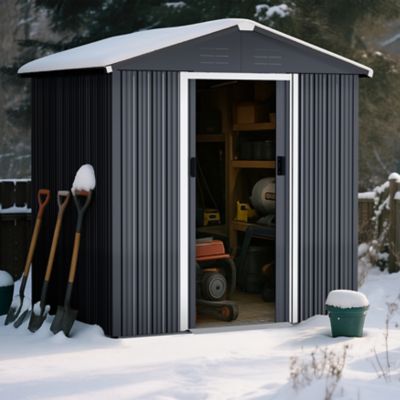
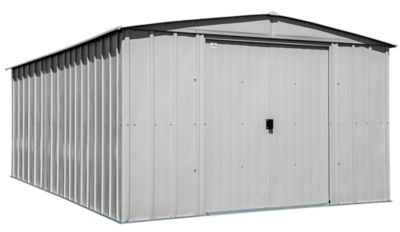
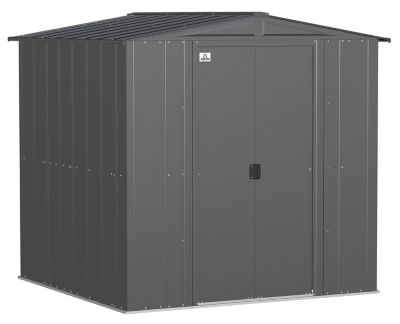
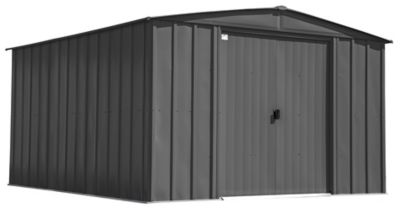
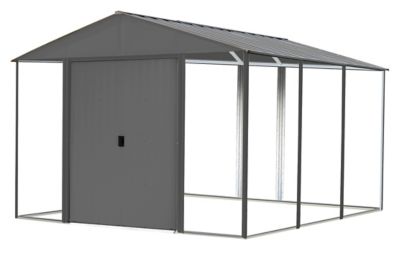
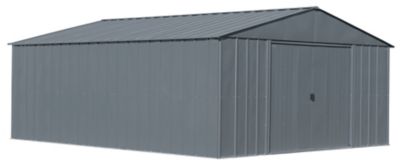
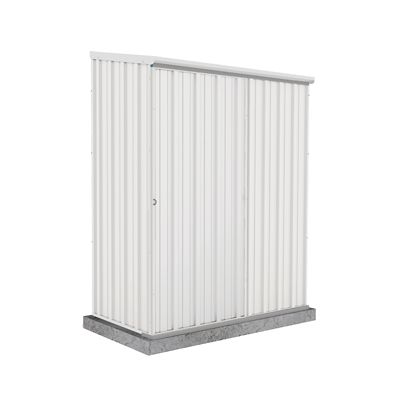
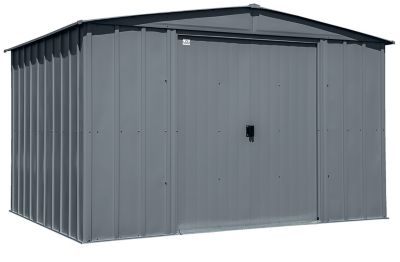
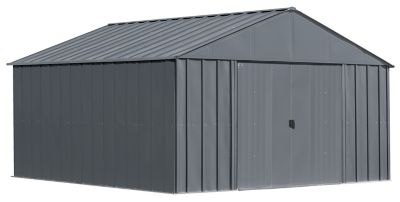
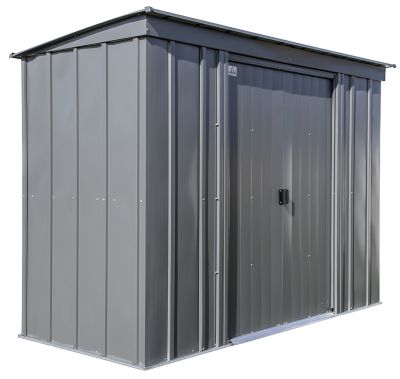
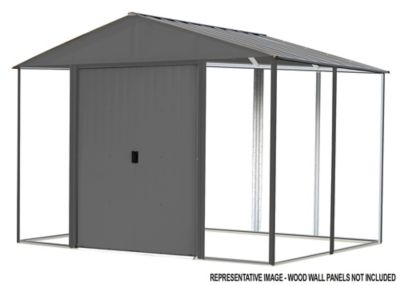
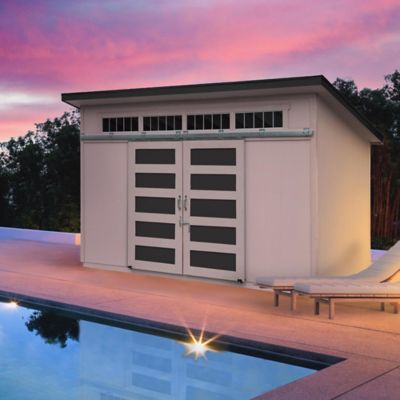
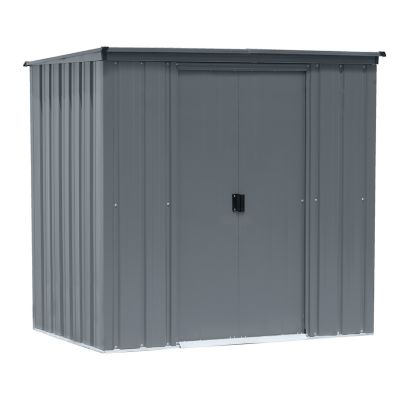
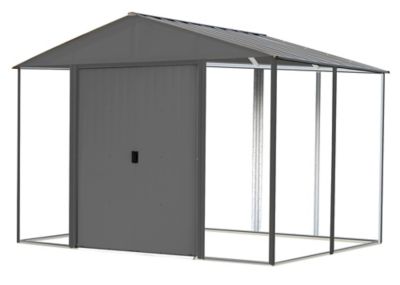
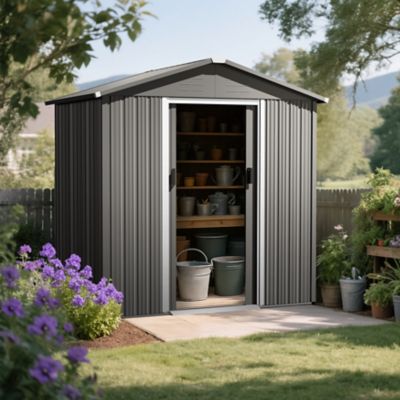
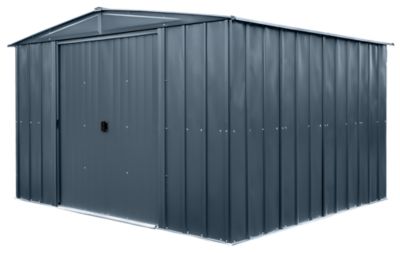
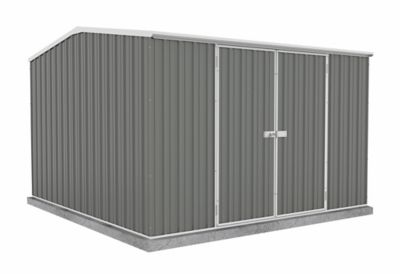
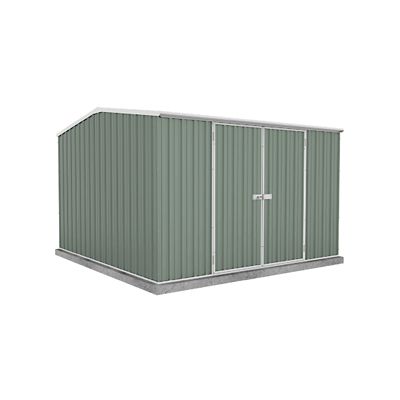
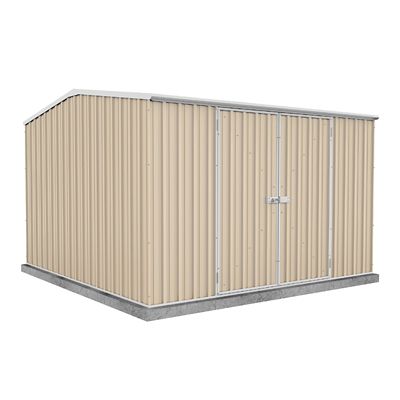
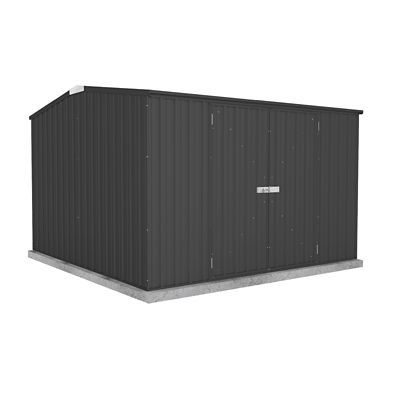
Sheds with sliding doors give yard tools, mowing equipment, and everyday property supplies a place of their own without requiring a door to swing out across the approach. Instead, the door panels travel horizontally along a track, reducing the clearance needed directly in front of the building. That makes this style worth considering beside a garden path, along a fence line, or near a driveway where an open hinged door could get in the way. The space-saving design behind
Sliding Doors can make a shed entrance easier to work around, but the panel arrangement still matters. Some doors slide along the outside wall, while others overlap within a framed opening. Each layout has its own requirements for sideways travel and usable access. A shed’s overall width does not tell the whole story: the clear doorway width and height determine what can actually pass through. A mower deck, wheelbarrow tray, or garden cart may need more room than its wheels alone suggest, and handles can catch where a narrower frame would pass without trouble. Enough room to approach straight on can matter just as much as the opening itself, especially when pushing a loaded cart. Inside, usable floor space, wall height, and roof framing affect how equipment fits once it is through the door. A broad entrance is handy, but it works best with enough interior room to turn a cart or reach around a mower. Threshold height also deserves attention when wheeled equipment is part of the plan. A raised sill can call for a suitable ramp, and that ramp needs its own landing space. Beyond the doorway, the shed’s footprint should leave room for access and any required setbacks. A level, properly supported base helps the structure sit square and gives the sliding door assembly a better starting point for smooth movement. Together, these details help distinguish a shed that merely holds equipment from one that makes putting it away a whole lot less trouble.
Materials and construction shape how a sliding-door shed looks, feels, and holds up to everyday chores. Steel sheds often have coated panels that benefit from routine cleaning and attention to scratches, particularly where tools or cart handles might rub against the walls. Wood sheds bring a familiar outbuilding appearance and may offer framing suited to certain storage attachments, depending on the design. Their painted or stained surfaces need care according to the manufacturer’s directions, including attention to exposed edges and areas around hardware. Resin sheds generally avoid the painting needs of wood, though their panels, attachment points, and support requirements still deserve a close look. No single material tells the whole story about service life. The frame, panel connections, roof assembly, floor system, and anchoring provisions all contribute to how the building performs. Door hardware is especially important because it is the part that gets handled every time a shovel comes out or a mower goes back in. Depending on the design, rollers or hangers carry the panel while lower guides help control its movement. A well-fitting door should travel along its intended path without dragging, tipping, or needing a hard shove. Track placement also affects upkeep. Channels near the floor can collect grass clippings, soil, and small stones brought in on tires or boots, while exposed hardware needs periodic checks for loose fasteners or wear. Care should follow the instructions for the particular assembly; not every roller or track calls for the same lubricant. Handles, stops, and latches deserve attention, too. A comfortable grip makes repeated trips easier, stops help limit panel travel, and a latch or lock provision can help control access. Those features do not make a storage building theft-proof, but they are useful parts of an everyday setup. A sliding entrance works best when its panels, guides, and frame function together, rather than relying on force to overcome a poor fit.
For folks tending a backyard garden, keeping a larger property trimmed, or managing a small acreage, sheds with sliding doors can bring scattered equipment into one easy-to-reach place. Long-handled rakes and hoes can stand along a wall, hand tools can stay near the entrance, and a mower can have a clear parking space instead of sharing a crowded garage aisle. The best layout depends on what comes out most often. A wheelbarrow that makes regular trips to the garden belongs where it can roll straight through the opening, while supplies that see less frequent attention can sit farther back. Shelves and wall-mounted storage can free up floor space when the shed’s construction permits them, but their load limits and attachment requirements matter. Heavy materials need an appropriate supporting surface, and nothing should interfere with the door’s travel, guides, or latch. Exterior sliding panels also need their travel area kept clear of stacked lumber, leaning tools, and other objects that could block movement. Inside, a clear walking lane makes it easier to carry a feed scoop, pick up pruning tools, or return a trimmer without stepping over another chore waiting to happen. Storage choices should also suit the contents: feed and seed benefit from appropriate closed containers, while lawn and garden chemicals belong in their labeled packaging with separation and access precautions specified on the label. A shed is not automatically suitable for every task simply because there is room inside. Powered equipment must never run in an enclosed storage building, and any workspace or animal-related use needs features appropriate to that purpose. For straightforward equipment storage, though, a thoughtfully sized sliding-door shed can support a simple routine: open the entrance, roll or carry out what is needed, and put it back without clearing a wide door-swing area first. Matching the opening, interior layout, materials, and care requirements to everyday chores is what makes that convenience last.