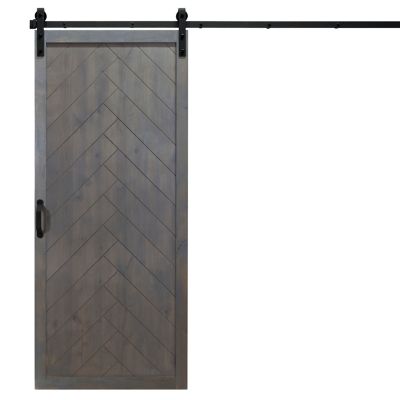
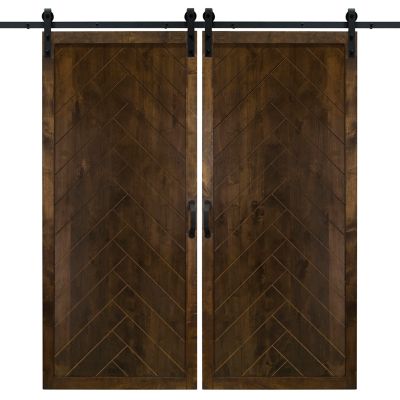
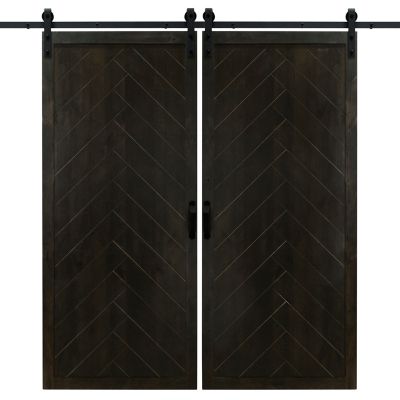
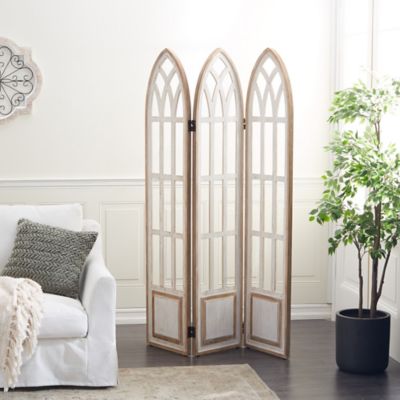
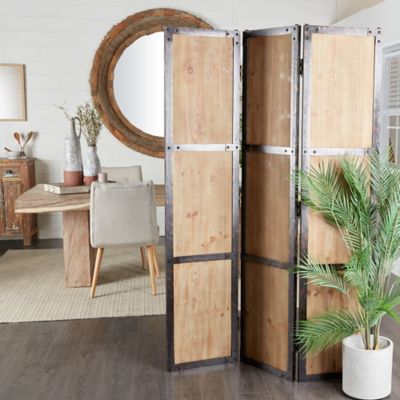
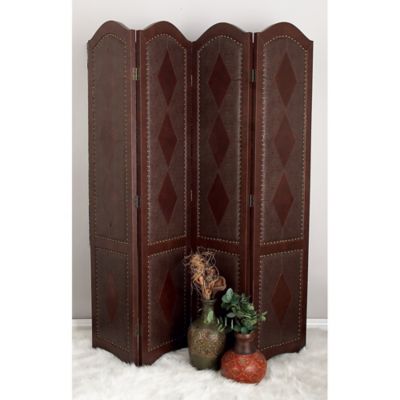
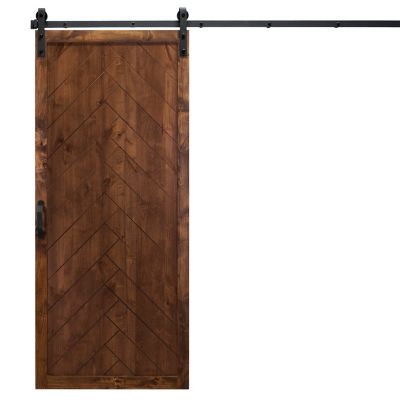
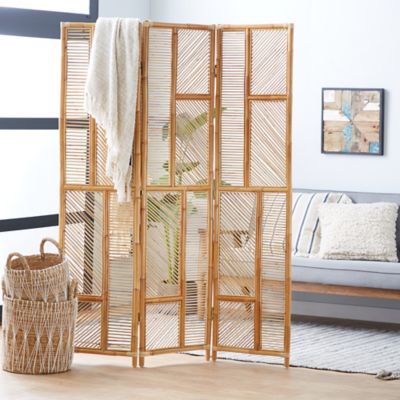
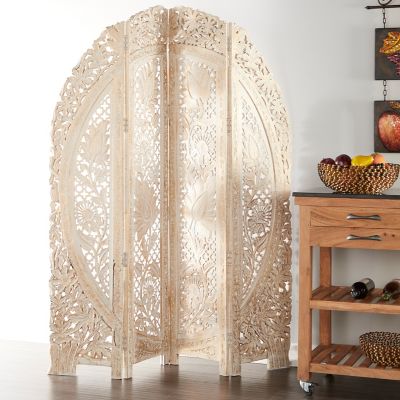
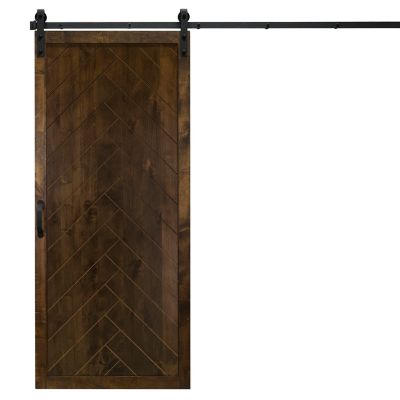
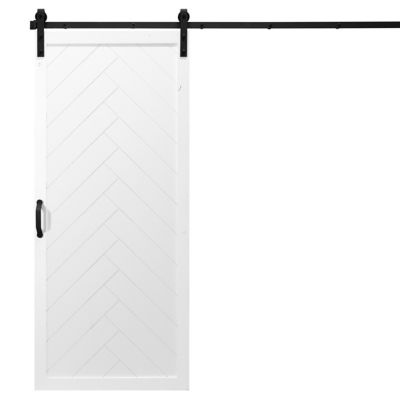
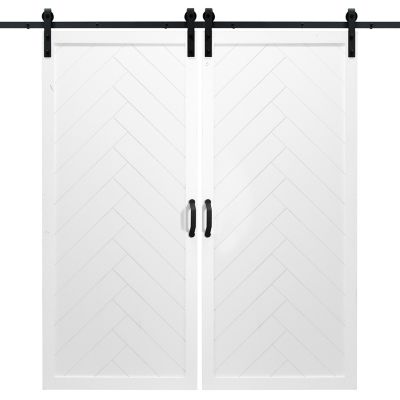
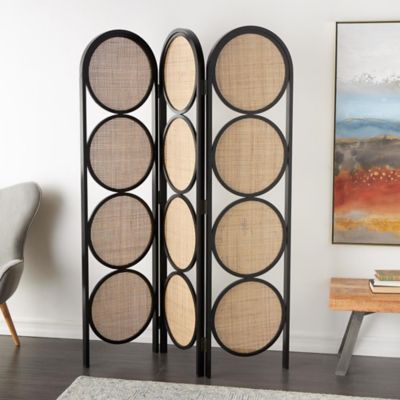
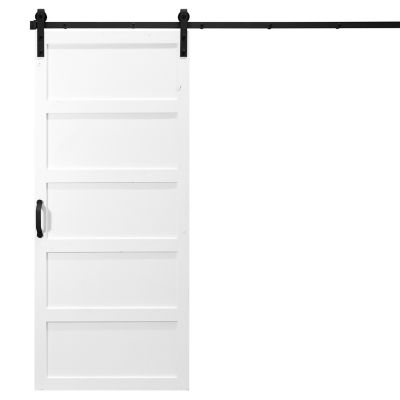
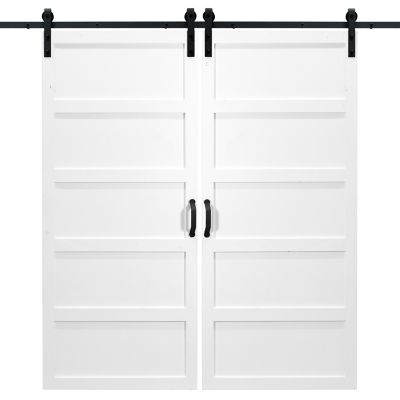
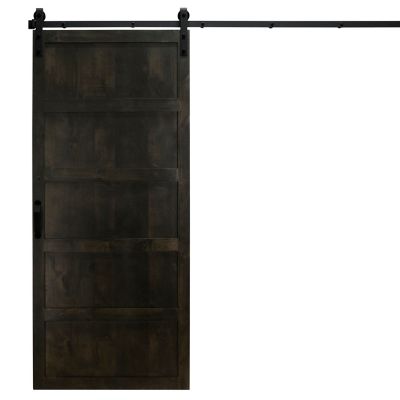
Partition doors, also called room divider doors, make it easier to shape a space around the way you live and work. Instead of treating a large room, shop, office, barn area, or outbuilding as one fixed open space, you can create separate zones that serve different purposes. Close them when you need privacy, less noise, or a little help keeping dust and drafts in check, then open them to bring the areas back together. This flexible setup comes in handy in a busy farmhouse where a mudroom may need to separate boots and work clothes from the rest of the house, or in a garage where one side serves as a workshop while the other holds outdoor gear. In a small business, partition doors can divide a customer area from storage or give employees a quieter place to handle paperwork. They are also useful in offices, classrooms, clinics, studios, utility rooms, and other spaces that need to change throughout the day. Depending on the design, partition doors may slide along a track, fold in sections, pivot, or open across a broad passage. A sliding style is a practical choice when floor space is limited because the door moves alongside the wall instead of swinging into the room. Folding styles can open wide and tuck neatly to one side, making it easier to move feed bags, tools, furniture, or equipment through the opening. Solid doors provide a stronger visual break and may help reduce sound transfer, while glass or other see-through panels can separate areas without making a room feel closed in. The right choice depends on the opening, the surrounding structure, and how often the door will be opened and closed.
Before choosing partition doors, start by measuring the opening carefully, including the width, height, and available wall or ceiling space where the track or hardware may sit. Check for trim, light switches, shelving, pipes, wiring, and other obstructions that could interfere with operation. A level, sturdy mounting surface matters, especially for larger doors that will be used often. Consider the floor, too. A smooth, reasonably flat surface helps a door glide, fold, or close properly, while uneven flooring may call for an installation approach that accommodates the condition. Think through the daily traffic pattern before settling on a style. If people regularly carry armloads of supplies through the opening, a wide-opening design may be more convenient than a narrow swinging door. If the room needs to stay open most of the time, look for a door that stores close to the wall and does not take up valuable workspace. For privacy, look at the door’s opacity and how well it closes along the sides and bottom. For a home office, laundry area, or shared living space, even a modest visual barrier can make the room feel calmer. In a workshop, kennel area, or utility space, a sturdier construction may better stand up to bumps, dirt, and repeated use. Doors with a solid fit and suitable seals can also help manage light, odors, and everyday noise, although no partition door will completely soundproof a room. Materials and finishes deserve attention as well. Choose a surface that fits the surrounding décor if the door will be inside the home, or favor easy-clean, durable construction for farm, shop, and work areas. Hardware should feel substantial, move smoothly, and match the weight and size of the door. For another space-saving option that brings a wide opening and an easy transition between rooms, browse
Sliding Doors.
Partition doors can make a noticeable difference in the rhythm of a household or workplace. Picture a long room on a cool morning: one end holds a desk and paperwork, while the other is used for sorting supplies and shaking out muddy coats. Closing the divider helps keep the work area settled without requiring a permanent wall or a major remodeling project. During warmer weather, opening the door can improve sightlines and airflow between connected spaces; during the cooler months, closing it can help separate areas that are heated differently. In a home, these doors can create a little privacy around a guest sleeping area, set off a play space, or give a dining room a more defined feel when company comes by. In a farm shop or detached garage, they can help keep a clean assembly area apart from messy repairs. Pet owners may use them to establish temporary boundaries between animals, feeding areas, and household traffic, while still keeping supervision easy when the door is open. They can also help businesses adjust a room for deliveries, meetings, seasonal displays, or changing work needs without building a permanent partition. Keep maintenance in mind after installation: remove dirt from tracks, tighten loose hardware, check fasteners from time to time, and avoid forcing a door that drags or catches. If the door is exposed to dust, grit, moisture, or heavy use, regular cleaning can help preserve smooth operation. Follow the manufacturer’s installation and weight guidelines, and get an extra hand when handling wide or heavy sections. With the right measurements and a little planning, partition doors offer a practical way to make better use of the space you already have, whether that means turning one large room into two useful areas or opening everything back up when the job is done.