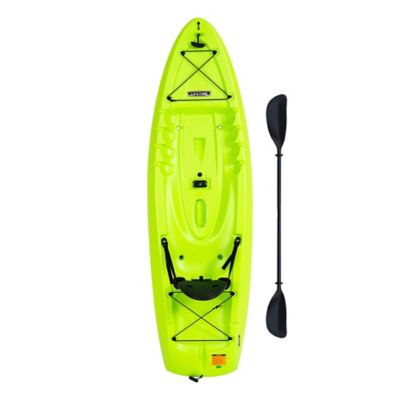
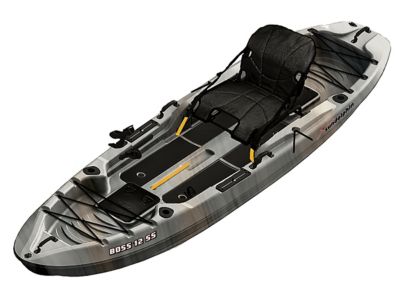
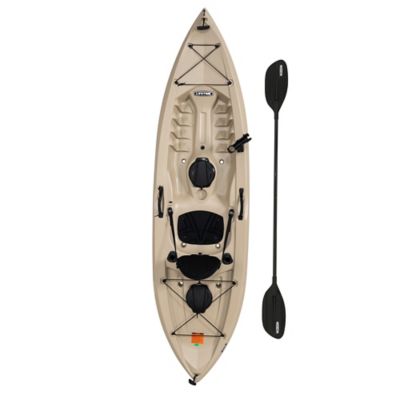
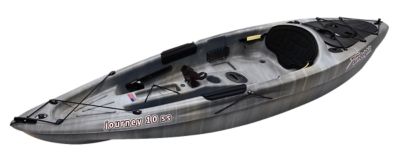
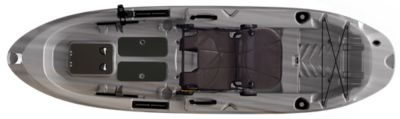
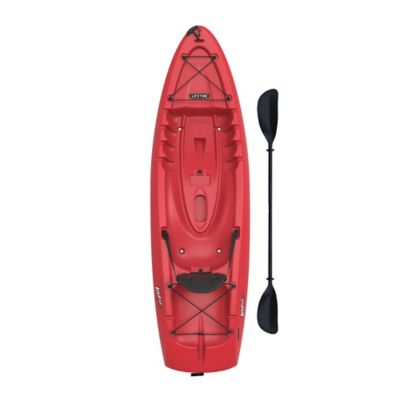
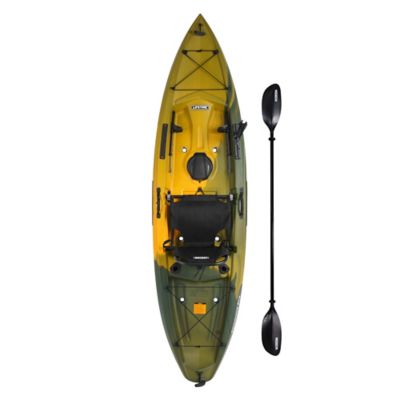
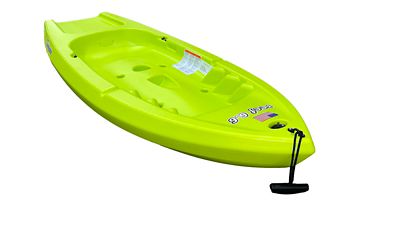
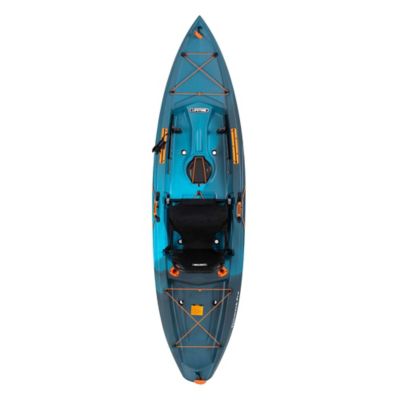
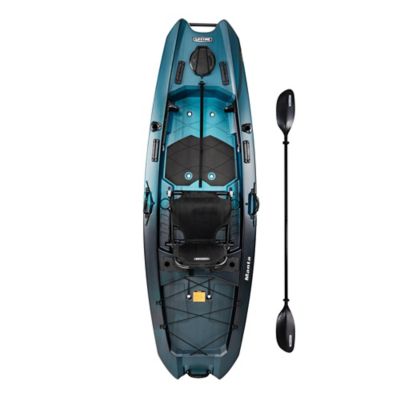
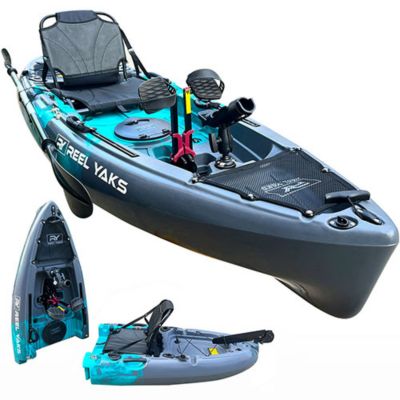
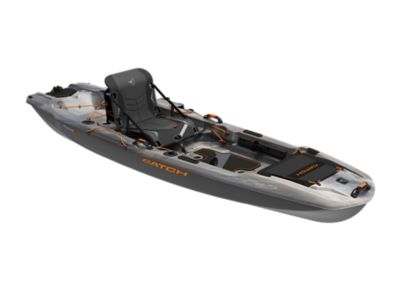
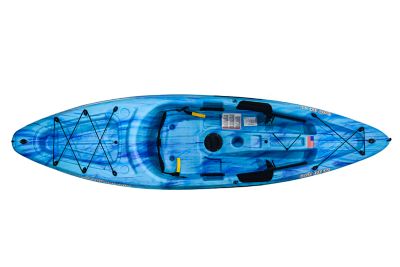
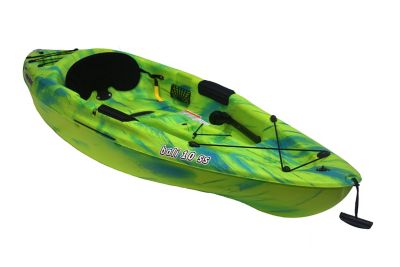
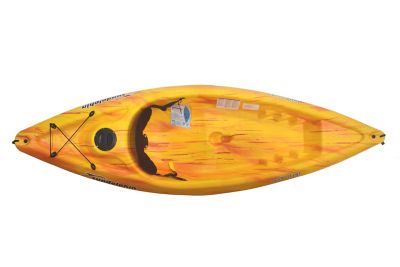
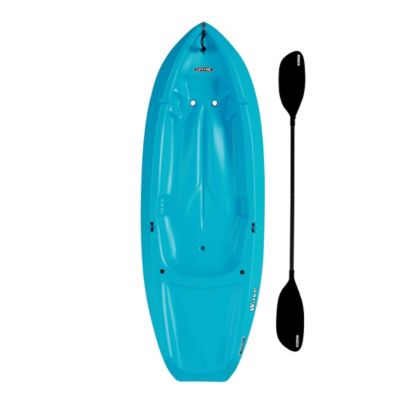
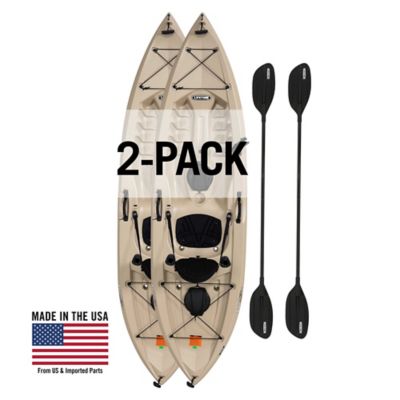
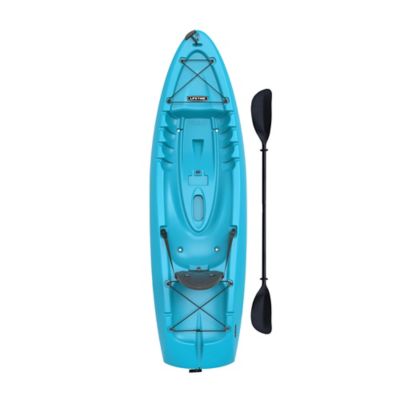
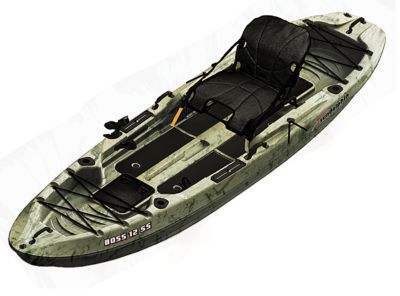
A sit-on-top fishing kayak is a fishing-focused watercraft with an open deck and a seat above the hull rather than inside an enclosed cockpit. That layout gives anglers room to cast, reach tackle, and shift their legs without working around a cockpit rim. Many designs include rod holders, gear storage, and scupper holes that let water drain from the deck. For someone slipping into a quiet cove or fishing along a farm pond’s shoreline with permission, the appeal is straightforward: a small craft can reach water that is awkward to fish from the bank without requiring a boat ramp. The open layout can also make getting back aboard after a capsize more manageable than with some enclosed designs, though re-entry still takes practice and depends on the paddler and kayak. Stability comes from hull shape, width, load placement, and conditions on the water—not simply from having a sit-on-top seat. Broader, flatter hulls often feel steadier during seated casting, while longer, narrower hulls generally favor efficient travel and tracking. Shorter kayaks tend to turn more readily around tight bends and shoreline cover. No single shape does every job equally well. An angler working a small pond has different needs from someone crossing a large reservoir or following a moving river. Standing to cast calls for a kayak expressly designed for that purpose, along with good balance and suitable conditions; an open deck alone does not make standing appropriate. Beginners, experienced bank anglers branching out onto the water, and folks who prefer a smaller fishing setup can all find this style worth considering. The best fit starts with the places a person intends to fish, the distance from launch to fishing spot, and the amount of gear that needs to come along. A compact fishing platform makes the most sense when its handling, layout, and carrying requirements match the outing.
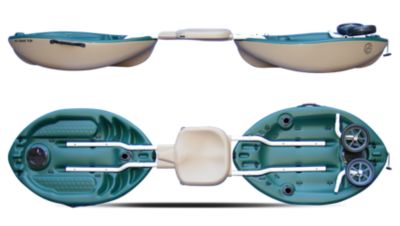
Materials and fit have a lot to do with how a sit-on-top fishing kayak feels over a full trip. Rigid hulls commonly feature polyethylene, with construction methods and hull thickness affecting weight, stiffness, and resistance to bumps or scrapes. Rotomolded construction forms the hull as a single piece, while some other manufacturing methods join molded sections; care requirements depend on the particular construction. Occasional contact with a landing is different from dragging a loaded kayak over gravel, which can wear down the keel over time. A replaceable skid plate, where fitted, can help protect a common wear point, but carrying the boat or moving it on a suitable cart is easier on the hull. Seat design deserves just as much attention. Adjustable back support, adequate seat width, and foot braces positioned for the paddler’s leg length help create a comfortable casting and paddling position. Raised seats can improve visibility and make tackle access easier, but they also raise the paddler’s center of gravity. A lower seating position may feel steadier. Check the manufacturer’s weight capacity against the combined weight of the paddler, tackle, drinking water, safety equipment, and any drive system or battery aboard. Staying below a stated maximum does not guarantee good handling if the load is poorly distributed or leaves too little freeboard. Storage layout matters here, too. A rear tank well can hold secured gear, while smaller compartments keep frequently reached supplies closer to the seat. A hatch should not be assumed watertight unless its specifications say so; phones and other water-sensitive belongings still benefit from suitable waterproof protection. Rod holders should keep rods clear of the paddle stroke, and accessory tracks offer mounting points without automatically making every attachment compatible. Paddle propulsion keeps the setup relatively simple. Pedal drives can free the hands for fishing between steering adjustments, but add weight and need clearance below the hull. Motor-ready designs introduce mounting, power, transport, and possible registration considerations. Those choices should suit the water and the angler’s routine, rather than adding equipment that gets in the way.
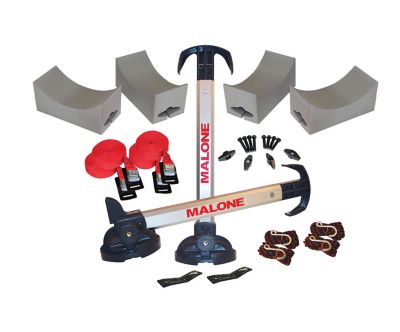
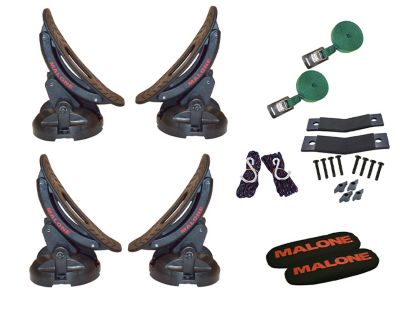
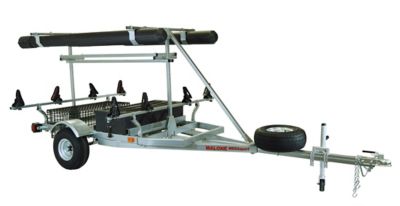
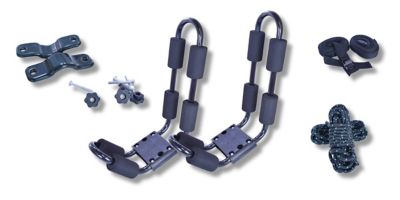
Getting the kayak from the shed to the launch is part of ownership, not an afterthought. Hull weight and fully rigged weight can differ considerably, especially after adding a seat, drive, battery, or tackle. Carry handles help with lifting, but their location and the boat’s width affect how manageable it feels for one person. A kayak that handles well afloat may still be awkward to raise onto a tall vehicle. Truck beds, roof carriers, and trailers each require appropriate support and secure tie-downs, with vehicle and carrier load limits checked before travel. An
Inflatable Fishing Kayak may be worth comparing when compact storage and transport matter more than keeping a rigid hull ready to load. Either construction calls for a realistic plan for launching, landing, and putting everything away afterward. Rinse the hull, seat, hardware, and drive components as directed, particularly after contact with salt water, and remove mud and aquatic plants before leaving the access area. Follow local clean, drain, and dry requirements to help prevent moving invasive species between waterways. Let compartments and seating dry before storage, inspect fittings and attachment points regularly, and support the hull according to the manufacturer’s directions to help prevent distortion. Keep drain plugs and scupper components in their intended places, following the kayak’s instructions rather than blocking openings by guesswork. On the water, wear a properly fitted, Coast Guard-approved life jacket, carry required signaling equipment, and secure tackle so it cannot easily spill or snag during movement. Practicing entry, exit, and re-entry in a controlled setting builds familiarity before a fishing trip adds hooks, rods, and distractions. As a gift for an angler, a fishing kayak is a better match when paddler size, preferred water, vehicle setup, and storage space are already known. For everyday ownership, the payoff is a boat that fits the whole routine: easy enough to take along, comfortable enough for patient fishing, and arranged so the next cast does not require digging through a pile of gear.