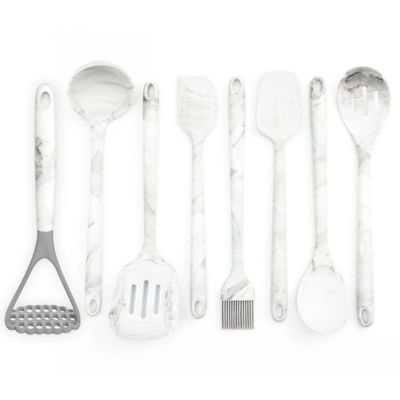
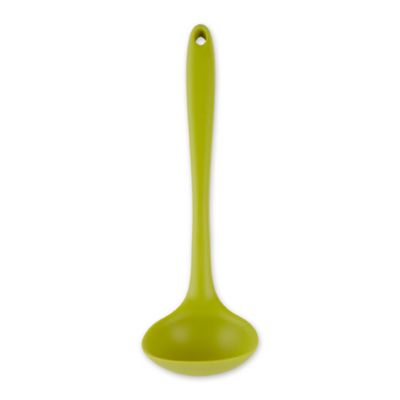
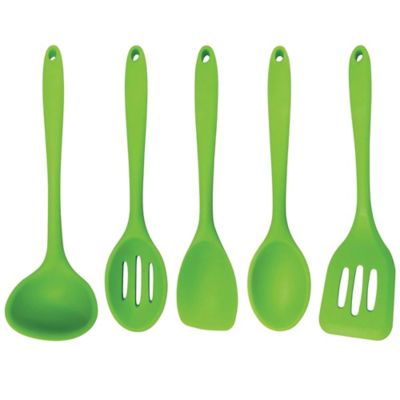
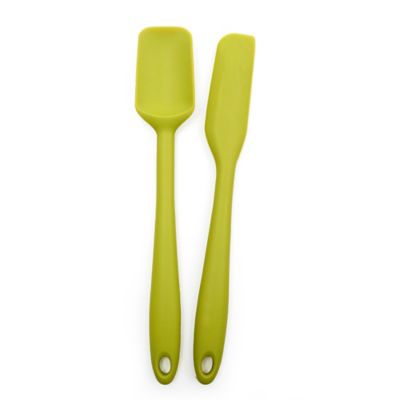
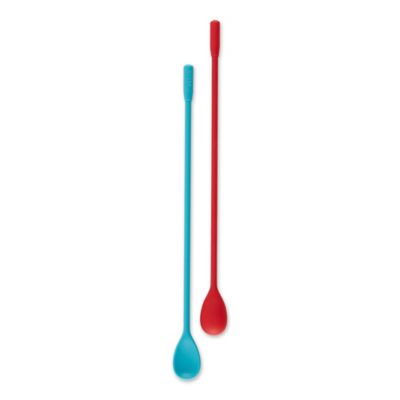
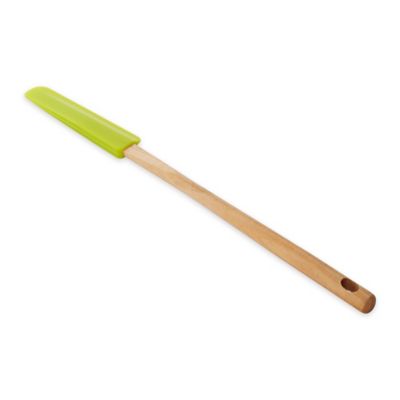
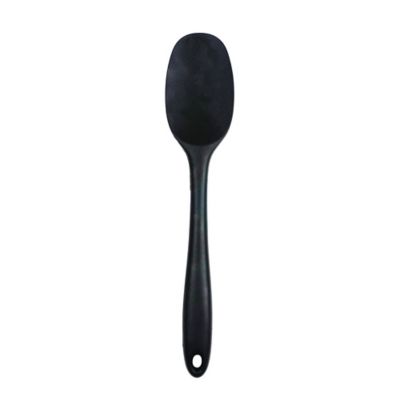
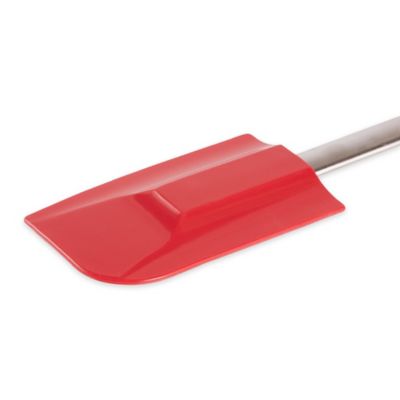
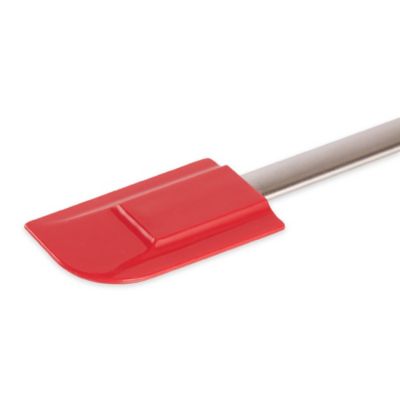
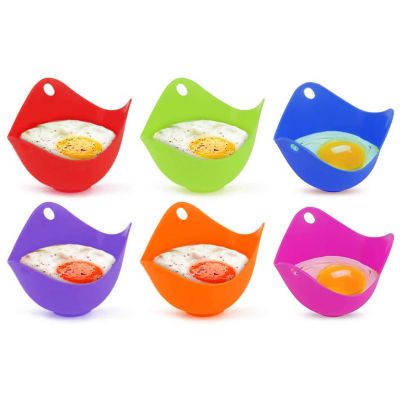
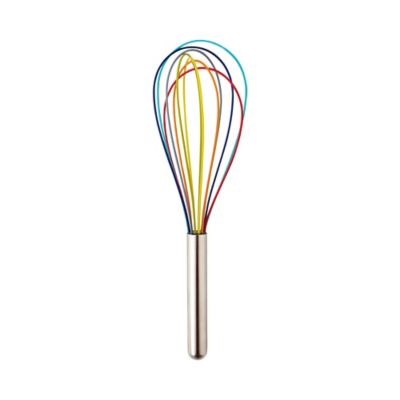
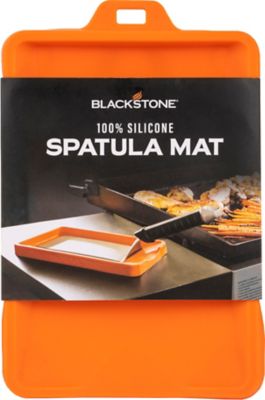
Silicone kitchenware covers cooking, baking and food-prep tools made with silicone intended for food contact. Its flexible edges help scrape batter from bowls, fold ingredients together and move food across a pan without the hard edge of bare metal against the cooking surface. That makes silicone a practical choice for everyday meals, from scrambled eggs before chores to a skillet supper at the end of a full day. Food-contact suitability, heat resistance and care requirements depend on the individual tool, so the material name alone does not tell the whole story. Some silicone utensils have a firm inner core for support, while others bend more freely from handle to tip. A reinforced design can give better control when stirring thick dough or lifting heavier portions, while a thinner, softer edge can follow the curve of a mixing bowl and reach the last bit of frosting in the bottom. Neither feel is better for every job; the right balance comes down to what happens most often at the counter and stove. Silicone surfaces are generally gentle on nonstick and ceramic-coated cookware, although trapped grit, damaged edges or an exposed inner core can still harm a finish. Smooth edges and intact surfaces matter just as much as the material itself. Handle construction also changes how a tool feels in the hand. An all-silicone exterior offers a continuous gripping surface, while designs with wood or metal handles bring different weight, balance and care needs. A broad handle may feel steadier during a long stretch of stirring, but an oversized grip can be awkward for smaller hands. For someone who cooks several meals a day, those little differences add up. A tool that reaches the bottom of the pot, rests comfortably in the palm and moves cleanly around the pan is more useful than one chosen on appearance alone. Seams and joints are worth noticing, too, since tight construction leaves fewer places for batter or sauce to collect.
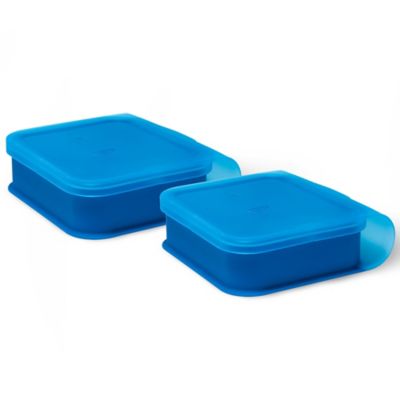
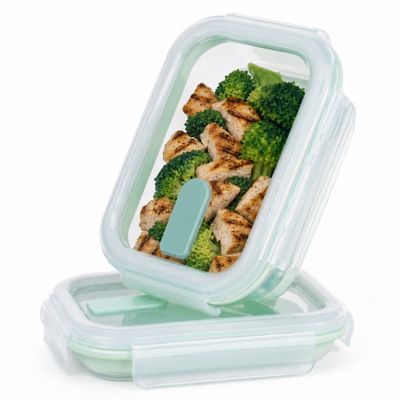
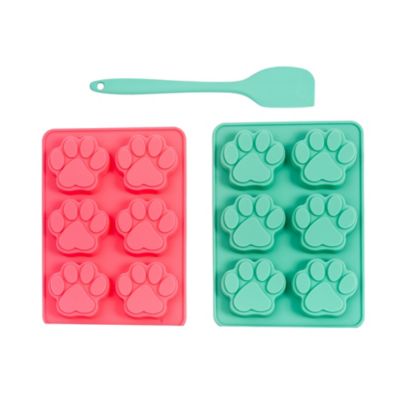
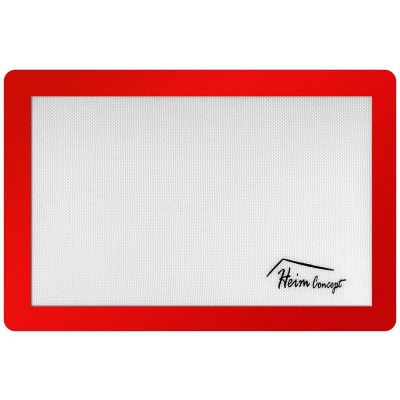
Fit matters beyond the handle. The working end should suit the cookware, mixing bowls and baking pans already in the kitchen. A wide edge can move food efficiently across a roomy skillet, while a narrower head fits more easily into small saucepans and jars. Longer handles provide reach into deeper cookware, though extra length can feel clumsy at a crowded counter or make drawer storage harder. For baking, flexible silicone surfaces can help release cooled food and make it easier to peel a liner away from the finished bake. Results still depend on the recipe, pan construction and preparation directions; silicone does not eliminate every need for greasing or other preparation. Flexible baking forms may also need the support of a baking sheet, especially when filled with loose batter. Checking that requirement before filling helps prevent a wobbly trip from counter to oven. Heat resistance deserves the same attention as size and shape. Silicone is heat resistant, not heatproof, and maximum temperatures vary by manufacturer and construction. A heat-rated head does not automatically make the handle, joint or entire utensil suitable for the oven. Direct flame, exposed heating elements and broiler use require particular caution and should never be assumed safe without explicit manufacturer approval. A tool left against a hot pan rim can also face more concentrated heat than a quick stir through food. These distinctions matter in a busy kitchen where several pans may be going at once. Silicone intended for freezer storage is not automatically suitable for baking, and an oven-safe designation does not establish suitability for every other appliance. Clear instructions for the intended task are more useful than broad claims about the material. For households that move between stovetop cooking, baking and storing leftovers, matching each piece to its stated purpose helps keep the kitchen routine straightforward. A good fit should simplify the task rather than create another workaround.
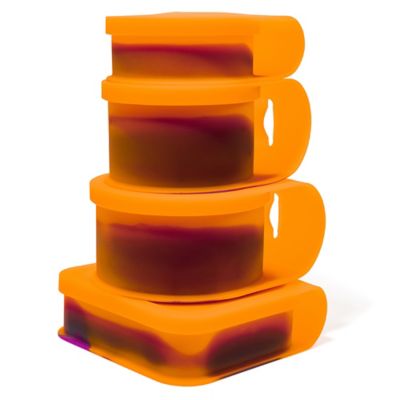
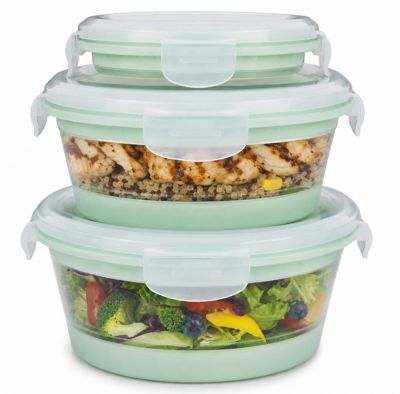
Care and storage play a big part in how silicone kitchenware holds up over time. Many designs allow dishwasher cleaning, but that feature needs to apply to the whole piece, including handles, bonded sections and any internal components. Wood handles may call for hand washing and prompt drying, even when the silicone head tolerates a dishwasher. Smooth, one-piece construction can make cleanup simpler because there are fewer joints to inspect after sticky dough, gravy or melted cheese. Warm water, dish soap and a soft sponge are often enough for routine washing when consistent with the care directions. Silicone can pick up food odors or discoloration, particularly after contact with strongly seasoned sauces, so prompt cleaning and thorough drying are worthwhile habits. Staining alone does not necessarily mean a tool has failed, but cracks, torn edges, peeling surfaces or exposed reinforcement are reasons to stop using it for food preparation. Sharp knives and abrasive scrubbers can damage silicone, and folding a reinforced utensil into a tight drawer can strain its construction. Storage works best when flexible edges have room to keep their shape and washed pieces can dry completely before being put away. A utensil crock keeps frequently reached-for tools close to the stove, while drawer storage can keep the counter clear for rolling dough or packing lunches. For a broader kitchen refresh, coordinating
Kitchen Hardware can help pull the working space together without taking the focus off everyday function. Silicone kitchenware can also make a thoughtful housewarming or wedding gift, especially when the recipient cooks with coated pans or enjoys baking for a crowd. Matching the selection to that person's cooking habits, hand comfort and cleanup preferences makes the gift feel considered. In a farmhouse kitchen, a first apartment or a busy family home, the most useful choices are the ones that fit familiar recipes, clean up without a fuss and earn a regular place within reach.