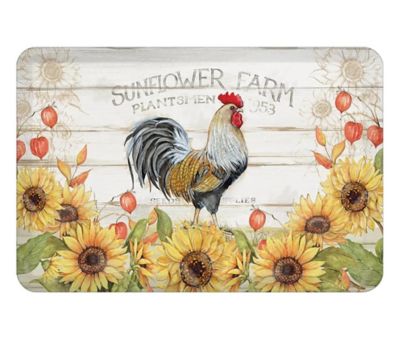
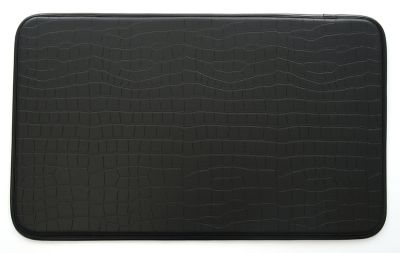
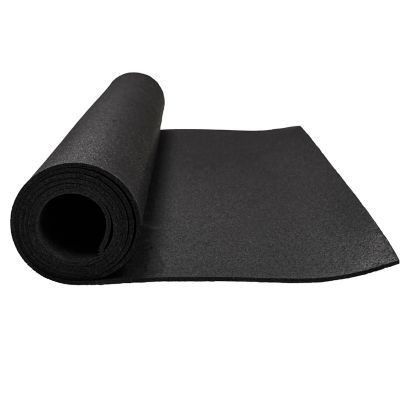
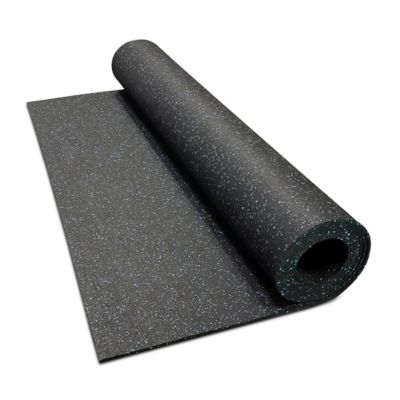
Rubber mats for kitchens can add cushioning underfoot, improve traction and help manage spills around sinks, prep counters and dishwashing stations. Their usefulness comes down to the way each mat is built: drainage openings allow liquids to pass through, a solid surface keeps crumbs and splashes on top, and a resilient rubber body can make long stretches of standing more comfortable. In a farmhouse kitchen, that might mean a softer place to stand while washing a sink full of pots or putting together supper after chores. In a restaurant or community kitchen, it might mean coverage at a prep station where cooks spend hours on their feet. Anti-fatigue construction allows some give beneath a person’s weight, but thickness alone does not tell the whole story. A mat that feels too soft can make turning and stepping feel less steady, while a firm, thin mat may offer little cushioning. The balance between support and flexibility matters more than simply choosing the thickest option. Material composition matters, too, especially where cooking oils and animal fats reach the floor. Nitrile rubber is often selected for grease and oil resistance, while natural rubber and other rubber blends have different strengths and limitations. Not every rubber mat is suited to repeated grease exposure, and even similar-looking surfaces can have different care requirements. Manufacturer specifications help distinguish mats intended for dry standing areas from those built for wet or greasy kitchen work. Raised patterns can improve footing, but no surface is slip-proof; spilled oil, soap residue and food scraps still need prompt attention. For anyone moving between the stove, sink and counter, the best fit is a mat that supports the task without getting in the way. A practical kitchen mat should feel like part of the workspace, giving feet a defined place to land while leaving enough room to step, turn and carry a full dishpan without catching an edge.
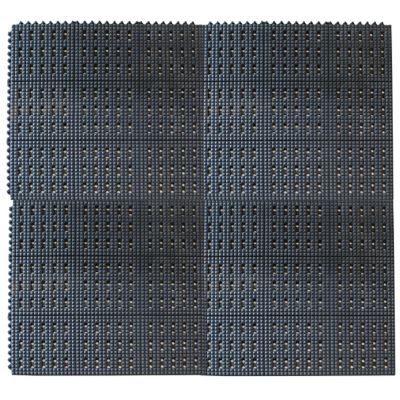
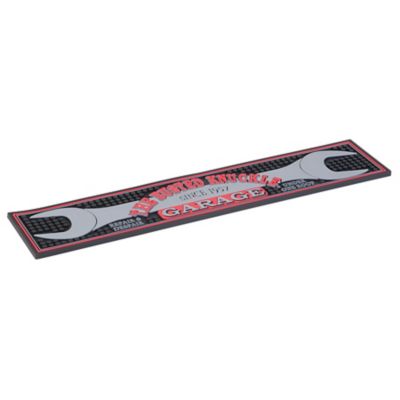
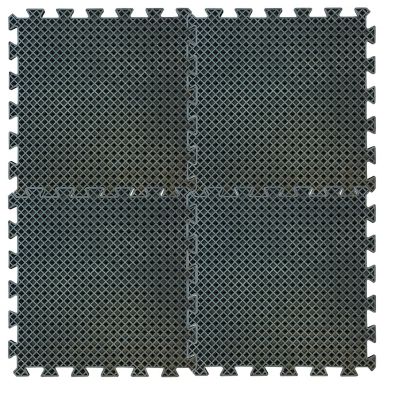
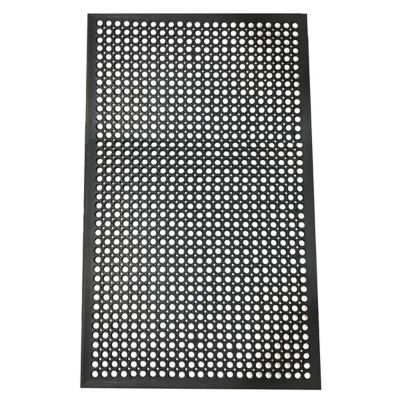
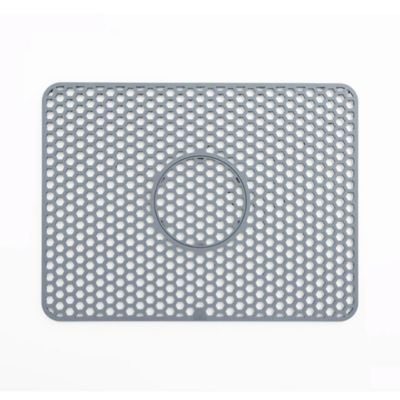
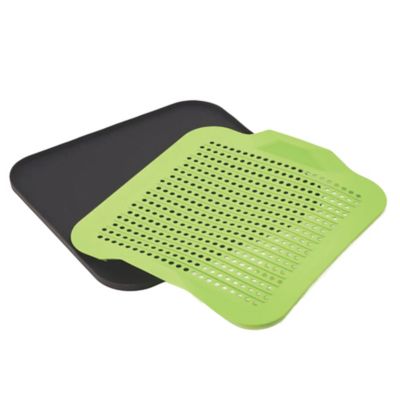
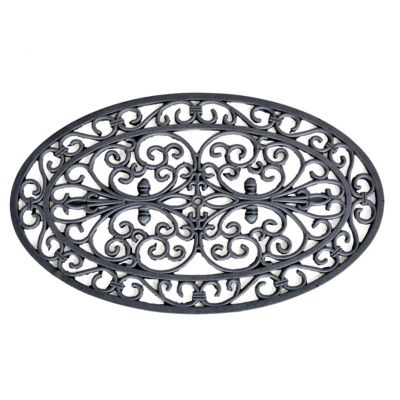
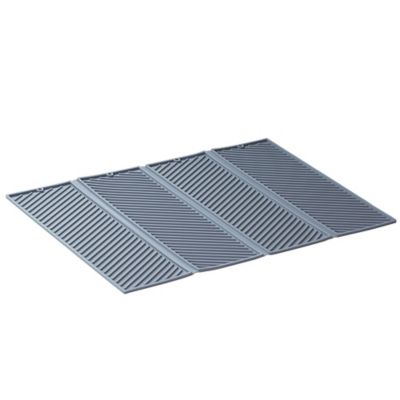
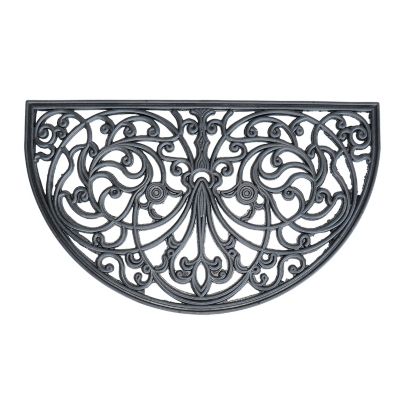
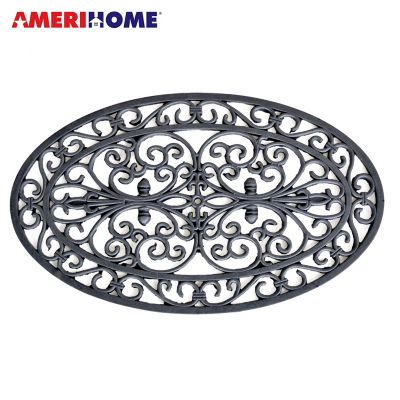
Fit involves more than matching a mat to an open patch of floor. Kitchen rubber mats work best when their dimensions suit both the standing area and the movement around it. A compact rectangle can define the space in front of a sink, while a longer runner may suit a stretch of counter where food preparation and cleanup happen side by side. Coverage should reach the spots where feet naturally rest without crowding doorways, floor registers or the path between appliances. A refrigerator door, dishwasher door or pullout drawer still needs room to open without dragging across the mat. Low-profile, beveled edges create a gentler transition from the surrounding floor, an important detail where people carry heavy pots or move rolling carts. A flat mat that stays in place is preferable to one with corners that lift or sections that bunch together. Interlocking sections can cover a broader work area, provided their connections sit securely and their edges finish neatly. Drainage and solid-top designs serve different needs. Open-grid mats let water and small debris pass through, helping separate the standing surface from some of the mess beneath it. That arrangement can make sense near a busy dishwashing station, but the floor underneath still needs cleaning and a proper path for water removal. Drainage holes do not make spilled liquid disappear. Solid-top mats keep most crumbs and splashes where they can be wiped or swept away, which can be convenient in home kitchens without floor drains. Surface texture also affects everyday handling: deep grooves may provide traction but take more effort to scrub, while a shallower pattern can be easier to wipe down. Around rolling equipment, the mat’s thickness, firmness and surface openings deserve special attention so wheels can cross without sinking, catching or creating an awkward bump. The right layout keeps comfort underfoot without turning a busy kitchen into an obstacle course.
Routine care helps kitchen rubber mats keep their shape, surface grip and usefulness through repeated cooking and cleanup. Crumbs, flour and bits of chopped vegetables can collect along edges or settle into openings, so cleaning includes both the mat and the floor beneath it. Most care routines begin with removing loose debris, followed by washing with a cleaner approved for the rubber compound. Strong solvents, concentrated degreasers and certain disinfectants can affect some materials, making the manufacturer’s cleaning directions worth keeping handy. A mat that tolerates a rinse with a hose may still have limits on water heat, pressure or chemical exposure; dishwasher cleaning should never be assumed safe unless the care instructions specifically allow it. After washing, both sides need time to dry before the mat goes back onto a clean floor. Trapped moisture can leave the underside slick, contribute to odors and affect some floor finishes. Floor compatibility is another detail that matters in a home kitchen, since certain rubber compounds can discolor some vinyl or other finished surfaces. The flooring manufacturer’s recommendations and the mat’s stated compatibility provide a better basis for a match than appearance alone. Weight and flexibility affect cleanup as well. A large, heavy mat may stay put nicely but be awkward to lift over a sink or carry outside for washing, while smaller sections can make that job more manageable. For standing areas where a softer feel is the main concern,
Soft Rubber Mats offer another way to consider cushioning alongside traction and easy handling. Regular checks for cracking, swelling, worn tread or curled edges help identify when a mat no longer lies flat or performs as intended. With material, layout and upkeep matched to the work, rubber kitchen mats can make everyday tasks feel more comfortable, whether that means kneading dough at the counter, washing produce from the garden or tackling the dishes after a big family meal.