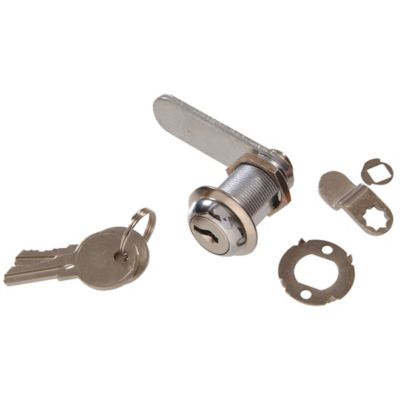
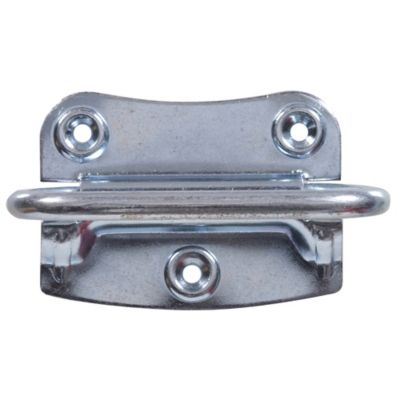
Kitchen hardware includes the knobs, pulls, hinges, drawer slides, catches, and latches that help kitchen cabinets open, close, and stay shut. These fittings handle a lot of everyday work, from opening the silverware drawer before supper to reaching for a heavy mixing bowl in a base cabinet. Cabinet knobs generally attach with one screw and give doors or smaller drawers a compact handhold. Pulls usually attach at two points, with shapes ranging from straight bars to curved handles and cup pulls that cradle the fingers from underneath. The shape and reach of
cabinet hardware handles affect both comfort and appearance, especially on wide drawers or frequently opened doors. A handle with enough room behind it can be easier to grasp with larger hands, while smooth edges help prevent sleeves and apron pockets from catching as someone passes through a tight kitchen. Hinges carry door weight and control movement, while drawer slides support the drawer and determine how far it travels. Catches, latches, and bumpers take care of smaller details, such as holding a door closed or cushioning contact with the cabinet frame. Together, these parts shape how a kitchen feels in daily use, even when much of the mechanism stays out of sight. In a farmhouse kitchen with painted cabinets and a deep sink, simple knobs or curved pulls can keep the room feeling familiar and practical. Straight handles and concealed hinges can give flat-front cabinets a cleaner appearance without making the space feel fussy. Households with children, frequent guests, or several people cooking at once may put extra value on rounded edges, comfortable grips, and doors that close with less noise. For someone refreshing sound cabinets rather than replacing them, kitchen cabinet hardware can change the look and feel of the room while leaving the cabinet boxes, counters, and layout in place.
Fit matters as much as appearance because cabinet hardware connects to parts that already have set dimensions and mounting points. For replacement pulls, the center-to-center measurement is the distance between the centers of the screw holes, not the handle’s overall length. Two pulls can look about the same size yet require different hole spacing. Knobs generally need a single mounting hole, though the base size also matters when an older finish has left a visible outline around the original fitting. Handle projection describes how far the hardware extends from the cabinet face; that space affects finger clearance as well as clearance beside an appliance, an inside corner, or a neighboring door. A wide drawer may suit a longer pull for visual balance, but drawer width alone does not determine the right fit. The existing hole pattern, drawer construction, and comfort of the grip all play a part. Mounting screws also need to suit the thickness of the door or drawer front. A screw that is too short may not engage enough threads, while one that is too long may bottom out before the handle tightens. Hinges have their own compatibility requirements. Face-frame and frameless cabinets differ in construction, and inset doors sit within the cabinet opening rather than covering its edges. Overlay dimensions, mounting patterns, opening angles, and door thickness help determine which hinge style fits. Soft-close hinges slow the final part of the closing motion, while self-closing hinges pull a door shut after it reaches a certain point; the terms do not describe the same function. Drawer slides likewise need to match drawer length, mounting style, available clearance, and the expected load. A drawer full of cast-iron cookware asks more of its slides than one holding dish towels. Full-extension travel can make the back of a drawer easier to reach, while the manufacturer’s load rating and installation requirements help establish whether the slide suits the job. Compatibility with the cabinet matters more than a similar-looking shape.
Materials and finishes influence the feel of kitchen hardware, its resistance to wear, and the care it needs around sinks, cooking areas, and busy work surfaces. Brass, stainless steel, steel, and zinc alloys are common hardware materials, but a finish name does not necessarily identify the metal underneath. A brass-colored pull, for example, may have a plated finish over another metal. Solid brass can develop a patina when left uncoated, while a protective coating changes how the surface ages and how it should be cleaned. Stainless steel offers corrosion resistance, although the grade, surface condition, and exposure to cleaners still matter. Painted, plated, and powder-coated surfaces each have care requirements, so the manufacturer’s directions are the best reference for cleaning. A soft cloth and a gentle cleaning method help protect many finishes; abrasive pads, harsh chemicals, and metal polish can damage surfaces that are not meant for them. Around a sink, drying away splashes helps limit water spots and residue. Grease and flour can also collect around knobs and beneath pull bases, making smooth shapes with accessible surfaces easier to wipe down after a baking session. Moving parts deserve attention, too: loose fasteners can affect alignment, and hinges or slides may need adjustments as cabinets settle or fittings loosen over time. Lubrication is not suitable for every mechanism, particularly where it could attract grit or interfere with built-in closing components. Finish choice also affects the room’s overall appearance. Brushed nickel and satin finishes tend to soften reflections, polished surfaces catch more light, and matte black creates a stronger outline against pale cabinet fronts. Matching every metal is not necessary, but repeating a finish or shape can help cabinets, faucets, and lighting feel connected. Whether the kitchen serves a small household or a full table after a long day of chores, well-fitting hardware brings together a comfortable grip, smooth movement, and a look that belongs in the room.