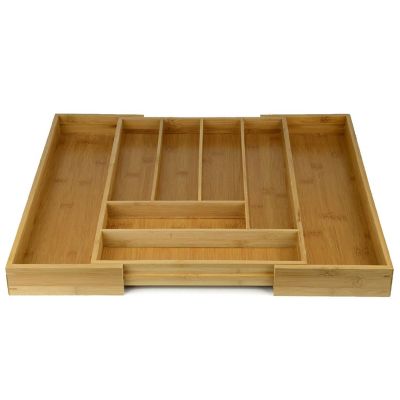
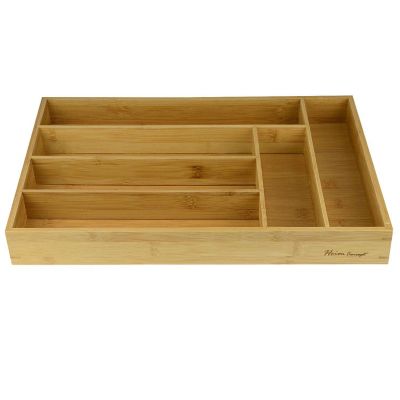
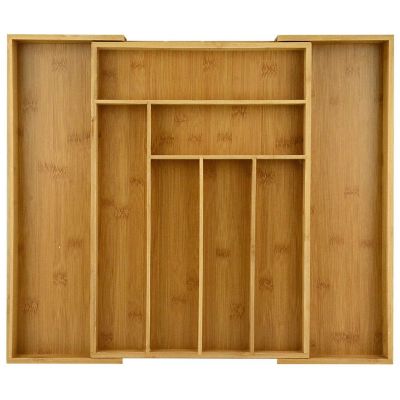
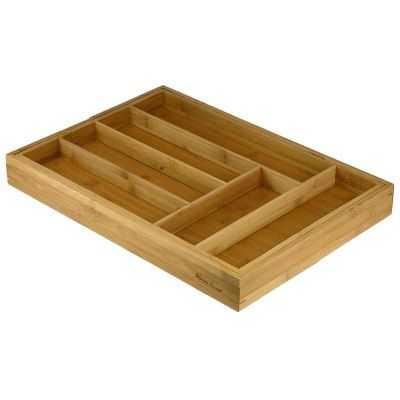
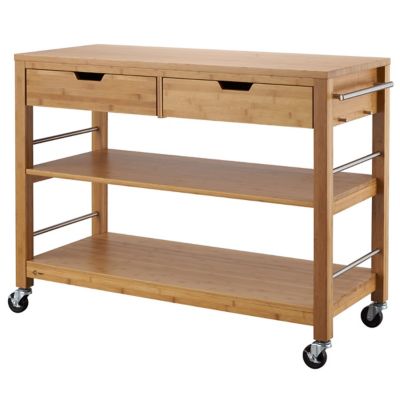
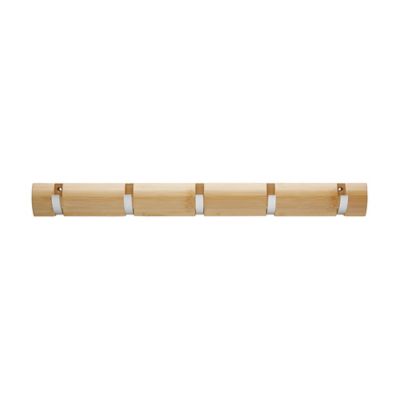
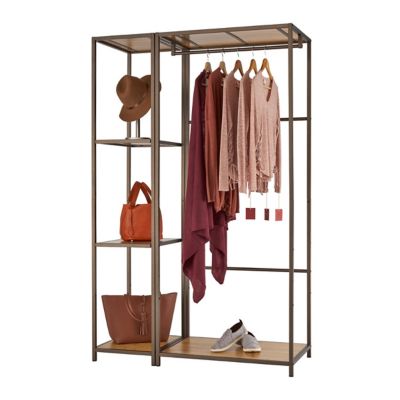
Bamboo kitchen organizers bring a warm, tidy look to the places where clutter tends to pile up, from the silverware drawer and crowded pantry shelf to the counter beside the coffee maker. Bamboo is a popular choice because it is lightweight, sturdy for everyday household use and made from a fast-growing grass rather than traditional hardwood. Its natural grain works well with farmhouse kitchens, modern spaces and everything in between, adding a little color and texture without making a room feel busy. Drawer inserts and expandable trays can separate forks, spoons, knives, cooking tools and serving pieces so each item has a place. Stackable shelves make use of the vertical space inside a cabinet, pantry or open cupboard, leaving room beneath for shorter dishes, cans, mugs or small appliances. Countertop organizers, spice storage, bread storage and canisters can keep frequently used ingredients close at hand while helping clear off the work surface. Before choosing an organizer, measure the space carefully, including the height between shelves, the width of the drawer opening and the clearance needed for hinges or drawer slides. An expandable design can help fit an imperfectly sized drawer, but it should still sit securely without shifting when the drawer opens and closes. For shelves and racks, check the stated weight capacity and think about what will be stored there; lightweight spice jars and tea boxes require less support than cast-iron cookware, full food containers or stacks of dinner plates. A smooth finish and rounded edges are useful around hands and dishes, while nonslip feet or a stable base can help prevent sliding on a busy counter. Bamboo organizers are especially handy for households that cook often, share a kitchen with several people or need to make better use of a smaller home, apartment, camper or hunting cabin. They also make a practical gift for someone settling into a new home, building a pantry, preparing a guest space or getting a kitchen ready for the cooler months, when more meals may be cooked indoors and countertops can fill up quickly.
The best setup usually starts with the trouble spot that slows you down every day. If the utensil drawer turns into a jumble, group items by how they are used and choose compartments that are long enough for the tools you reach for most. A shallow tray may be a good fit for flatware, while deeper sections can hold peelers, measuring spoons, whisks or other small kitchen tools. In a pantry, stackable shelving can turn one tall, hard-to-reach shelf into two useful levels, making it easier to see the last jar of pasta sauce or a can of pet food tucked toward the back. Keep heavier items on lower shelves whenever possible, and avoid packing organizers so tightly that containers become difficult to lift out. Spice racks work best near the area where food is prepared, but away from direct heat and steam. Canisters can hold dry staples such as flour, sugar, coffee, rice or baking ingredients, provided they close securely and are labeled clearly. Bread storage can help keep a loaf contained and the counter looking neater, though bread should be cooled before it is put away and the container should be kept dry. Bamboo trays can also corral oils, seasonings or drink-making supplies, making it easier to move several items at once when wiping down the counter or setting up a family meal. For homes with children, organizers can help place everyday dishes and snacks within reach, while keeping sharp utensils, cleaning products and breakable pieces in a safer location. Renters and anyone avoiding permanent cabinet changes may appreciate organizers that add storage without drilling or remodeling. In a workshop or mudroom, a similar approach can keep small hardware and supplies in order; kitchen storage ideas often carry over nicely to
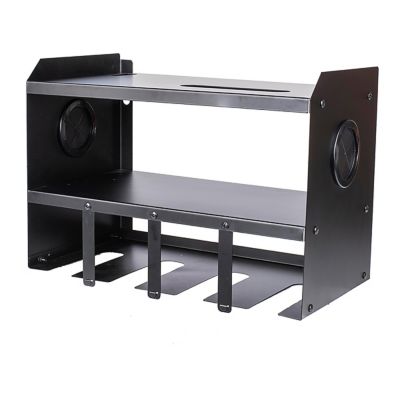
Workbench Organizers when a household needs a place for bits, fasteners and hand tools. A simple arrangement can make a real difference during busy mornings, weekend baking or the after-supper cleanup, when every saved step counts.
Bamboo needs a little care to stay in good shape, especially in a kitchen where water, steam, grease and spills are part of daily life. Unless the care instructions say otherwise, clean bamboo organizers by hand with warm water and a small amount of mild soap. Do not soak them, leave them sitting in a wet sink or put them in the dishwasher, since prolonged moisture and high heat can cause swelling, splitting, warping or finish damage. Wipe away spills as soon as practical, then dry the surface with a clean towel and allow it to finish air-drying in an upright or open position. Avoid harsh abrasives, bleach and strong chemical cleaners that may dull the finish or leave behind unwanted residue. For unfinished or food-contact bamboo surfaces, an occasional coat of food-grade mineral oil can help slow drying and reduce the chance of cracking; many households apply it about once a month, or whenever the surface looks dry and dull. Follow the care directions that come with the organizer, and do not use cooking oils such as olive or vegetable oil for conditioning because they can become sticky or rancid. Keep organizers away from direct stovetop heat, standing water and prolonged sunlight. A quick check from time to time can catch loose joints, rough spots or moisture damage before those issues become a bigger problem. Bamboo organizers are not meant to replace sealed food containers or serve as cutting boards unless they are specifically designed for those tasks, and they should not be overloaded simply because they feel solid in the hand. With sensible placement and routine care, they can provide dependable storage through family dinners, holiday baking, weekend canning and the everyday rush of cooler seasons. The result is a kitchen that feels easier to work in: utensils stay sorted, pantry goods are visible, counters have room to breathe and the things used most often are close by when needed.