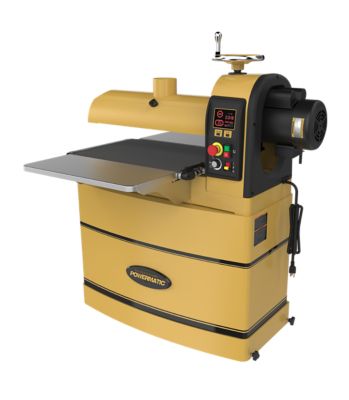
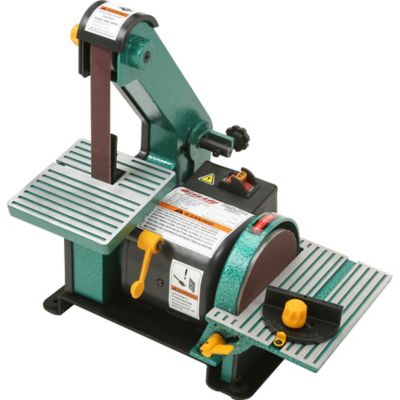
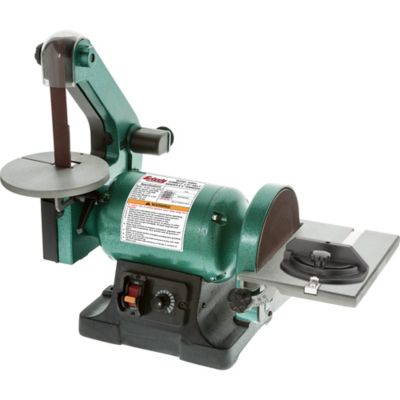
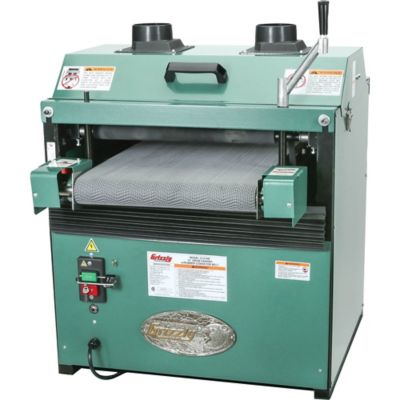
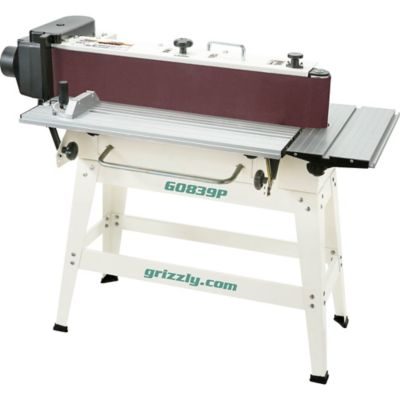
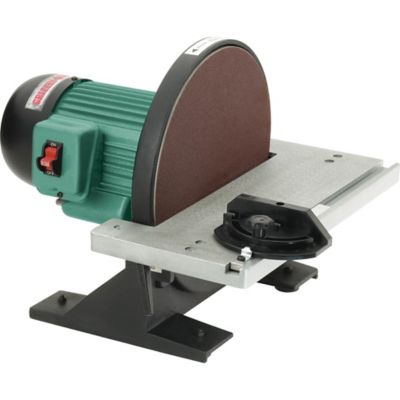
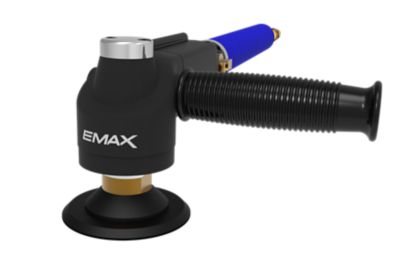
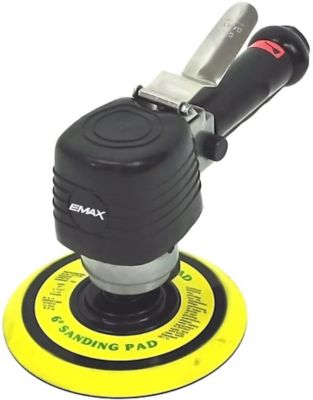
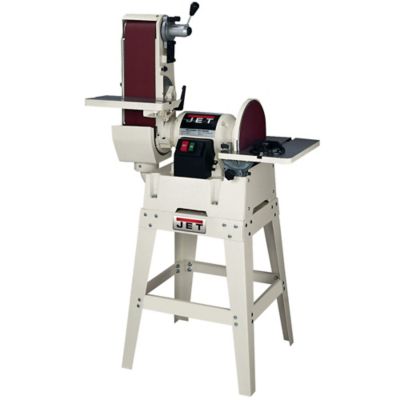
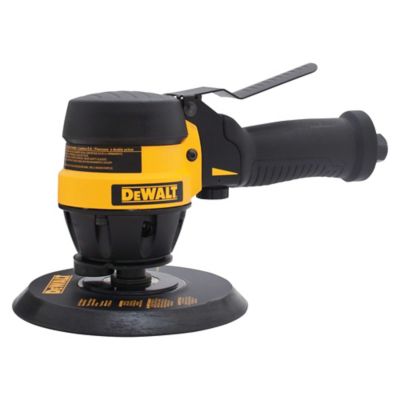
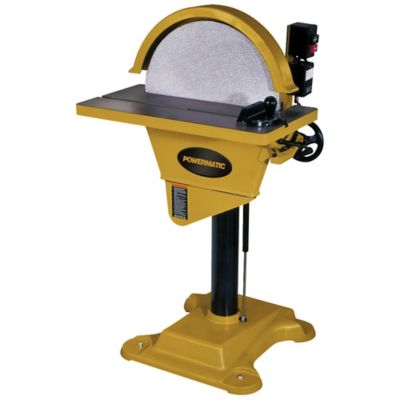
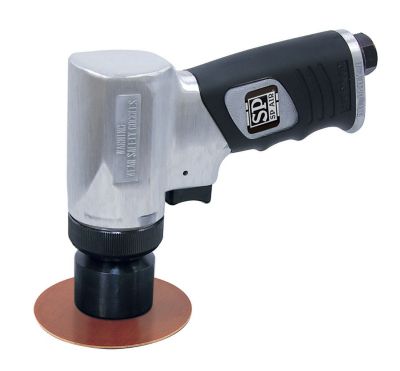
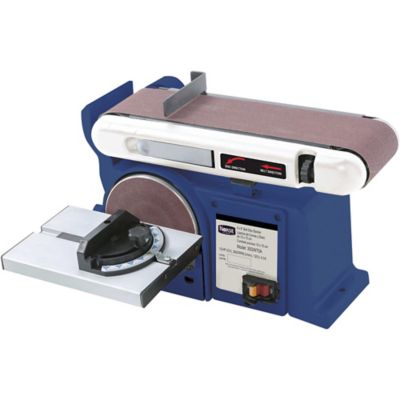
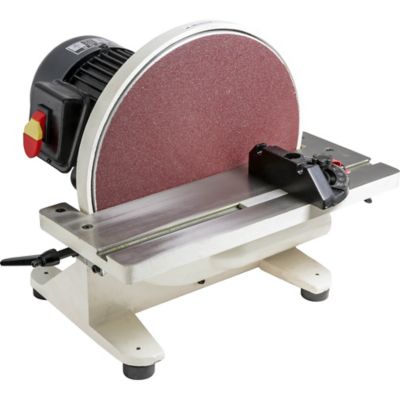
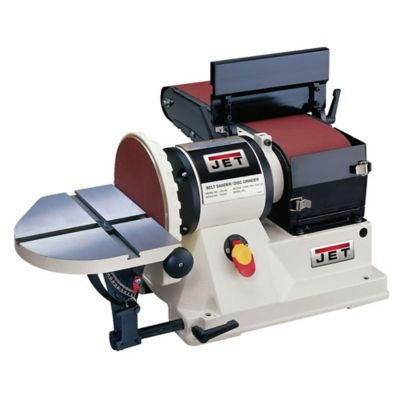
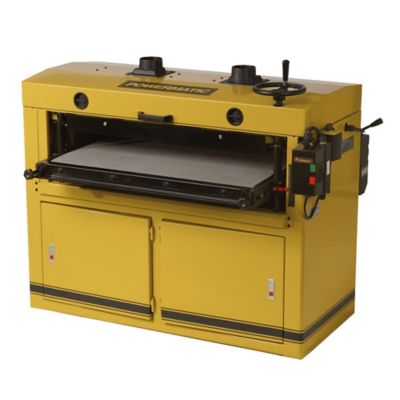
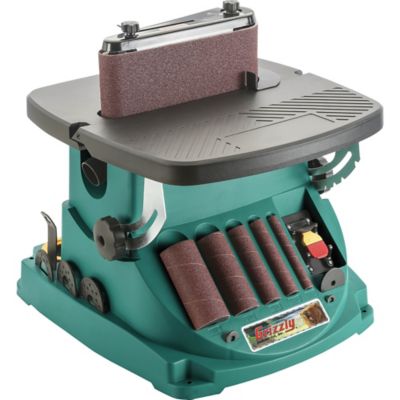
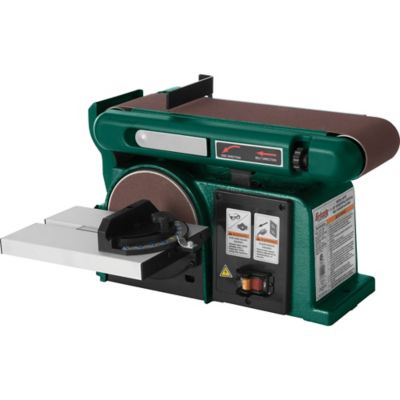
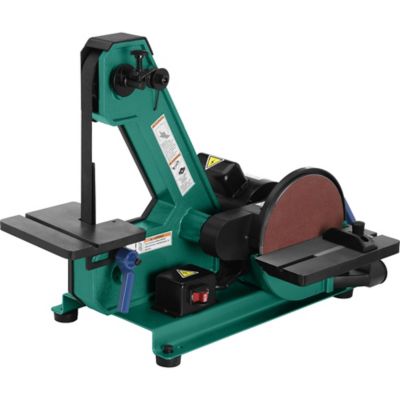
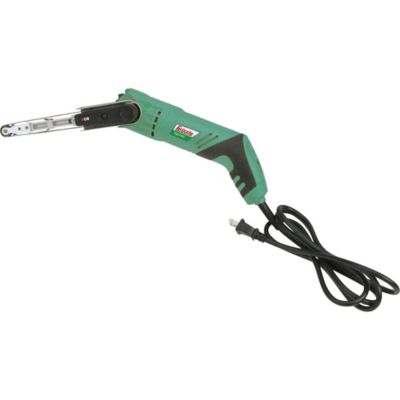
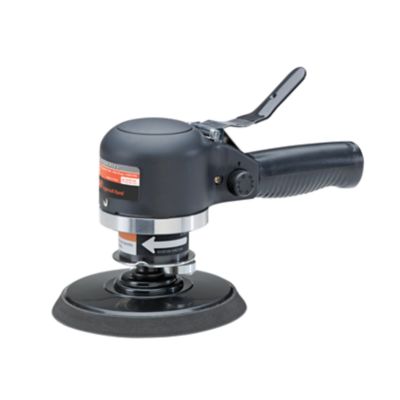
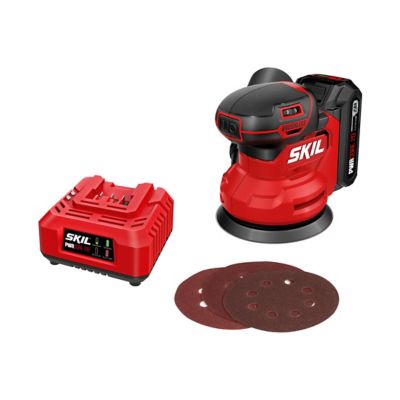
Sanders are useful shop and jobsite tools for smoothing rough lumber, removing old finishes, shaping edges and preparing surfaces for paint, stain or sealant. The right sander can turn a board that feels rough as a fence rail into a surface smooth enough for a tabletop, cabinet door or porch project. They are handy for homeowners, woodworkers, farmers, ranchers, maintenance crews and anyone who likes to repair, build or freshen up things around the place. A portable random orbital sander is a practical choice for general-purpose work, including refinishing furniture, smoothing boards and blending small repairs. Its round sanding motion helps reduce visible swirl marks when the tool is used with the right pressure and grit. Belt sanders remove material quickly and are well suited to large, flat surfaces or jobs where a board needs to be brought down to size, while disc sanders can help square edges and shape stock in a workshop setting. Spindle sanders are made for curved edges, inside contours and scrollwork that can be difficult to reach with a flat sanding pad. Detail sanders fit into corners and tight areas, making them useful for trim, small furniture pieces and projects with multiple angles. Handheld and stationary sanders each have a place in the shop: portable models travel easily from a workbench to a barn, garage or outbuilding, while stationary models offer a steady work surface for repeatable shaping and edge work.
When choosing a sander, start with the kind of material and project you handle most often. Softwood boards, hardwood, plywood, painted surfaces and metal may call for different sanding approaches, so check that the tool and abrasives are suited to the job. Consider the amount of material you need to remove, the size of the workpiece and whether you need a fine finish or fast stock removal. A lighter handheld sander may be easier to control during a long refinishing job, while a more powerful model can save time when working on thick boards or stubborn finishes. Speed control is helpful when moving between delicate trim and tougher material, since too much speed or pressure can create gouges, burn marks or uneven spots. Dust collection is another important consideration, especially when sanding indoors or in an enclosed shop. A tool that connects to a vacuum or collects dust at the sanding pad can help keep the work area clearer, though good ventilation and proper cleanup still matter. Look for comfortable grips, balanced handling, easy abrasive changes and a cord or battery setup that fits the way you work. Match the sanding disc, belt, sheet or sleeve to the sander, and use coarse grit for faster removal before moving through medium and fine grits for a smoother finish. Let the tool do the work rather than leaning hard on it; steady passes and a little patience usually leave a better surface. Before sanding, secure the board or workpiece, remove nails and screws, and test an inconspicuous area when dealing with painted, stained or previously finished material. Wear eye protection, hearing protection and a properly fitted dust mask or respirator suited to the material, and avoid sanding coatings that may contain hazardous substances unless they have been identified and handled according to appropriate safety practices.
A sander can make a thoughtful gift for a new homeowner, a handy relative, a furniture maker or someone setting up a first workshop. It is also a practical addition to a shared farm or ranch toolbox, where one tool may help with everything from repairing gates and feed-room shelves to smoothing lumber for a tack-room bench. For a person who enjoys weekend projects, a general-purpose portable sander offers plenty of room to learn, while a specialty sander may be appreciated by an experienced woodworker who already knows the shapes and materials they work with most. Think about the recipient’s workspace, access to power, preferred projects and comfort with larger tools before choosing. Sanding is often one of those jobs that rewards a measured pace: the rasp of abrasive against wood, the clean edge that appears after a few passes and the feel of a properly prepared surface are all part of the satisfaction. During the warmer part of the year, sanders can help refresh outdoor furniture, planter boxes, gates and porch boards before they see more use; as the weather turns cooler, they are just as useful for indoor repairs, holiday projects and workshop time. Keep spare abrasives on hand in several grits, store the tool away from moisture and brush or vacuum dust from vents and work surfaces after use. If you are putting together a broader seasonal shopping list, you can also browse
Spring Sandals for an easygoing addition to warm-weather gear. With the right sander, suitable abrasive and a safe, secure setup, rough stock and worn finishes can become clean, ready-to-use surfaces for projects around the home, shop, farm or homestead.