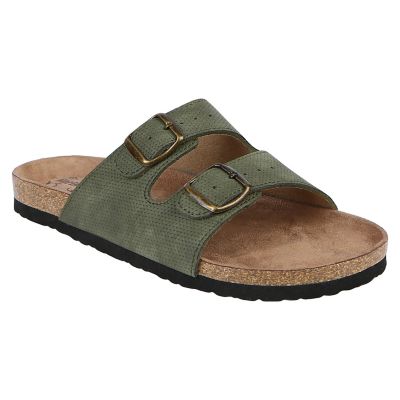
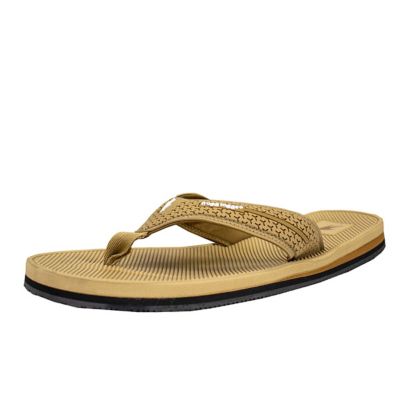
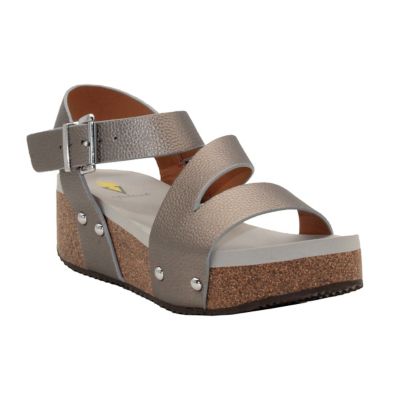
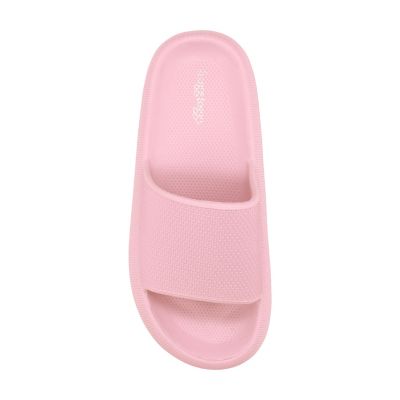
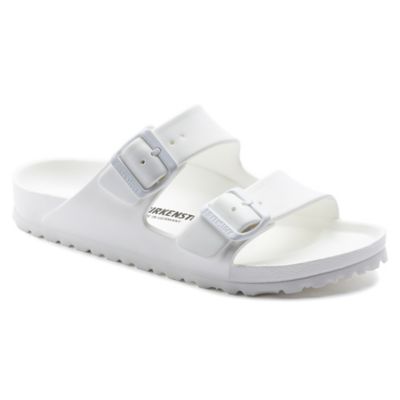
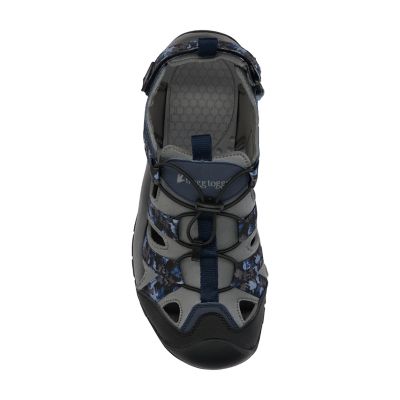
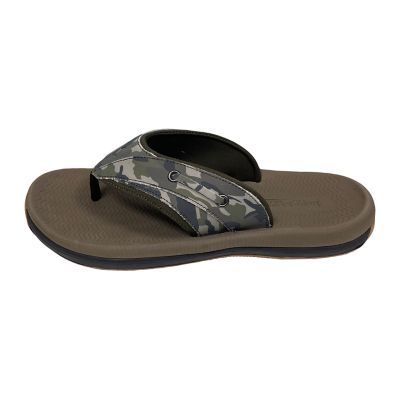
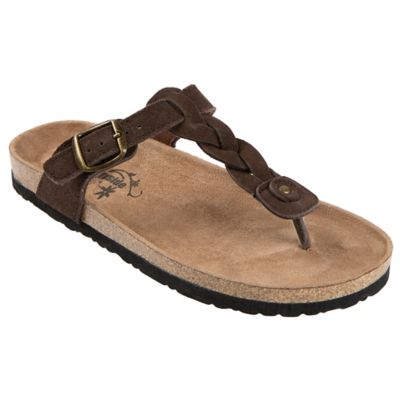
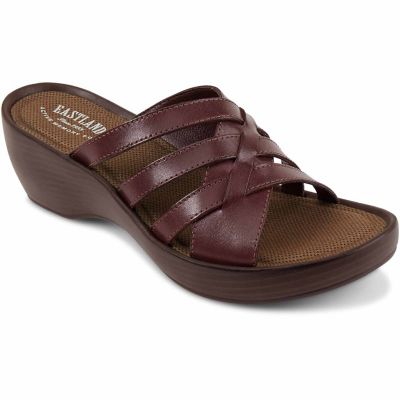
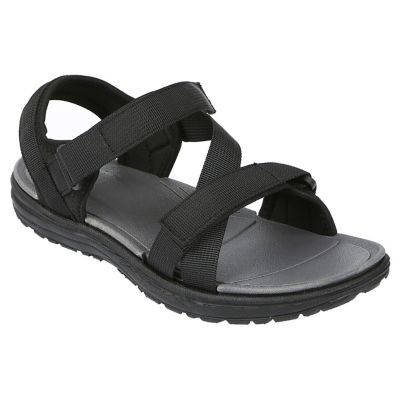
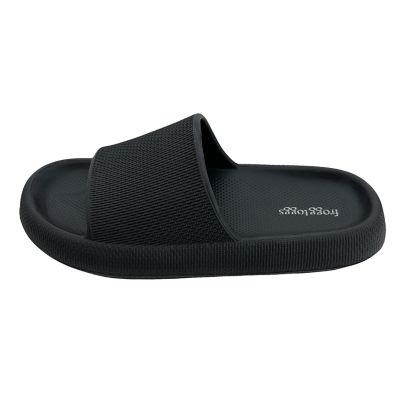
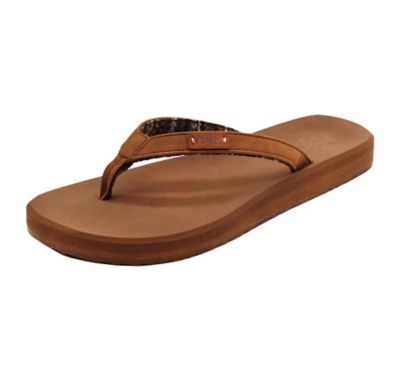
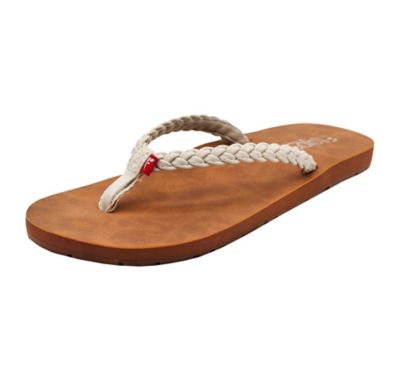
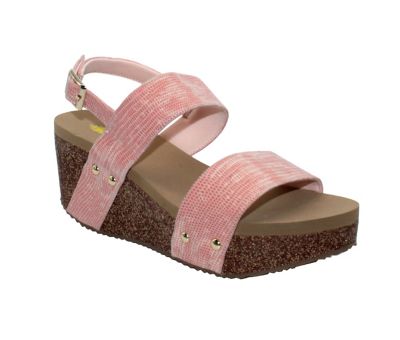
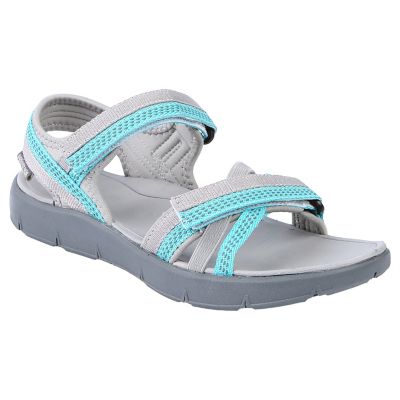
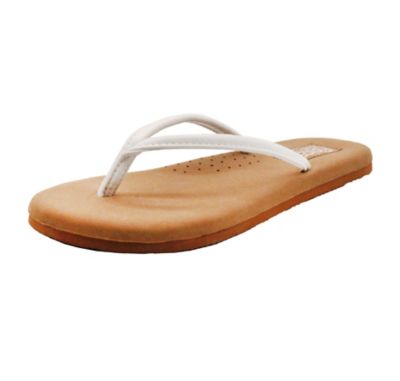
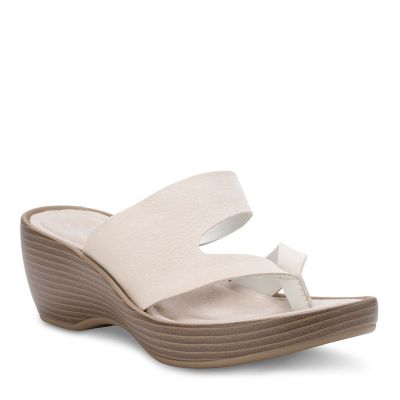
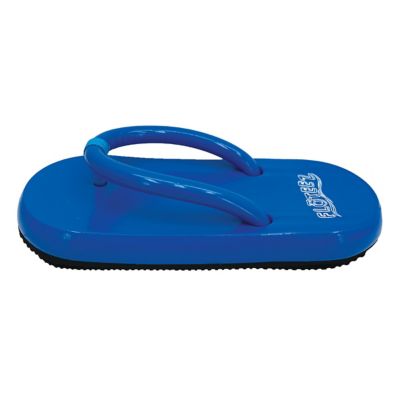
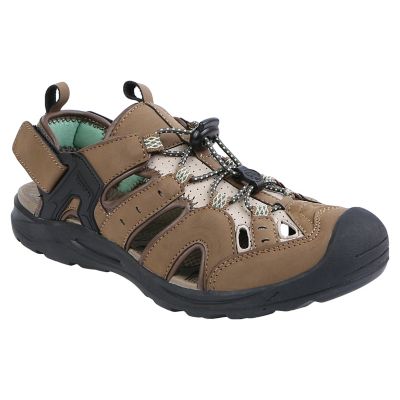
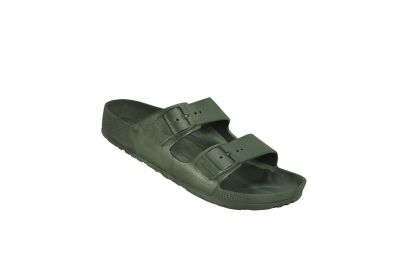
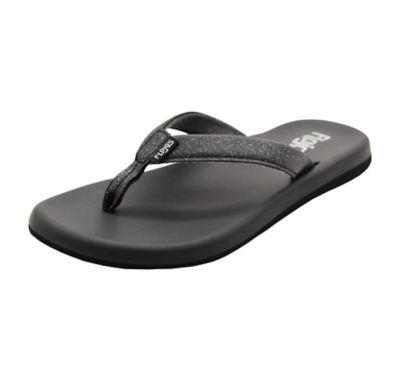
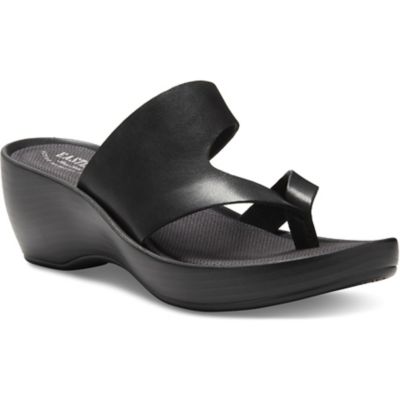
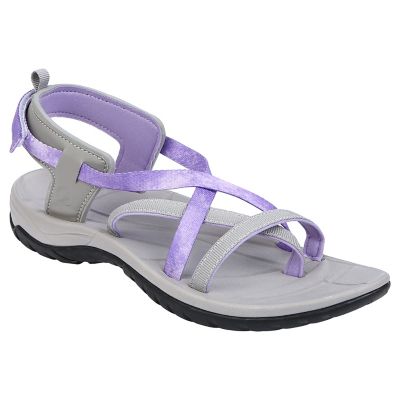
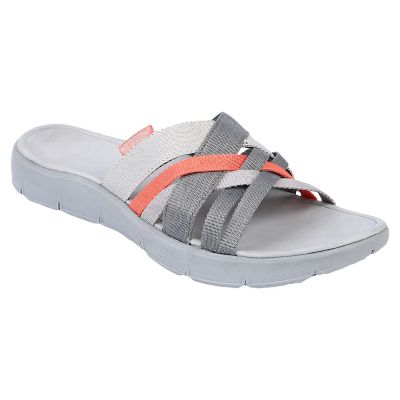
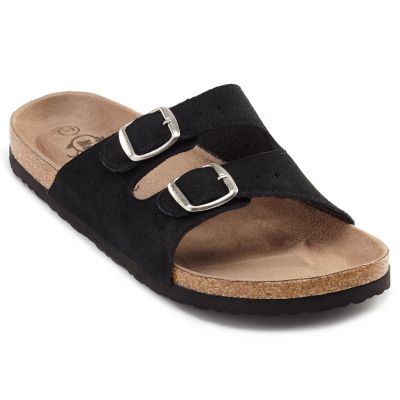
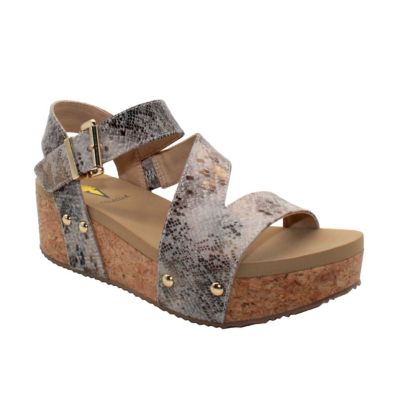
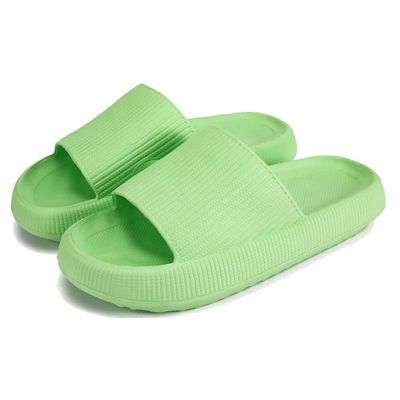
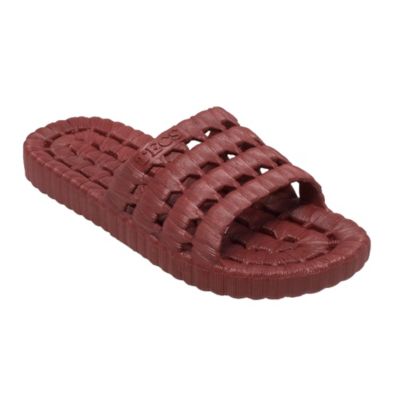
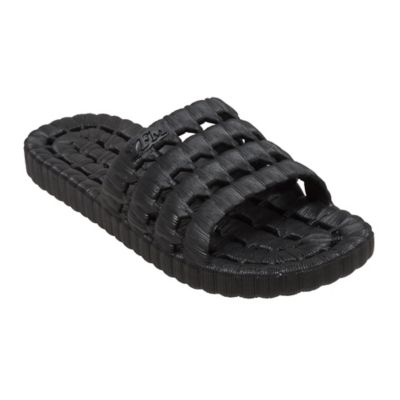
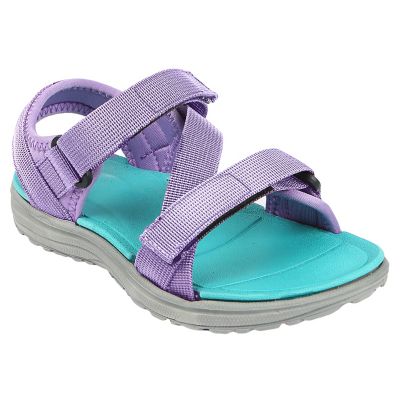
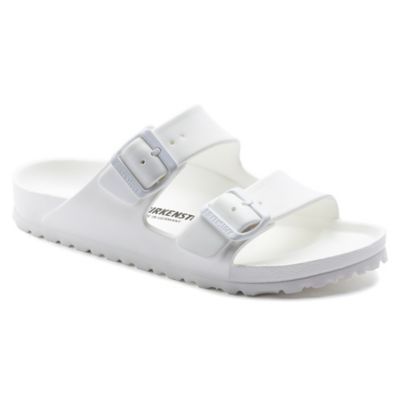
Spring sandals bring open, easygoing comfort to warm-weather outfits, whether the day calls for a trip into town, a family cookout or a quiet stretch on the porch. Their open construction lets air reach the feet, while different strap arrangements and sole shapes suit different kinds of outings. Flat sandals sit close to the ground and pair naturally with jeans, shorts and casual dresses. Slides offer simple on-and-off wear for short trips outside or changing out of boots after the chores are done. A back strap adds a more secure feel when the afternoon includes walking rather than sitting, and adjustable ankle straps can help keep the heel from lifting with every step. Low wedges add a little height beneath a sundress or wide-leg pants, though the width of the base and the footing matter more than height alone. A broad sole generally feels steadier than a narrow heel on a firm walkway; loose gravel, soft grass and uneven ground still call for care. For a courthouse visit followed by lunch on the square, a leather sandal with understated straps can look pulled together without feeling overly dressy. For a lakeside afternoon, materials intended for water exposure make more sense than suede or rope-covered soles. Spring sandals belong in the lighter side of a footwear rotation, not as a replacement for protective shoes around livestock, mowing equipment or heavy tools. They also make sense for travel to warmer places during the cooler months, when a suitcase may need both closed-toe shoes and something breezier. Alongside sandals,
Spring Shoes for Women offers another way to explore footwear for lighter outfits and changing weather. The right style depends less on a particular temperature than on the day's conditions, the amount of walking ahead and how much coverage feels comfortable. A sunny forecast can still come with a chilly breeze, and open toes offer little protection from cold air or rain.
Materials give spring sandals much of their character, from the feel of the straps against bare skin to the way the footbed responds underfoot. Leather often starts firmer and softens with wear, but a good initial fit should not depend on stretching a tight strap or breaking in a painful spot. Suede has a soft surface and a relaxed look, though moisture and muddy splashes can leave marks. Textile straps can feel light and flexible, while synthetic straps vary widely in softness, breathability and water resistance. Water-friendly construction is a feature to confirm rather than assume: an open design does not automatically mean a sandal belongs in the creek or beside a splashy dock. Foam footbeds provide cushioning, molded contours can cradle the heel and arch, and cork blends may offer a firmer feel that gradually settles with wear. None of those materials alone guarantees comfort for every foot. A sandal for an afternoon browsing a farmers market needs enough support and a secure enough fit to keep the foot from sliding forward or gripping with the toes. Toes and heels should rest fully within the footbed, with a little room at the edges rather than hanging over them. The widest part of the foot should line up with the widest part of the sole, and straps should hold without pinching across the instep or rubbing the little toe. Adjustable buckles or hook-and-loop closures are helpful when foot width differs from one person to another or feet feel fuller later in the day. Elastic sections allow some give, but they should still keep the sandal in place. Trying footwear on both feet and taking a few steps on a clean indoor surface can reveal heel movement, rough seams or pressure points before a longer outing. For growing children, a secure back strap and room for natural toe movement matter more than extra length that makes the sandal awkward to walk in. Gift pairs are easiest to get right when the recipient's size, width and preferred strap style are already known.
Construction and care make a difference in how spring sandals hold up to repeated wear. Neat stitching, firmly attached straps and a well-bonded sole are worth a close look, especially where the upper meets the footbed and where buckles put tension on the material. Outsole texture also matters. Rubber and other compounds can provide grip, but traction depends on the tread, the surface and whether either is wet or dusty. Smooth bottoms are less forgiving on damp pavement, and no sandal should be treated as slip-proof. A sole that bends near the ball of the foot can move naturally with a step, while enough structure through the middle helps prevent a flimsy feel. Extra cushioning may feel pleasant at first touch, but secure straps and a stable base become just as important during a long afternoon on hard sidewalks. After wear, a quick check for grit beneath straps keeps small particles from rubbing skin or grinding into the material. Cleaning should follow the care label: some synthetic surfaces tolerate a damp cloth and mild soap, while leather may need a cleaner and conditioner intended for its finish. Suede generally calls for a suitable brush and a gentler approach to moisture. Unless the maker says otherwise, soaking, machine washing and high heat can damage adhesives, change the shape or leave straps stiff. Let damp sandals air-dry away from direct heat before putting them away, and store pairs somewhere dry rather than at the bottom of a wet beach bag. Occasional checks for worn tread, splitting straps or a loosening sole help show when a favorite pair is nearing the end of its service. With sensible care and a fit matched to the wearer, sandals can earn their place beside the back door for easy afternoons, casual visits and time away from work boots. Practical comfort and a style that feels at home with everyday clothes are what make a pair worth reaching for when the weather allows.