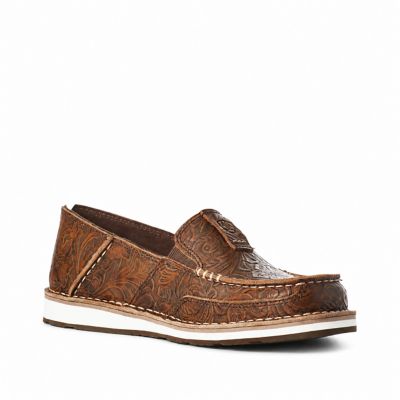
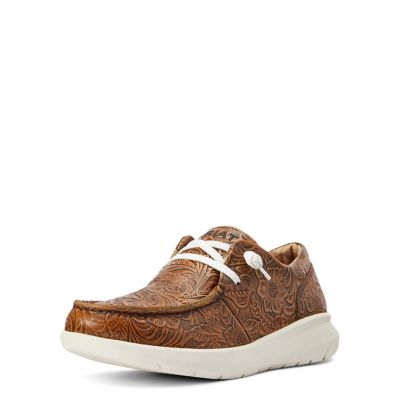
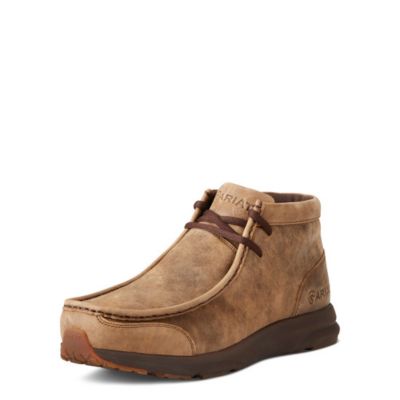
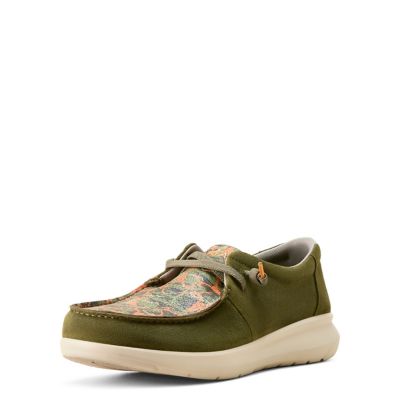
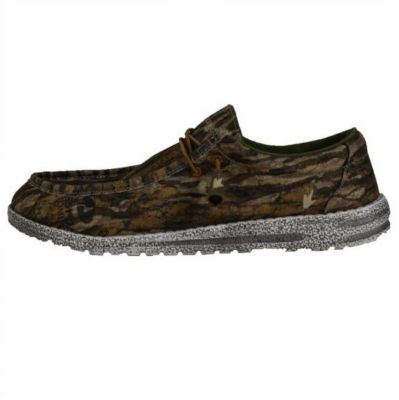
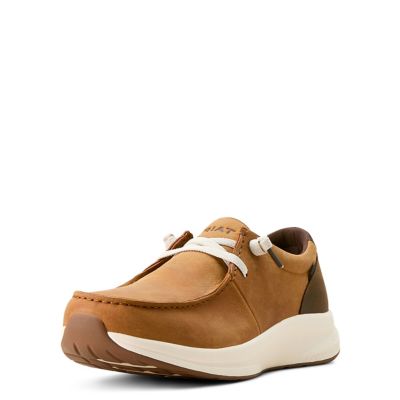
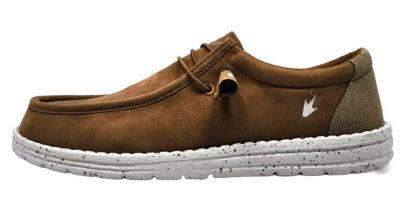
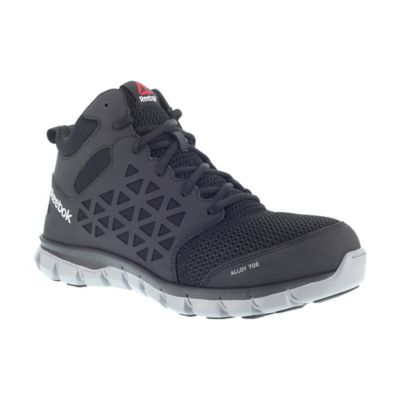
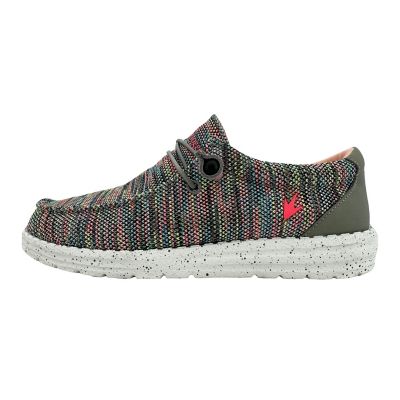
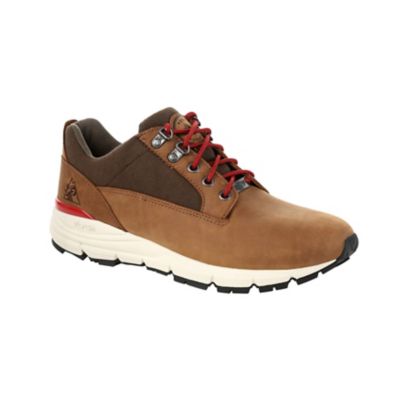
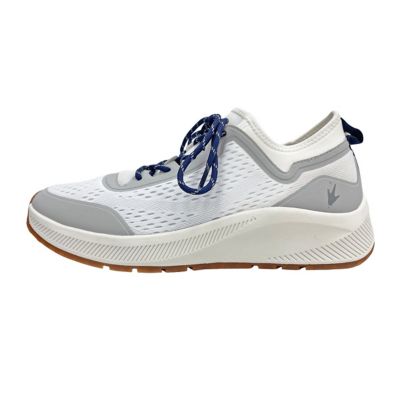
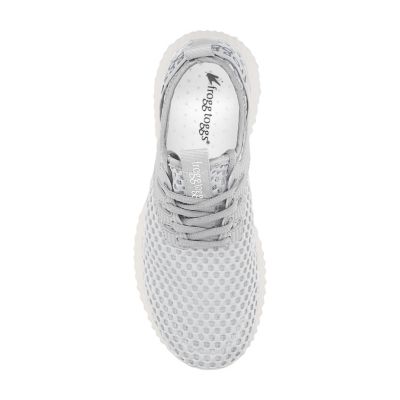
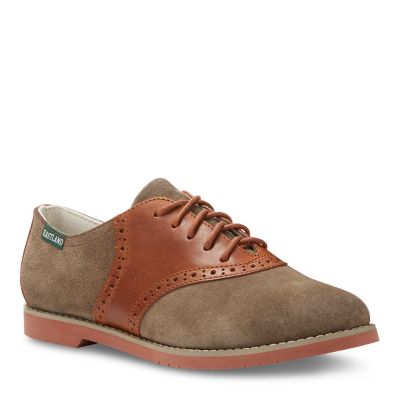
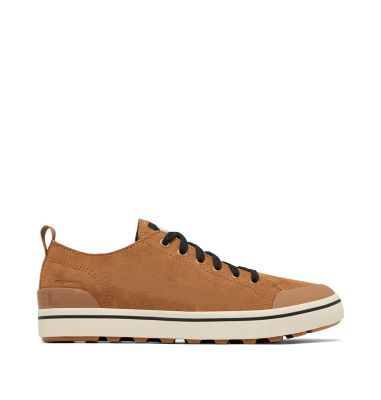
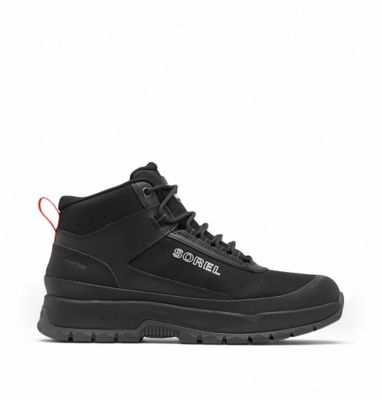
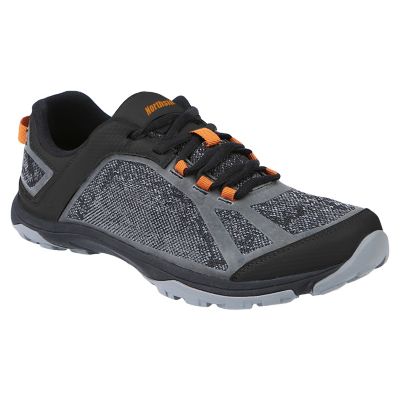
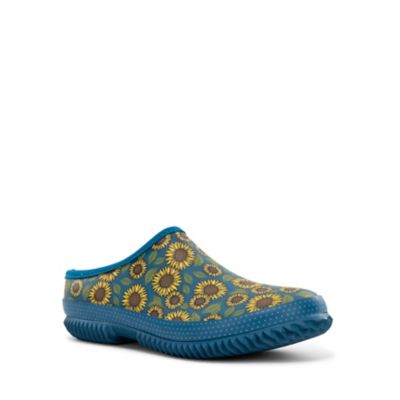
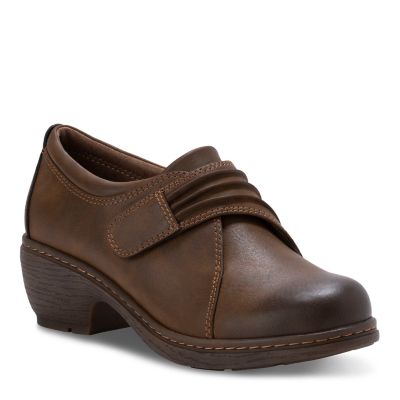
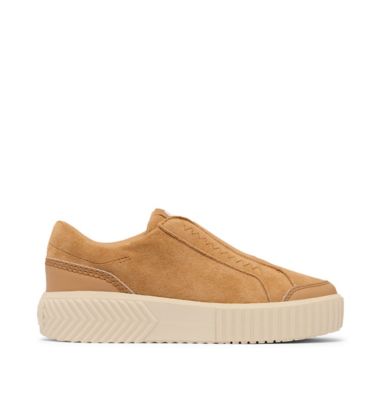
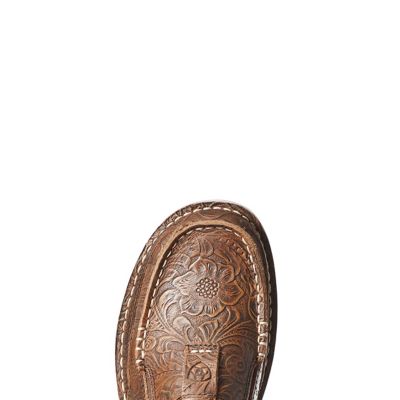
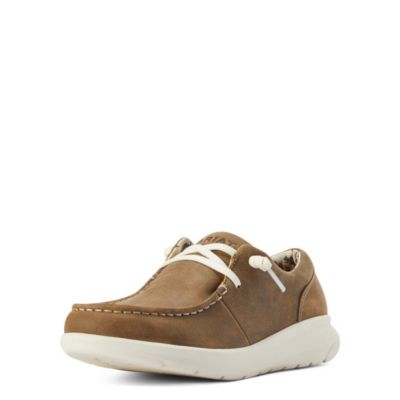
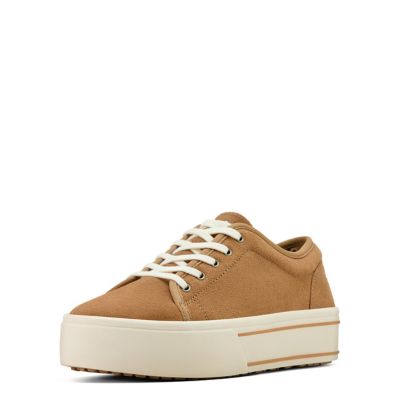
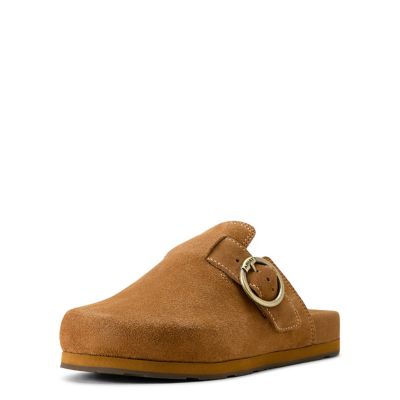
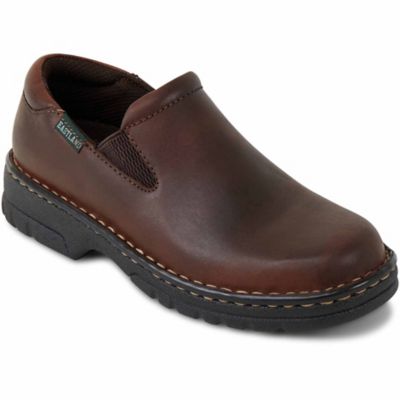
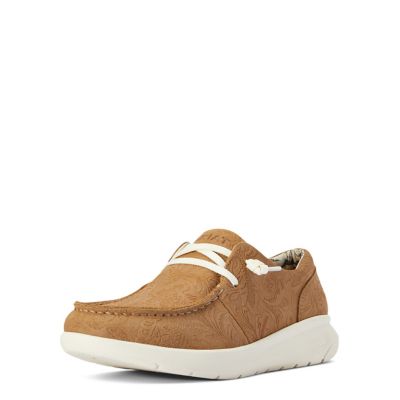
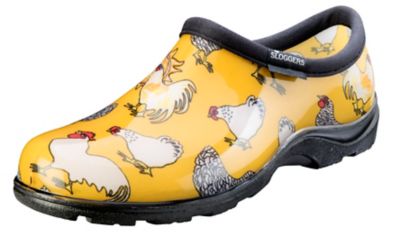
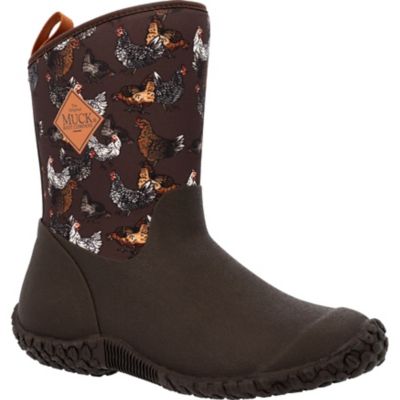
Spring shoes bring lighter materials, easygoing shapes and everyday comfort to the days when heavy footwear feels like more than the job calls for. The category covers everything from low-profile sneakers and cushioned flats to breathable slip-ons, sandals and casual shoes that look right with jeans or a simple dress. What ties them together is versatility: footwear that makes sense for a drive into town, an afternoon on the porch or a family gathering without feeling out of place along the way. Court-style sneakers have a trim shape that pairs well with straight-leg denim, cropped pants and casual skirts, while canvas slip-ons keep things relaxed with shorts and rolled cuffs. Leather uppers offer a smooth finish that can be wiped clean, though their water resistance depends on the construction and treatment. Suede brings a softer, textured look but needs more protection from rain, puddles and muddy ground. Mesh and woven fabrics let air move through more readily, making them worth considering for feet that tend to get warm during a busy day. Soft floral prints, stitched accents and lighter colors can add a little personality without making an outfit feel dressed up. Earth tones and darker neutrals are practical companions for dusty lanes and everyday errands, although no color takes the place of regular cleaning. For anyone spending hours on their feet, the parts beneath the foot matter as much as the upper. Cushioning softens the feel underfoot, while a stable base and a well-shaped footbed can make a shoe feel more settled through the heel and arch. A plush first impression alone does not tell the whole story; comfort also depends on room at the toes, a secure heel and enough flexibility for a natural stride. A spring shoe that feels good walking across the kitchen should also suit the longer stretch from the parking lot to the far end of the feed store.
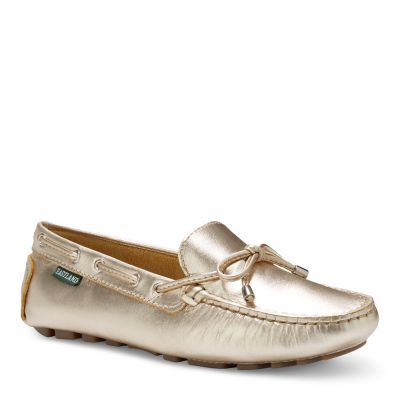
Everyday spring footwear works best when its shape and sole match the places it will go. A smooth, low-profile sneaker can be a comfortable choice for paved sidewalks and casual outings, while a more pronounced tread may offer better footing on loose gravel or uneven paths. Traction still depends on the surface and the sole material, so an everyday shoe should not be treated as a substitute for footwear designed for slippery work areas or demanding outdoor chores. Closed toes are a sensible choice around garden tools, brush and dusty ground, but tasks involving heavy equipment, livestock or falling objects may call for work footwear with the appropriate protective features. For lighter days, flats and loafers offer a neater look without much height, especially with ankle-length pants or an easy cotton dress. Wedges and espadrille-style shoes bring texture and a bit of lift to gatherings where sneakers feel too casual. A broader base can feel steadier than a narrow heel, though grass, gravel and sloped ground still deserve a little attention. Braided rope-style trim is better kept away from soggy lawns and standing water, where it can collect moisture and soil. Open styles let feet breathe on warm afternoons, and
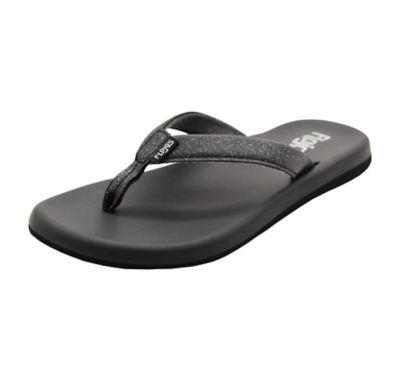
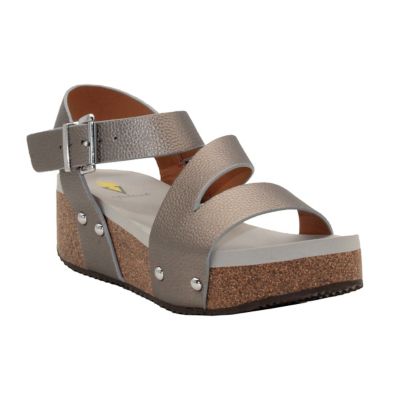
Spring Sandals offer another direction for relaxed outfits and casual occasions. Adjustable straps can help hold the heel and forefoot without relying on the toes to grip the shoe with each step. Across all these shapes, fit is personal rather than something a size label can settle by itself. Feet should have room to spread naturally, with no pinching across the widest part or rubbing along the heel. Trying shoes with the socks normally worn gives a better sense of the fit, and checking both feet matters because one may be a little larger. Feet can also swell over the course of a day, making a later-day try-on useful. Removable insoles may provide room for an existing insert, but the added thickness should not crowd the toes or lift the heel out of place.
A good pair of spring shoes earns its place through repeat wear, whether that means school pickup, weekend visits or walking the rows at a local plant nursery. Construction details help explain how footwear may hold up to that routine. Even stitching, firmly attached soles and reinforcement at high-contact areas are worth a close look, especially around the toe and heel. Lightweight does not have to mean flimsy, and heavier does not automatically mean longer-lasting; the balance comes down to materials, construction and the demands of the day. Care makes a difference, too. Dry dirt is often easier to brush away before it gets worked deeper into fabric or seams, while leather generally benefits from a damp cloth and a leather-appropriate cleaner when needed. Suede calls for a suitable brush and a lighter touch rather than a soaking. Canvas and mesh care varies, so the care label should settle whether washing is appropriate instead of assuming every fabric shoe can go in the machine. Shoes that get wet are best left to dry with good airflow, away from a stove, radiator or strong direct heat that can affect adhesives and stiffen some materials. Taking out removable insoles can help the inside dry more thoroughly. Giving footwear time to air out between outings also helps manage trapped moisture, particularly after a long day in warm conditions. When lighter shoes spend more time in the closet during cooler months, putting them away clean and fully dry keeps the next wear simpler. Breathable storage and enough space to preserve their shape are useful whether the pair comes out often or waits for a warmer day. Spring footwear can also make a thoughtful gift for someone who enjoys casual walks, backyard get-togethers or getting dressed for a trip into town. Familiar sizing, preferred closures and the recipient’s usual activities matter more than choosing a look alone. For everyday wear or a gift, the best match is a pair that feels at home in the wearer’s routine, with the right fit for the foot and the right build for the ground ahead.