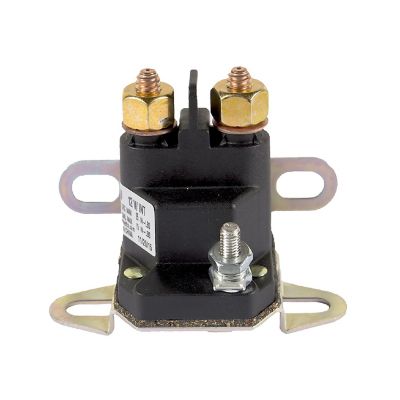
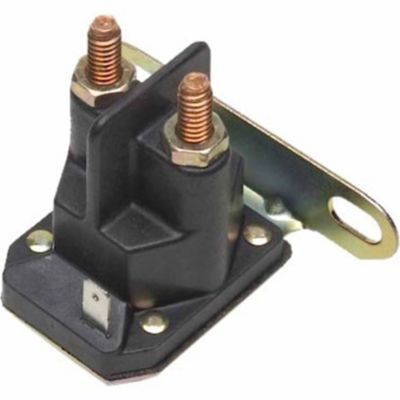
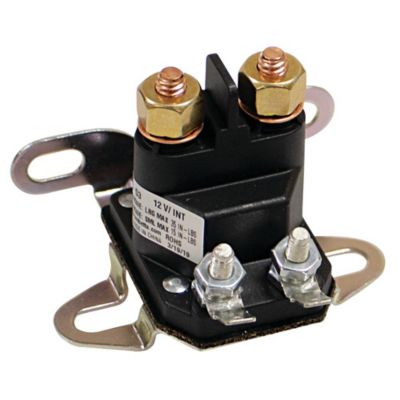
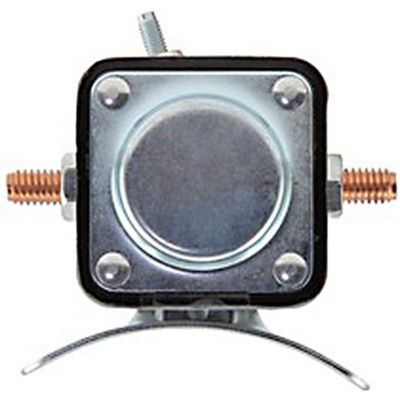
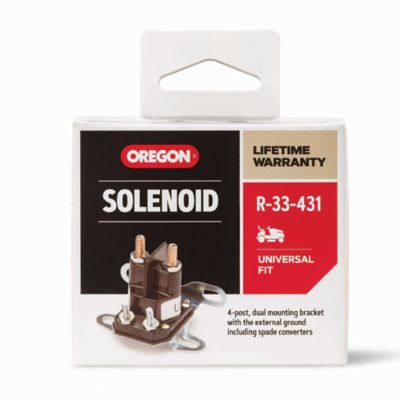
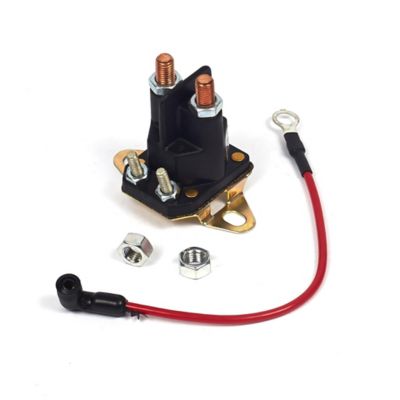
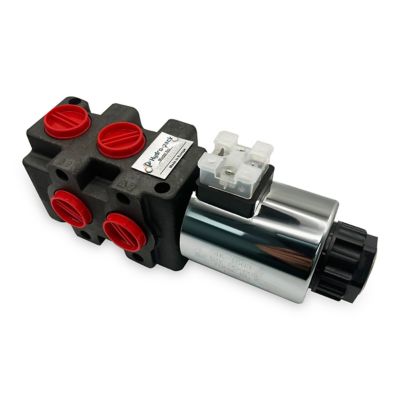
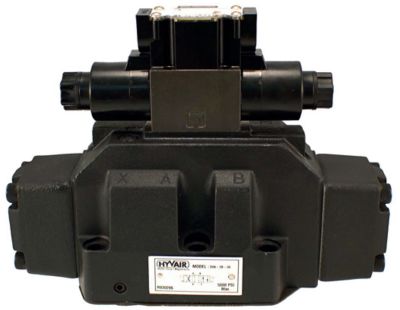
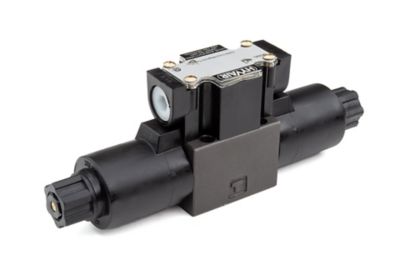
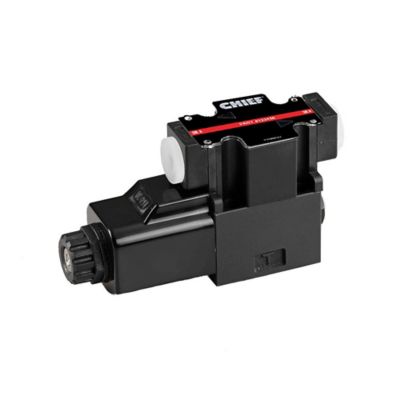
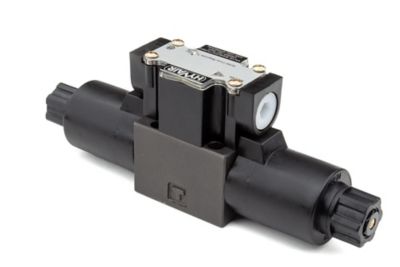
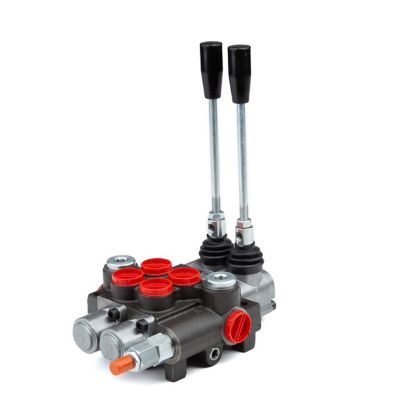
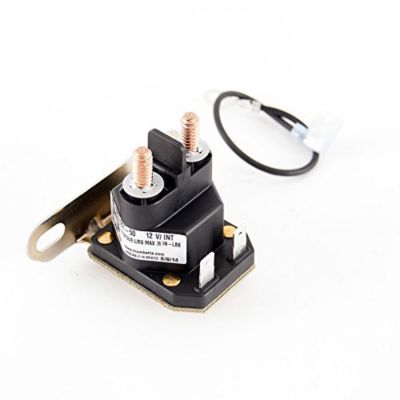
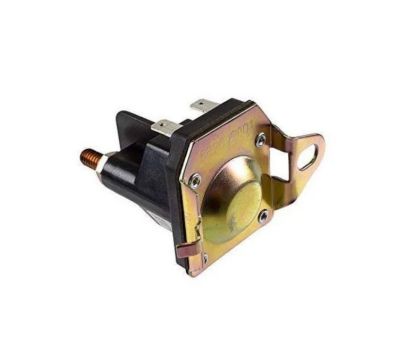
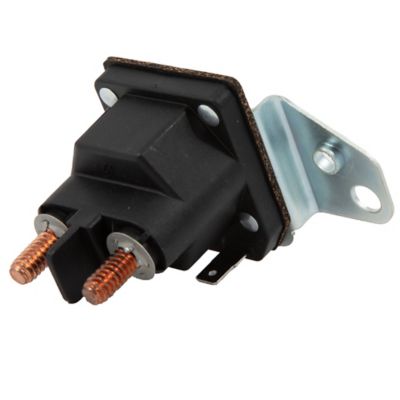
Shift solenoids are small electro-hydraulic valves that help an automatic transmission change gears at the right time. Inside the transmission valve body, each solenoid controls the movement of transmission fluid through specific passages. The vehicle’s transmission control module, or TCM, uses information from the engine, vehicle speed, throttle position and other sensors to send an electrical signal to the proper solenoid. That signal creates a magnetic field, moving an internal plunger that opens or closes a fluid passage. The change in fluid pressure applies the correct clutch pack or band, helping the transmission move from one gear to the next. Although a shift solenoid is a compact part, its job connects the electrical and hydraulic sides of the drivetrain, so the right replacement can make a big difference in how a vehicle behaves on the road. These parts are commonly used by do-it-yourself mechanics, farm and ranch owners, fleet managers, and professional repair shops working on cars, pickups, SUVs, vans and other equipment with automatic transmissions. A vehicle that spends its days pulling a trailer, hauling feed, carrying tools or traveling dusty back roads may put extra demands on its transmission, making careful diagnosis and timely maintenance especially important. When shopping for a replacement, start with the vehicle’s year, make, model, engine and transmission type, then compare the original part number and connector style whenever possible. Solenoids that look nearly identical can have different electrical resistance, fluid-flow characteristics or mounting arrangements, and a part that does not match the transmission may not operate correctly. For related electrical components and applications, browse
Electric Solenoids.
A failing shift solenoid can cause several noticeable changes in the way a vehicle drives. Delayed shifting may feel like the engine revs higher than usual before the next gear engages. Rough or erratic shifting can show up as a jolt, a hard engagement or a sudden change that is especially noticeable when pulling away from a stop. A transmission may become stuck in one gear, refuse to shift, slip between gears or enter a protective limp mode that limits available gears. In some cases, the check engine light or transmission warning light comes on because the vehicle computer has detected an electrical fault, an improper pressure change or a shift that did not happen as expected. These symptoms do not always point to the solenoid alone. Low, dirty or overheated automatic transmission fluid, a clogged filter, damaged wiring, a poor electrical connection, a worn valve body or internal transmission wear can create similar trouble. That is why a scan tool, service information and a careful inspection are useful before ordering a replacement. Reading the diagnostic trouble code can help narrow the search, but a code identifying a solenoid circuit does not automatically prove that the solenoid itself is bad. Check the fluid level and condition according to the vehicle manufacturer’s procedure, inspect the wiring near the transmission for chafing or loose connectors, and look for signs of leaks around the pan and harness. A sharp burnt odor, dark fluid or metal debris deserves added attention. Transmission work can involve hot fluid, tight spaces and a vehicle that must be safely raised and supported, so many owners choose to have a qualified technician handle the repair. If you are comfortable doing the work, gather the correct fluid, filter, pan gasket and tools before beginning, keep dirt away from the open valve body, and follow the service procedure closely. A clean work area matters; one small piece of grit can cause trouble in a hydraulic system designed around precise passages and close-fitting parts.
Before purchasing shift solenoids, confirm whether the application calls for an individual solenoid, a matched group, or a larger valve-body assembly, since service options vary by transmission design. Compare the number and shape of electrical pins, mounting points, seals, screens and fluid ports, and make sure the replacement is intended for the exact transmission rather than only the vehicle family. It is also worth checking whether the repair requires removing the transmission pan, draining fluid, replacing a filter or resetting learned shift values after installation. On some vehicles, the solenoid can be reached with ordinary shop equipment; on others, access is limited and the repair may be better suited to a transmission specialist. Keep a drain pan, lint-free towels, the correct hand tools and the recommended fluid close by, and dispose of used fluid properly. Once installed, inspect for leaks, reconnect every harness firmly and verify operation with a road test in a safe area. Shifting should be smooth, with no unexplained flare, bang or hesitation, but a successful repair also depends on fluid level, electronic programming and the condition of the rest of the transmission. During the cooler months, a vehicle may reveal a borderline problem more clearly after sitting overnight, when thick fluid and cold components make delayed engagement easier to notice. Before a long haul to the pasture, a hunting property or a job site, take a few minutes to pay attention to new sounds, warning lights and changes in shift feel. Keeping the right replacement part on hand can be useful for a working truck or equipment trailer vehicle, but fitment should always be verified before installation. With the correct information and a careful approach, shift solenoids can help restore dependable gear changes and keep everyday transportation, farm work and weekend miles moving along.