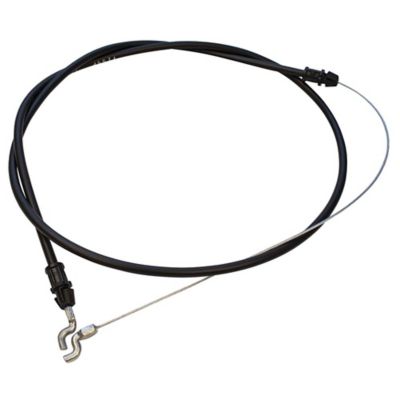
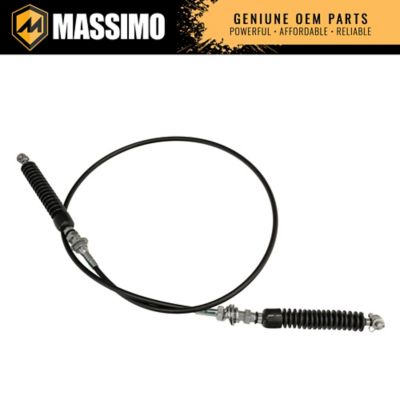
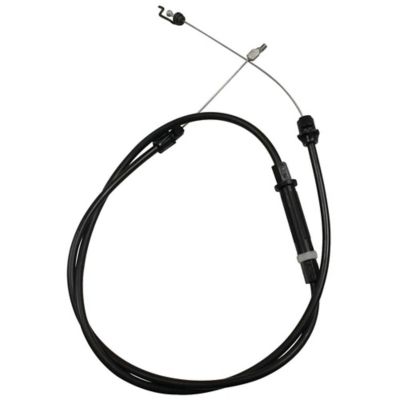
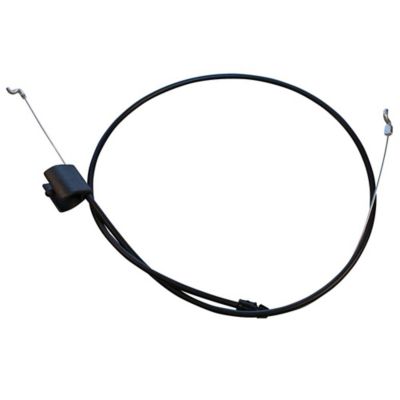
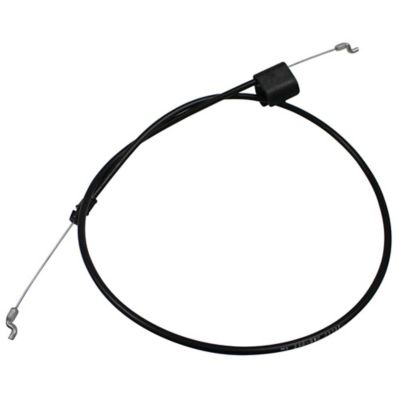
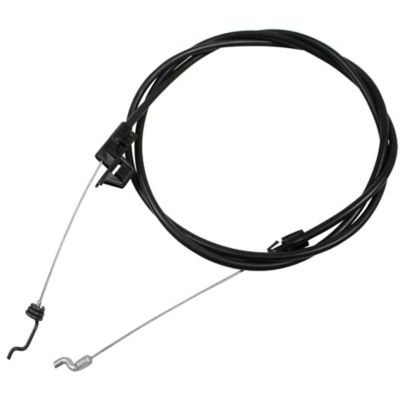
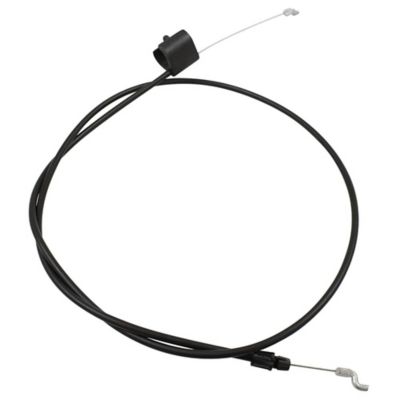
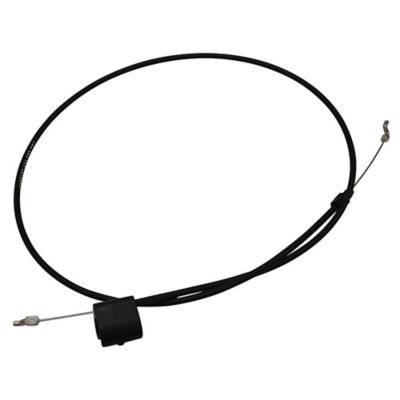
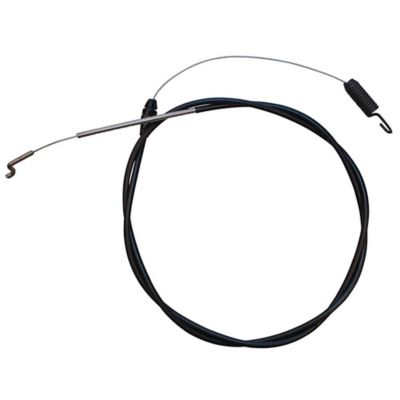
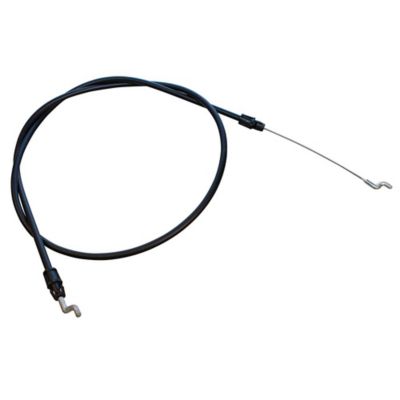
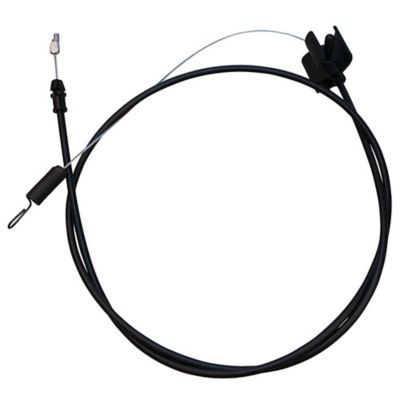
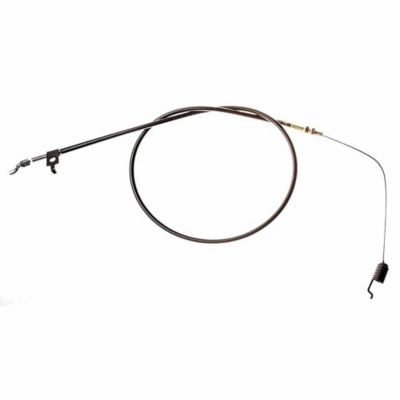
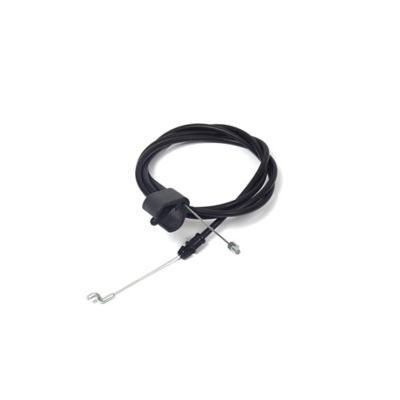
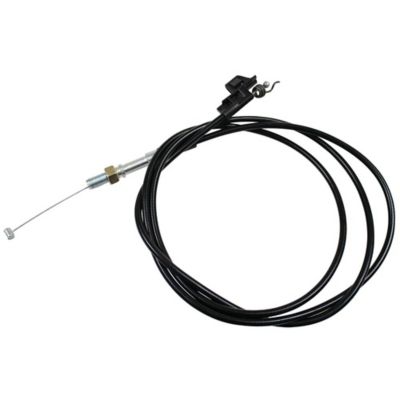
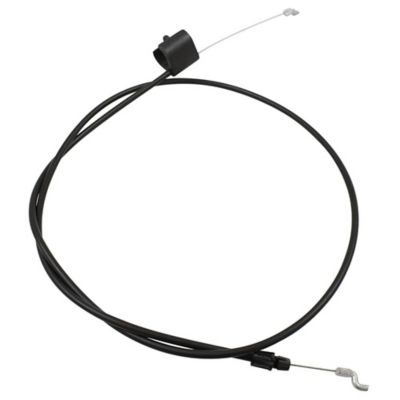
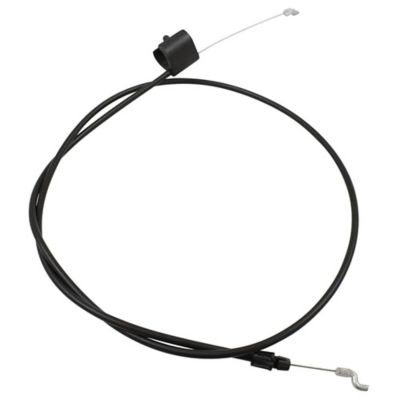
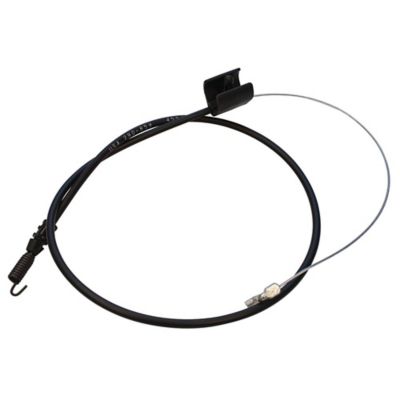
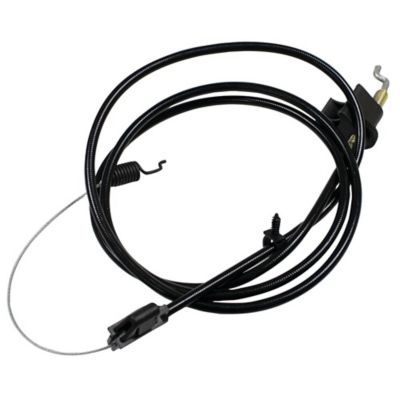
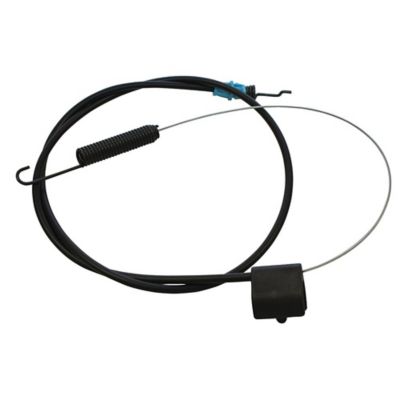
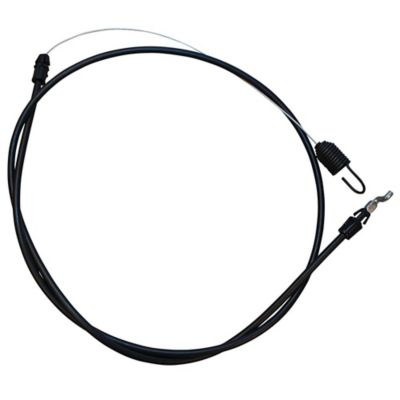
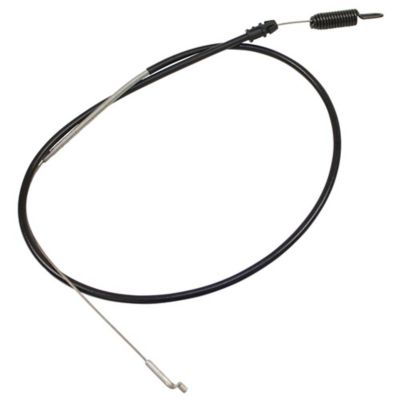
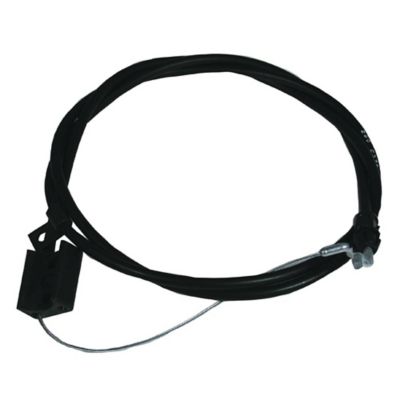
Shift cables provide the mechanical connection between a gear selector and the transmission, transaxle, or derailleur that changes the vehicle’s speed and direction. In a car, truck, utility vehicle, mower, or other powered equipment, the cable usually runs from the shifter inside the cab or at the operator station to a shift arm on the transmission. On a bicycle, a much smaller cable runs from the handlebar shift lever through an outer housing to the derailleur. When the lever moves, the cable pulls or releases tension so the selected gear can engage. This simple setup works hard in dusty, wet, muddy, and vibrating conditions, especially on equipment that spends its days around gravel drives, pasture gates, barns, fields, and rough trails. A shift cable may need attention when the shifter feels loose or unusually sloppy, the gear indicator does not match the actual gear, the transmission refuses to shift, or the vehicle becomes stuck in one gear. A cable that is stretched, kinked, corroded, frayed, or pulled out of adjustment can keep the transmission or derailleur from completing its movement. Sometimes the cable itself is still sound and the trouble comes from a small plastic bushing, grommet, retaining clip, or end fitting that has worn down and slipped out of place. Those little pieces can become brittle with age, heat, road salt, and repeated use, leaving the shifter disconnected even though the inner wire looks fine. Checking the cable ends and mounting points before ordering a full replacement can help identify the right repair and keep a small problem from turning into a long afternoon beside the driveway.
Choosing a replacement shift cable starts with matching the application, not simply picking a cable that looks close in length. Check the year, make, model, engine or transmission type, and the exact location where the cable is used. Some applications call for a complete assembly with an inner cable and outer housing, while others use a separate wire, housing, bushing, or end fitting. Compare the overall length, cable travel, housing style, end shapes, mounting brackets, threads, and connection points with the original part. A cable that is too short may bind when the steering moves or the suspension flexes; one that is too long can rub against hot, sharp, or moving components. For bicycles, pay attention to whether the cable is intended for a particular style of shift lever and whether the housing and end fittings match the bicycle’s setup. For powered equipment, look for a replacement made for the correct control system, since shift cables and
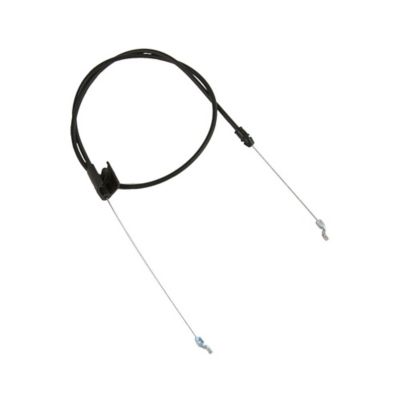
Replacement Throttle Cables serve different jobs even when they appear similar at a glance. Before installation, inspect the routing from end to end. The cable should follow the original path with smooth bends and enough slack for normal movement, but it should not hang loose, pinch under a bracket, or touch an exhaust, pulley, tire, chain, or other moving part. Dirt and moisture inside the housing can make a new cable feel stiff, while a crushed housing can prevent accurate shifting no matter how carefully the cable is adjusted. Replacing worn clips, bushings, and grommets at the same time can help hold everything in place and reduce repeat repairs.
Installing a shift cable is a manageable shop task for many owners, but careful adjustment matters just as much as the replacement itself. Park the vehicle or equipment securely, set the parking brake, remove the key, and follow the service instructions for the application. If the cable is being replaced, note how the original one is routed before removing it; a quick photo can be useful when several brackets or guides are involved. Disconnect the cable from the shifter end and from the transmission or derailleur arm, then compare the old and new assemblies before routing the replacement. Make sure the cable housing is fully seated in each stop, the retaining hardware is secure, and the inner wire is not twisted or sharply bent. After connecting both ends, adjust the cable tension so the selected gear lines up correctly with the shifter position and the transmission or derailleur completes its travel. Test every gear with the engine off when possible, then perform a cautious operational check in a safe, open area. A shifter that feels firm and moves cleanly is a good sign, but grinding, delayed engagement, unexpected movement, or a gear indicator that does not agree with the selected position means the setup needs another inspection. Anyone who works on farm equipment, maintains a trail vehicle, repairs bicycles, or keeps an older daily driver running can benefit from having the correct shift cable and a few matching hardware pieces on hand. They also make a practical addition to a home shop or a thoughtful gift for a handy relative who spends cooler months tuning up equipment, getting bikes ready for the road, or keeping a work vehicle dependable before the next busy season. With the right fit and careful routing, a replacement shift cable can restore smooth gear changes and help keep ordinary chores, back-road trips, and everyday rides moving along.