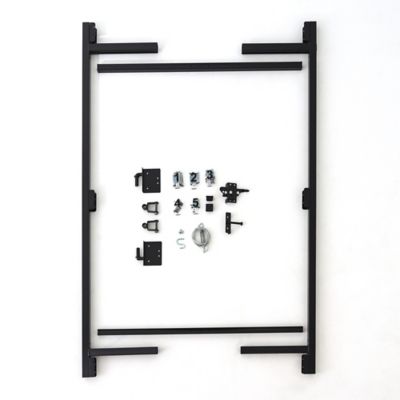
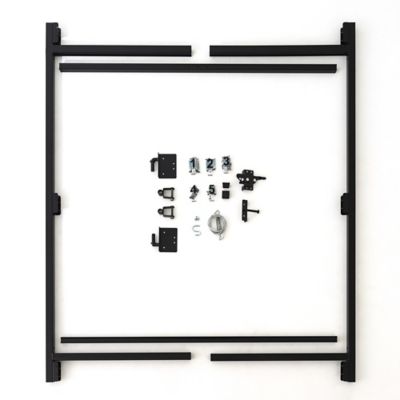
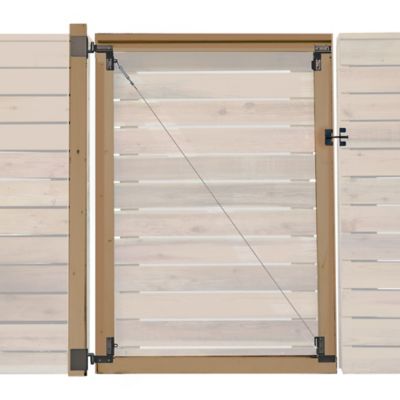
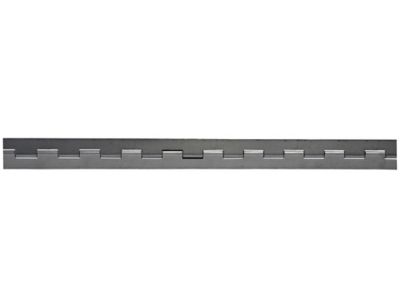
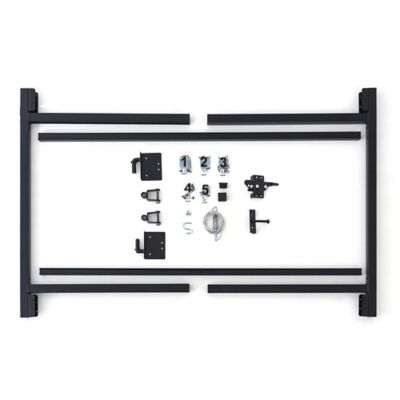
Shed hardware includes the hinges, handles, latches, locks, bolts and fasteners that support a shed door, control its movement and help keep it closed. These working parts matter whether the building holds garden tools, feed scoops, fencing supplies or equipment for chores around the property. A narrow tool shed door has different demands than a wide pair of doors that opens for a wheelbarrow or riding mower. Door weight, frame construction and the amount of daily traffic all influence the right hardware combination. Hinges carry the door’s weight and establish its swing, while handles provide a comfortable grip and latches keep the door seated against its stop. Strap hinges have long leaves that spread attachment points across the door face, making them a familiar choice for plank doors and doors with horizontal bracing. T-hinges pair an extended door leaf with a shorter frame leaf, while butt hinges fit along the door edge when the construction allows. Matching
Shed Door Hinges to the door’s weight, width and mounting arrangement helps keep the opening practical for everyday chores. Hinge length alone does not establish capacity; the manufacturer’s rating, hinge count, fastener choice and supporting wood all matter. A broad door can put considerable leverage on its hinges, especially when someone pulls from the far edge. Solid framing behind the mounting points gives those forces somewhere to go. Steel hardware offers strength for working doors, and galvanized, plated or coated finishes provide varying levels of protection against corrosion. Stainless steel is another option where corrosion resistance is a priority, though the grade and application still matter. Finish color can also help the hardware blend with painted siding, natural wood or metal trim without taking attention away from the building itself. Beyond appearance, a well-matched setup gives the door enough clearance to move without scraping the threshold or binding against the frame. That balance between support, fit and freedom of movement is what makes hardware feel right each time the shed opens.
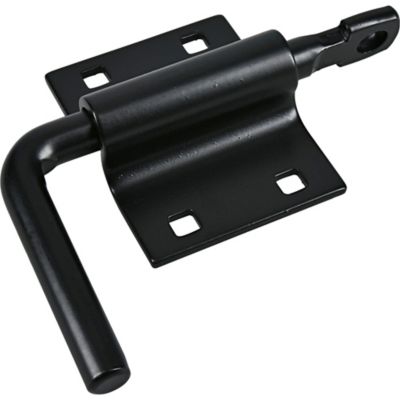
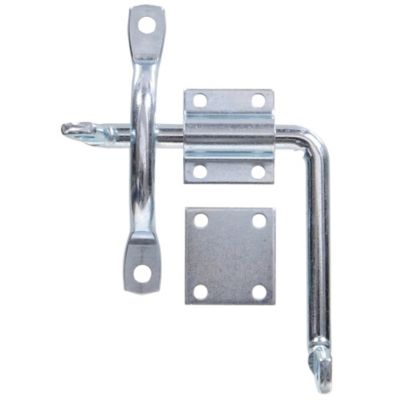
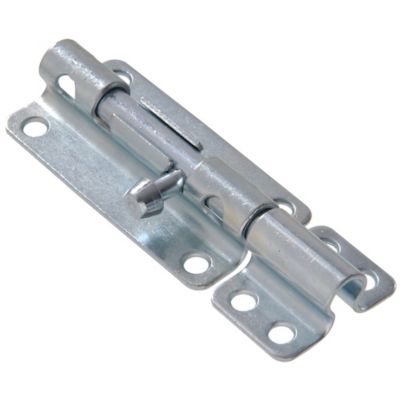
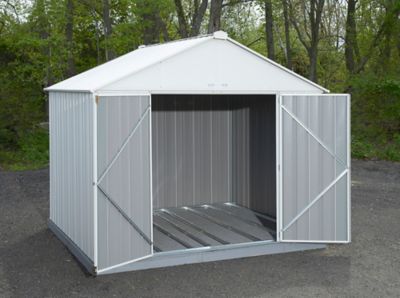
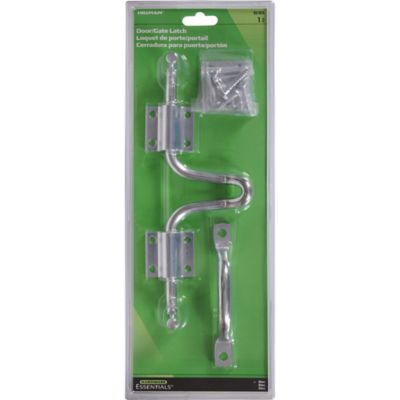
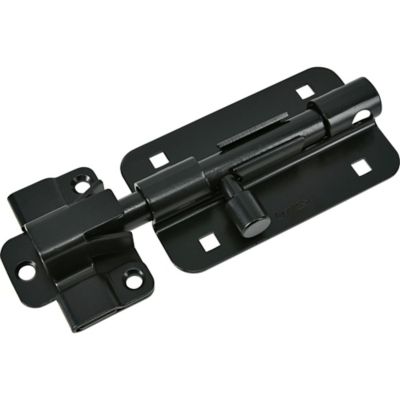
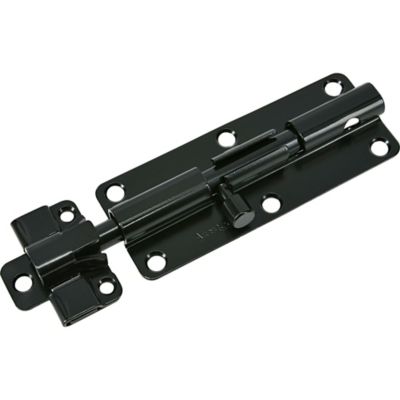
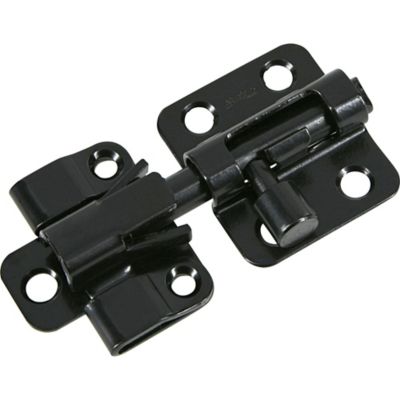
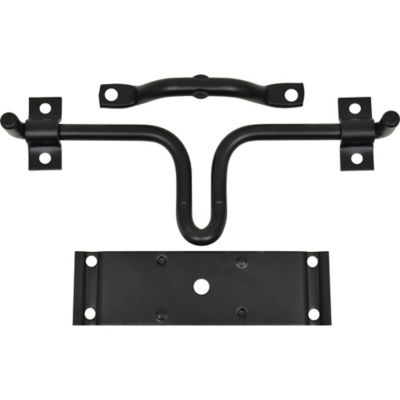
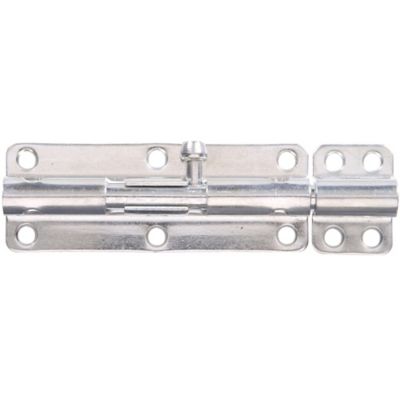
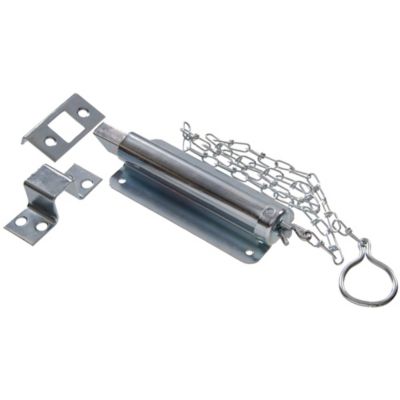
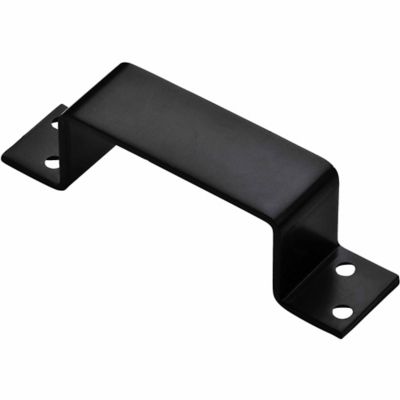
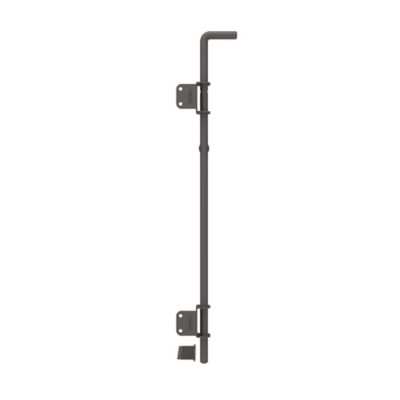
Latches and locks handle a different part of the job: keeping the door closed while making access straightforward for the people who belong there. A simple latch may suit a shed that holds rakes and empty pots, while a lockable arrangement makes more sense around power tools or equipment that needs restricted access. T-handle locks combine a turning handle with a locking mechanism, but their fit depends on details such as shaft length, mounting-hole spacing and door thickness. A handle that looks similar from the outside may have a different connection on the inside, so replacement fit involves more than matching its shape. Hasp-and-staple arrangements provide a point for a padlock, with security depending on the hasp, lock, mounting fasteners and strength of the door beneath them. Concealed mounting screws, where the design provides them, limit access to those attachment points when the hasp is shut. Barrel bolts serve another purpose, holding a door in position through a sliding rod and keeper. On double shed doors, bolts often secure the inactive leaf so the active door has a steady place to latch. Top and bottom fastening points can help that stationary leaf stay seated, provided the surrounding structure supports them. Pull handles do not secure a door by themselves, but they make a noticeable difference when carrying a feed pail or gripping the door with work gloves. Handle clearance, grip shape and placement affect how naturally the door opens without scraped knuckles or an awkward reach. Door handing and swing direction also affect latch and lock fit, particularly where a mechanism has a fixed orientation. Clearance for interior lock parts deserves attention, too, since shelves, braces and stored tools can crowd the back of the door. No lock arrangement makes a weak door or loose frame secure on its own. Shed hardware works as a connected system, with the door, jamb, strike and mounting points sharing the work.
Fit also comes down to the small measurements that are easy to overlook until a door refuses to close. Existing screw-hole spacing, hinge offset, door thickness and the distance between the door face and frame can all shape a replacement choice. On an older shed, an enlarged screw hole or split board may explain a sagging door better than the hinge itself. Sound backing is essential because a stronger fitting cannot make up for crumbling wood or a loose jamb. Fasteners need the right length and diameter for the hardware and substrate, with enough engagement to hold without protruding into an unwanted spot. Compatibility matters around treated lumber and dissimilar metals, where an unsuitable fastener or finish can shorten service life. Through-bolted connections may suit some heavier applications when the door design and hardware instructions permit them. The hardware’s instructions remain the reference for mounting requirements, load limits and care. Routine upkeep is generally about keeping moving surfaces clear, attachment points snug and protective finishes intact. Dust, wood chips and grass clippings can collect around hinge knuckles, sliding bolts and latch openings, making otherwise sound parts harder to operate. Lubrication needs vary by mechanism, and lock cylinders may call for a different product than exposed hinge pins. A sticking latch is not always a lock problem; settling, loose screws or door movement can pull the latch and keeper out of line. Paint buildup can interfere with moving parts as well, especially when a shed door has received several coats over the years. Hardware that supports an easy, unobstructed opening helps with everything from slipping out a shovel to rolling equipment through a wide doorway. For acreage owners, gardeners and anyone keeping chore supplies close at hand, the best fit is the combination that suits the building and the way it gets opened every day. Practical shed hardware keeps attention on the work waiting outside the door rather than the effort of getting through it.