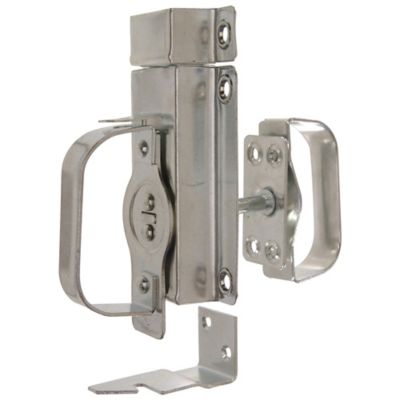
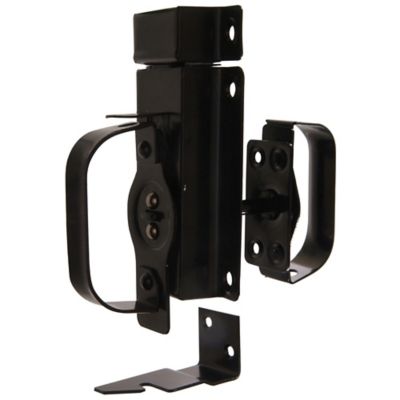
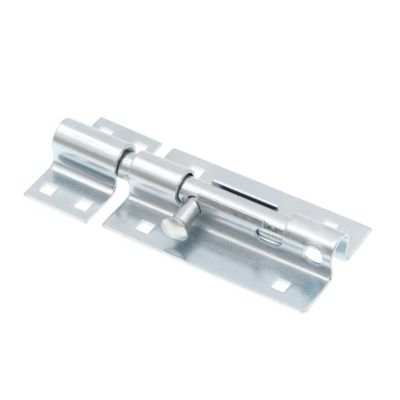
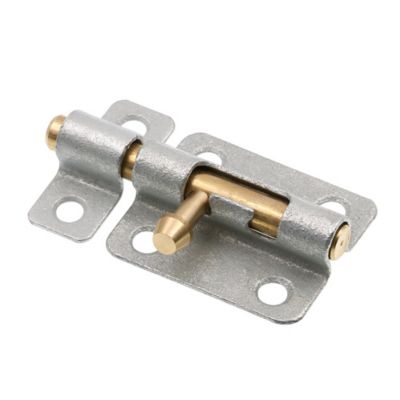
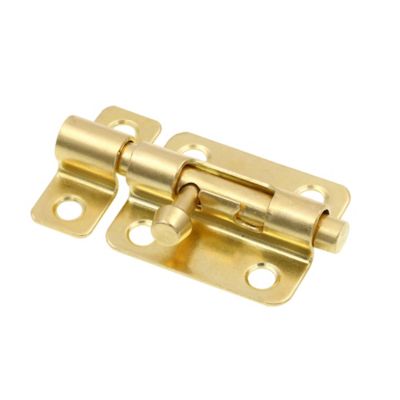
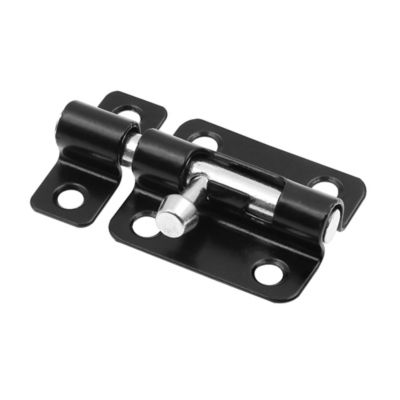
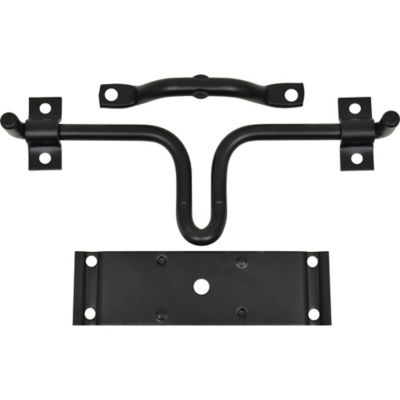
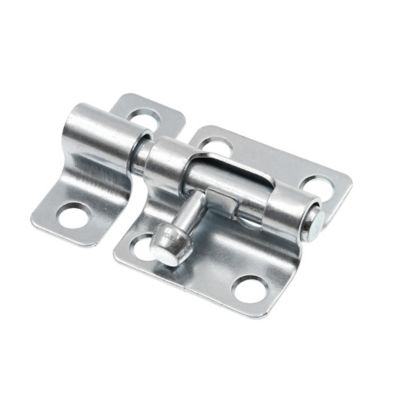
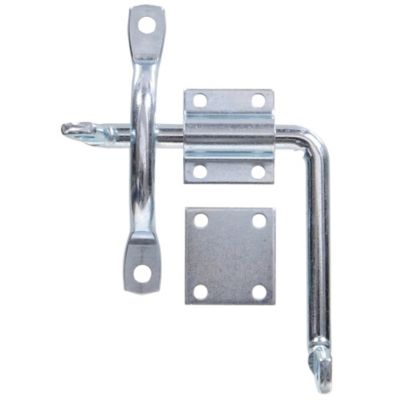
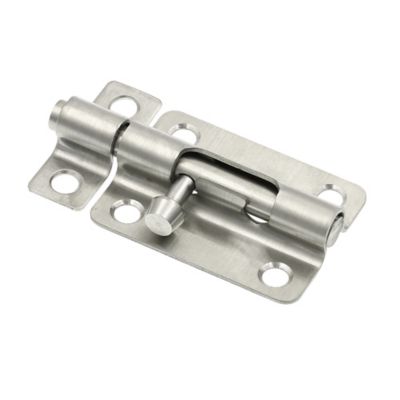
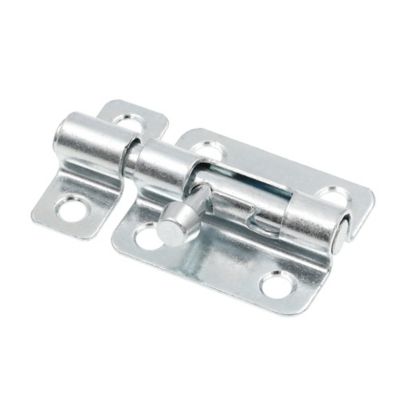
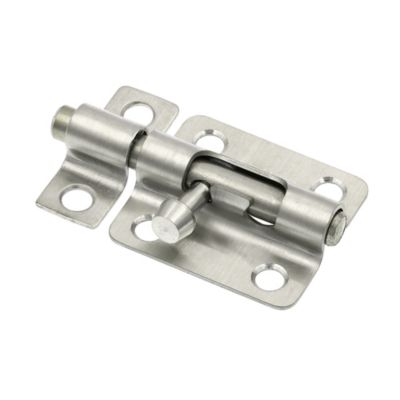
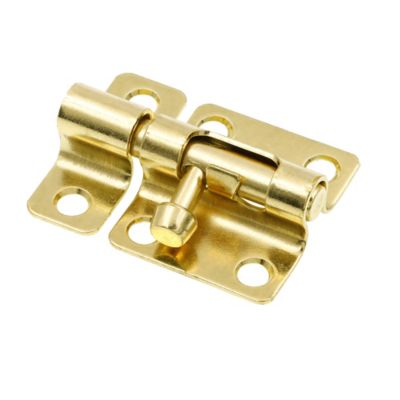
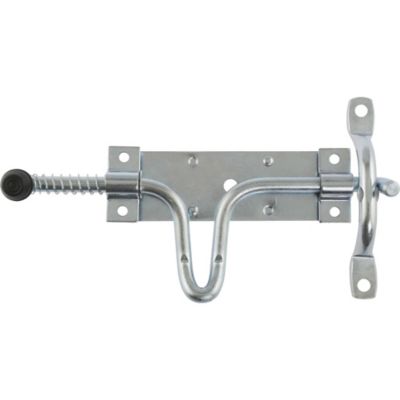
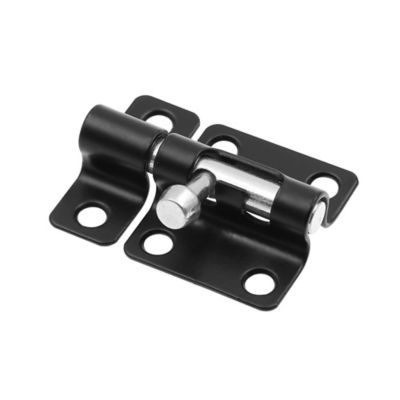
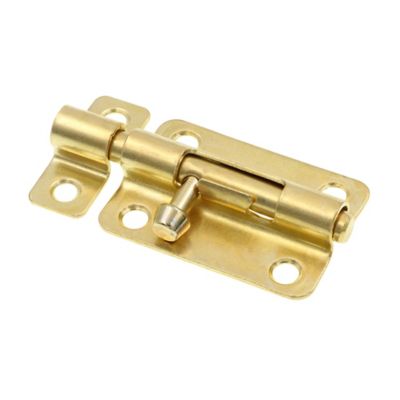
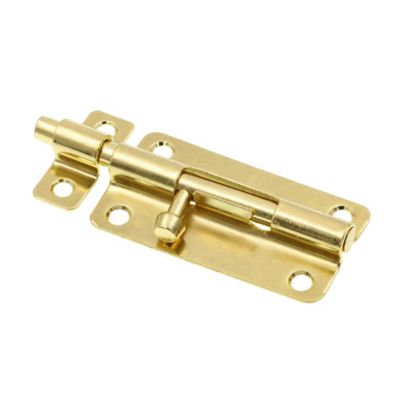
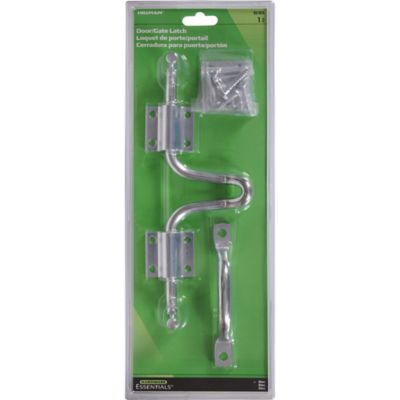
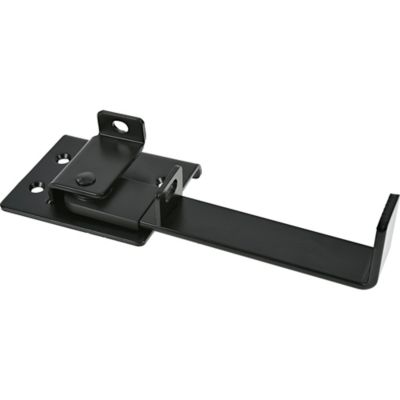
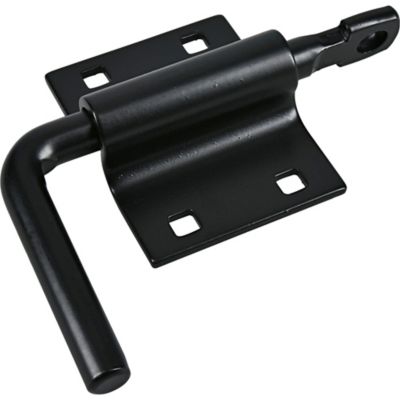
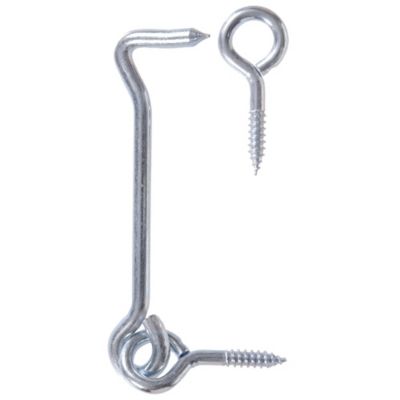
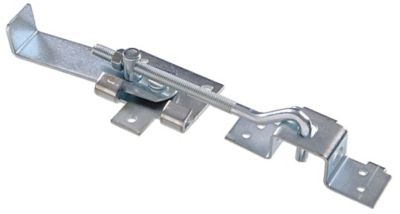
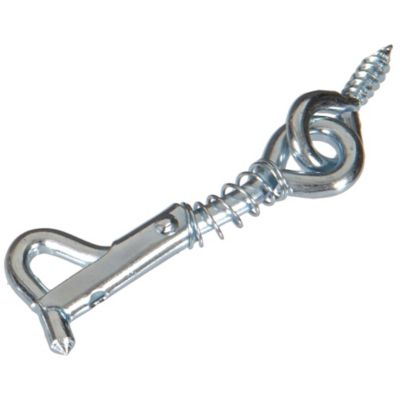
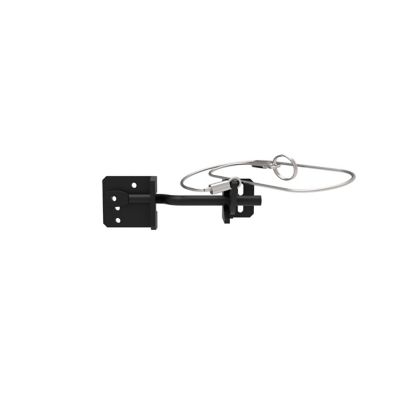
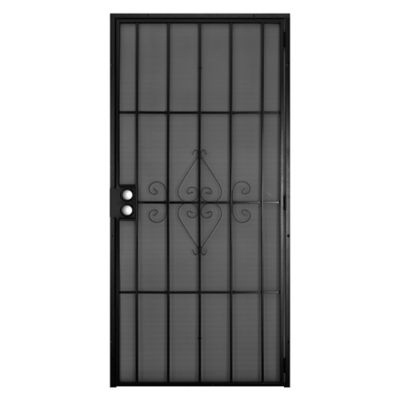
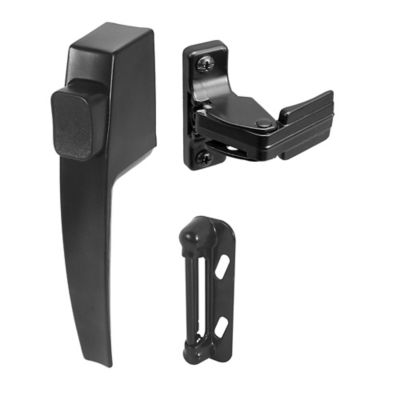
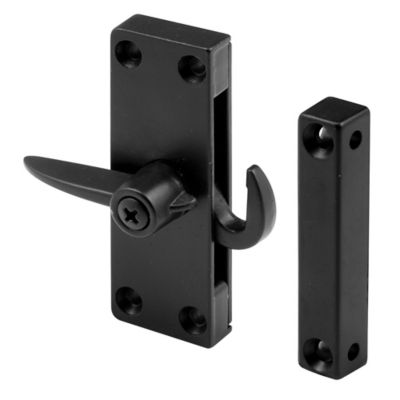
Shed door latches keep a storage building’s entrance shut between trips for the mower, fencing tools, or garden supplies. The right style depends on whether the door simply needs to stay closed or also needs a locking point to help restrict access. Common shed latch styles include T-handle assemblies, slide barrel bolts, gravity latches, and hasps that accept a separate padlock. Each works a little differently, so the way a shed gets opened matters just as much as its appearance. A T-handle provides an outside grip and turns a spindle connected to an interior latch arm. Keyed versions combine the handle and locking function, while spindle length and door thickness determine whether the assembly fits. Some designs accommodate a range of thicknesses, but that range varies by model. A slide barrel bolt moves into a keeper to hold a door closed and may mount horizontally or vertically when its design allows. This straightforward style can suit an interior fastening point or help secure the stationary leaf of a double-door shed. Gravity latches generally catch a bar as the door closes, making them practical for frequent trips in and out, provided the latch and strike stay aligned. A hasp folds over a staple or locking eye and provides a place for a padlock. Designs that cover their mounting screws when closed offer a different level of protection than hardware with exposed fasteners. Not every latch is a lock, and a locking feature alone does not make a shed resistant to forced entry. For a building holding a rake and a wheelbarrow, a simple closure may meet the need; a shed holding power tools calls for closer attention to the entire door assembly. Comfortable handles, accessible release points, and enough room for a gloved hand also make a difference when opening the shed is part of everyday chores.
Fit starts with the door’s construction, not just the size of the latch body. A solid wood door, a framed plywood door, and a thin metal door can require different mounting arrangements even when their outside dimensions match. Door thickness is especially important for T-handle latches because the spindle must reach the interior mechanism without interfering with its movement. Existing handle openings, screw-hole spacing, and clearance behind the door also affect replacement fit. Surface-mounted hardware needs enough solid material beneath it to hold its fasteners; attaching a latch only to a thin panel can leave the connection weaker than the latch itself. On framed doors, the location of rails and stiles helps determine a sensible mounting position. The gap between the door and jamb matters, too. A latch bar must reach its keeper, and a bolt must enter its receiver far enough to engage without binding. Flush-mounted and offset arrangements are not interchangeable in every installation, and inward- or outward-swinging doors can place the operating parts differently. Handing is another detail worth checking, since some latches reverse for left- or right-hand operation while others do not. Matching the setup with properly sized
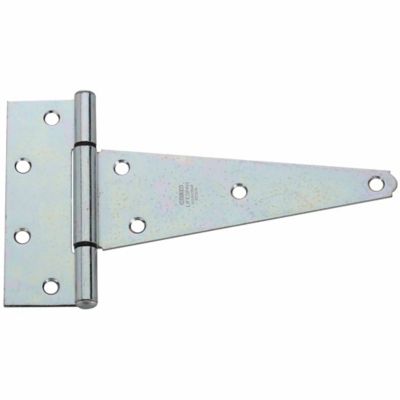
Shed Door Hinges helps support the door and maintain alignment at the latch side. A sagging door can make a sound latch seem troublesome, especially when the handle has to lift the door before the bolt will catch. Double shed doors bring another consideration: the stationary leaf generally needs its own fastening points before the active leaf can latch against it securely. Upper and lower bolts can engage suitable receivers in the frame and threshold, while the main latch closes the opening between the two leaves. That arrangement still needs clearance for moving a mower or wheelbarrow through the full doorway, without projecting hardware catching a tire, sleeve, or equipment handle.
Materials and finishes influence how shed door hardware holds up to repeated handling, rubbing parts, and the conditions inside a working storage building. Steel is common for latch bodies, bars, and bolts because it provides strength in a relatively compact shape. Zinc plating, galvanizing, and applied coatings help protect the underlying metal, although those finishes differ in construction and maintenance needs. Stainless steel offers corrosion resistance, but its grade and compatibility with surrounding hardware still matter. No finish makes a latch maintenance-free, and worn edges or damaged coatings deserve attention before corrosion spreads. Fasteners are part of the connection rather than an afterthought: their material, length, diameter, and mounting method should suit both the hardware and the door. Where the assembly permits, through-bolts and suitable backing can spread the load across more material than short screws in a thin panel. A secure installation also depends on sound framing and a strike or keeper anchored firmly enough to match the latch. For padlock-compatible shed latches, the locking opening must accommodate the shackle’s diameter and clearance without preventing the hasp or latch from seating fully. A large padlock cannot make up for loose screws, split wood, or a weak keeper. Day-to-day care is usually straightforward, with dirt cleared from moving parts, loose hardware addressed, and lubrication applied only as directed by the hardware manufacturer. Packed sawdust around a keeper or grit in a sliding bolt can interfere with smooth operation even when nothing is broken. Hardware that begins scraping or needs a hard slam may point to an alignment problem rather than a need for more force. On a walk-in shed, the placement of locks and releases also deserves attention so nobody can become trapped inside. From a small garden shed to a roomy equipment building, well-matched shed door latches balance convenient access, a firm closing action, and the level of security the building needs.