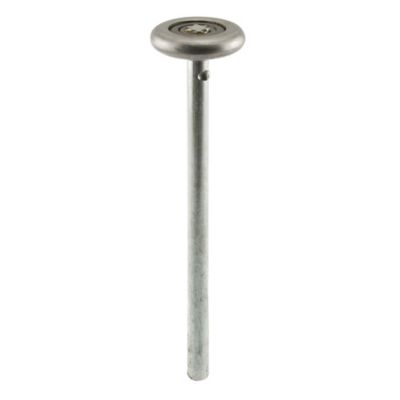
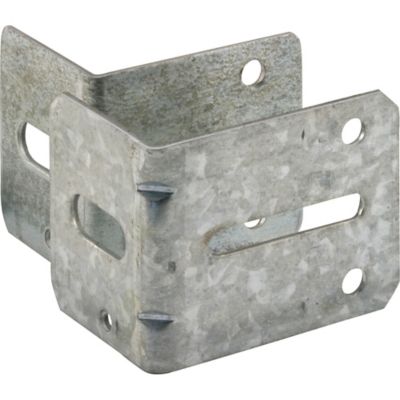
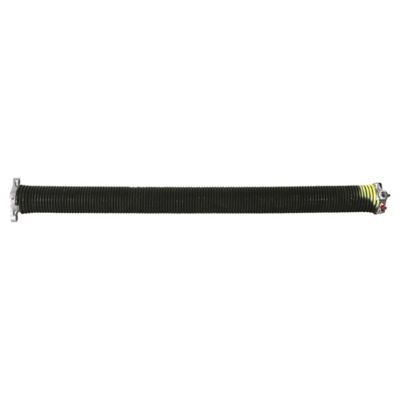
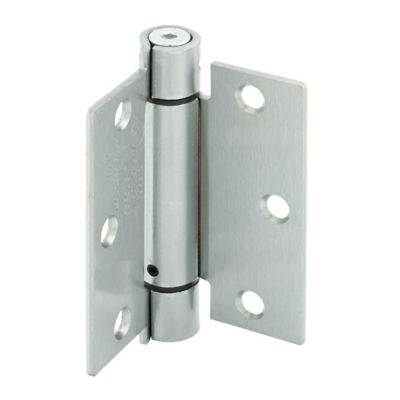
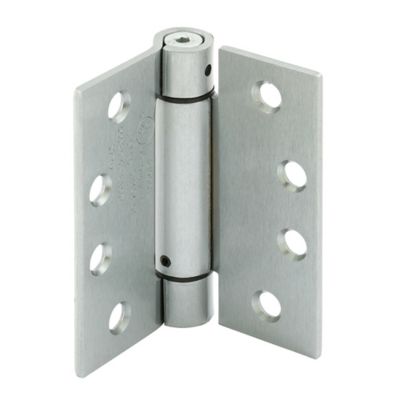
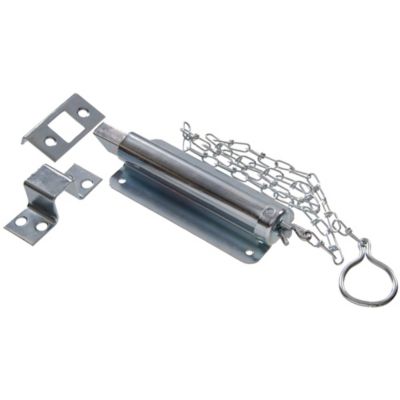
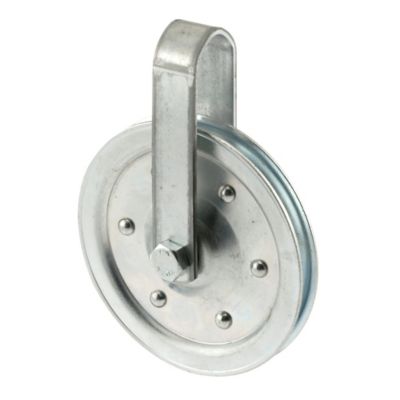
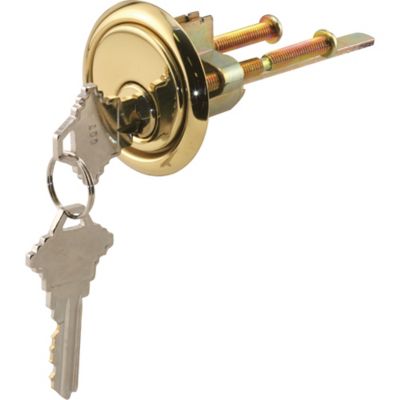
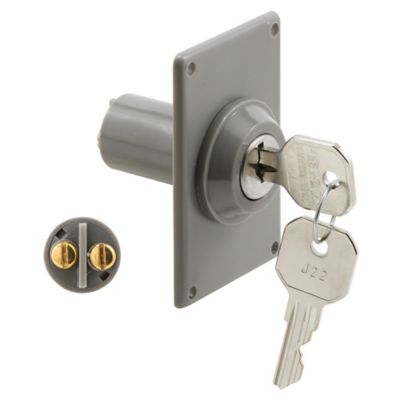
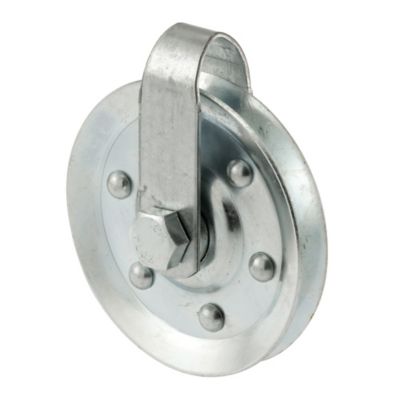
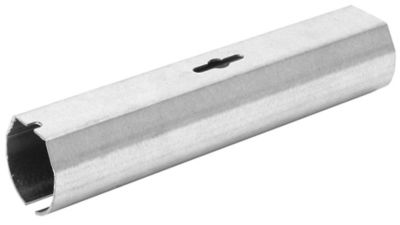
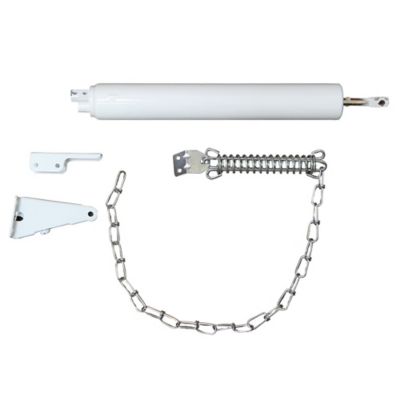
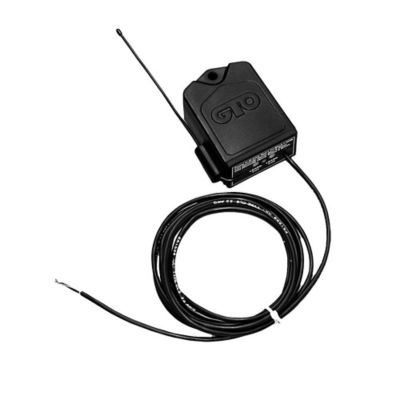
Garage door hardware includes the moving parts, supports, fasteners, and finishing accents that help a garage door operate and look the part. Functional hardware includes hinges, rollers, tracks, brackets, lift cables, and counterbalance components, while face-mounted handles and strap-style accents change the door’s appearance without taking over the lifting job. For a garage beside the house, a farm shop, or a building where equipment gets parked between jobs, the right match starts with the door itself. A sectional overhead door depends on panels that pivot at the hinges while rollers follow the tracks. Its springs counterbalance the door’s weight; an automatic opener moves a properly balanced door rather than replacing that spring system. Hinges connect adjacent sections, and many roller hinges have position numbers that correspond to their location on the door. Those numbers are not a substitute for checking the original part and the door manufacturer’s specifications. Roller diameter, stem length, bearing design, and track dimensions all affect compatibility. Nylon-tread rollers can help reduce rolling noise, while steel rollers suit applications specified for that construction; bearing design and condition also influence how smoothly either type travels. Galvanized steel is common for hinges and brackets because its zinc coating helps resist corrosion. Stainless steel, aluminum, and coated steel appear in other hardware applications, with the right choice depending on the component’s job and the manufacturer’s requirements. Steel thickness matters for load-bearing parts, but a heavier-looking piece is not automatically a better fit. Hole placement, hinge offset, bracket shape, and the strength of the mounting surface matter just as much. A shop door that opens several times through a workday may have different service demands than a garage opened only for weekend chores. Matching the hardware to the door’s size, construction, and operating demands helps keep the whole assembly working together, whether the opening leads to a workbench, a tractor bay, or the family truck.
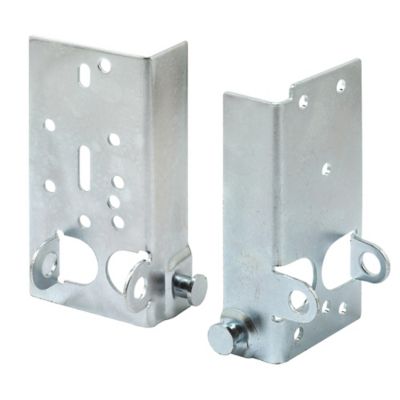
Fit goes beyond finding a replacement that looks close to the original. Door width, height, weight, panel thickness, track configuration, and manufacturer information can all narrow down the right garage door replacement hardware. Existing markings and part numbers are helpful references, especially when similar-looking hinges or brackets have different offsets or mounting patterns. Fasteners also need to match the application: hardware attached to a steel panel may require a different fastening method than hardware attached to a wood door or structural framing. An extra hole in the wrong place can weaken a mounting area or interfere with another component, so compatibility matters more than making a part fit by force. The same care applies to operating clearance. Rollers, hinges, handles, and brackets need room to travel without rubbing against trim, tracks, opener components, or neighboring panels. For everyday upkeep, the manufacturer’s maintenance schedule is the best starting point. Clean track surfaces, sound mounting points, and lubrication at approved locations help limit unnecessary wear. Tracks generally should not be packed with grease, which can collect grit, and sealed bearings may have different care requirements than exposed moving joints. Grinding, scraping, uneven movement, frayed cables, or a door that sits crooked deserve attention rather than a stronger pull on the handle or another push of the opener button. Garage door springs, lift cables, bottom brackets connected to those cables, and related tension-loaded parts can cause serious injury if disturbed. Their inspection, adjustment, and replacement belong with a trained garage door technician. A door that binds or becomes unusually heavy also needs professional evaluation; extra opener force does not correct a counterbalance problem. For homeowners, property caretakers, and shop operators, these details make hardware selection part of caring for the entire opening, not simply replacing the most noticeable worn piece. Keeping the door’s model information and service records together can make later maintenance conversations a lot simpler.
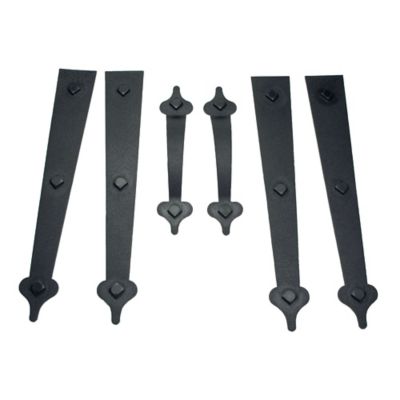
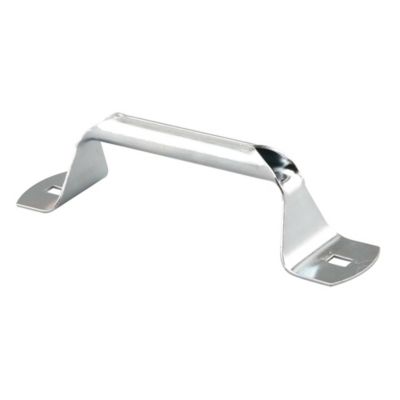
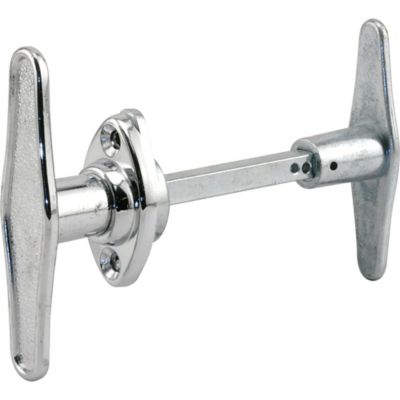
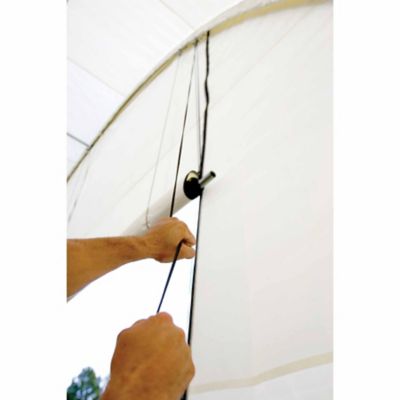
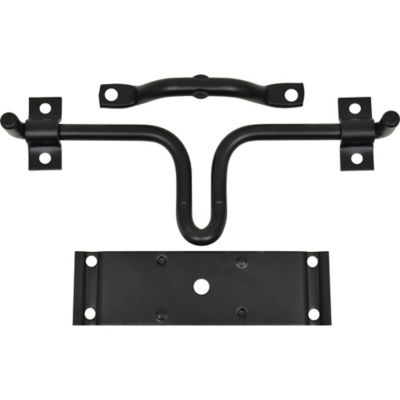
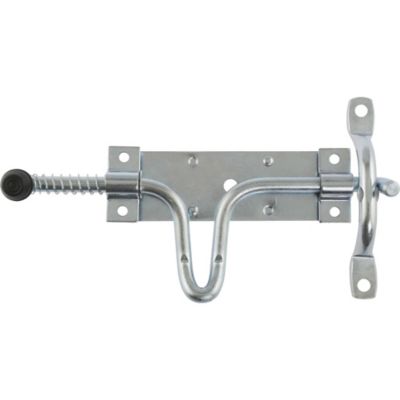
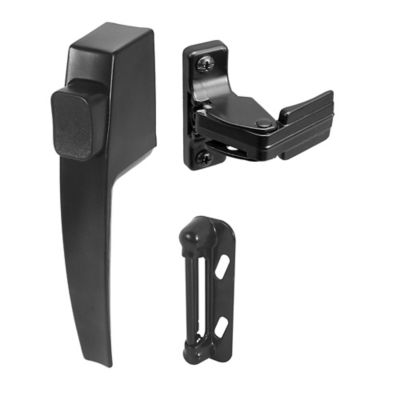
Appearance matters, too, especially when the garage faces the driveway or stands alongside a barn, workshop, or farmhouse. Garage door handles, hinge-look straps, and other surface accents can give a plain panel door a carriage-house look or add a straightforward finishing touch to a work building. These pieces serve a different purpose from working hinges and lifting hardware, and some handles are intended for appearance only. A handle meant for operating a door must have the mounting support and load rating for that job. Proportion makes a difference: long straps can suit a broad door, while smaller accents may sit more comfortably within narrow panel sections. Placement should respect the panel layout and leave section joints, pinch points, seals, locks, and the door’s travel path clear. Magnetic accents require a compatible steel surface; aluminum, wood, and many composite door faces need another approved attachment method. Even on steel doors, surface shape and finish can affect how well an accent sits. Screw-mounted hardware requires suitable backing and fasteners, along with attention to any warranty restrictions on drilling the door. Finishes can coordinate with nearby gate latches, entry handles, or exterior light fixtures without every piece looking exactly alike. Simple shapes are often a good match for a working garage where clear access and easy cleaning come first. Care requirements matter here as well, since some finishes tolerate routine washing better than abrasive cleaners or stiff brushes. For a separate sliding opening on a shed or shop,
Barn Door Hardware serves a different arrangement of hangers, rails, guides, and stops; those components are not interchangeable with sectional garage door parts. Whether the goal is smoother operation, replacing worn components, or giving the door a more finished appearance, the best match respects how the door is built and what the building needs day after day.