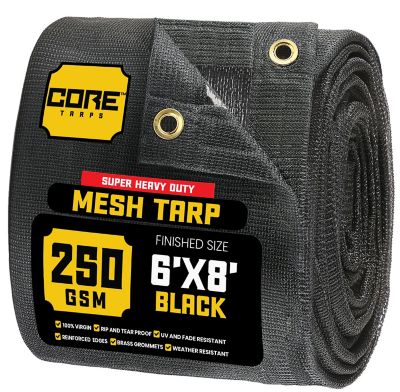
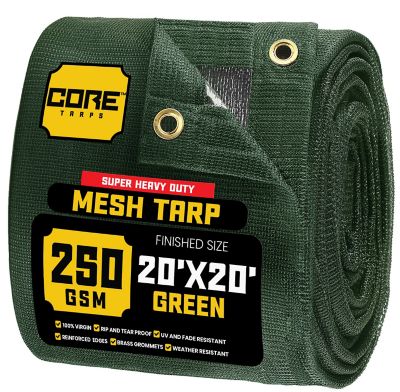
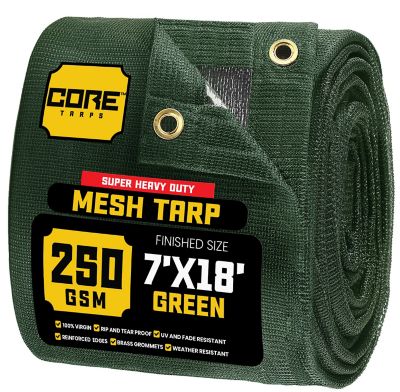
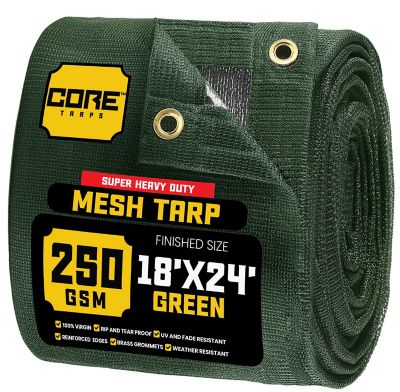
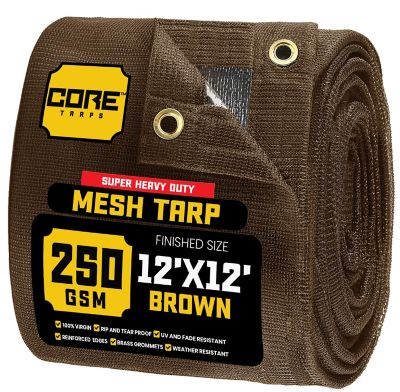
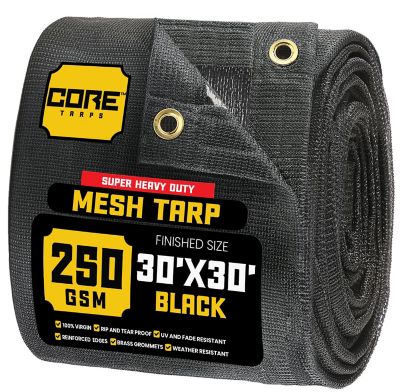
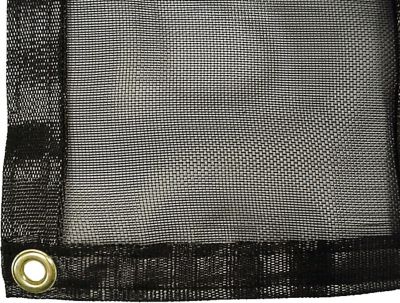
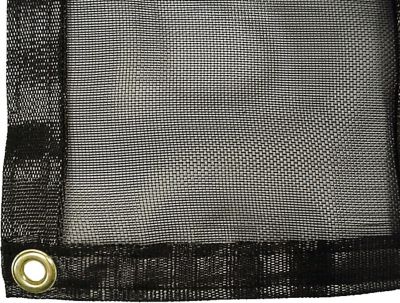
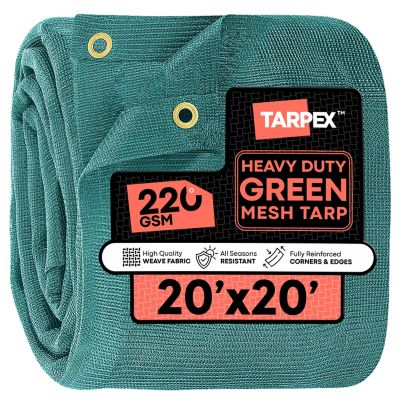
Backyard shade tarps create a shaded spot over the picnic table, beside the potting bench or across a patio where direct sun makes it hard to settle in. A mesh shade tarp filters sunlight while letting air move through the fabric, helping reduce glare and direct sun exposure without enclosing the space. Most mesh shade tarps also let rain pass through, so they provide shade rather than waterproof shelter. That distinction matters when the same area holds seat cushions, a serving table or equipment that needs to stay dry. Shade density is another important difference between fabrics. A stated shade percentage generally describes the amount of light the material screens; it does not automatically tell you the fabric’s tested ultraviolet protection. Mesh rated around 50% to 70% provides more filtered light than denser material rated around 80% to 90%, which is often better suited to seating areas where cutting strong sunlight is the main goal. Garden coverage needs a closer match to the plants underneath, since a comfortable level of shade above a chair may be too much for sun-loving vegetables. Backyard shade tarps are part of the broader family of
Outdoor Shades, with flexible coverage that can suit an open frame, a pergola or another properly supported outdoor space. They make sense for households that want a place to shell peas, share lunch or watch the kids play without sitting in direct sunlight the whole time. The shaded footprint still changes as the sun moves, and light can enter from open sides. An overhead tarp therefore works best when its placement matches the part of the yard and the hours when people gather there. Shade also does not eliminate ultraviolet exposure or replace other sun protection. The appeal is practical: a more comfortable patch of backyard that stays open to the breeze and keeps the view of the garden, fence line or play area.
Fabric construction, edge reinforcement and attachment style all affect how a backyard shade tarp fits the job. Knitted high-density polyethylene, often called HDPE, is a common shade material with an open structure that supports airflow. UV-stabilized versions are made to resist breakdown from sunlight, although exposure, tension and care still affect their service life. Other mesh constructions may use coated polyester or different synthetic fibers, with differences in weight, flexibility and resistance to abrasion. Solid polyethylene or coated fabrics provide a different kind of coverage, limiting airflow and potentially shedding rain when the material, seams and installation are intended for that purpose. Water resistance and waterproof performance are not interchangeable, and an open mesh should never be expected to keep a table dry. Reinforced hems help distribute pulling forces around the perimeter, while grommets or attachment loops provide connection points. The spacing and construction of those points matter just as much as the overall tarp dimensions. A rectangular cover may suit a long eating area, while a square can fit neatly over a compact sitting space. Finished measurements need to leave room for the specified mounting hardware and tensioning distance; the fabric dimensions alone do not describe the full installation footprint. A little clearance around a grill, doorway or walking path also makes the space easier to live with. Shade fabric should stay well away from flames, hot exhaust and cooking equipment, with all required clearances maintained. Secure mounting depends on sound posts, a suitable frame or other supports capable of handling the pull from the cover and wind. Fence rails, house trim and small branches are not automatically suitable anchors. Product instructions determine the appropriate hardware, slope and tension, especially because mesh tarps, solid covers and tensioned shade sails do not all mount the same way. A good fit keeps the fabric from dragging across rough edges or sagging into the space below.
Everyday care helps a shade tarp stay ready for backyard use without turning upkeep into another big chore. Leaves, twigs and dirt can collect along folds and low spots, while contact with a rough beam or fence cap can wear through fabric over time. Routine attention to the hems, corners and attachment points makes small changes easier to catch before a torn edge or loose connection becomes a bigger problem. Cleaning methods vary by material, but gentle rinsing and a soft brush are often appropriate when the care directions allow them. Harsh cleaners, stiff scrubbing and pressure washing may damage coatings, fibers or stitching. Fabric should be fully dry before it is folded away, and storage off the ground helps keep it clear of standing moisture, rodents and sharp tools. Wind ratings and removal instructions deserve attention, too. An open weave lets some air pass through, but it does not make a tarp stormproof, and shade covers should not be treated as shelters from severe weather. Snow, ice and pooled water can add loads that an overhead shade setup was never designed to carry. For day-to-day use, the right coverage depends on what happens underneath it: room for chairs to slide back from the table, head clearance along a walkway or filtered light over a workbench where seedlings get repotted. Near a pet exercise area, shade can be one part of a comfortable setup, alongside fresh water, ventilation and regular checks on the animal; a tarp alone is not protection from excessive heat. For families, gardeners and folks who spend plenty of time tending the yard, the most useful shade tarp is the one whose material, dimensions and mounting requirements suit the space. Well-matched coverage leaves room for the ordinary things that make a backyard worth spending time in, from a quiet cup of coffee to a full table after the chores are done.