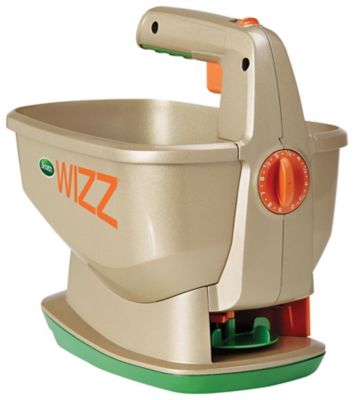
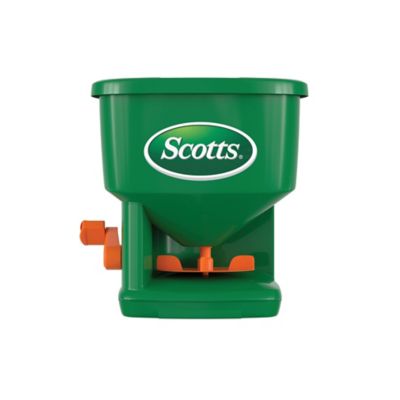
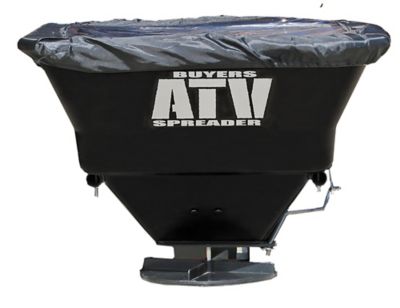
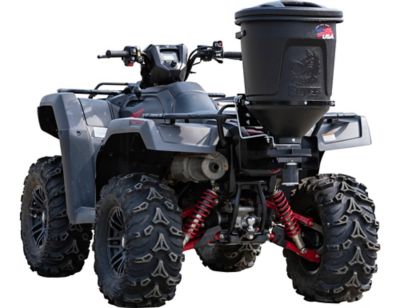
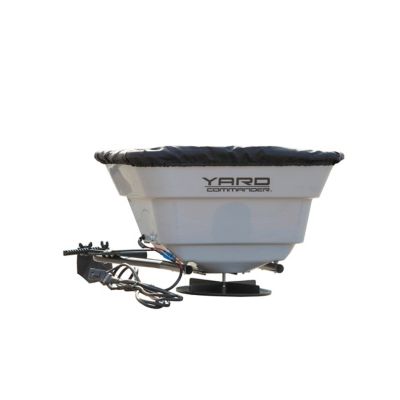
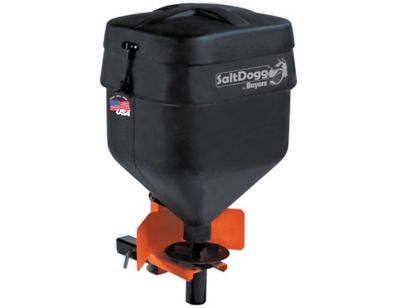
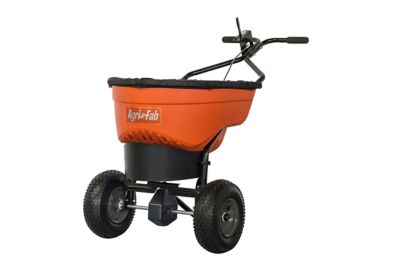
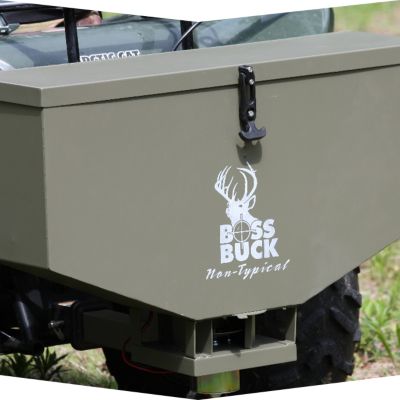
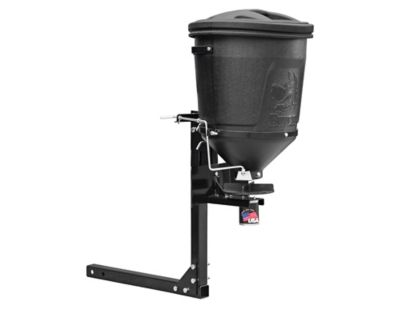
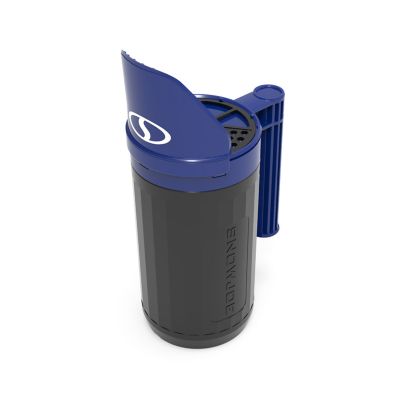
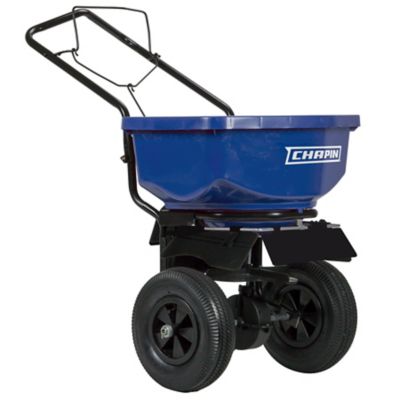
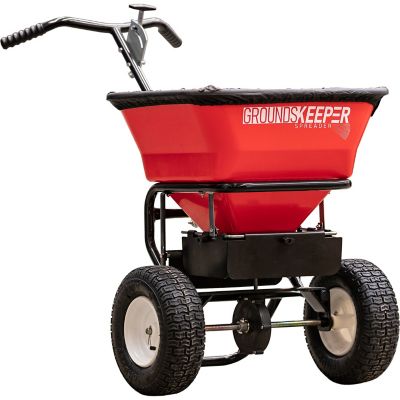
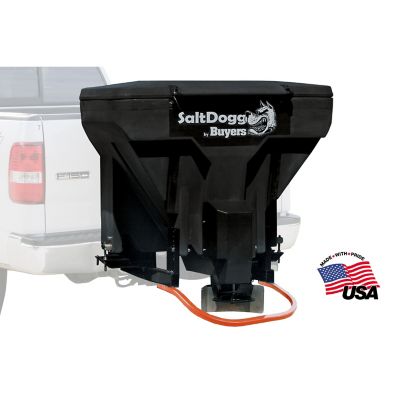
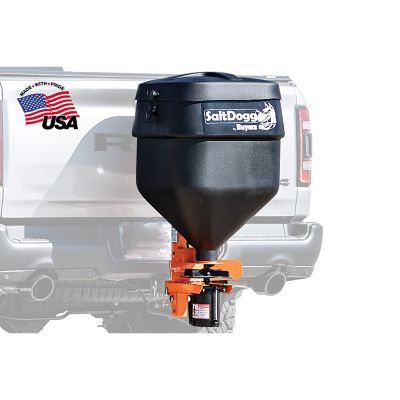
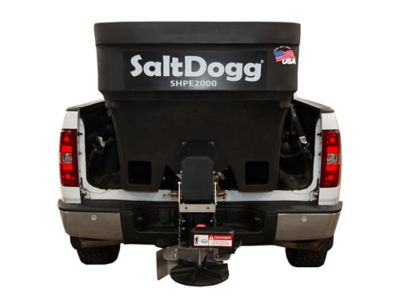
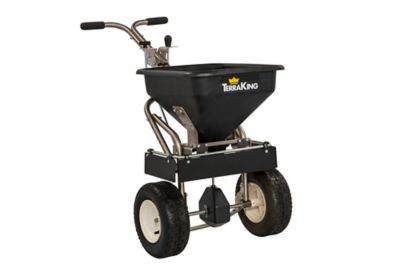
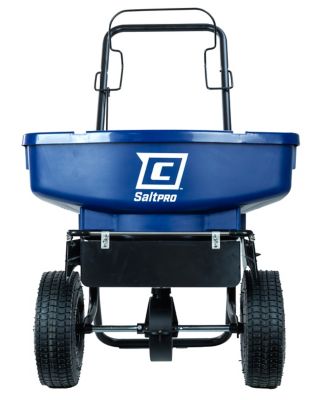
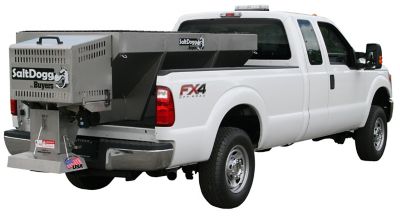
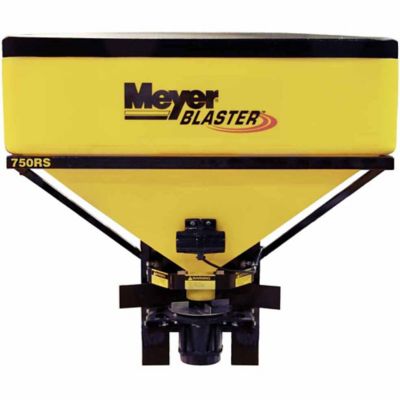
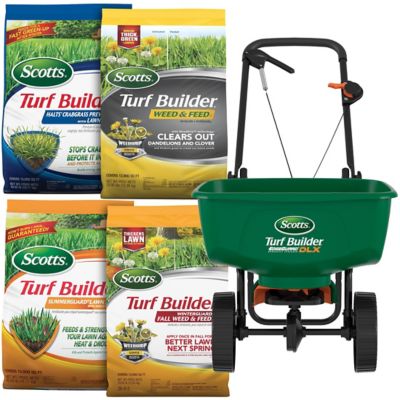
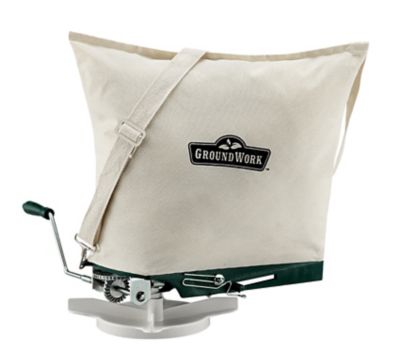
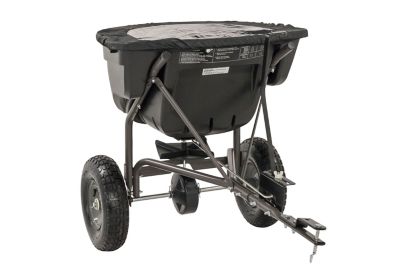
Salt spreaders distribute rock salt or compatible ice-melting granules across sidewalks, driveways, parking areas, and other paved surfaces to help melt ice and reduce ice buildup. They give homeowners, farm owners, grounds crews, and snow-removal contractors a way to cover pavement more evenly than tossing material by hand. Around a country place, that might mean treating the walk from the house to the garage, the approach to a workshop, or a long driveway where shaded stretches stay slick. The right size depends on both the area being treated and the route it takes to get there. Handheld salt spreaders keep a small amount of material close at hand for short walkways and tight spaces. Walk-behind salt spreaders carry a larger load in a wheeled hopper, making them a practical fit for sidewalks, driveway aprons, and paths between buildings. Tow-behind and vehicle-mounted salt spreaders suit longer lanes, broad parking areas, and repeated passes across larger properties. Hopper capacity matters, but a bigger hopper is not automatically the better fit. A full load adds weight that has to be pushed, pulled, or carried by a vehicle, and narrow gates or sharp corners can make a smaller spreader easier to handle. Capacity ratings also depend on the material, so hopper volume and listed weight capacity deserve a close look together. Rock salt, blended ice melt, and fine granules do not all flow alike. Each spreader has its own material compatibility requirements, and some ice-melting products are unsuitable for certain feed systems. Sand needs a spreader specifically rated to handle it; it adds traction rather than melting ice. Matching the hopper opening and feed mechanism to the material helps support steady flow without constant stops to clear a blockage. Salt spreaders complement shovels, snow blowers, and plows rather than replacing them, since removing loose snow lets an appropriate ice-melting treatment reach the surface below.
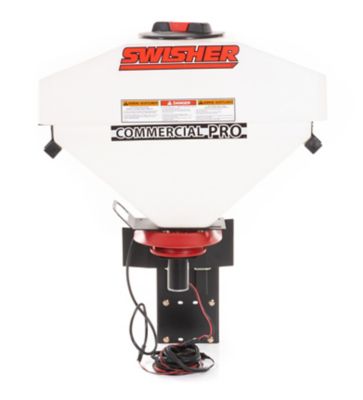
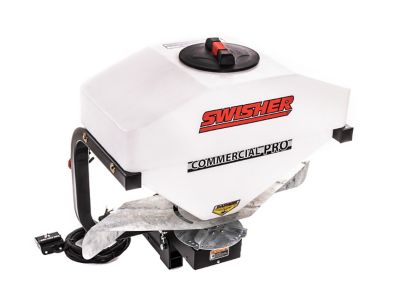
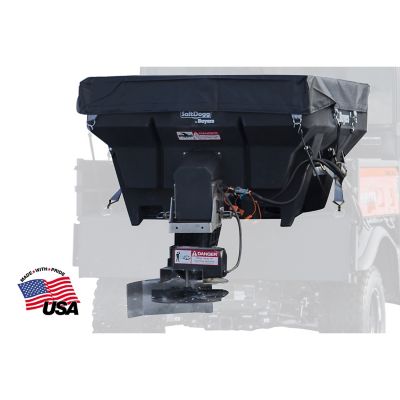
Construction makes a difference when a spreader spends its working life around salt, slush, and rough pavement. Poly hoppers resist corrosion and keep hopper weight down, while stainless steel components and coated steel frames offer different approaches to protecting metal parts. No finish makes neglected equipment immune to salt, especially where scratches expose bare steel or residue collects around fasteners. Frame strength, axle support, and the connection between the hopper and chassis all matter when hauling a loaded spreader over driveway seams and uneven approaches. For walk-behind equipment, handle height and grip shape affect how comfortably someone can steer while wearing winter gloves. Pneumatic tires can cushion bumps, although tire pressure and traction still need attention; solid tires avoid punctures but ride differently on rough ground. Wheel size, tire tread, and the spreader’s width also influence how it handles a sloped driveway or a narrow sidewalk. The dispensing system deserves just as much attention as the frame. An adjustable gate controls how much material leaves the hopper, while the spinner broadcasts it across the pavement. Deflectors or shields help contain the pattern along edges, keeping more treatment on the intended surface and less in nearby grass or planting beds. An agitator or auger can help keep compatible material moving, but damp, hardened chunks can still interrupt the flow. Spread width varies with the machine, material, and operating conditions, so a wide advertised pattern is only part of the picture. For vehicle-mounted equipment, hitch or mounting compatibility, electrical requirements, loaded weight, and the vehicle’s rated limits all belong in the fit check. Tailgate-mounted designs and tow-behind designs place weight differently and handle differently when turning or backing. For larger properties and repeat snow-removal work,
Commercial Spreaders offer another category to consider alongside the size of the route, the carrying vehicle, and the amount of material each job requires. Controls that remain easy to reach from the operating position can make repeated starts and stops less awkward.
Day-to-day handling and care help determine how well a salt spreader holds up over repeated jobs. A hopper cover can help keep falling snow and road spray away from the load, but it does not replace dry storage or turn damp material back into free-flowing granules. Salt that sits in a hopper can draw moisture, form a crust, and leave residue against hardware, so easy access for emptying and cleaning is worth considering. Wide openings, reachable corners, and accessible feed components make that work less of a chore at the end of a long pass. Cleaning methods vary by design: a simple push spreader has different needs from a unit with a motor, wiring, and electrical connections. Manufacturer care directions should govern rinsing, lubrication, and protection of electrical parts, with components allowed to dry before storage. Keeping the hopper empty between jobs and checking gates, moving parts, fasteners, and protective finishes can help catch trouble before the next icy morning. Storage space matters, too, particularly when a walk-behind spreader shares a shed with mowers or a vehicle-mounted unit comes off the truck between storms. In operation, even coverage depends on more than hopper capacity. Travel speed, gate setting, material size, and overlap between passes all affect how much lands on the pavement. Spreader settings are not interchangeable across every ice-melt blend, and application rates should follow the treatment label rather than the appearance of a heavily salted surface. Excess material can damage nearby vegetation, contribute to corrosion, and leave residue where people and animals walk. Surface compatibility and effective temperature range come from the ice-melting product’s label, not from the spreader itself. Whether the job is a short path to the back door or a stretch of pavement beside the barn, a well-matched salt spreader brings together manageable weight, controlled coverage, straightforward cleaning, and a feed system suited to the material.