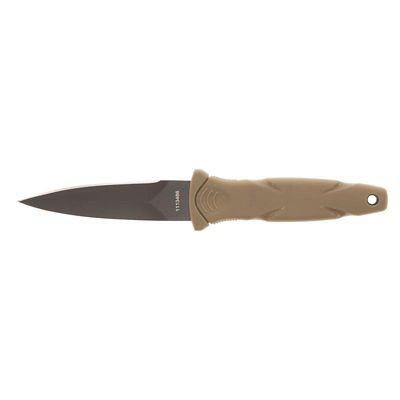
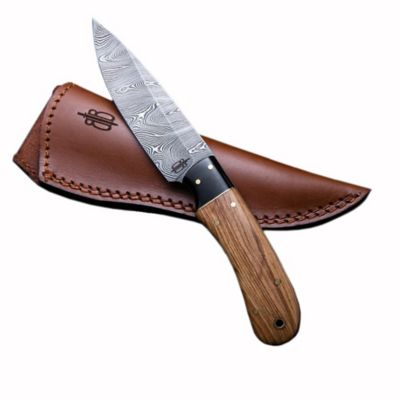
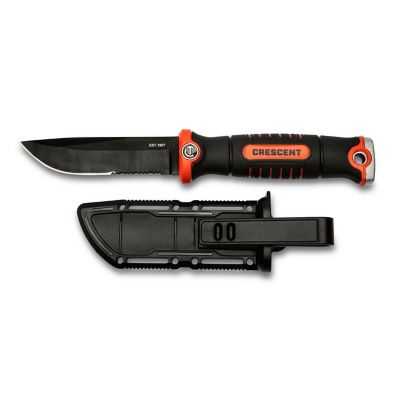
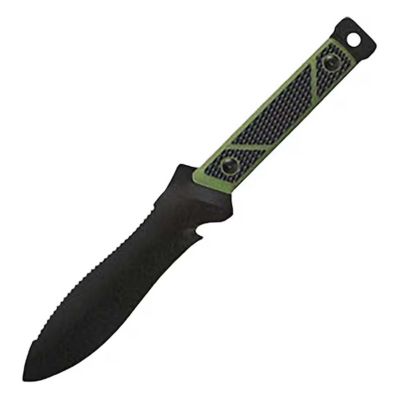
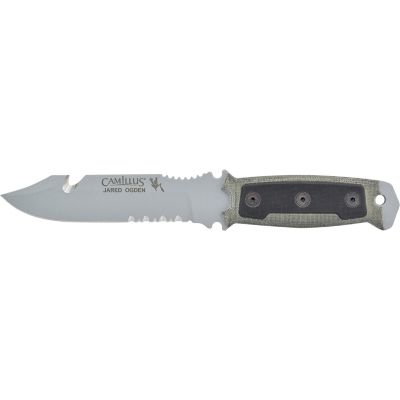
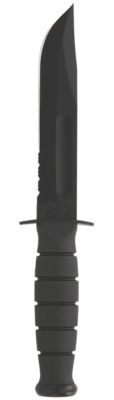
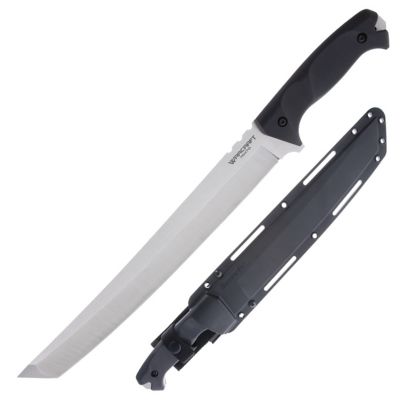
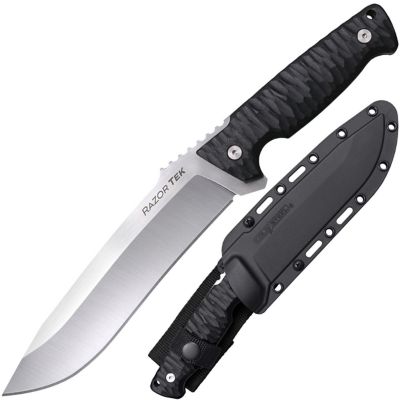
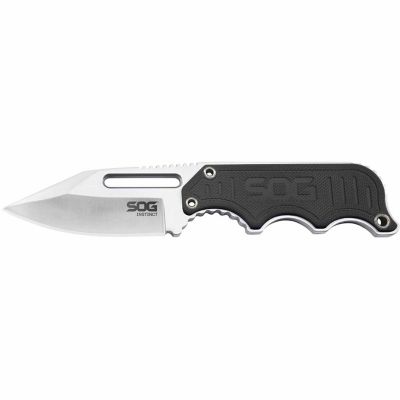
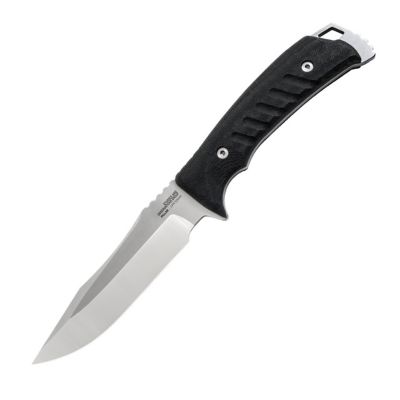
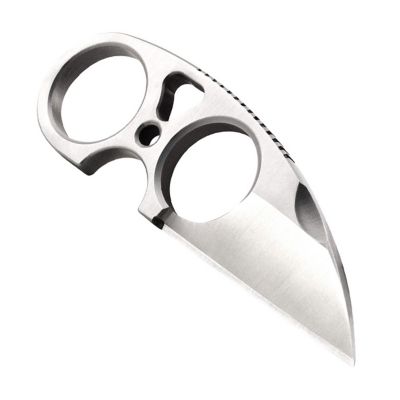
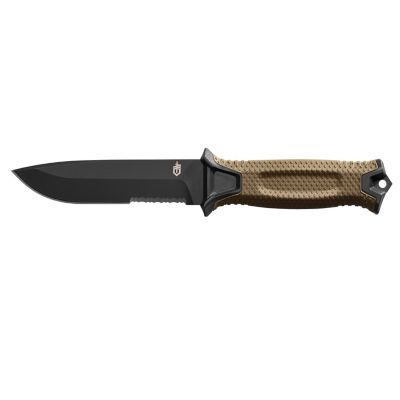
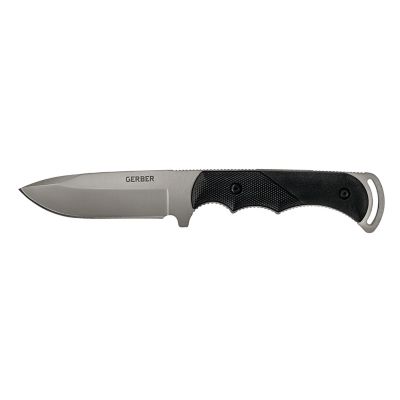
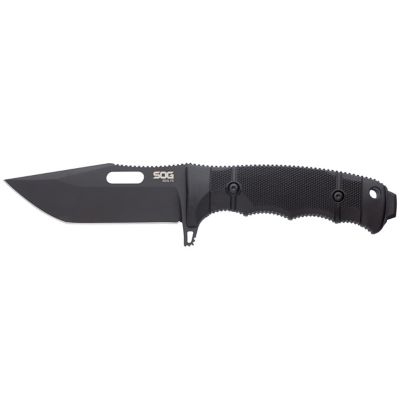
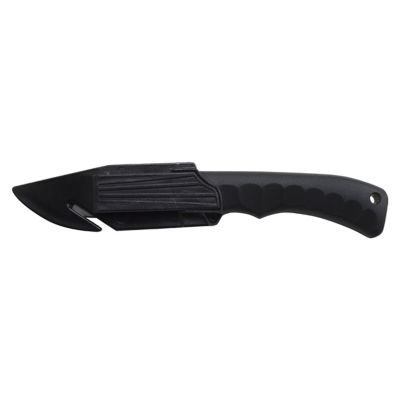
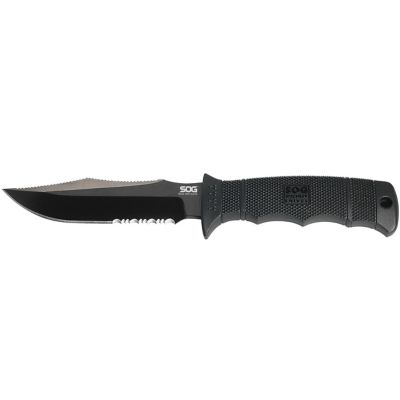
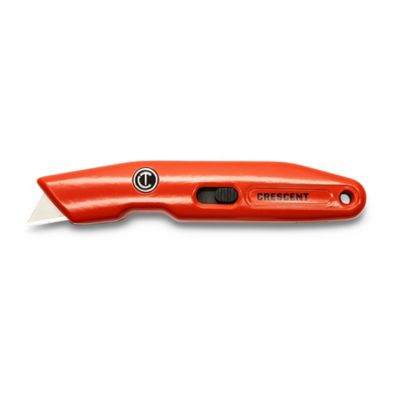
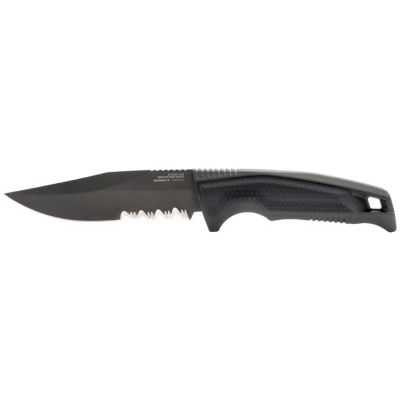
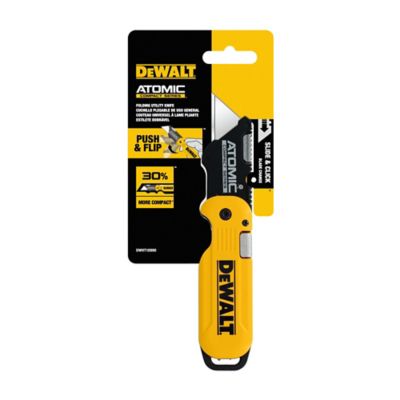
Fixed blade utility knives are built for steady, dependable cutting when a folding or retractable knife may not provide enough strength. Because the blade is secured in place, there are no hinges, locks or sliding parts to work loose while you are cutting. That solid construction helps reduce blade wobble and gives you more consistent control through tough materials such as cardboard, carpet, plastic strapping, roofing material, insulation, drywall and heavy packaging. On a farm, ranch or busy property, a fixed blade utility knife can earn its keep opening feed bags, trimming twine, cutting baling wrap, breaking down boxes and handling repair work around the barn or shop. They also fit naturally in a contractor’s tool belt, a maintenance kit or a truck toolbox. Look for a handle that feels secure in your hand, with a shape and texture that help prevent slipping when your gloves are dusty, damp or worn. A guarded handle or finger stop adds confidence by helping keep your hand from moving forward toward the cutting edge. The blade should be long enough for the material at hand without being awkward, and the overall size should match the work: a compact design is handy for everyday tasks, while a longer, more substantial model may offer better leverage for construction and heavy-duty jobs. A sheath is another important feature, especially when the knife will ride on a belt, travel between work areas or be stored in a drawer with other tools. It protects the edge, keeps the blade covered and makes it easier to carry the knife without damaging nearby gear. Always place a covered knife where children and animals cannot reach it, and avoid carrying a fixed blade in a pocket or loose in a toolbox where the edge could catch on clothing or hands. If you are looking for cutting tools made with added workplace protection in mind, browse
Safety Knives as another option for your tool collection.
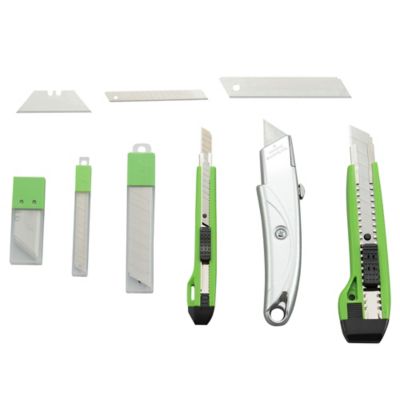
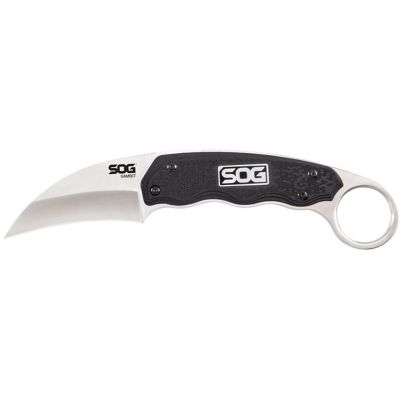
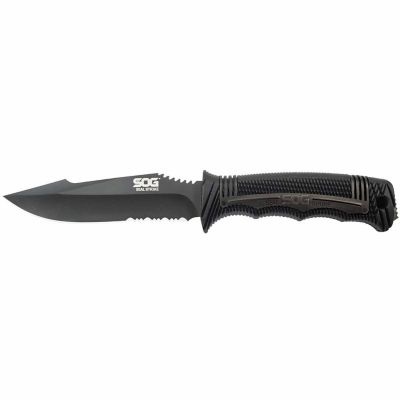
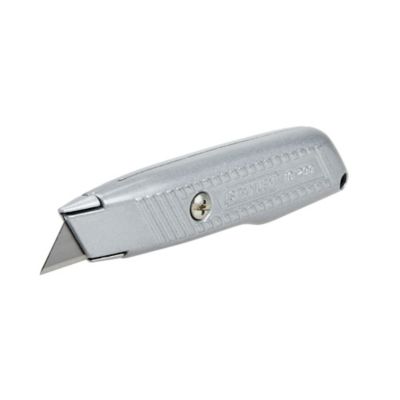
When choosing among fixed blade utility knives, start with the blade style and the type of work you do most often. Standard utility designs commonly use replaceable trapezoid-shaped blades. These are a practical choice for jobs that quickly dull an edge, such as cutting roofing felt, sheet goods, carpet, shrink wrap or thick cardboard. Instead of replacing the whole knife, you can change the blade when it becomes dull, which keeps the tool ready for the next job and can be more economical over time. Some handles include storage for spare blades, a useful detail when you are working away from the shop or climbing a ladder and do not want to stop and search for replacements. Other fixed blade knives use a solid steel blade that can be cleaned, maintained and sharpened as needed. These may suit general outdoor chores, camp tasks, hunting and everyday utility work, provided the blade material and edge design match the job. Stainless steel is valued for its resistance to rust and staining, which can be helpful around wet grass, livestock areas and changing weather. Higher-hardness steels can hold an edge longer, though they may require more care and the right sharpening equipment. A full tang or strongly supported blade can add strength for demanding use, while a contoured handle can make repeated cuts easier on your palm. Pay attention to the balance, too. A knife that feels lively and controlled in your hand is less tiring than one that feels nose-heavy or difficult to guide. Fixed blade designs offer fast access when stored in a proper sheath, but that convenience makes safe handling especially important. Cut away from your body, keep your free hand out of the cutting path, use a stable surface and let the blade do the work instead of forcing it. Do not use a utility knife as a pry bar, screwdriver or hammer; twisting or striking can damage the blade and send fragments in an unexpected direction. Replace chipped, bent or badly worn blades, and clean away adhesive, sap and dirt before storing the knife. A light coat of protectant on carbon steel can help guard against corrosion, while even stainless steel benefits from being dried after use.
A fixed blade utility knife can be a thoughtful gift for someone who enjoys hands-on work, outdoor projects or keeping a well-prepared vehicle and workshop. It is useful for a new homeowner setting up a tool drawer, a woodworker organizing a bench, a farmer repairing equipment, a contractor preparing for a demanding job or an outdoors person building a dependable camp kit. It can also be a practical addition to a fall cleanup setup, where there are boxes to break down, garden fabric to trim, firewood bundles to open and supplies to put away before colder weather settles in. During the cooler months, a sturdy knife may see regular use in the garage, shed or barn as projects move indoors and deliveries arrive in heavier packaging. For a gift, pair the knife with a quality sheath, replacement blades if the design accepts them, work gloves or a compact sharpening tool suited to the blade steel. Choose the knife based on the recipient’s habits rather than appearance alone. Someone who spends long days on construction materials may appreciate a grippy ergonomic handle and quick blade changes, while a person who camps, hunts or maintains trails may prefer a compact, corrosion-resistant solid blade with a secure sheath. Keep local laws and workplace rules in mind when selecting or carrying any fixed blade, since restrictions can vary by location and situation. With the right size, edge style, handle and storage system, a fixed blade utility knife becomes a reliable part of everyday gear—ready for the rough cardboard in the barn, the stubborn wrap around a pallet or the small repair that cannot wait until the next trip to town.