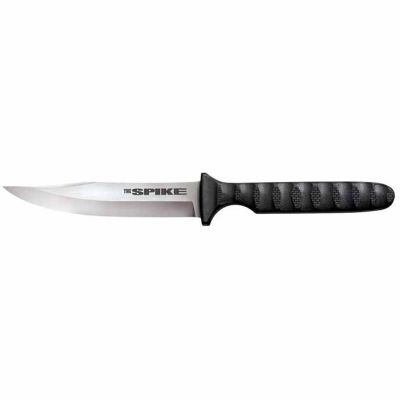
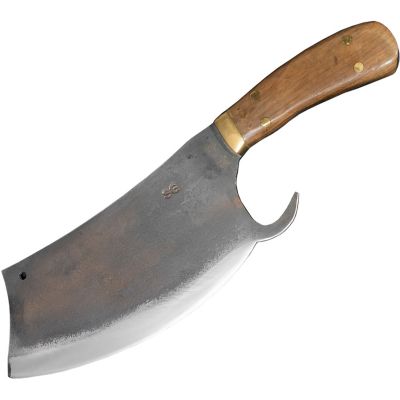
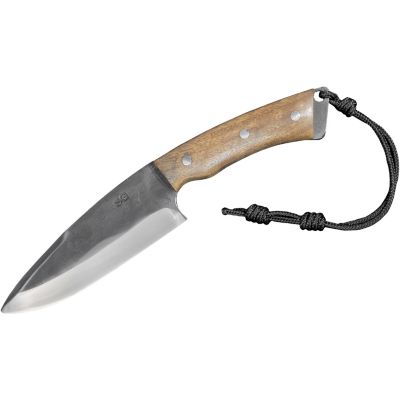
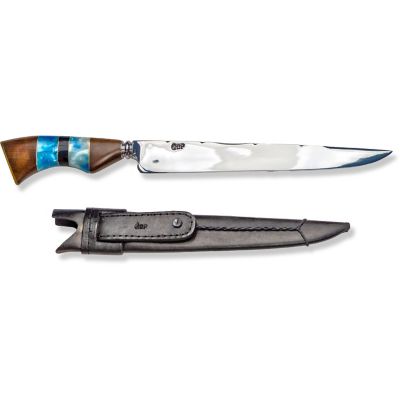
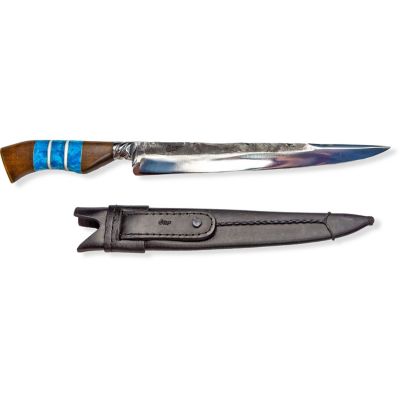
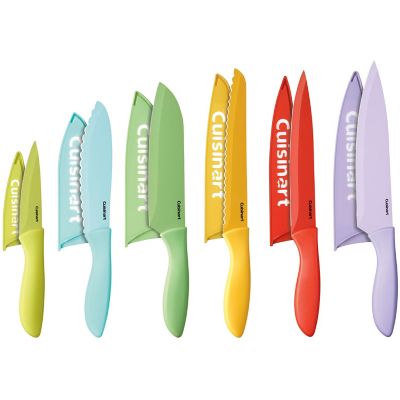
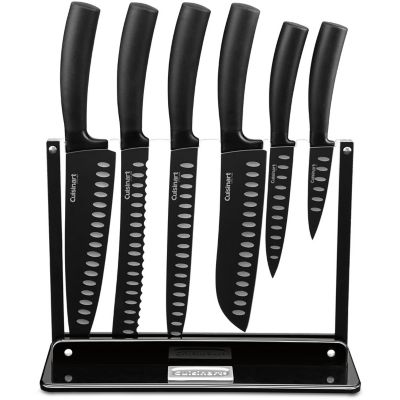
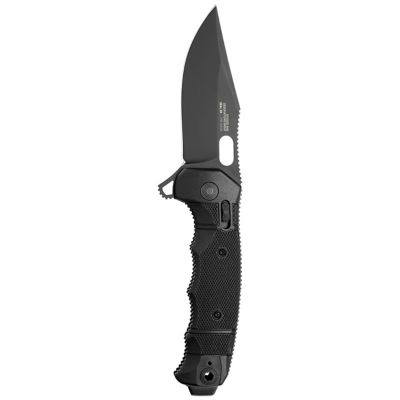
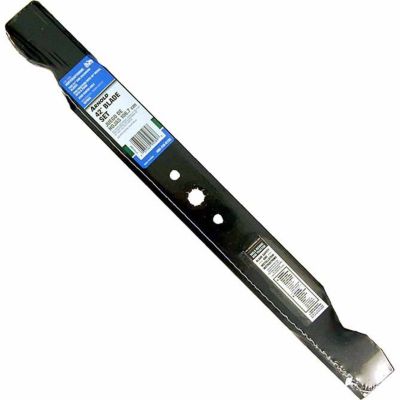
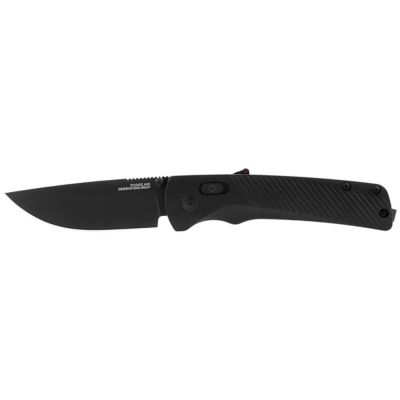
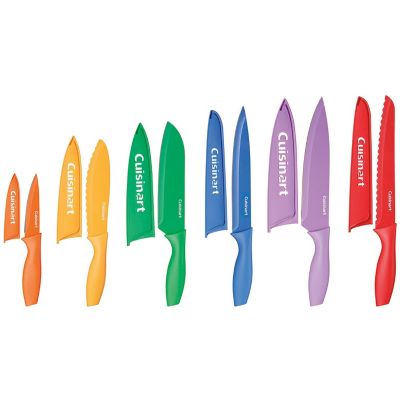
Sharp knives cut cleanly because a thin, even cutting edge concentrates force along a narrow line. Blade geometry, steel, heat treatment, and edge condition all affect how easily a knife slices and how long it keeps working between sharpenings. A keen edge generally needs less pushing than a dull one, which helps with control, though every exposed blade still calls for careful handling. Around the farm, in the kitchen, or at a campsite, the right knife starts with the job rather than the biggest blade. Slicing a ripe tomato, trimming meat, cutting cord, and shaping a wooden stake put different demands on an edge. Thin blades tend to move through food with less resistance, while thicker blades provide more support for suitable outdoor cutting tasks. A straight cutting edge offers predictable contact along its length; a curved belly supports sweeping slices. Serrations can help bite into crusty bread or fibrous material, but they need sharpening equipment suited to their shape. Stainless steel resists rust and often makes everyday upkeep simpler, although it still needs cleaning and drying. Carbon steel can take a fine edge and may be straightforward to sharpen, but it needs closer attention to moisture and corrosion. Neither label tells the whole story: the steel blend and heat treatment influence edge retention, toughness, and sharpening effort. Harder steel may hold its edge longer in a suitable application, but some harder blades are less forgiving of twisting or impact. Blade finish matters, too. A smooth surface is easier to wipe clean, while coatings require care that matches the maker’s directions. For food preparation, a fine edge that passes through an onion without crushing the layers is more helpful than sheer blade weight. For outdoor chores, enough blade strength for the intended cut matters more than an edge ground as thin as possible. Sharpness works best when the entire knife suits the task.
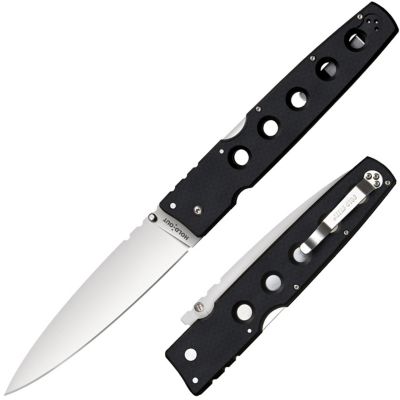
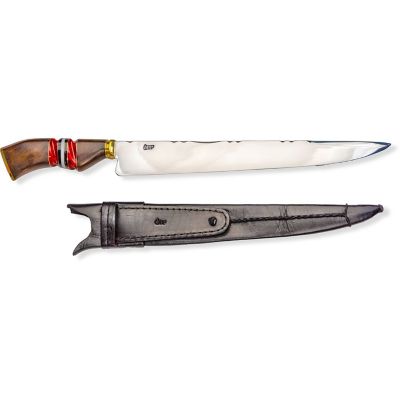
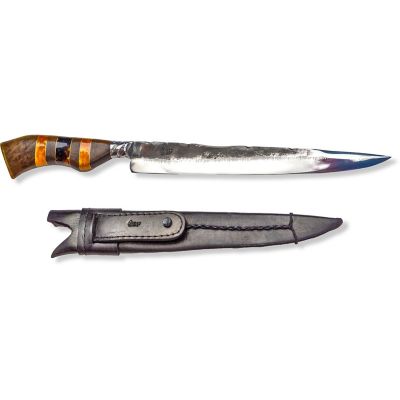
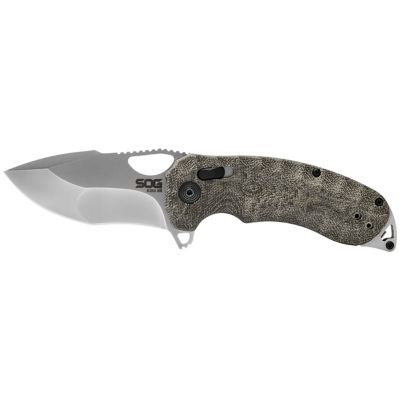
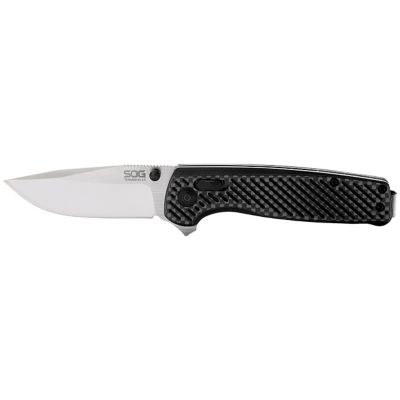
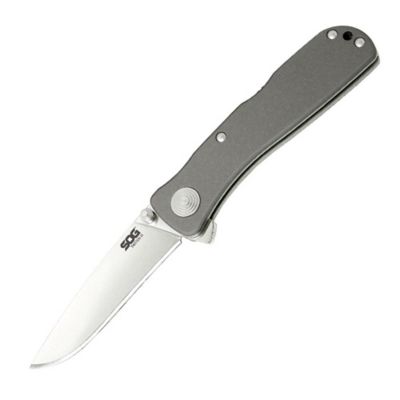
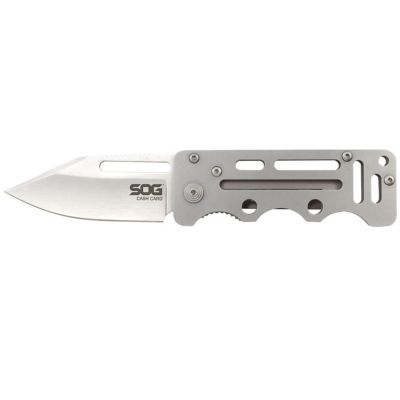
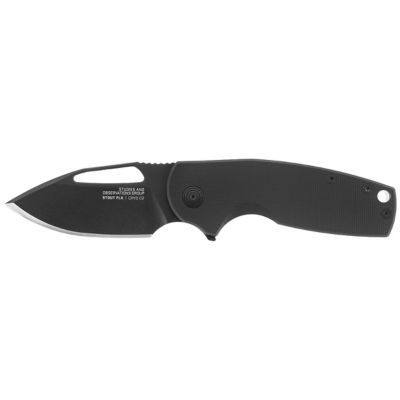
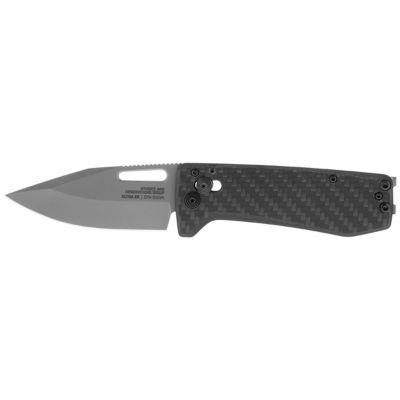
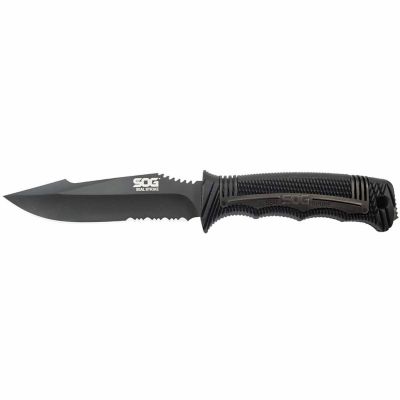
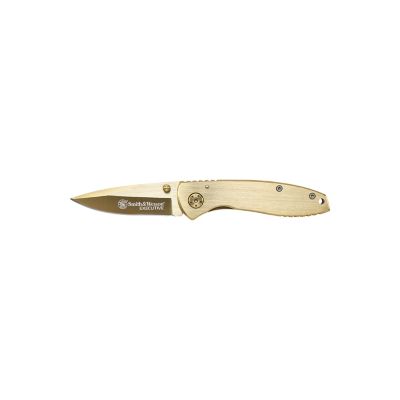
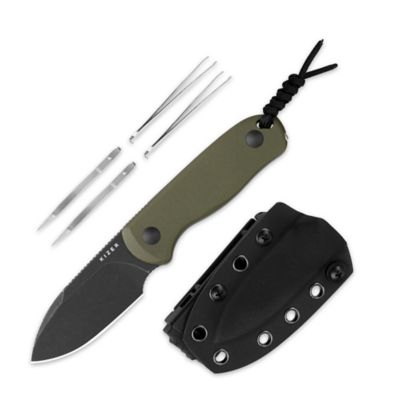
Handle fit makes a difference once the cutting starts. A knife should sit securely in the hand without forcing the fingers into an awkward stretch or leaving a sharp corner pressing into the palm. Handle length, thickness, and texture affect control, especially when hands are damp or work gloves are part of the job. Wood offers a familiar feel but may need protection from soaking and drying out. Synthetic handle materials often tolerate moisture with less upkeep, while metal handles vary in texture and grip. The transition between handle and blade should give the hand a clear place to settle without encouraging fingers toward the edge. Balance matters as much as weight: a knife that feels manageable for one quick cut may feel tiring through a long stretch of meal preparation. Blade length should match both the material and the working space. A shorter blade can make close trimming easier, while a longer blade provides more reach for broad slices. For carrying between chores, folding designs take up less room, but their pivots and locking parts need inspection and care. A lock is not a reason to twist the blade or bear down beyond its intended purpose. Fixed blades avoid a folding joint and need a properly fitted sheath that covers the edge and holds the knife securely. Around the barn, cutting twine on a bale calls for clear footing and a cutting path away from the body, nearby people, and animals. Keep a separate knife for food rather than taking a blade straight from feed bags or shop chores to the cutting board. For package-opening tasks,
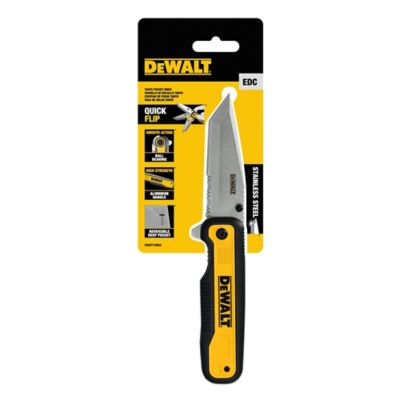
Safety Knives are worth considering, particularly designs that limit blade exposure. As a gift for a home cook, ranch hand, or camping enthusiast, a knife makes the most sense when its size, handle feel, carry style, and upkeep match the recipient’s regular routine.
Keeping sharp knives ready for work takes regular attention, not just an occasional trip across a sharpener. Honing and sharpening serve different purposes, although the terms sometimes get mixed together. A smooth honing steel mainly helps straighten a rolled edge on a suitable blade; abrasive stones, diamond surfaces, and some ceramic tools remove metal to refine or rebuild the edge. Not every blade belongs on every sharpening tool, so the knife maker’s recommendations should set the angle and method. Maintaining a consistent angle matters more than pressing hard, and taking off extra metal does not automatically produce a better edge. Serrated blades, coated blades, and specialty edge shapes may call for different equipment or professional sharpening. A knife that starts tearing food, skidding on a surface, or demanding noticeably more force deserves attention before the next cutting task. Check performance on an appropriate material, never by running a finger along the edge. Daily care starts with cleaning away residue promptly, washing as directed, and drying the blade and handle thoroughly before storage. Long soaking can harm handles and leave moisture around joints; dishwashers can expose knives to harsh detergent, movement, and contact with other utensils. For folding knives, keep grit out of the pivot and follow the maker’s directions for lubrication, choosing a food-contact-suitable lubricant when appropriate. Cutting surfaces also influence edge life. Wood and suitable plastic cutting boards are kinder to kitchen edges than glass, stone, or metal. Outdoors, keep the blade clear of dirt, wire, staples, and hidden hard surfaces. A knife is not a pry bar, screwdriver, or substitute for a cutting tool meant for heavier material. Between tasks, protect the edge with a fitted sheath, blade guard, or storage arrangement that prevents loose contact with other tools. Keep knives out of children’s reach and avoid leaving an exposed blade under a towel or in a sink. That steady routine helps preserve cutting performance and keeps a dependable tool ready for its next proper job.