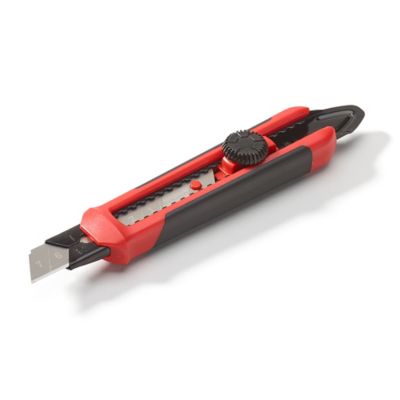
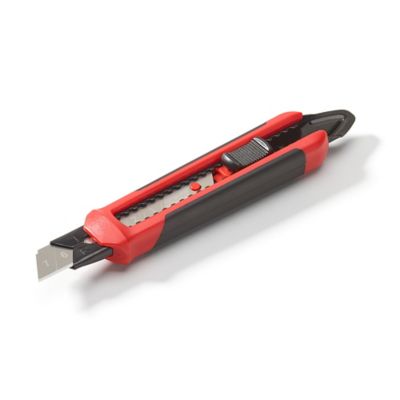
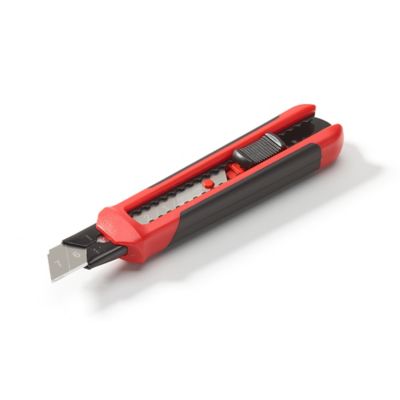
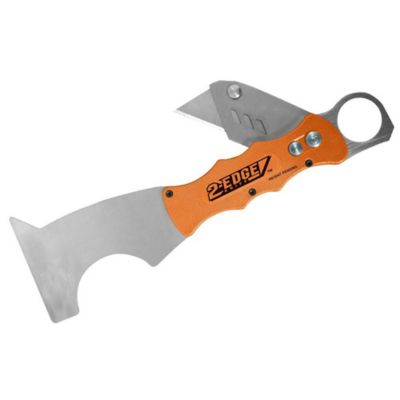
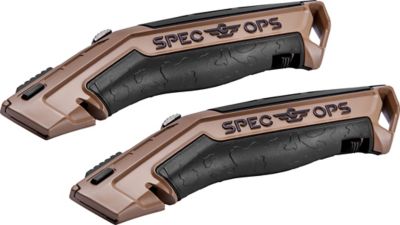
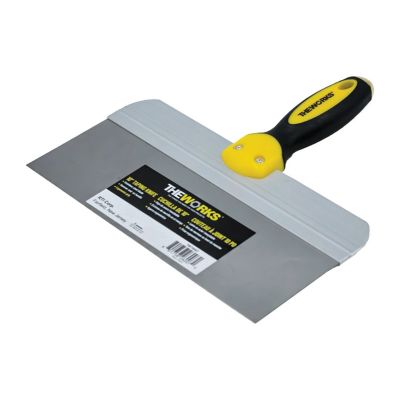
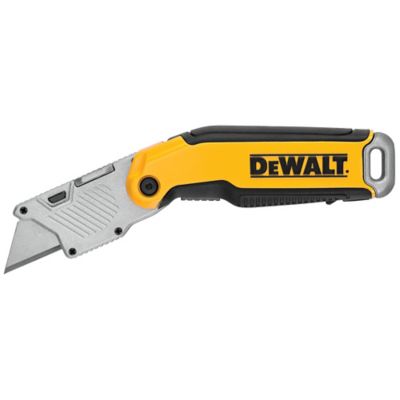
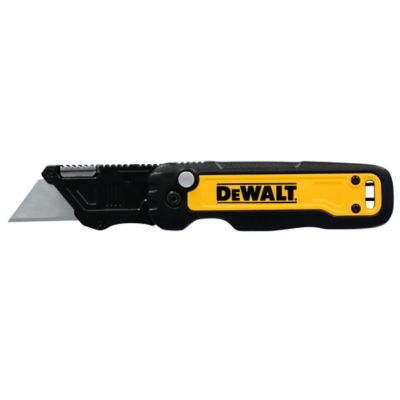
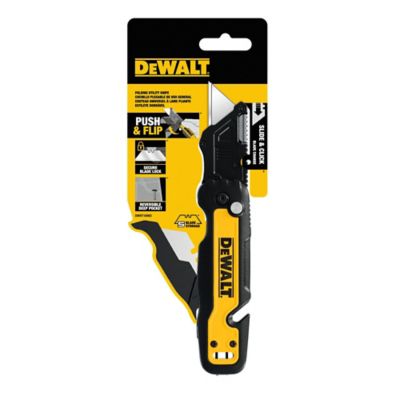
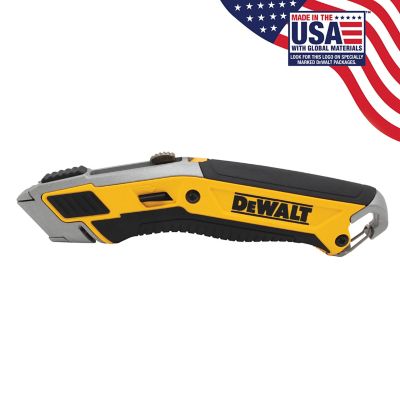
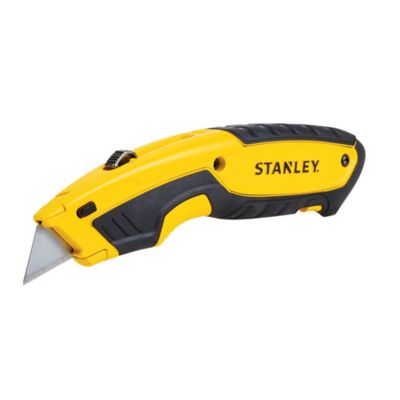
Utility knives for drywall need a sharp cutting edge, a firm blade seat, and a handle that gives good control along a straightedge. Their main job is scoring the paper facing so the gypsum core can break along the intended line, rather than cutting through the full thickness of the sheet. They also handle the backing paper, trim ragged edges, and help size patches for repairs. That makes them a practical part of the tool kit for drywall installers, remodelers, maintenance crews, and folks finishing a spare room or fixing a wall in the farm office. A small repair beside a doorway and a stack of full sheets for a shop partition call for much the same thing: a blade that tracks where it belongs without wobbling in the housing. Standard trapezoid blades are common in utility knives, but blade dimensions, notches, and mounting systems can differ, so compatibility deserves a close look. Carbon-steel blades are common for scoring work, while stainless-steel options offer greater resistance to rust. Edge condition matters, too, since a dull blade can drag through the paper and leave a ragged score. Straight edges suit scoring along a drywall square, and some specialty blade shapes serve other cutting tasks; those shapes are not automatically interchangeable or appropriate for the same work. Blade exposure is another useful distinction. A short, controlled cutting edge suits paper scoring without leaving more steel exposed than the task requires. For projects involving thick panels, the knife still serves primarily as a scoring tool, not a substitute for a saw wherever a cut must pass through the entire board. Understanding that role helps narrow the choices to knives built for controlled cuts, comfortable handling, and blade changes that do not slow down a wall repair.
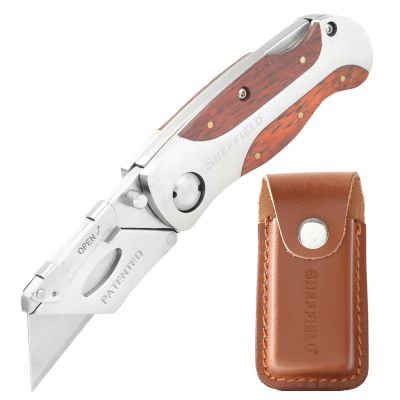
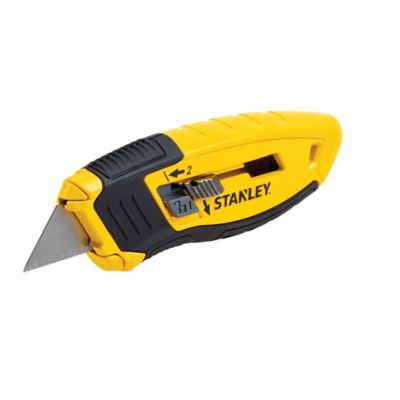
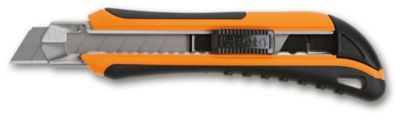
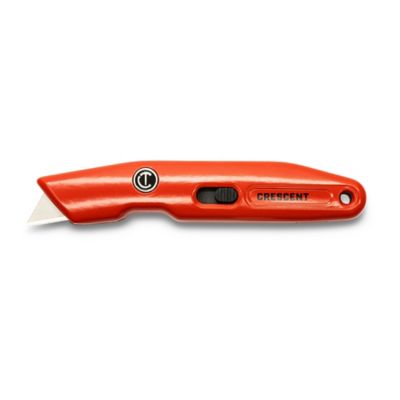
The knife’s construction shapes how it feels through repeated cuts. Metal housings can provide a solid feel and added weight, while composite bodies can lighten the load in a tool pouch. Neither material tells the whole story on its own; the fit between the body halves, the blade support near the nose, and the strength of the operating mechanism all matter. An interlocking nose can help support the blade and keep the housing aligned under cutting pressure. Rubberized grip areas and textured surfaces may make the handle easier to hold, though comfort depends on hand size, glove thickness, and the handle’s shape. A broad grip can feel steady during long scoring passes, while a slimmer body may sit more comfortably in a smaller hand. Rounded edges around the palm and a thumb position that does not crowd the blade path are worth considering when a project involves more than a few cuts. For shoppers who prefer a blade that stays in one working position,
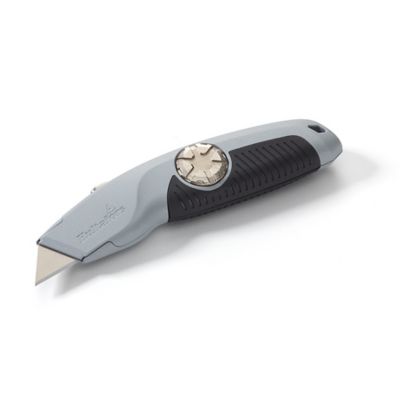
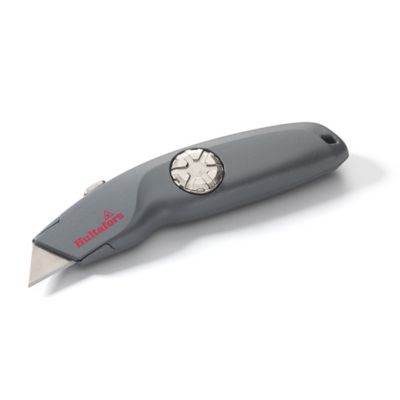
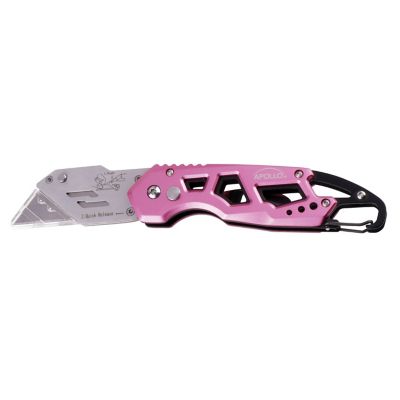
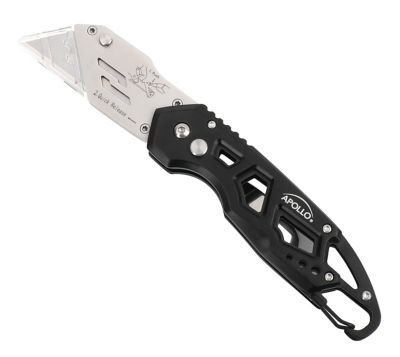
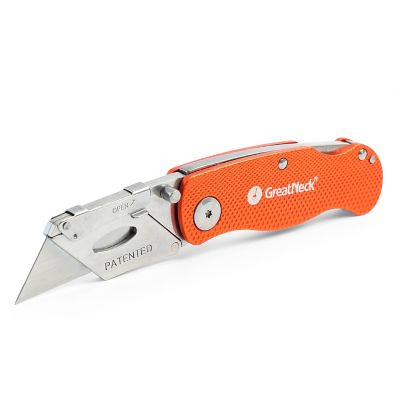
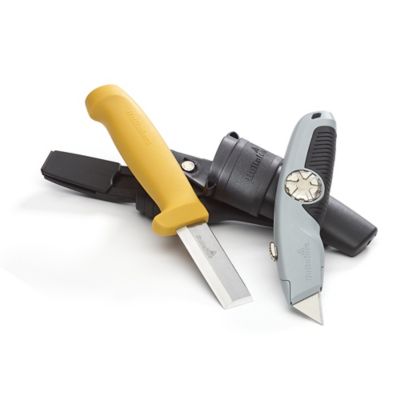
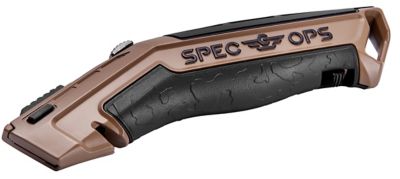
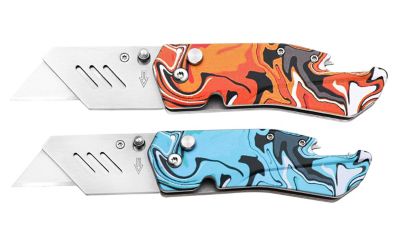
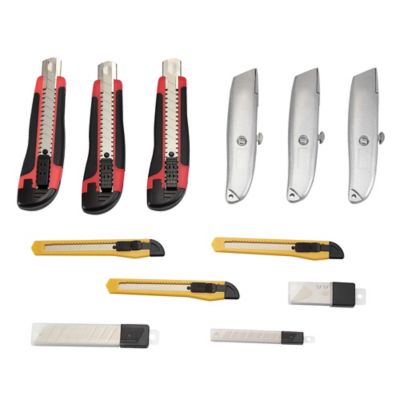
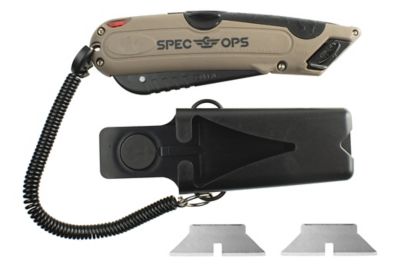
Fixed Blade Utility Knives offer a straightforward option without a sliding blade mechanism. That design still needs a suitable sheath or other blade protection for carrying and storage. Retractable knives let the cutting edge slide back into the housing, with different models offering different extension positions and locking arrangements. Folding knives close into a shorter package, though the blade may need separate retraction depending on the design. A pocket clip, belt attachment, or lanyard opening can help keep a knife close at hand, but none replaces securing the blade before carrying it. Tool-free blade changes can be handy when gypsum dust and repeated scoring take the bite out of an edge. Screw-fastened housings offer another approach, with fewer external release controls to manage. Built-in blade storage may save a trip back to the toolbox, provided spare edges stay covered and firmly held. For someone moving between full-sheet work and small patches, these handling details often matter more than extra features that rarely leave the pouch.
Care and intended use have a lot to do with how long a drywall utility knife stays in good working shape. Gypsum dust can collect around blade tracks, locks, and release buttons, so accessible housings and simple mechanisms can make routine cleaning less of a chore. Follow the knife maker’s care directions, keep the blade seat clear, and check that the blade and housing are secure before work. A knife that develops a loose blade, a cracked handle, or a lock that will not engage needs attention rather than more cutting pressure. Replace a dragging or damaged blade instead of trying to force it through the facing paper. Reversible blades can provide a second cutting end when the knife and blade design allow it, and covered spare-blade storage helps keep those edges from knocking against other tools. Spent blades belong in a suitable sharps container, not loose in a trash bag or tool bucket. For the work itself, a drywall square or straightedge gives the blade a firm reference, while a stable panel support helps keep a full sheet from shifting. Cut-resistant gloves and eye protection belong among the job’s safety considerations, with hands and body kept clear of the cutting path. Outlet openings, tight curves, and cuts through the board may call for a drywall saw or another appropriate tool; a utility knife is not the answer to every opening in a wall. Nor is its blade a pry bar, screwdriver, or scraper for stubborn fasteners. Paired with a measuring tape, square, rasp, and suitable cutting tools, it earns its place in a drywall kit without having to do every job. Whether the work is a single patch behind a door or wallboard throughout a workshop, the right fit comes down to controlled scoring, comfortable handling, secure blade retention, and upkeep that fits the way the tool will work.