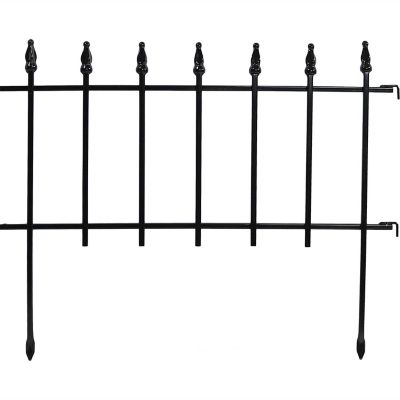
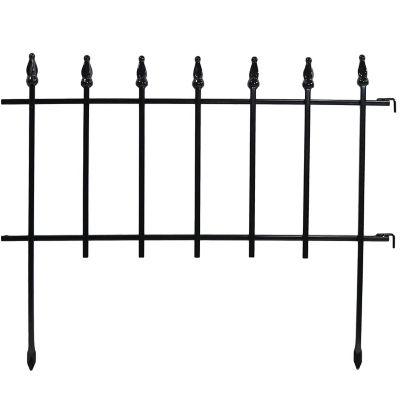
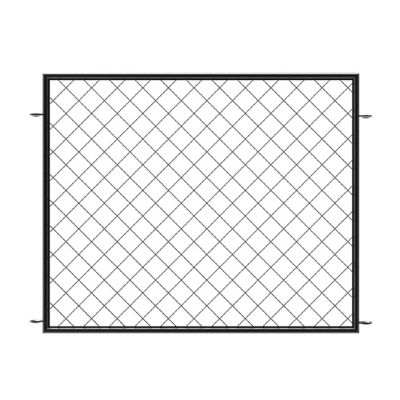
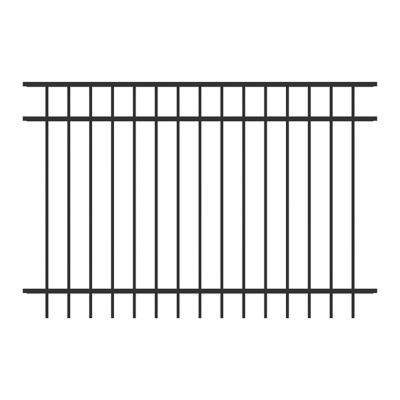
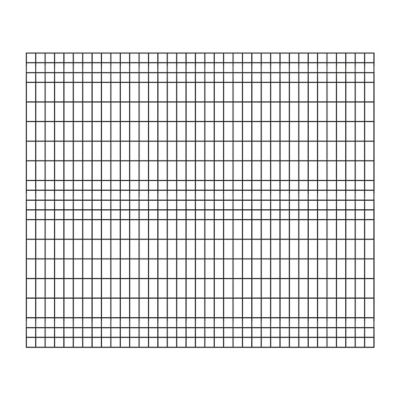
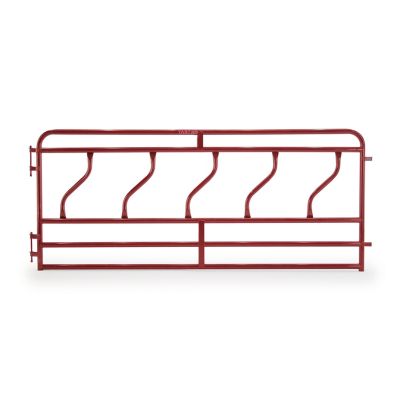
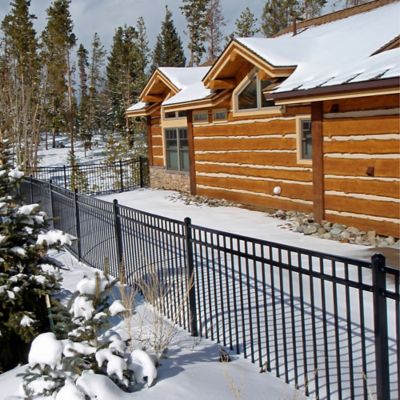
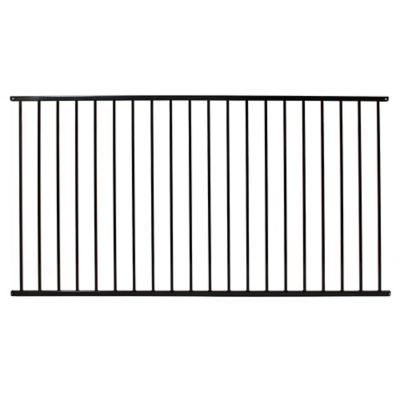
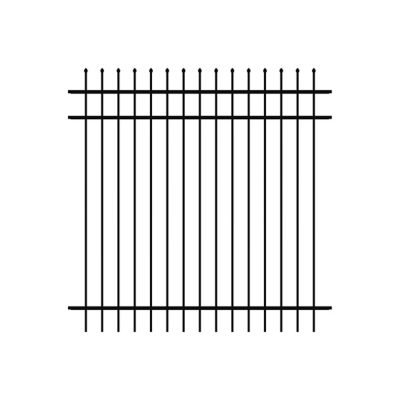
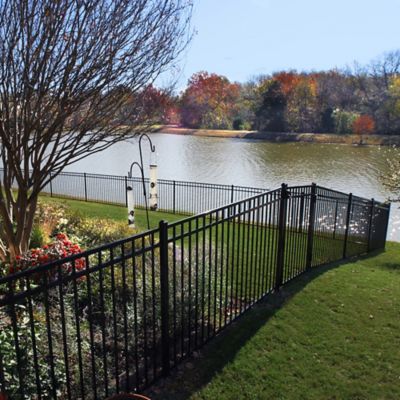
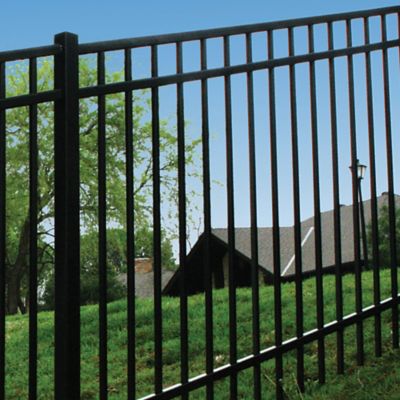
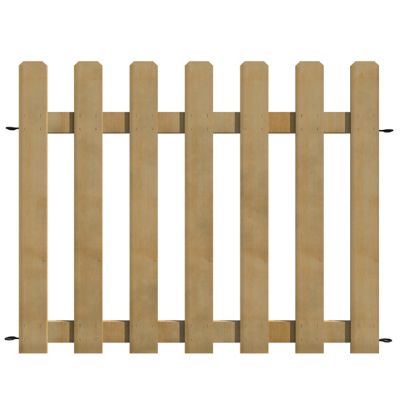
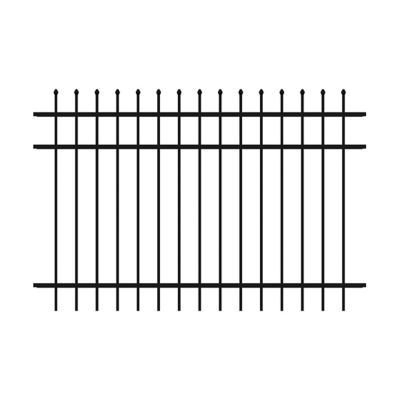
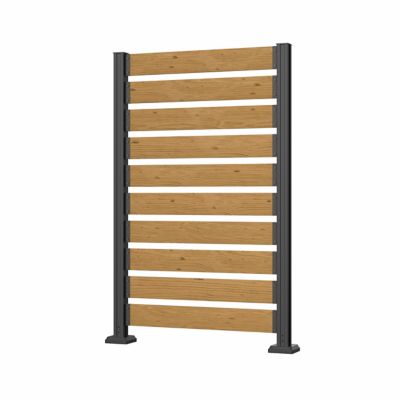
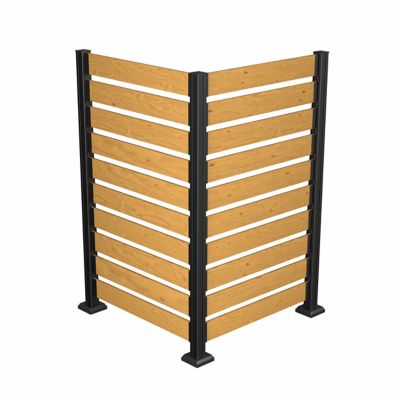
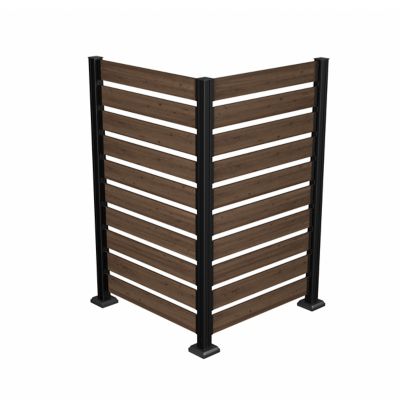
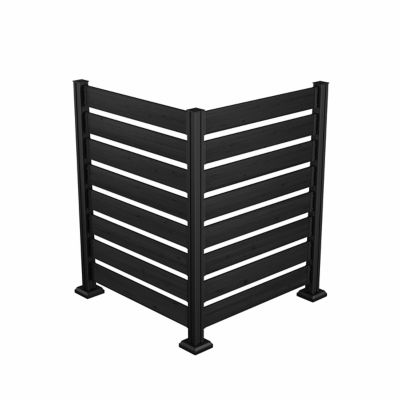
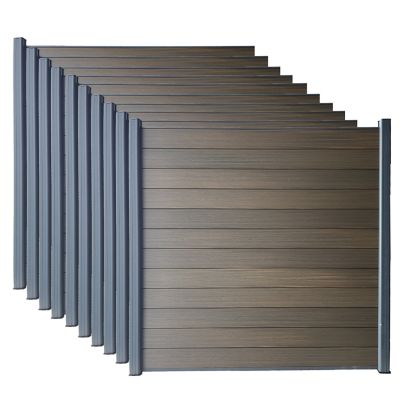
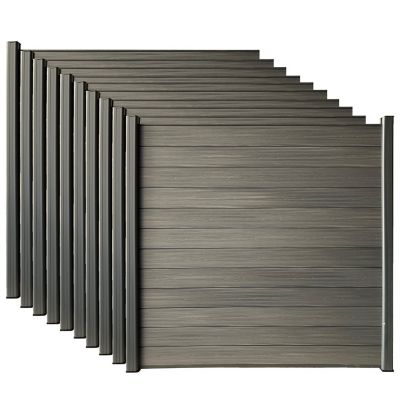
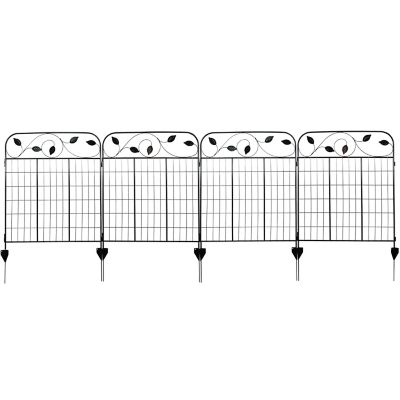
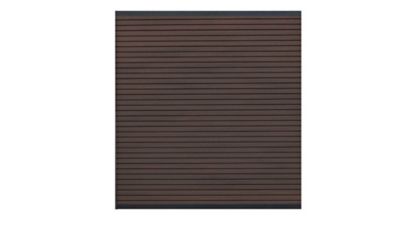
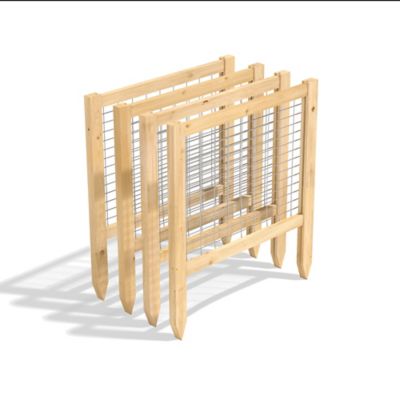
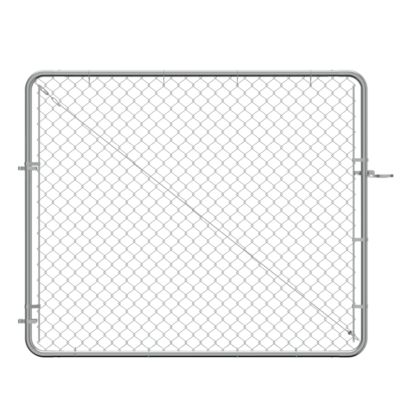
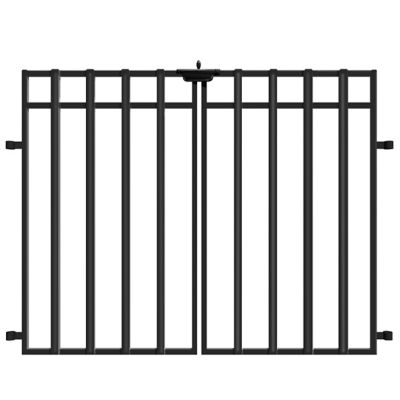
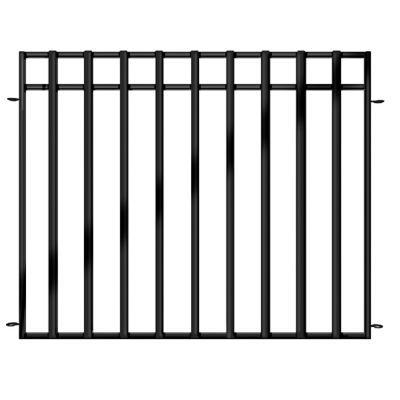
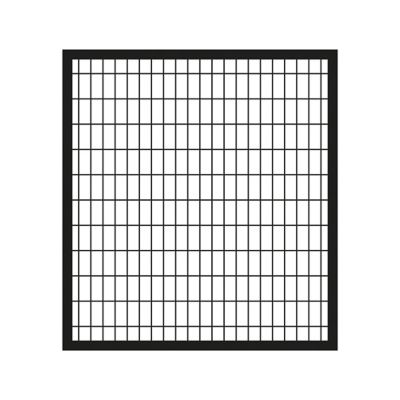
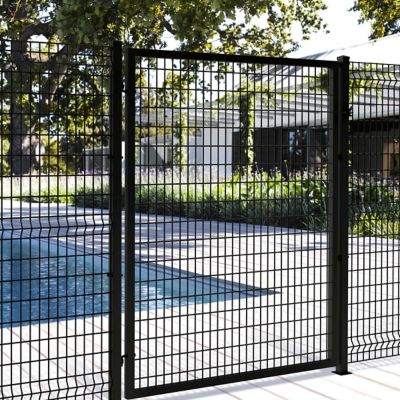
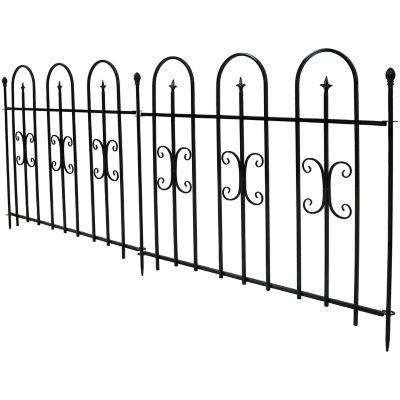
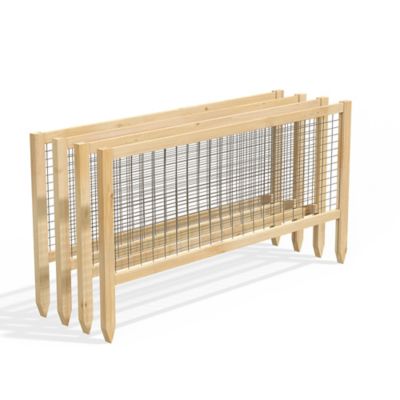
Rustic fence panels bring a warm, country feel to yards, gardens, homesteads, and small farm properties while helping define where one space ends and another begins. Their appeal comes from natural materials, simple lines, and finishes that fit right in beside gravel paths, raised beds, barns, sheds, porches, and wooded edges. A panel may serve as a low border around a flower bed, a backdrop for climbing plants, a screen along a patio, or part of a larger boundary around a pasture or garden. Willow, reed, bamboo, cedar, spruce, locust, steel, and iron each bring a different look and level of privacy. Tightly woven rolled panels create a softer screen and can help break up the view of chain-link fencing, utility areas, compost bins, or outdoor storage. Split-rail styles leave more open space and suit long property lines, driveways, lanes, and country landscapes where a clear view matters. Woven hurdle panels are often lower in height, making them a natural fit along garden paths and planting beds. Metal panels with a weathered finish add a sturdy, timeworn character around a porch, firewood stack, entryway, or farm outbuilding. When shopping for rustic fence panels, start with the job you want them to do. Measure the length and height of the area, note the slope of the ground, and decide whether you need a visual screen, a boundary marker, a plant support, or simply a way to give an open space a more finished appearance. For more styles and sizes, browse
Fence Panels.
Material selection matters, especially when panels will face wind, rain, snow, damp soil, or strong sunlight. Cedar and locust are popular for outdoor projects because their natural properties help them stand up to changing weather, while spruce offers a traditional wood appearance that can be stained or left to weather toward a softer gray tone. Willow and reed panels are flexible and lightweight, making them practical for attaching to existing posts, rails, or chain-link sections with suitable ties and fasteners. Bamboo brings a tall, orderly appearance and can provide a helpful screen along a sitting area or property edge. Keep in mind that rolled panels are generally easiest to handle with two people, particularly when stretched across a long run. Measure the panel length before installation, allow room for overlap when greater privacy is needed, and check that the supporting posts or fence frame can carry the added weight. Split-rail fencing typically requires firmly set posts and a layout that follows the land rather than fighting every change in grade. On sloped ground, stepped sections may create a cleaner line than forcing each rail to match the angle of the hill. Interlocking metal panels may require less digging than a full post-and-rail system, though the ground still needs to be firm and level enough for secure placement. Before setting any post, check property boundaries and local rules, and call the appropriate utility locating service if digging is involved. Gloves, eye protection, a level, measuring tape, a post tool, and the right outdoor fasteners can make the work smoother. A fence line may look simple from the driveway, but careful spacing and solid support help it stay straight through wet ground and winter frost.
Rustic fence panels also work well for smaller projects that add function around the home. A low panel can keep foot traffic out of a young planting area, guide guests toward a gate, or give a vegetable garden a clear edge without making the space feel closed in. Taller woven sections can create a little breathing room around a porch or seating area, especially where neighboring yards, driveways, or equipment are close by. Panels can support vines and climbing flowers when paired with suitable plant ties, but leave enough room for growth and keep fast-growing stems from pulling against the structure. Around a farm, open rail styles can help mark lanes and gathering areas, while metal sections may fit well around an entry garden, mailbox, or outbuilding. Seasonal care is fairly straightforward: clear leaves and soil from the bottom edge, inspect fasteners after heavy wind, and watch for leaning posts, loose ties, split rails, or standing water. Wood may benefit from a weather treatment suited to the species and local conditions, while naturally weathered metal can be left to develop its finish; protect nearby concrete, stone, and siding from runoff that may leave marks. During the cooler months, check snow and ice buildup where panels meet gates or low branches, and trim back limbs that rub against the fence. With thoughtful placement and regular attention, rustic fence panels can settle into the landscape like they have always belonged there, giving gardens, yards, and rural properties a practical boundary with plenty of country character.