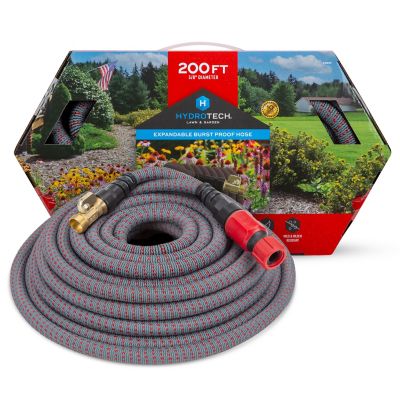
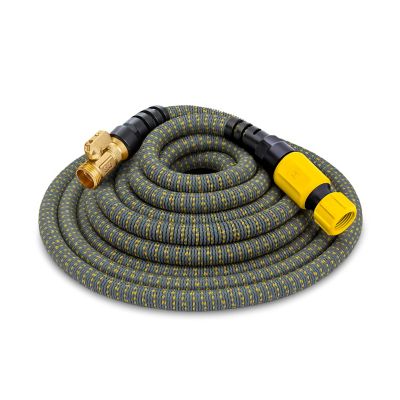
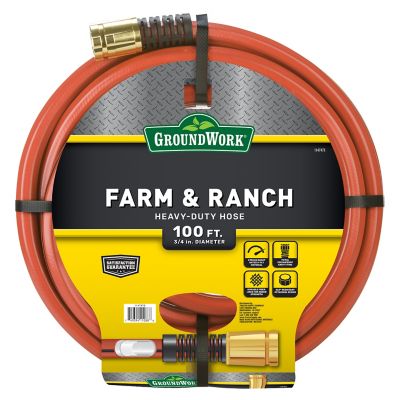
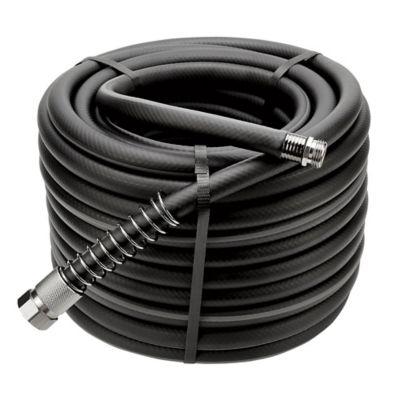
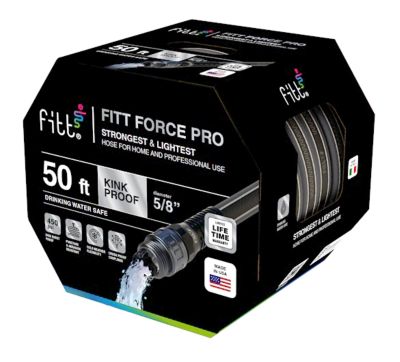
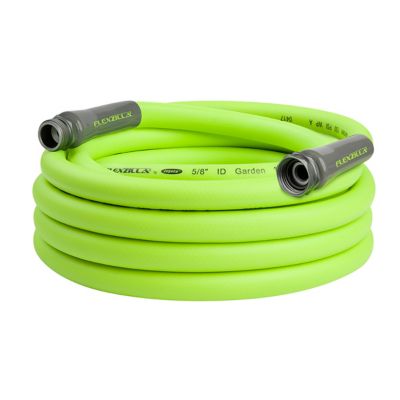
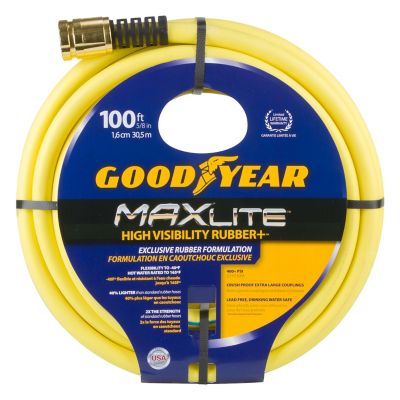
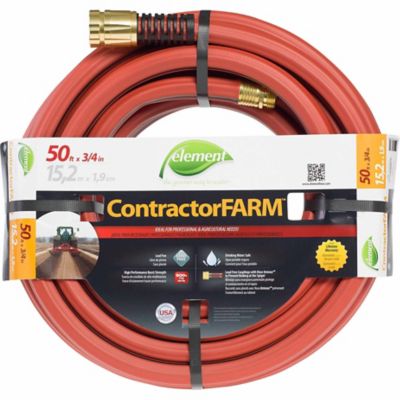
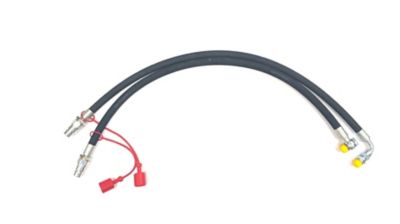
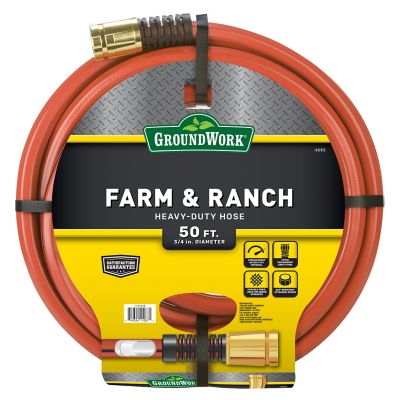
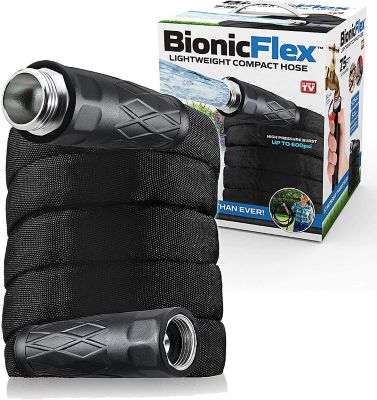
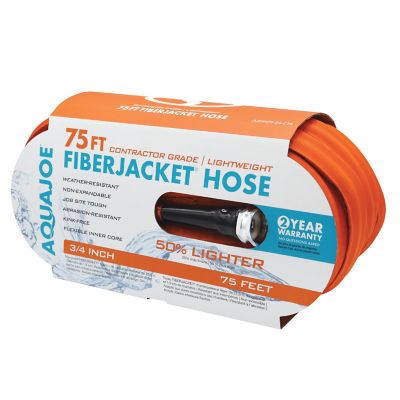
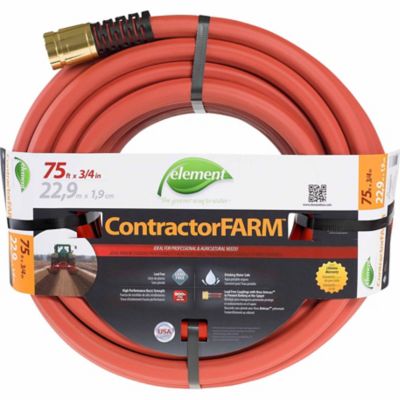
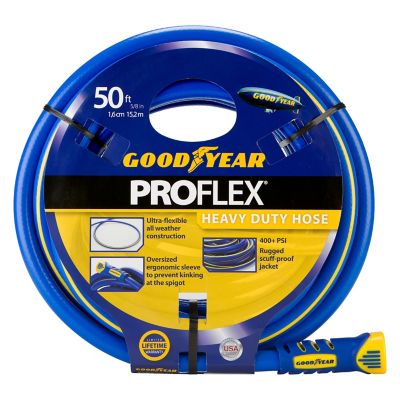
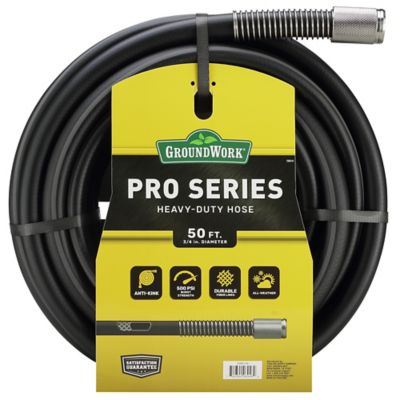
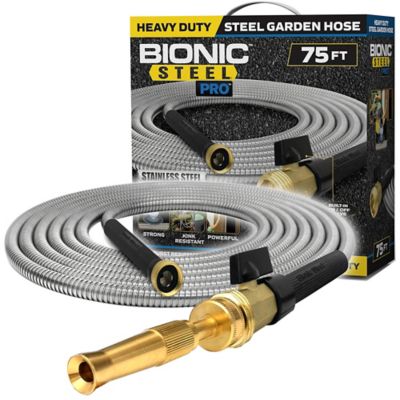
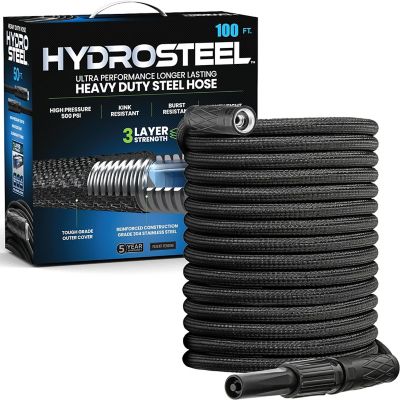
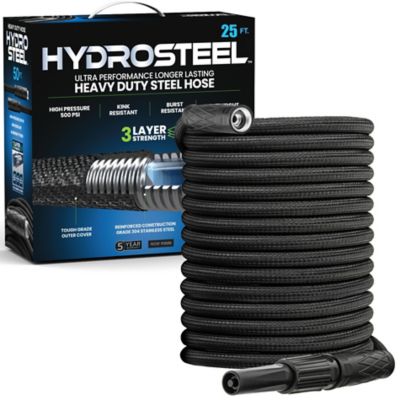
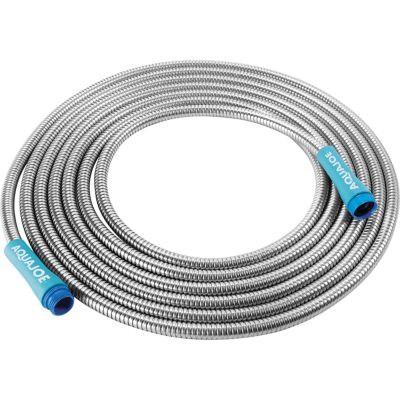
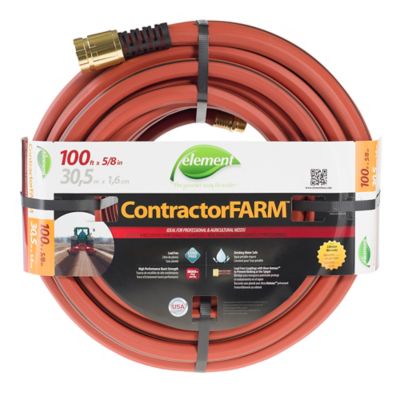
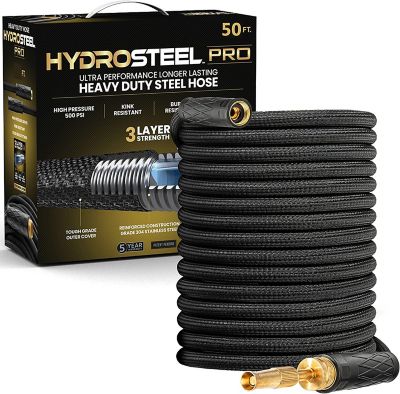
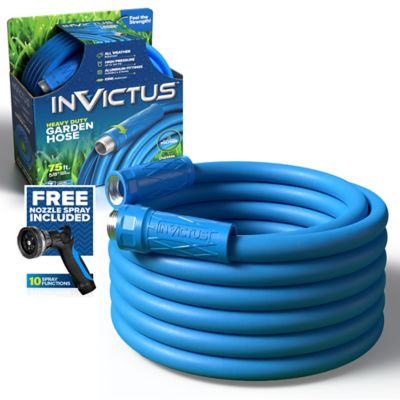
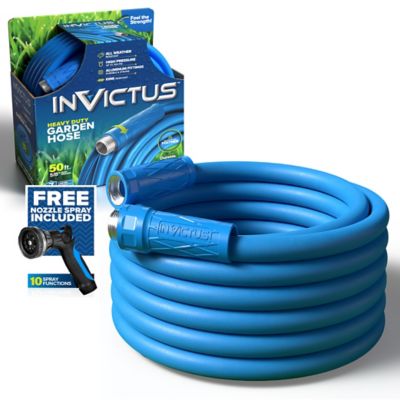
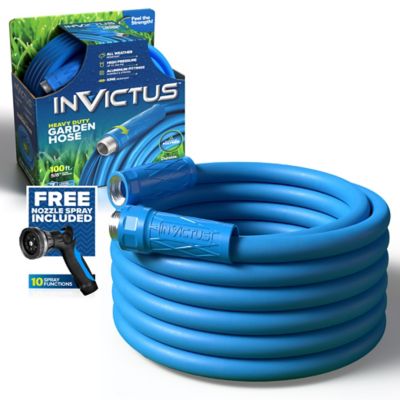
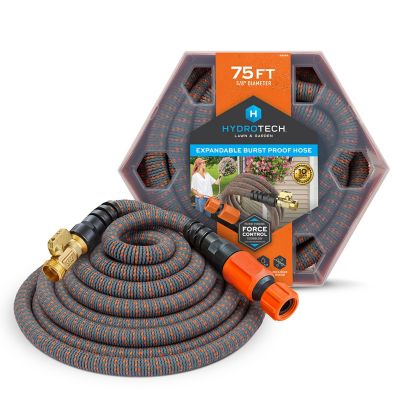
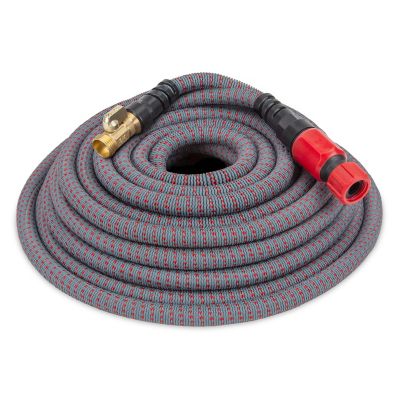
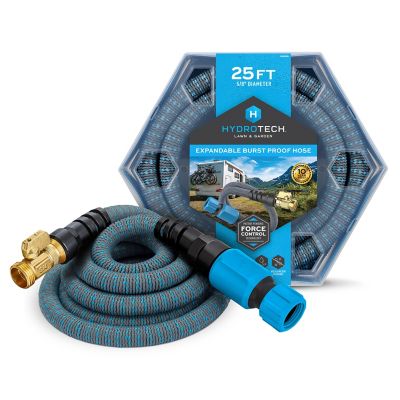
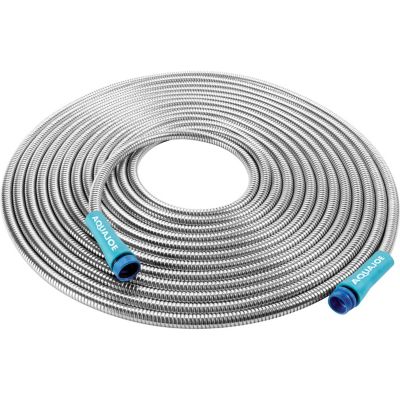
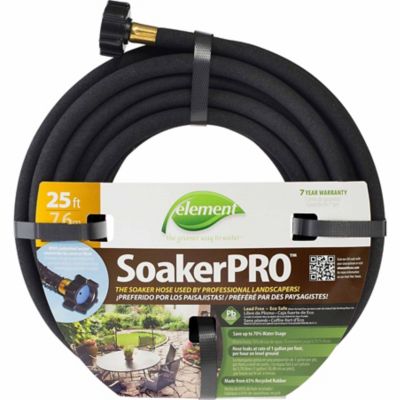
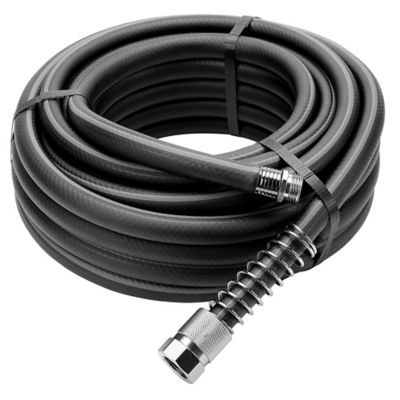
Reinforced hoses are built for jobs where an ordinary flexible tube may kink, collapse, split, or struggle under pressure. Their added layers of polyester, nylon, mesh, or steel wire give the hose more strength while keeping it flexible enough to route around equipment, buildings, posts, and other obstacles. Fabric- or fiber-reinforced hoses are often a practical choice for water delivery, general utility work, air lines, and other lower-pressure applications. Wire-reinforced hoses use spiral steel wire or steel braiding to handle greater pressure, suction, crushing, and demanding movement, making them useful for hydraulic systems, industrial equipment, and heavy-duty fluid transfer. Metal-braided construction, including stainless steel outer mesh, can provide added protection in plumbing, heating, and areas where heat, abrasion, or harsh surroundings are a concern. The reinforcement type is only one part of the selection process, though. Before choosing a hose, identify what will move through it—water, air, hydraulic fluid, fuel, chemicals, or another material—and confirm that the hose’s inner lining is compatible. A hose made for water should not automatically be used with oil or chemicals, and a hose intended for air may not be suitable for liquid transfer. Check the working pressure and burst pressure ratings, paying close attention to the pressure generated by pumps, compressors, sprayers, tractors, loaders, and other equipment. A hose’s maximum rating should meet or exceed the system’s operating pressure, including any pressure spikes that can happen when valves open, close, or change direction. For higher-pressure jobs, browse
High Pressure Hoses to help narrow down options suited to demanding applications.
The hose diameter and length also make a real difference once the work begins. A larger inside diameter can help move more fluid with less restriction, while a smaller diameter may be easier to handle in tight spaces or for lighter-duty connections. Measure the route from the supply point to the work area, then allow enough length for natural movement without leaving a large loop that can snag on tires, gates, tools, or livestock. A hose that is stretched tight can put stress on fittings and connection points; one that is much too long can drag through mud, gravel, or sharp grass and may be more likely to tangle. Look for a hose with a working temperature range that matches the job, especially when it will carry hot water, compressed air, heated fluids, or materials used during cooler weather. Reinforcement helps a hose resist kinking and crushing, but it does not make the hose indestructible. Keep it away from sharp edges, hot exhaust parts, corrosive spills, and machinery that could pinch it. Make sure couplers, adapters, clamps, and ends match the hose size and the equipment connection. A secure connection helps prevent leaks, pressure loss, and sudden separation. For air and hydraulic systems, release pressure before disconnecting or inspecting the hose. Never handle a pressurized hose that is bulging, badly scuffed, cracked, blistered, or showing exposed reinforcement. A small damaged spot can become a serious failure when pressure builds. On the farm, in a shop, or around a large property, it is worth checking hose condition before each use, particularly after the hose has been dragged across concrete, gravel, or packed dirt. Watch for soft spots, flattened sections, worn covers, damaged threads, and fittings that no longer seat firmly.
Reinforced hoses can serve homeowners, gardeners, livestock keepers, farmers, maintenance crews, mechanics, contractors, and anyone who relies on dependable fluid or air movement around a property. They may be used for watering beds and trees, filling tanks, washing equipment, supplying compressed air, transferring water from a pond or cistern, operating hydraulic attachments, or connecting machinery that needs a tough, flexible line. They can also make a useful practical gift for someone settling into a new home, setting up a workshop, caring for animals, or taking on more acreage; a well-matched hose is the kind of everyday equipment that often earns its keep long after the wrapping is gone. During the cooler months, store hoses where freezing water will not expand inside them and cause hidden damage. Drain them thoroughly, cap open ends when appropriate, and keep them off sharp ground or direct contact with corrosive materials. Coiling a hose in broad loops instead of tight bends helps protect its reinforcement and reduces memory and kinks when it is put back to work. For equipment that sits outdoors, consider how sunlight, rain, dust, and temperature swings may affect the outer cover over time. Follow the manufacturer’s instructions for storage, pressure, temperature, bend radius, and compatible fluids, and replace a hose when wear has gone beyond surface marks. Matching the reinforcement, material, pressure rating, diameter, length, fittings, and intended use helps ensure a dependable connection for chores in the barn, shop, garden, driveway, or worksite.