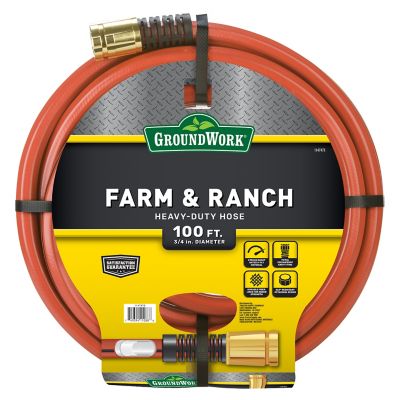
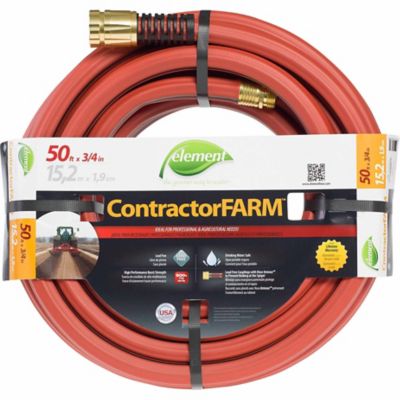
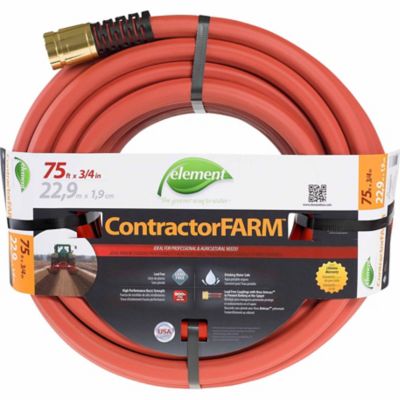
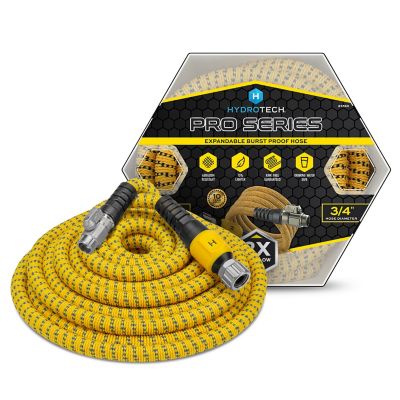
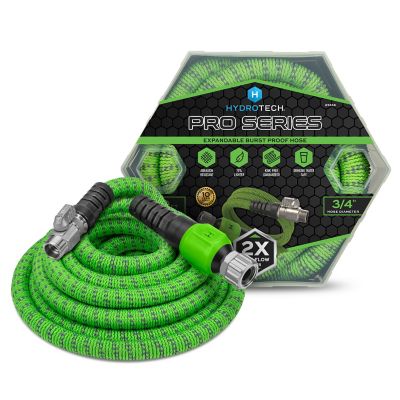
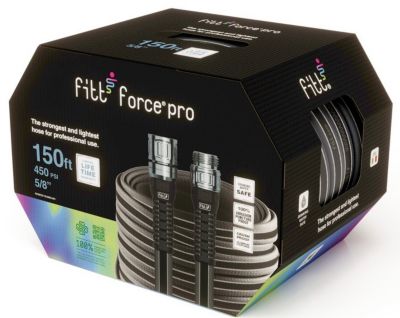
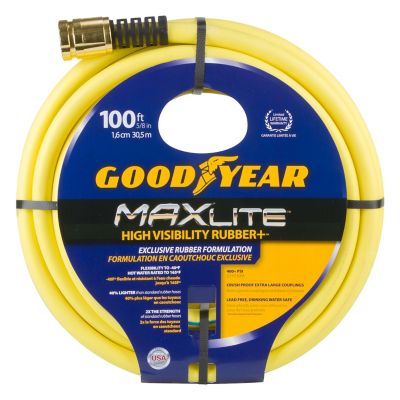
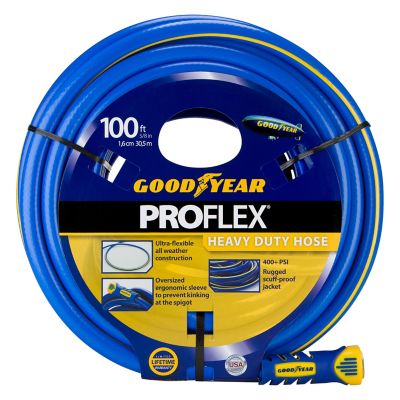
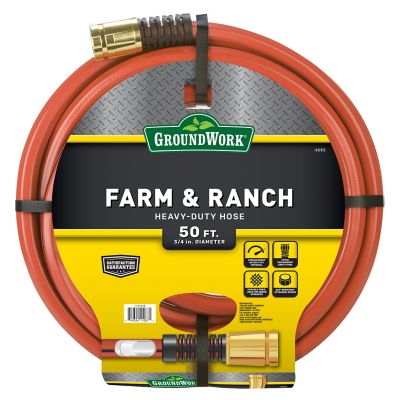
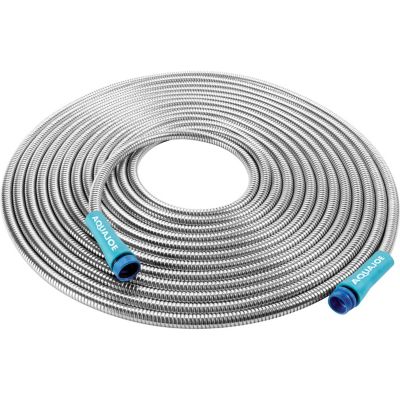
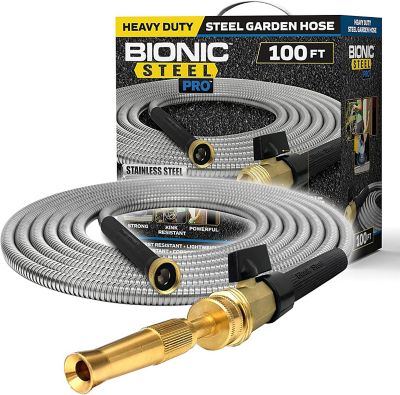
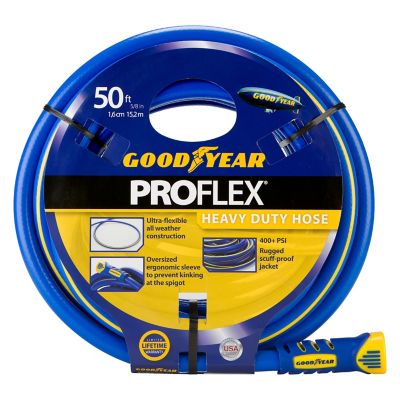
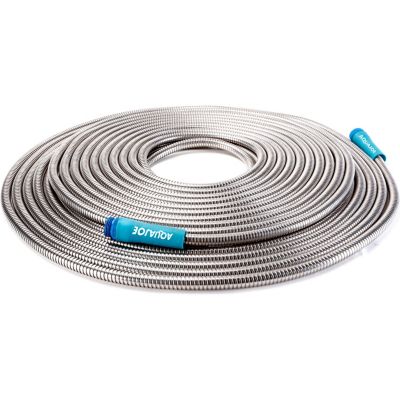
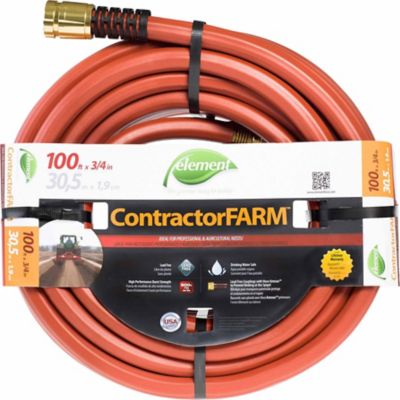
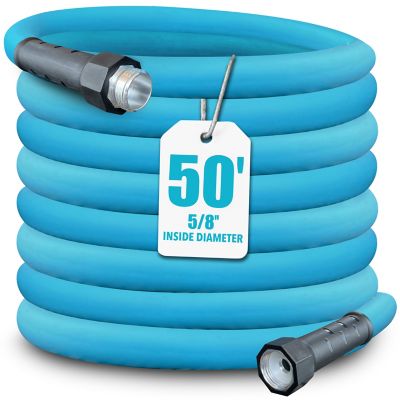
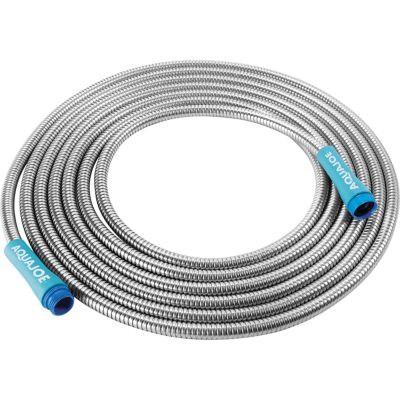
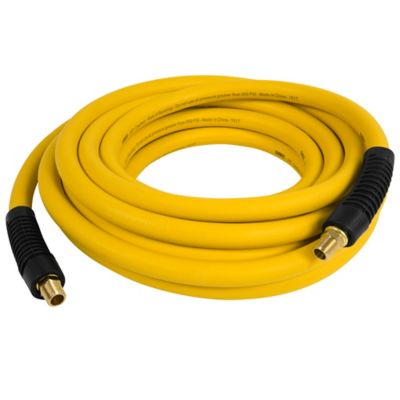
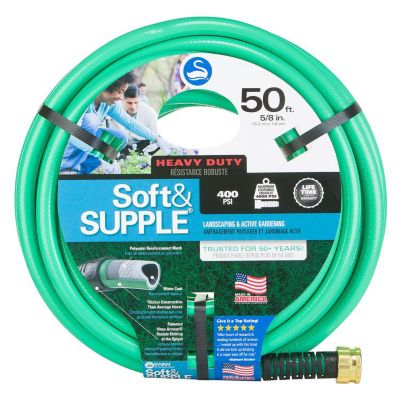
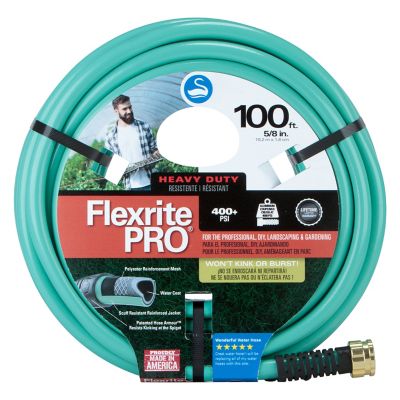
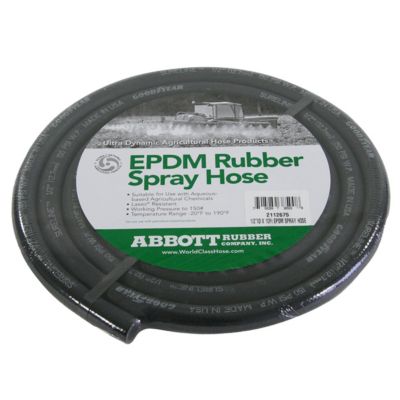
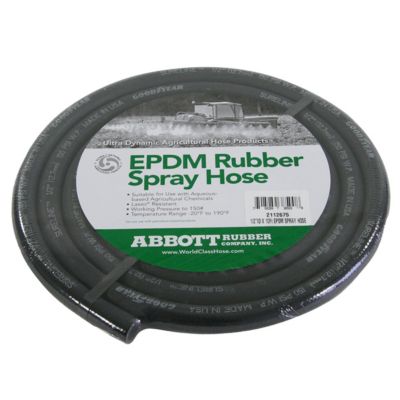
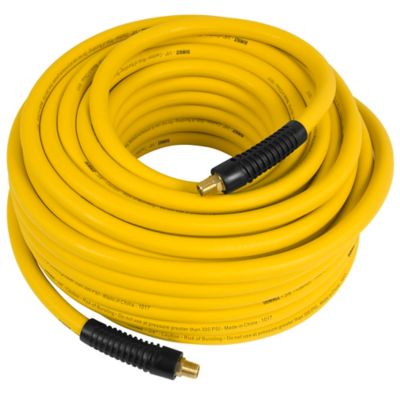
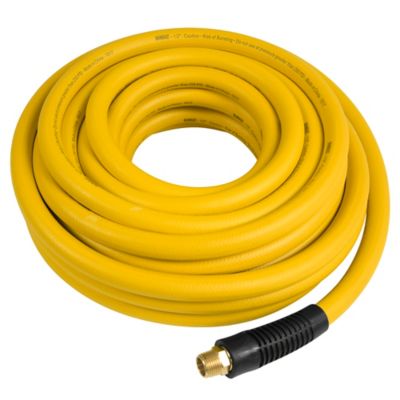
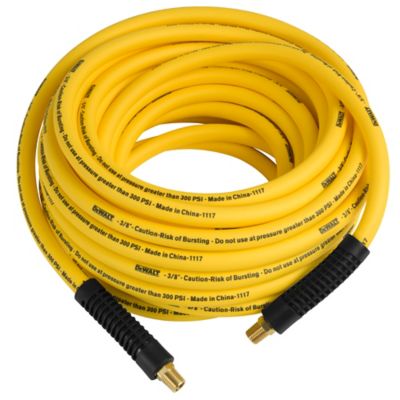
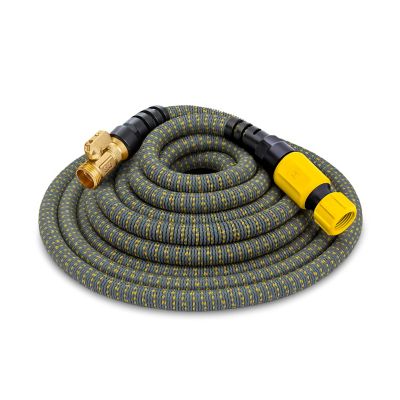
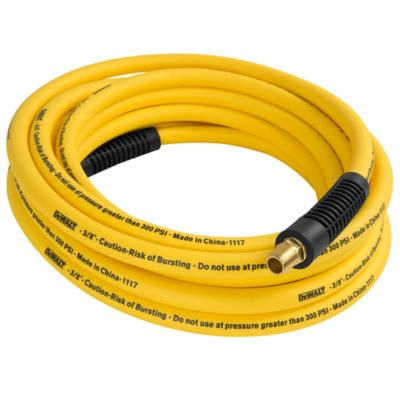
Heavy-duty rubber hoses bring reinforced construction and flexible handling to water-moving jobs around the barn, shop, garden and worksite. Their appeal comes down to a practical balance: enough strength for repeated pulling and coiling, with enough give to follow a path around a fence corner or across a wash area. For property owners, landscapers, maintenance crews and folks tending animals, a hose often travels well beyond the nearest spigot. It might stretch beside a row of raised beds, reach a muddy implement parked near the shed or run across a concrete floor for cleanup. Rubber construction can help resist abrasion and repeated bending, while internal reinforcement helps the hose hold its shape under pressure. Those traits vary by construction, though, and the heavy-duty label alone does not establish a pressure rating, drinking-water approval or suitability for every job. Many rubber water hoses have a substantial feel compared with lighter vinyl designs, and that extra weight becomes more noticeable as length increases and the hose fills with water. A thick outer cover can stand up well to regular contact with rough surfaces, but it still needs protection from sharp metal edges, mower blades and vehicle traffic. Kink resistance is another useful distinction: a flexible hose that bends smoothly can be easier to pull around obstacles, but no hose is immune to a tight fold or twisted loop. The broader category of
rubber hoses includes constructions for different applications, making the intended job more important than appearance alone. For everyday watering and washdown work, the right match combines manageable weight, suitable reinforcement and connections that fit the water source. A hose that is comfortable to carry from the rack to the far side of the yard is more practical than one whose extra reach stays piled beside the faucet. On a busy property, easy handling matters just as much as the strength of the hose wall.
Length, inside diameter and fitting style shape how a heavy-duty rubber hose performs once it is connected. The useful length follows the actual route to the work, not just a straight line across the property. Gates, equipment, planting beds and building corners can all add distance, and a little slack helps keep a connection from taking the full pull of the hose. Too much extra length adds carrying weight and friction loss, which can reduce water delivery at the far end. Inside diameter matters for the same reason. With other conditions equal, a larger bore generally allows more flow with less restriction, while a smaller bore can make the hose easier to manage for modest watering needs. A sprinkler running at the end of a long stretch has different flow demands than a hand nozzle rinsing a pair of chore boots. Hose diameter and fitting size are separate measurements, so matching one does not guarantee that the other fits. Standard garden-hose threads, pipe threads and quick-connect systems are not interchangeable without the proper adapters. Coupling material and construction deserve attention, too. Brass fittings are common on work-oriented water hoses, while other metals can offer different weight and corrosion characteristics. Substantial fittings can resist everyday knocks, but claims about crush resistance should come from the hose specifications rather than the metal alone. At a garden-hose connection, a properly seated washer supplies the seal; tightening harder will not make up for a missing or split washer. Swivel connections and bend restrictors, where fitted, can ease attachment and reduce strain near the ends. Working pressure is the rating that matters during operation. Burst pressure describes a failure threshold under test conditions, not an acceptable everyday setting. The hose, nozzle, adapters and water source all need compatible ratings, especially where a shutoff nozzle holds pressure in the line. A heavy-duty garden hose is not a substitute for a pressure-washer discharge hose, although an appropriately rated water hose may serve as the machine’s supply line.
Intended use also determines which materials and approvals matter most. A rubber exterior does not reveal everything about the inner tube, reinforcement or compounds in contact with the water. For filling animal drinking containers or supplying water intended for people, a hose specifically labeled for drinking-water service is the appropriate starting point. General watering hoses should not be assumed suitable for that purpose simply because the water looks clear. Likewise, oils, fuels, fertilizers and cleaning solutions call for application-specific compatibility; ordinary rubber water hoses are not automatically suited to carrying them. Hot-water service requires an explicit rating for that task, along with fittings and attachments rated for the same conditions. Around a wash rack or utility sink, those details matter more than a broad heavy-duty claim. Good care supports a longer service life without making daily chores complicated. Broad coils put less strain on the hose wall than tight loops, and a reel or rack sized for the hose helps prevent pinching and sharp bends. Pulling from the hose body rather than yanking on the nozzle reduces stress at the coupling. Along gravel lanes or concrete edges, lifting a section past an obstacle instead of dragging it back and forth can limit wear in the same spot. After a job, shutting off the supply and releasing pressure before disconnecting makes the hose easier to handle and keeps stored pressure off the fittings. Draining before storage also reduces the weight on a wall-mounted holder. An occasional look along the full length can reveal cuts, bulges, exposed reinforcement or wet spots that warrant taking the hose out of service. Washers and compatible end fittings may be serviceable, but a damaged hose wall calls for a closer assessment rather than another wrap of tape. For anyone handling regular watering, equipment rinsing or property cleanup, a well-matched heavy-duty rubber hose earns its place through steady flow, secure connections and handling that suits the person doing the work.