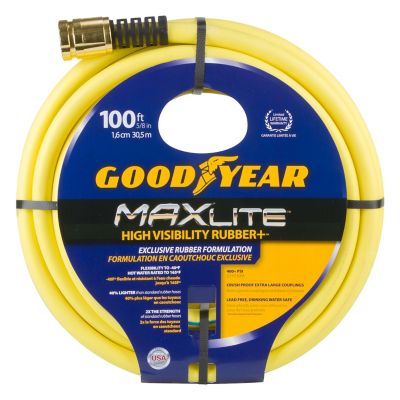
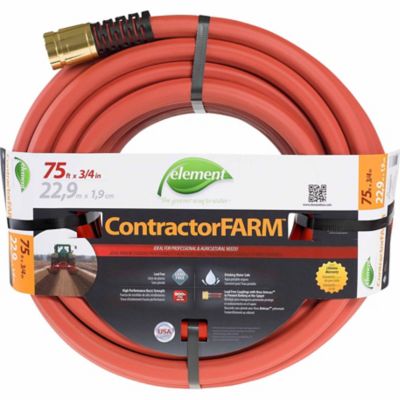
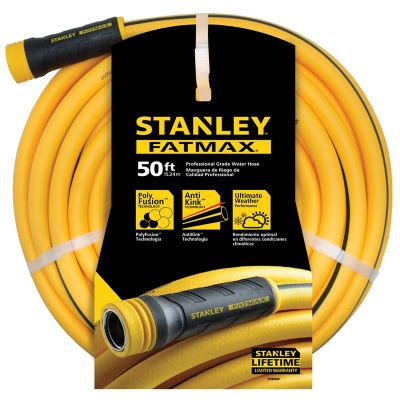
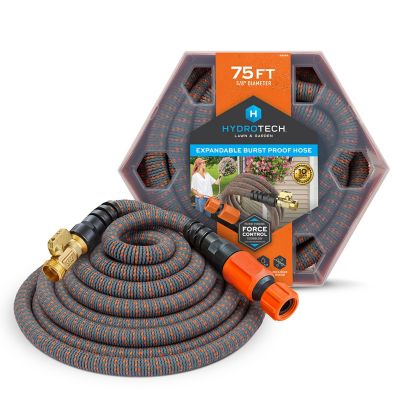
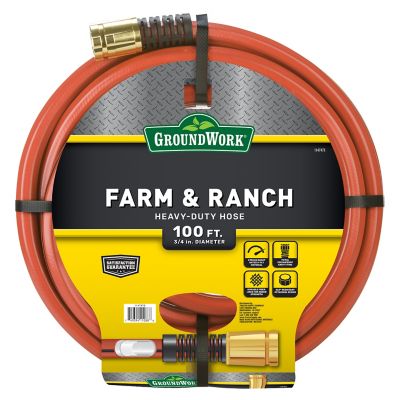
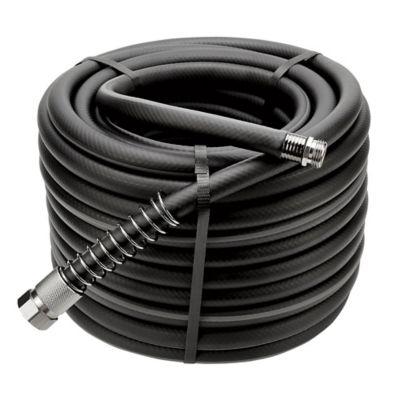
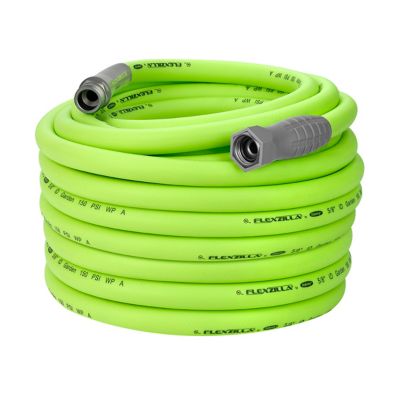
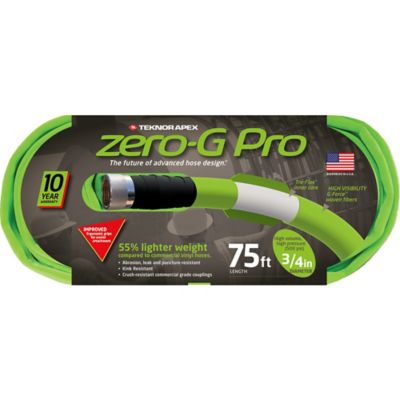
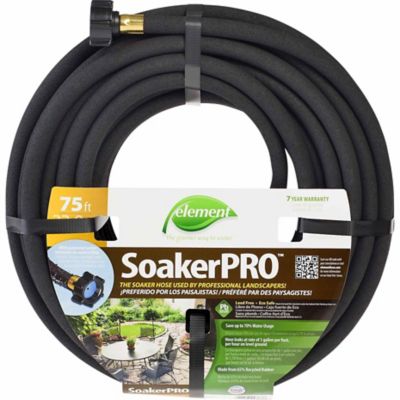
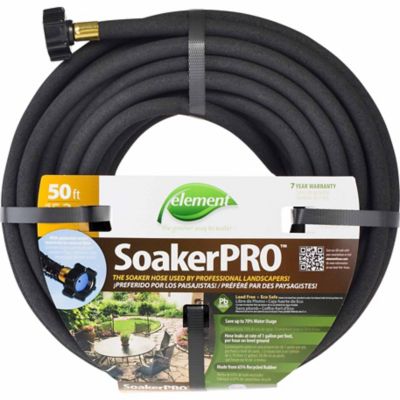
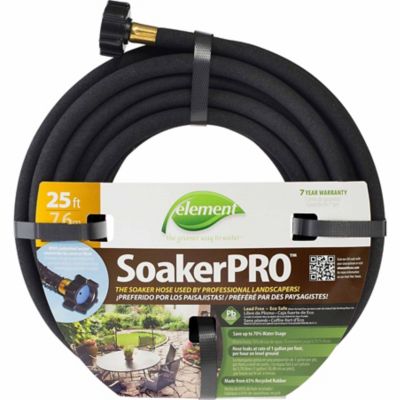
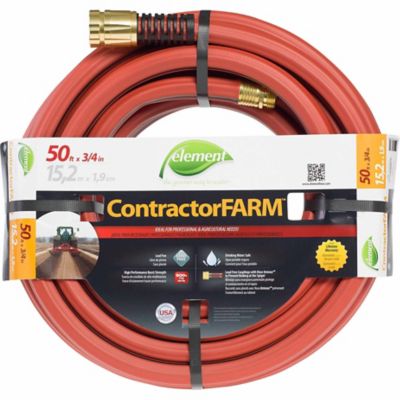
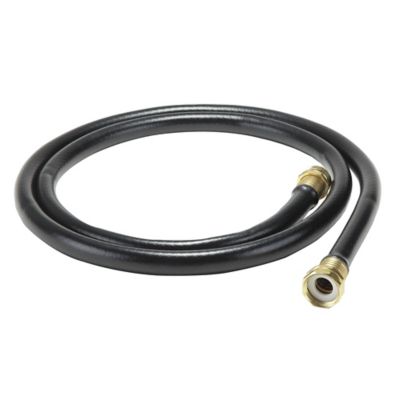
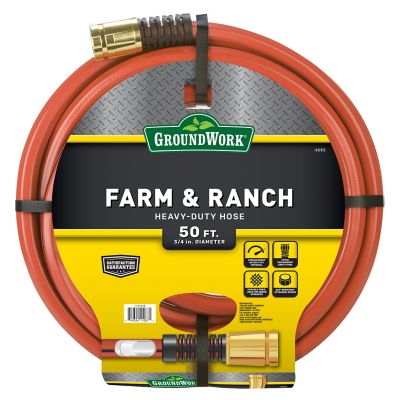
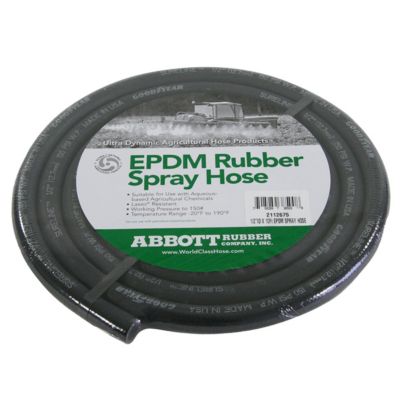
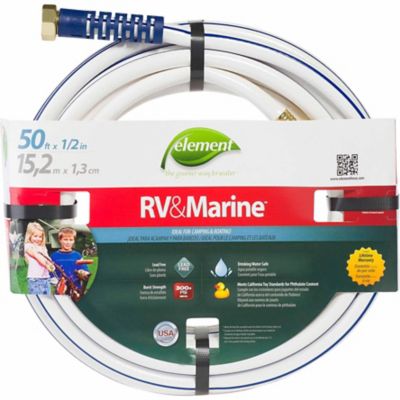
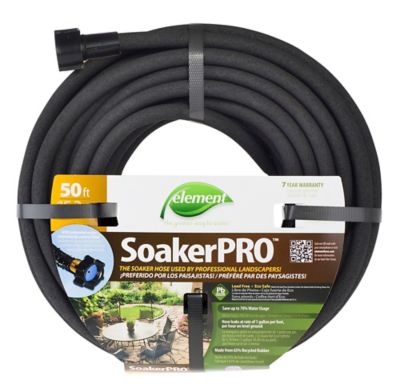
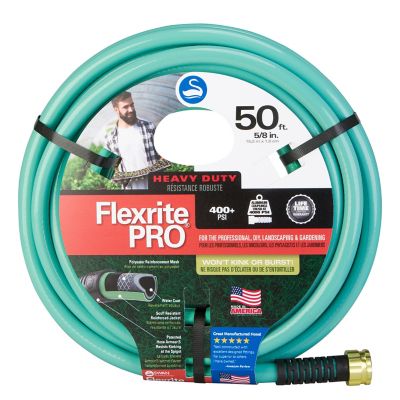
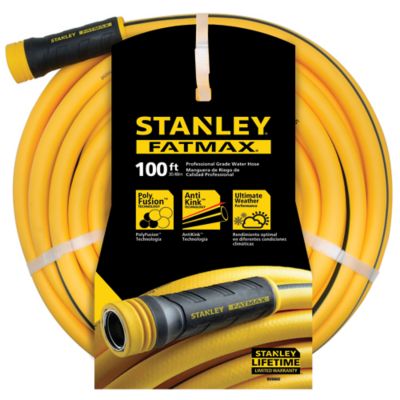
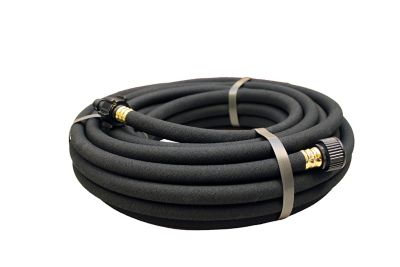
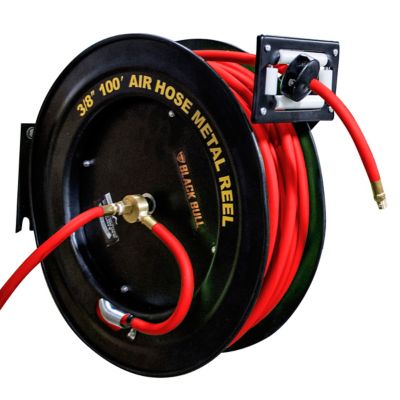
Rubber hoses are flexible tubes that carry water, compressed air, or other fluids between a supply and the equipment that needs it. Around a farm, yard, or workshop, that can mean reaching a garden bed beyond the spigot, rinsing mud from a shovel, or connecting an air tool to a compressor. Their usefulness comes from a balance of flexibility, strength, and manageable handling, though the right balance depends on the job. A hose that gets pulled around fence posts has different demands than one that stays beside a workbench. Rubber compounds vary, and many hoses combine an inner tube, reinforcing layers, and an outer cover rather than relying on a single layer of material. The inner tube needs to be compatible with whatever travels through it, while reinforcement helps the assembly withstand its rated working pressure. The cover takes much of the everyday rubbing against the ground, equipment, and storage hooks. Some constructions emphasize flexibility and easier coiling; others focus on resistance to abrasion, oil exposure, or particular chemicals. Those properties belong to the individual hose specification, not to rubber hoses as a whole. Rubber construction alone does not make a hose suitable for drinking water, fuel, hydraulic systems, or every cleaning solution. For gardeners, livestock owners, mechanics, and folks keeping up a few acres, matching the hose to its intended service helps narrow the choices without getting distracted by appearance. Watering flowers, filling an animal trough, and supplying a pneumatic wrench may all call for flexible tubing, but they do not call for interchangeable equipment. Drinking-water and animal-watering applications warrant a hose identified by its manufacturer as suitable for that purpose. Air-powered equipment needs an air hose with appropriate connections and pressure ratings. That distinction matters even when two hoses look much alike hanging side by side, because the tube material, reinforcement, and fittings may be built for entirely different work.
Length, inside diameter, and connection style shape how a rubber hose fits into the day's chores. A longer hose reaches farther, but it also adds weight, takes more room to put away, and can create more resistance to flow. On a property with several watering spots, the useful length follows the actual route around gates, buildings, and planted rows, not just a straight line across the yard. Enough slack to move comfortably helps keep tension off a spigot or tool connection; a large pile of extra hose can get in the way underfoot. Inside diameter affects flow capacity, and a hose that is too narrow for the application can limit water delivery or cause excessive pressure drop with compressed air. For pneumatic tools, the tool's air demand, hose length, and restrictions at couplers all affect performance at the working end. A compressor gauge reading alone does not tell the whole story.
Rubber Air Compressor Hoses are intended for compressed-air service, with the assembly's stated working pressure and fitting compatibility guiding the match to the setup. Water-hose connections and pneumatic fittings serve different systems, and similar-looking threads or plugs do not necessarily connect properly. Garden-hose threads, pipe threads, and quick-connect profiles each have their own requirements. Matching nominal size is only part of the fit; thread type, sealing method, and coupler profile matter too. Working pressure is also different from burst pressure, which is not an operating target. The hose, attached ends, adapters, and other connected components need ratings appropriate for the system, with operation kept within the lowest applicable limit. Handling deserves attention alongside those numbers. A hose with some heft may feel steady when laid out along a fence line, while a lighter assembly can be easier to carry between outbuildings. Flexibility, bend radius, and the shape of the ends influence how smoothly it follows a person around equipment or settles onto a reel. The best fit leaves enough room to work without forcing tight bends at the connections.
Everyday wear often shows up where a rubber hose drags, bends, or joins a fitting. A stretch across rough concrete, repeated scraping along a doorway, or a sharp turn beside a compressor can put extra stress on one small area. Reinforced construction and a cover suited to the work can help a hose stand up to regular handling, but no hose is protected from every cut, pinch, or snag. Routing it clear of sharp edges, vehicle paths, and moving machinery helps preserve the assembly and keeps the work area easier to navigate. A hose should not double as a handle for dragging a compressor or another piece of equipment, since pulling loads belong on the equipment's designated handles rather than its fittings. For water service, a sound washer and properly seated connection can prevent an annoying drip without excessive tightening. Air connections require their specified sealing approach, and all connections deserve a look when leaks or loose ends appear. Routine care is straightforward: follow the manufacturer's cleaning directions, keep the exterior clear of buildup, and inspect for cuts, cracks, bulges, exposed reinforcement, or fittings that have begun to shift. A pressurized hose needs to be isolated from its supply and safely depressurized before disconnection or maintenance. Damaged pressure-hose assemblies belong out of service until addressed according to manufacturer guidance; a wrap of tape does not restore their pressure rating. Between jobs, broad coils and properly sized reels or supports help avoid persistent kinks and concentrated strain. Storage away from direct sunlight and incompatible substances can also help preserve rubber, depending on its formulation. Water hoses generally benefit from draining before storage when the manufacturer recommends it, while air hoses need care consistent with the compressor system's instructions. These practical details matter whether a hose serves a small backyard garden, a busy livestock area, or a shop where tools run throughout the day. A well-matched rubber hose brings the needed reach, flow, and flexibility to the task, with connections that fit and care requirements that make sense for the place it works.