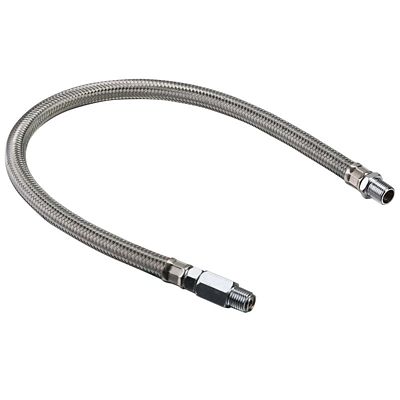
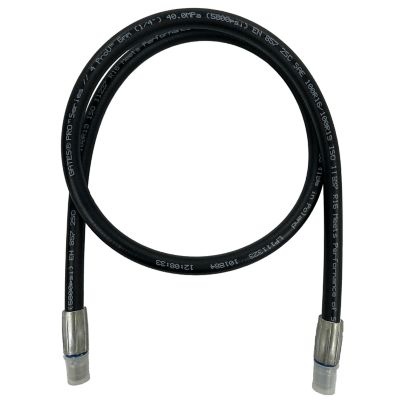
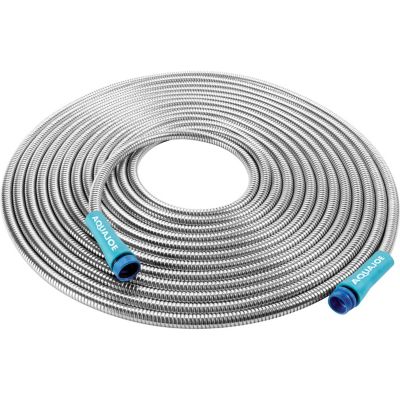
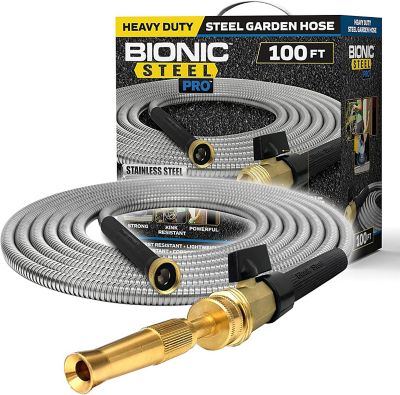
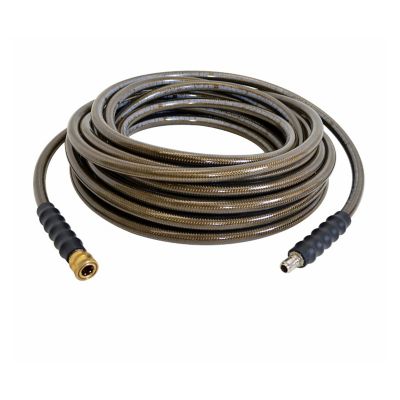
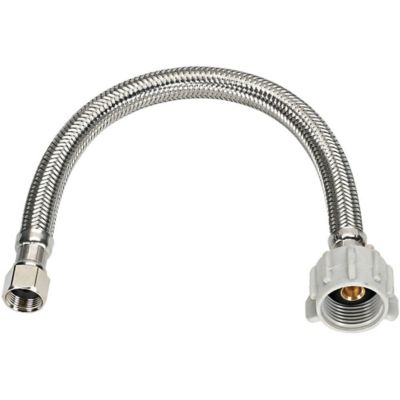
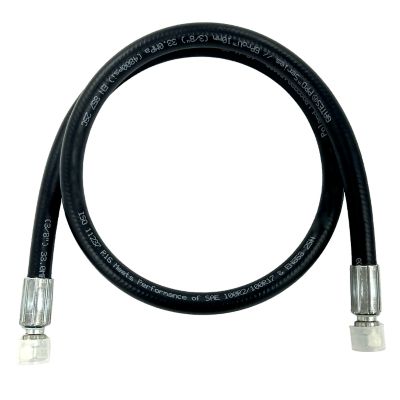
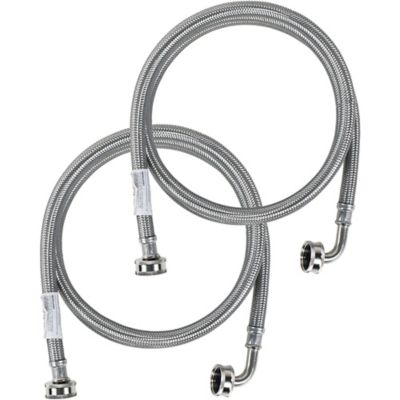
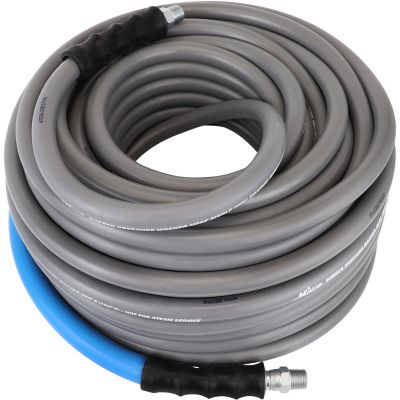
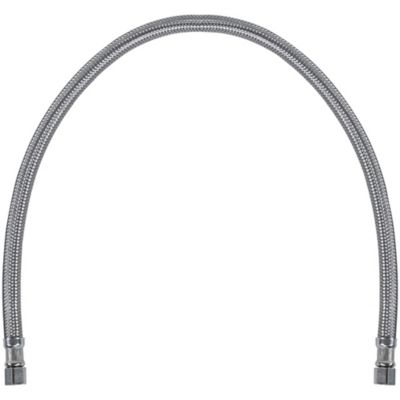
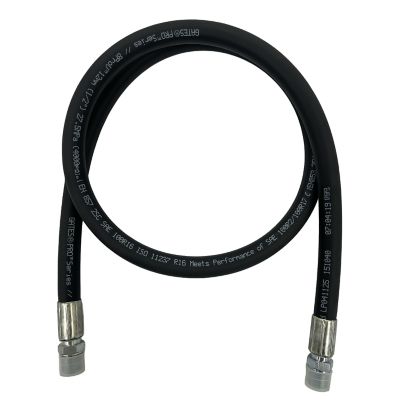
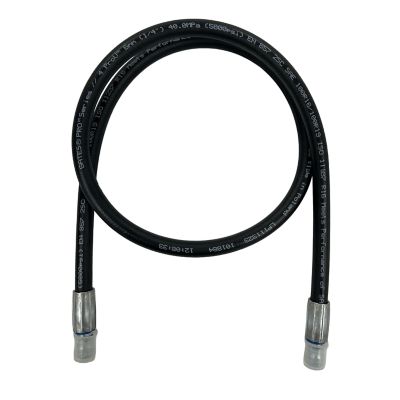
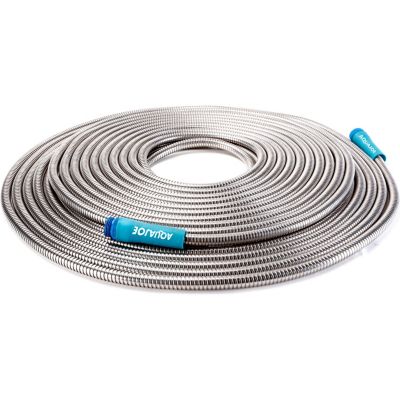
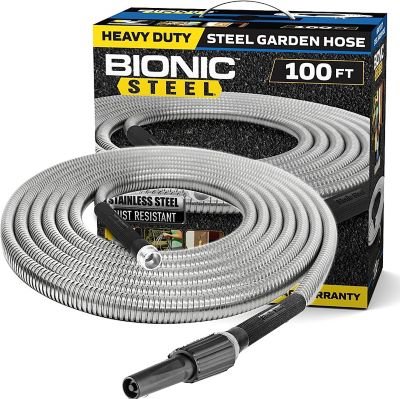
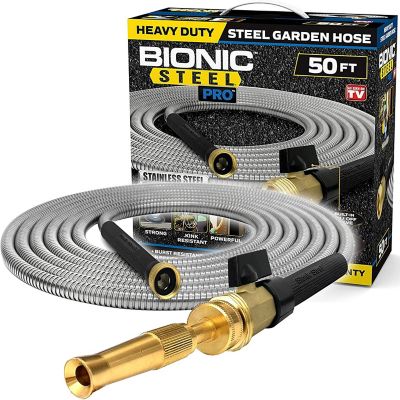
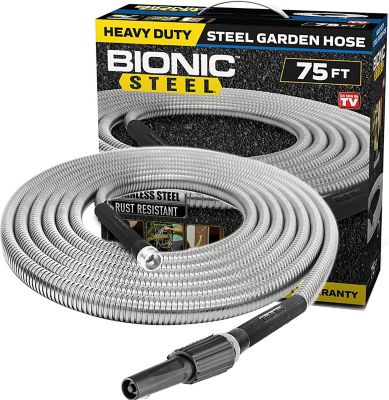
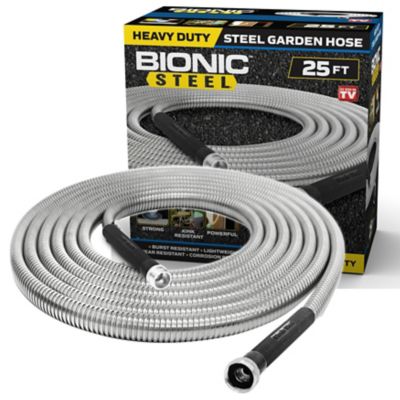
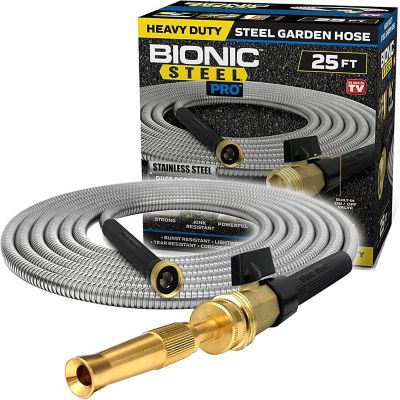
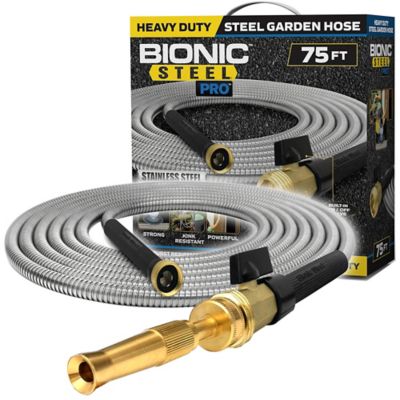
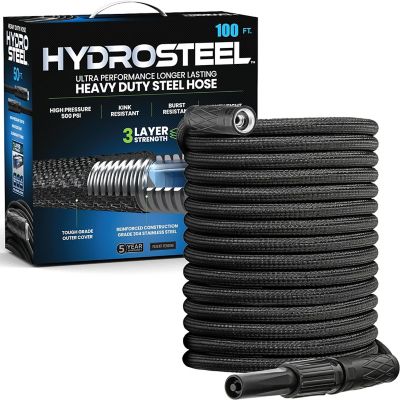
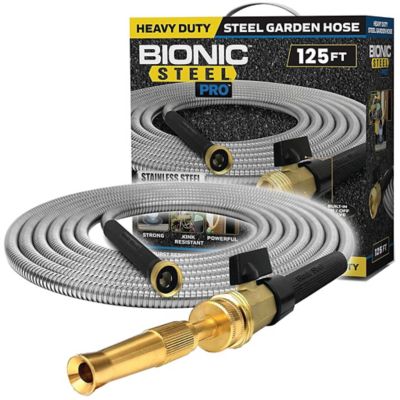
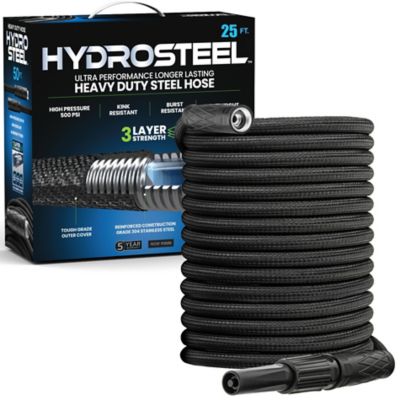
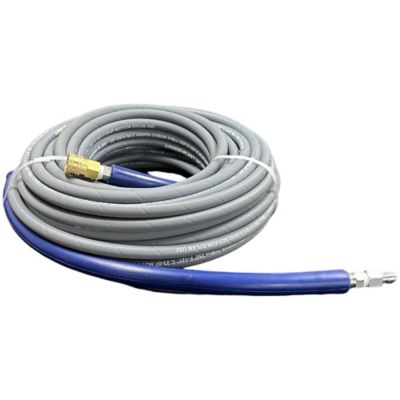
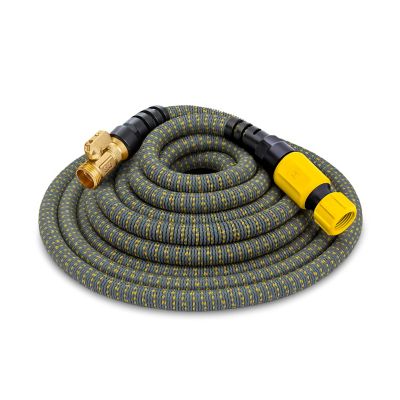
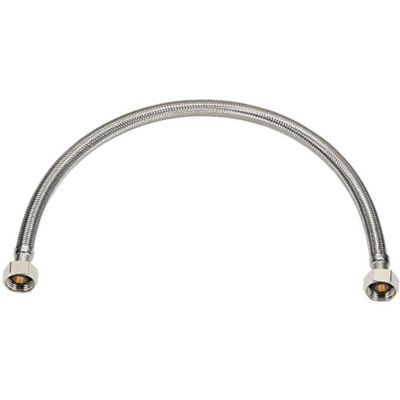
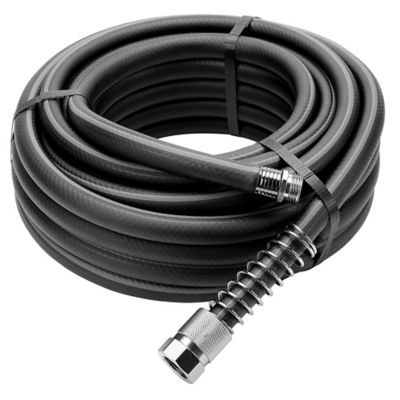
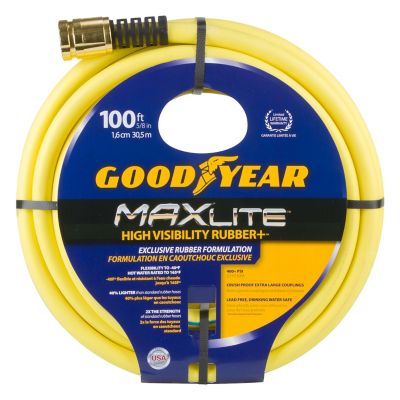
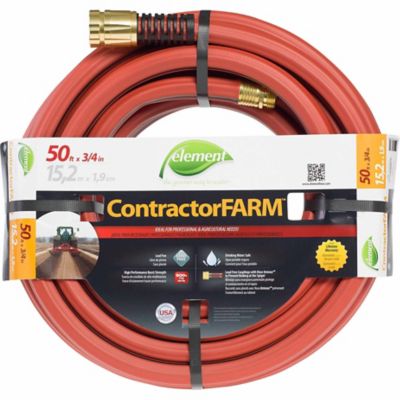
Steel braided hoses are a dependable choice when a regular rubber or plastic hose needs extra support, protection and staying power. The woven steel outer layer helps shield the hose from abrasion, scuffs and everyday wear while giving it added resistance to kinking and movement. That makes these hoses useful around farms, shops, garages, barns and work areas where equipment gets used hard and hoses may rub against metal edges, concrete, gravel or other tools. They can be found in applications involving air, water, fuel, oil, hydraulic fluid and other liquids or gases, but the right hose always depends on the job. Before choosing one, check what the hose is rated to carry and make sure its pressure, temperature and chemical-resistance ratings match the equipment. A hose intended for one type of fluid may not be suitable for another, even when the size and fittings appear to match. Pay close attention to the inside diameter, outside diameter, overall length and connection type as well. A hose that is too short can pull on fittings and place stress on equipment, while one that is much too long may drag across the floor, catch on machinery or form tight bends. Measure the distance between connection points with enough room for normal movement, but avoid adding extra length simply for convenience. When the hose will be used near moving equipment, allow for that movement without letting the line become pinched or stretched. Steel braided construction adds strength, but it does not make a hose indestructible, and careful sizing remains one of the best ways to extend service life.
These hoses are commonly selected for demanding connections on tractors, loaders, compressors, pressure washers, shop equipment, livestock systems, irrigation setups and other machinery that sees regular use. On a busy property, a well-matched braided hose can help keep a repair job moving when dust is blowing, the ground is muddy and there is no time to make several trips for parts. They may also be useful in a home workshop, especially where a hose needs to pass near a workbench, engine compartment or other area with a greater chance of rubbing and impact. Look for a hose with end fittings that match the equipment without forcing, cross-threading or relying on an improvised adapter. Connection size, thread style and whether the fitting is straight, angled, swivel or fixed can all affect installation. Some setups call for additional
Brass Hose Fittings, while others require a different material based on the fluid, pressure or surrounding conditions. Confirm that every fitting, coupling, clamp and adapter is rated for the same service as the hose itself. During installation, keep the line away from hot exhaust parts, sharp corners, electrical hazards and areas where tires or moving linkages could catch it. Avoid twisting the hose as fittings are tightened, and use the proper wrenching surfaces rather than gripping the braided covering. A gentle bend is better than a sharp fold, and a protective sleeve or clamp may help in spots where vibration or repeated rubbing cannot be avoided. For hydraulic or high-pressure applications, follow the equipment maker’s instructions and use components designed for that pressure range. High-pressure fluid can cause serious injury if a hose fails or develops a pinhole leak, so never check for leaks with your hand and always relieve pressure before disconnecting a line.
Choosing a steel braided hose can also be a practical addition to a tool chest, maintenance cabinet or farm repair kit. It is the kind of useful item that may not seem exciting until a worn line starts leaking during a chore, then having the right length and fitting close at hand can save time and frustration. These hoses can make thoughtful gifts for a mechanically minded homeowner, farmer, rancher, small-engine hobbyist, auto enthusiast or anyone who spends weekends keeping equipment in working order. For a gift or spare-parts purchase, it helps to know the machine or application first, since hose size and connection details matter more than appearance. Keep the packaging information, pressure rating and installation details with the hose so they are easy to find later. Before putting a hose into service, inspect the braid and end connections for damage, check that the liner is clean and make sure the hose has not been flattened, kinked or stored under a heavy object. During routine maintenance, look for rust, broken braid wires, bulges, soft spots, cracking, leaking ends or signs that the hose has been rubbing against another surface. Replace a damaged hose rather than wrapping it with tape or continuing to use it as a temporary fix. Store spare hoses in a cool, dry place away from sunlight, chemicals and sharp tools, with the ends capped or protected when appropriate. During the cooler months, take a little extra care with hoses exposed to freezing temperatures, since trapped water or stiffened materials can increase the chance of damage. With the right match, careful routing and regular inspection, steel braided hoses can provide a sturdy connection for everyday work in the barn, field, shop or home.