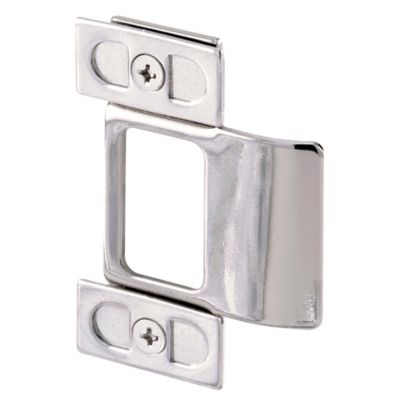
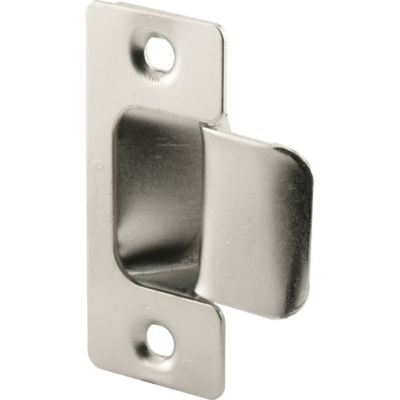
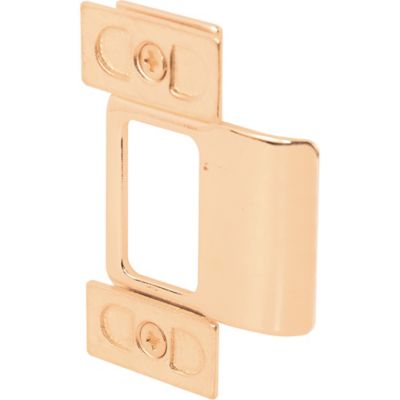
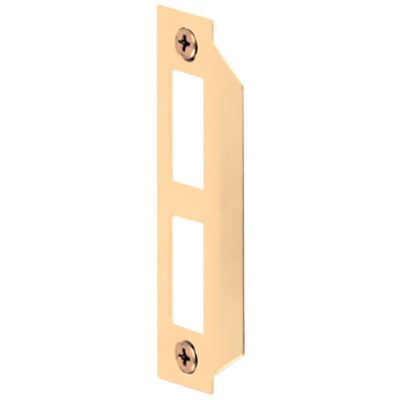
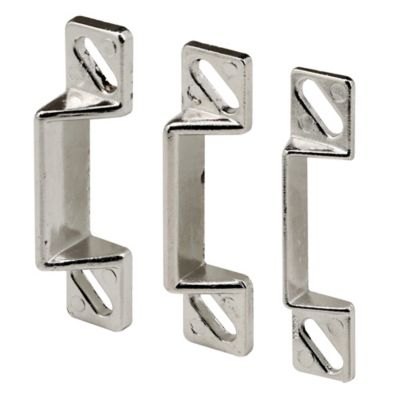
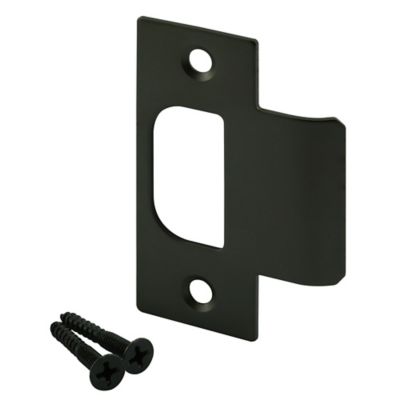
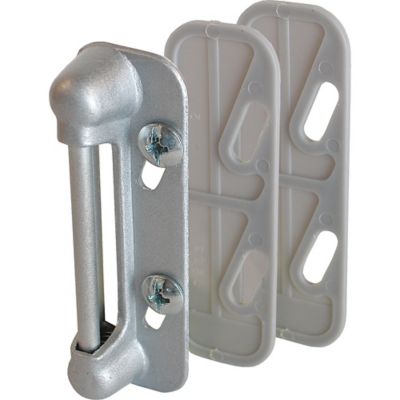
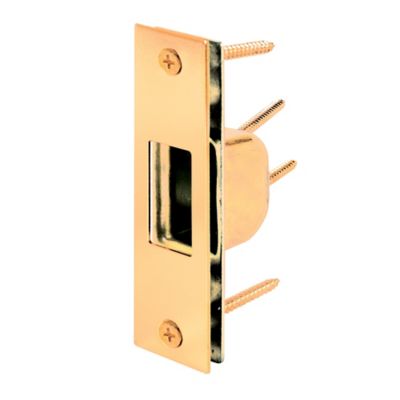
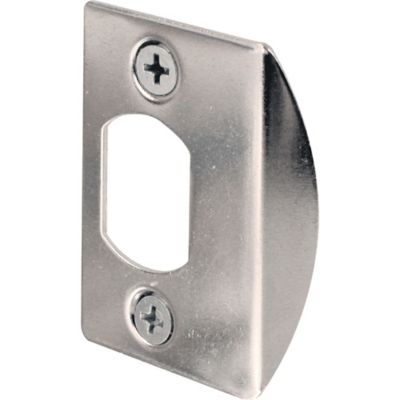
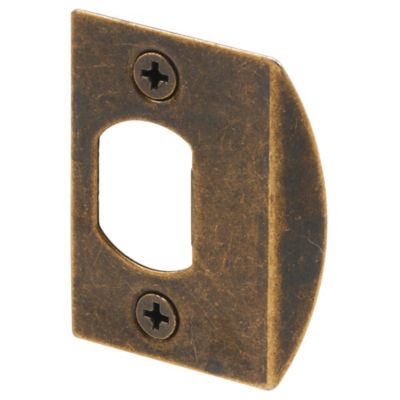
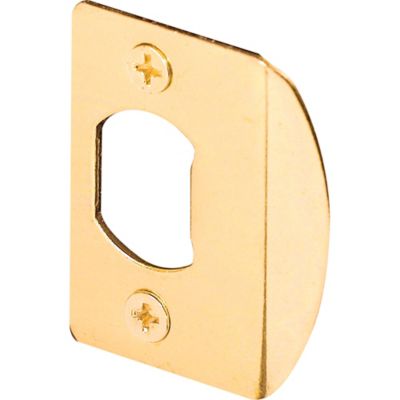
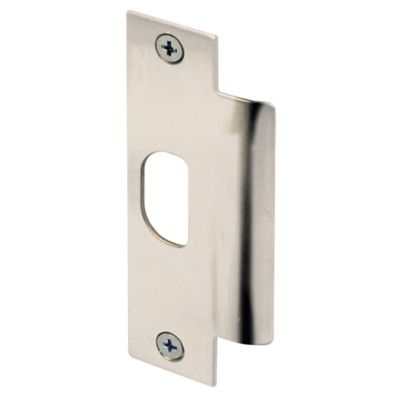
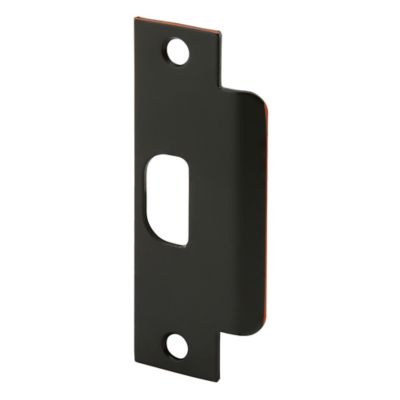
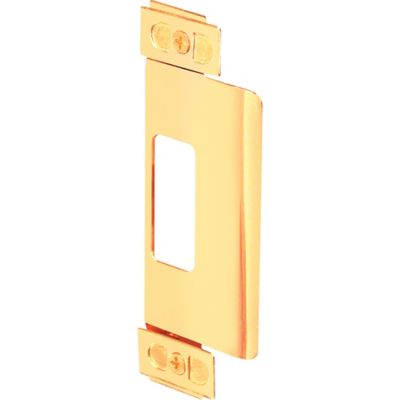
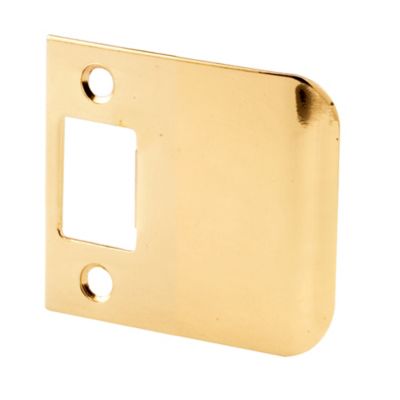
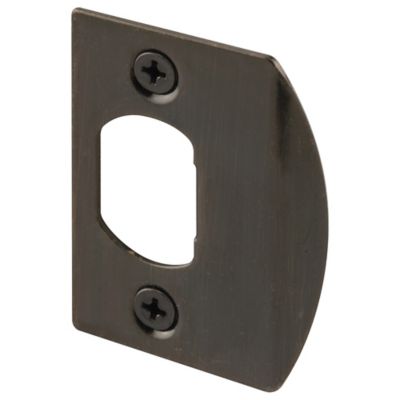
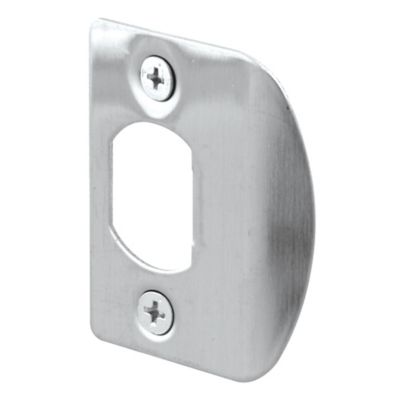
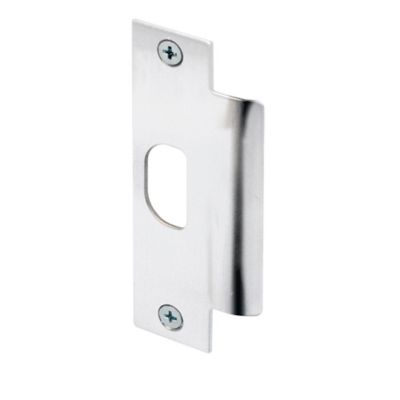
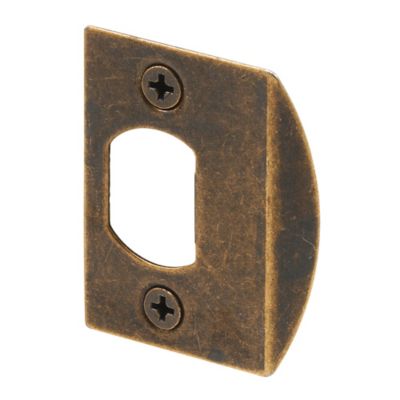
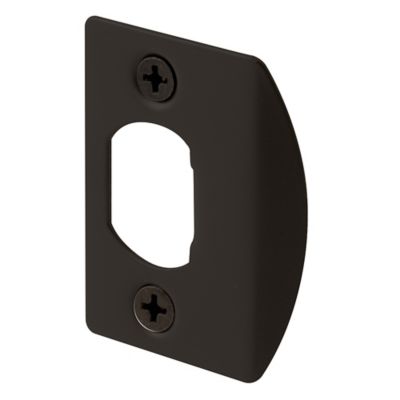
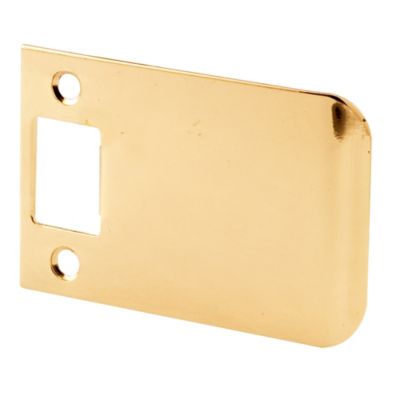
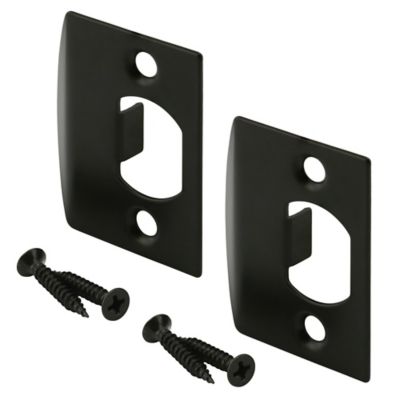
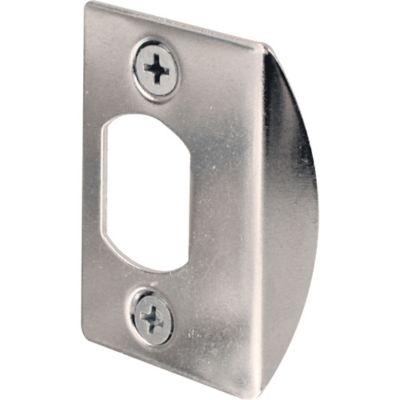
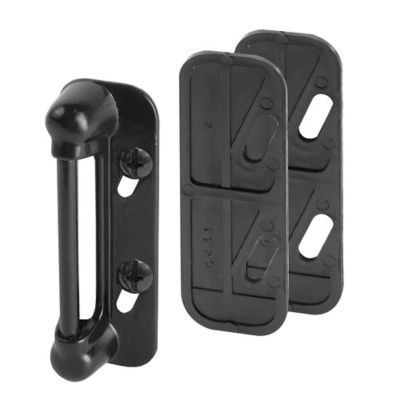
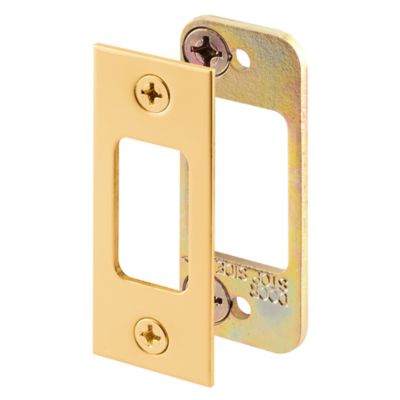
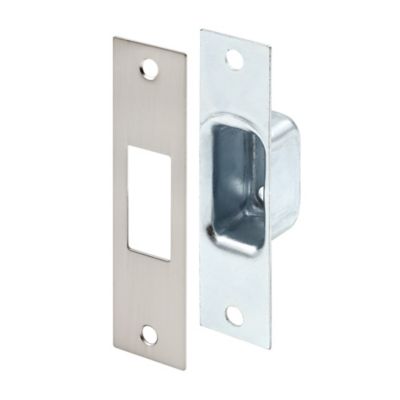
Adjustable door strike plates let you fine-tune where a door latch meets the jamb, helping a door close snugly without the rattle or extra shove that can come with a loose fit. The strike plate is the metal fitting around the latch opening in the door frame. Its lip guides the spring latch inward as the door swings shut, and its opening gives the latch a place to seat once the door closes. Unlike a fixed strike, an adjustable design allows a limited change in the latch’s resting position without necessarily moving the entire plate. Depending on the construction, that adjustment may come from a sliding section, interlocking pieces, or a movable tab. This makes adjustable door strike plates a practical choice for minor alignment trouble on entry doors, side doors, utility rooms, and other swinging doors with compatible latch hardware. Around a farmhouse or acreage, that might mean a mudroom door that chatters when the wind picks up or a workshop entry that needs a shoulder bump before it catches. A better latch-to-strike fit can help hold a door against its weatherstripping, which may reduce air leakage when the seals are otherwise sound. The plate itself does not seal gaps, repair worn weatherstripping, or straighten a sagging door. During the cooler months, those distinctions matter: a snug latch is helpful, but cranking a door tighter against a damaged seal will not solve the whole problem. Adjustment also has limits. Some designs change how tightly the door sits against the stop, while others allow a different direction or range of movement. The available travel depends on the plate, so adjustable does not mean every latch position can be accommodated. For homeowners, property caretakers, and folks maintaining outbuildings, these fittings offer a way to address small fit changes while keeping compatible knobs, levers, and locks in place. The goal is a door that closes with an easy push and stays latched without bouncing back.
Fit matters more than appearance when choosing an adjustable strike plate. Overall length and width, screw-hole spacing, opening size, corner shape, and lip projection all affect whether a replacement belongs on a particular jamb. A plate with rounded corners may not fill a square-cornered recess neatly, and a thicker two-piece assembly may need more clearance than the fitting it replaces. Even when two plates look much alike, their mounting holes or latch openings can land in different places. The existing recess, often called a mortise, should accommodate the plate so it sits as intended rather than standing proud and rubbing the edge of the door. Lip length matters, too, especially where trim projects close to the latch path. A suitable lip helps the latch travel past the jamb edge without scraping nearby woodwork. Wood and metal frames have different fastening needs, and a plate intended for one mounting arrangement is not automatically right for the other. Residential and commercial strike patterns can also differ substantially in size and mounting layout. Compatibility with the lock is just as important as compatibility with the frame. A spring-latch strike and a deadbolt strike serve different mechanisms, so they should not be treated as interchangeable simply because both have an opening. The latch or bolt needs enough clearance and depth to extend fully without binding. Where a lock includes a small auxiliary deadlatching plunger beside the main latch, the strike must support its intended operation rather than letting both parts drop into the opening. That detail helps preserve the lock’s designed function. A latch landing slightly loose is a different problem from one hitting far above the opening because hinges have pulled away from the jamb. Adjustable hardware can handle certain small mismatches, but loose hinges, split wood, a twisted frame, or significant settling call for attention beyond the strike. A sound frame and properly supported door give the adjustment something solid to work with, whether the doorway leads to the kitchen, tack room, or enclosed work area.
Materials and finish help determine how well an adjustable door strike plate holds up to everyday traffic and its surroundings. Steel provides a firm bearing surface for repeated latch contact, while stainless steel can be a useful consideration where damp air and moisture are concerns. Plated steel combines a steel base with a surface finish, and brass construction differs from a brass-colored coating over another metal. The material description matters because color alone does not tell the whole story. For an exterior entry, suitability for outdoor exposure deserves more attention than it might on a dry interior closet. A covered porch still gets windblown rain, condensation, and grit carried in on boots and gloves. Finishes such as nickel, chrome, brass tones, and black can coordinate with nearby hinges and lock hardware, but the plate’s fit and exposure rating should lead the choice. Strength also depends on more than metal thickness. Fastener engagement, the condition of the jamb, and the hardware’s mounting design all play a part in how firmly the assembly stays put. Adjustable strike plates focus on alignment and closing fit; they do not automatically provide the frame support associated with
Reinforced Door Strike Plates. Where added resistance at the lock opening is a priority, reinforcement deserves separate consideration alongside the lock, door, and frame. Day-to-day care is generally straightforward: grit around sliding sections, loose adjustment screws, and worn contact surfaces can interfere with a consistent fit. A soft cloth and cleaning methods suited to the finish help keep dirt from building up without scratching the surface. Lubricants should follow the hardware maker’s recommendations, since excess oil can collect dust in a busy shop or farm entry. Repeated slamming, fresh scrape marks, or a door that starts needing a hard pull are signs that the fit deserves another look rather than more force. With suitable materials, compatible dimensions, and a secure mounting surface, an adjustable strike plate can make a frequently traveled doorway feel settled again—closing cleanly behind muddy boots, feed-room trips, and the regular back-and-forth of a working household.