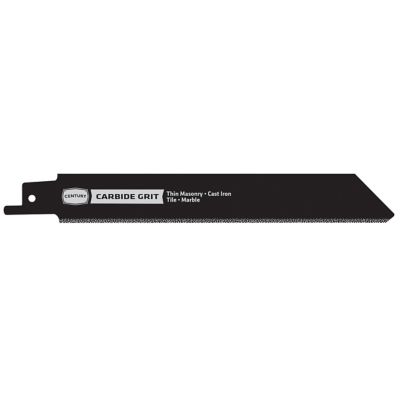
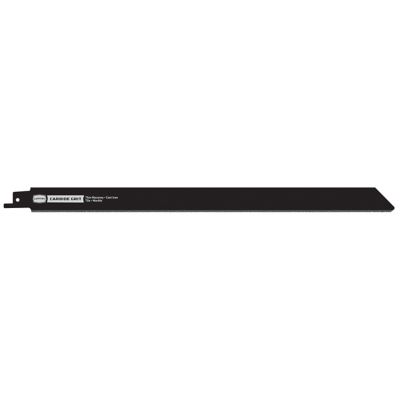
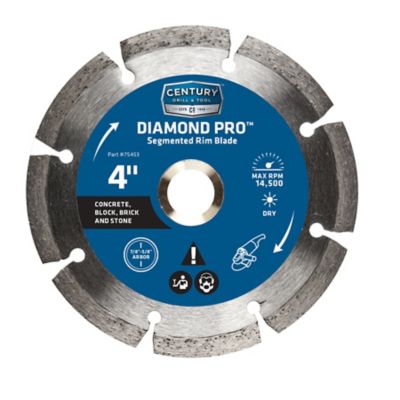
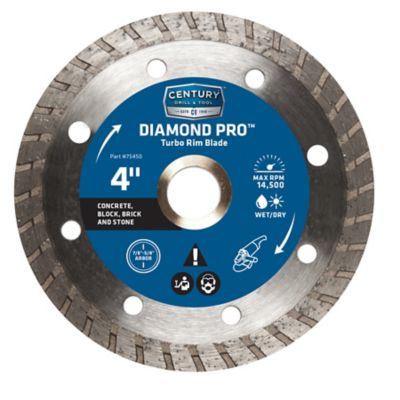
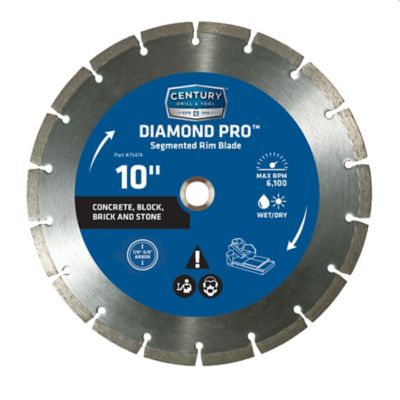
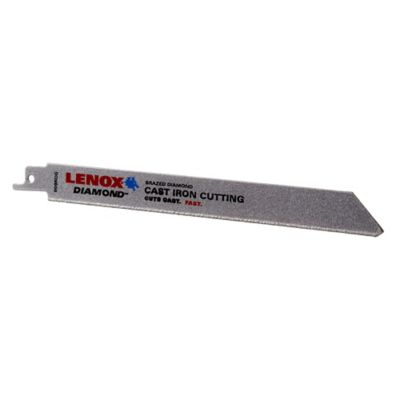
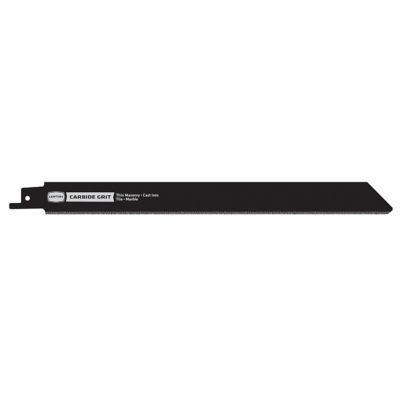
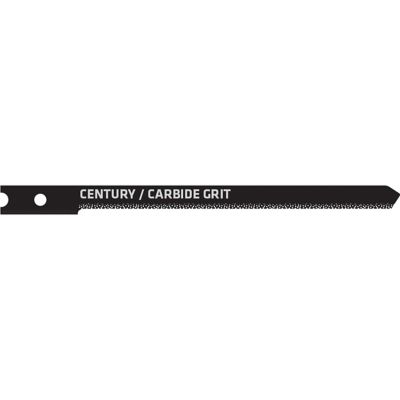
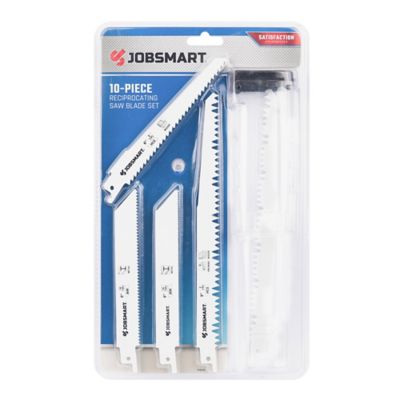
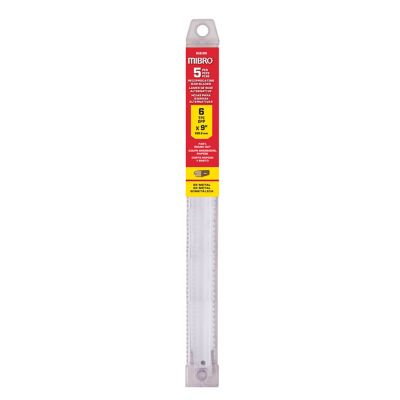
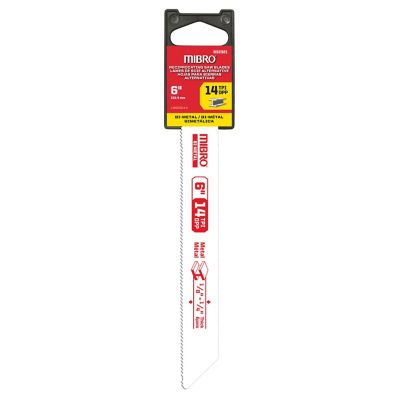
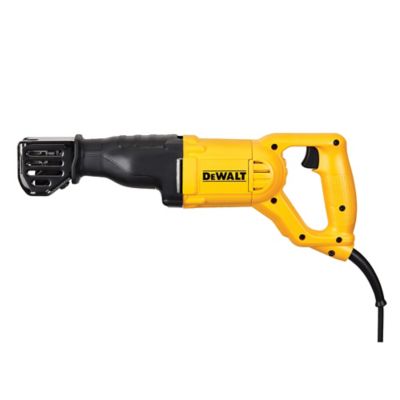
Reciprocating saw blades for masonry are made for the rough, demanding work that comes with tearing out brick, mortar, cinder block and other softer masonry materials. Unlike standard wood- or metal-cutting blades, these specialized attachments are built with either tungsten carbide teeth or a diamond-grit edge to stand up to abrasive surfaces. They fit many common reciprocating saws, often called sawzalls, and can be useful on the farm, around a rural property or during home renovation work where a regular blade would quickly dull. A carbide-tipped masonry blade typically has large, widely spaced teeth, often around 2 TPI, or teeth per inch. That open tooth pattern helps clear rough debris while the carbide tips handle fast, aggressive cuts through brick, mortar joints, aerated concrete blocks and similar materials. These blades are a practical choice for demolition, such as removing a section of block wall, opening up an old masonry partition, cutting through damaged brickwork or taking out a mortar joint when repairing a structure. Diamond-grit blades use an abrasive cutting edge rather than individual teeth. They are often selected for materials that wear down ordinary blades quickly, including abrasive masonry, fiber cement, cast iron and some tile or other dense surfaces. The right choice depends on the material in front of you and the kind of cut the job calls for. Before buying, check the blade length, shank style and compatibility with your saw. Longer blades can provide extra reach for thick block, deep joints or demolition work, while shorter blades may offer better control in a tight area. Keep in mind that a longer blade can flex more, especially when pushed hard, so steady pressure and a firm grip matter.
These are demolition-oriented tools, not finishing blades. A reciprocating saw moves with a noticeable back-and-forth vibration, and masonry cuts can be dusty, noisy and uneven. They are well suited to rough tear-outs where speed and access matter more than a clean, polished edge. A carbide-tipped blade may make quick work of brick, mortar and cinder block, while a diamond-grit blade can be a better fit when the material is especially abrasive or when you need an edge that holds up through a longer cutting task. Neither style is generally intended for very hard stone such as granite, porcelain or dense, fully cured concrete, and they may not be the best tool for a precise cut across finished tile or a visible masonry face. For those jobs, a dedicated masonry saw, angle grinder or other specialized equipment may provide better control and a cleaner result. Pay attention to the blade’s stated material range instead of assuming every masonry blade handles every type of stone. It also helps to consider how many cuts you expect to make. A single blade can be a sensible choice for a small repair, while a multipack may be worthwhile for a larger demolition project, a barn or workshop renovation, or several jobs spread across a property. Keep extra blades stored dry and protected from impact, especially in an unheated shop or outbuilding during the cooler months. When fitting a blade, disconnect the saw from power or remove the battery, make sure the blade is locked securely in place and inspect it for cracks, missing carbide tips or unusual wear before starting.
Masonry cutting calls for more than the right attachment. Wear safety glasses or a full face shield, hearing protection, sturdy gloves and work clothes that can handle dust and rough debris. A properly fitted dust mask or respirator may also be needed, depending on the material and the conditions, since cutting masonry can send fine particles into the air. Follow the saw manufacturer’s instructions and use the blade at the recommended speed and position. Let the blade do the cutting instead of forcing it, and keep both hands on the saw whenever the work area allows. Support loose brick or block so it does not shift unexpectedly, and check behind the cutting area for wiring, plumbing or other hidden hazards before making an opening. Outdoor work may be more comfortable as the weather changes, but wind can carry dust toward nearby people, animals, vehicles or open buildings, so choose the work area with care. On a farm or homestead, these blades can be handy for repairing old outbuildings, removing a damaged portion of a feed room, opening a passage through block or handling masonry during fence, drainage and foundation projects. They can also make a useful gift for a contractor, maintenance worker, experienced DIYer or handy family member who already owns a compatible reciprocating saw and enjoys keeping a well-stocked tool box. For broader demolition work, explore
Demolition Reciprocating Saw Blades to compare options suited to tearing out tough materials. Choosing the blade style, length and quantity around the job at hand helps avoid wasted time, premature wear and the frustration of reaching for a blade that was never meant for the material.