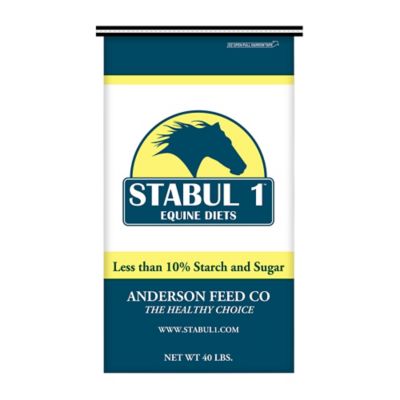
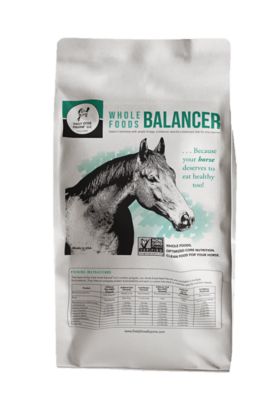
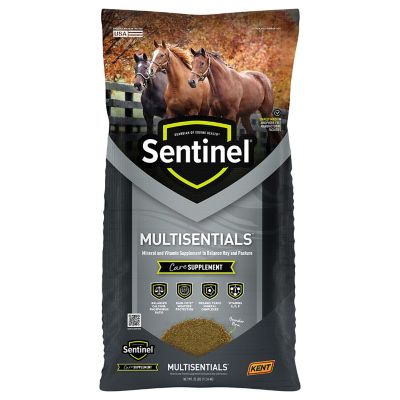
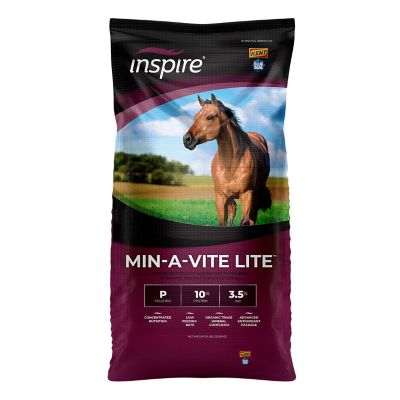
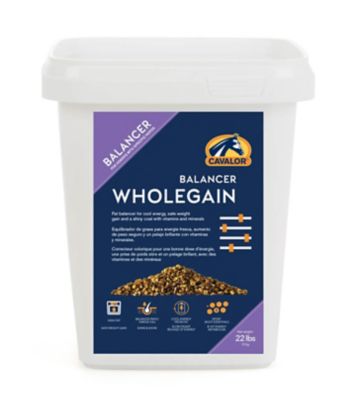
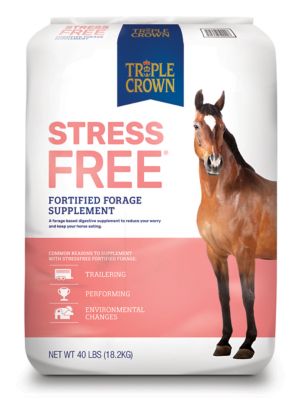
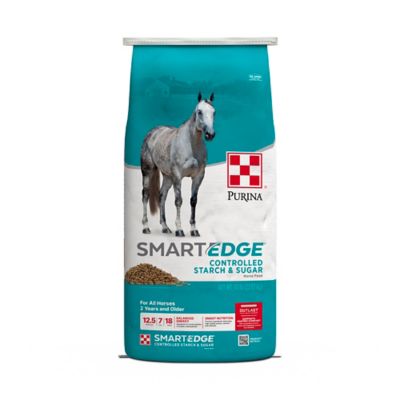
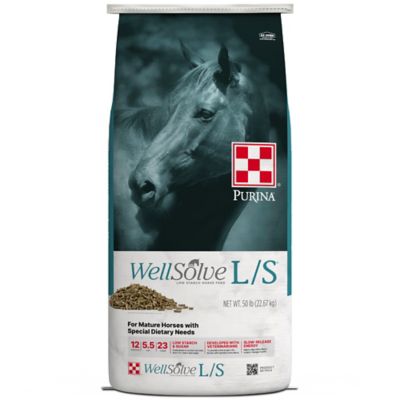
Ration balancers for horses are concentrated feeds that supply protein, essential amino acids, vitamins and minerals in a small daily serving. Most come as pellets and are intended to complement hay or pasture, helping fill nutritional gaps without the larger calorie contribution of a full serving of conventional grain-based feed. They’re a practical fit for horses that hold their weight on forage alone but still need nutrients their hay or grass may not provide in sufficient amounts. That includes many easy keepers, ponies, horses in light work and mature horses enjoying a slower pace around the farm. If you know the kind of horse that stays round while its pasture mate needs another helping, you know why a smaller, nutrient-dense meal can make sense. A ration balancer gives that horse something useful in the feed tub without making extra calories the main event. Many formulas have feeding rates around 1 to 2 pounds daily for an average-size adult horse, although the correct amount depends on the product, body weight, age, activity and the rest of the diet. These feeds aren’t calorie-free, and serving size matters just as much as the ingredients in the bag. They also aren’t a replacement for adequate forage. Their job is to round out a suitable forage-based ration, not take the place of the hay a horse spends hours chewing. Essential amino acids such as lysine and methionine help support normal muscle maintenance and other body functions, while minerals and vitamins contribute to bone health, hoof growth and everyday metabolism. A horse can look well-fed and still have gaps in its nutrient intake; a full hay net doesn’t tell the whole story. For owners keeping an eye on body condition while trying to cover those nutritional bases, horse ration balancers offer a way to separate the need for added nutrients from the need for added energy.
The forage already in the barn is one of the biggest considerations when comparing ration balancer feeds. Grass hay, alfalfa and mixed hay have different nutrient profiles, and even hay from the same field can vary between cuttings. Some balancers are formulated for grass-based diets, while others are intended for diets containing substantial amounts of alfalfa or other legumes. Matching the formula to the forage helps keep the overall ration in balance, particularly for minerals such as calcium and phosphorus. A hay analysis can make that match more informed, especially when a large part of the season’s hay comes from one supply. The guaranteed analysis, ingredient list and feeding directions each tell a different part of the story. Protein percentage deserves context: a concentrated balancer may show a higher percentage than an everyday horse feed, yet its smaller serving means the horse isn’t necessarily getting more total protein. Amino acid content and the amount delivered each day are more meaningful than judging the percentage alone. Sugar and starch levels also deserve a close look for horses that need restricted intake. A ration balancer isn’t automatically suitable for every horse with insulin dysregulation, a history of laminitis or another metabolic concern. Manufacturer information on starch and sugar, along with advice from a veterinarian or equine nutritionist, can help establish whether a formula fits the horse’s entire diet, including pasture and hay. For horses that need more calories to maintain weight or support their workload, the broader
Total Horse Feed selection offers other feeding approaches to consider. Some balancers can also complement certain grain-based rations when fed according to their directions. Simply cutting a fortified feed far below its recommended serving, however, may leave a horse short on vitamins and minerals. Likewise, adding a balancer on top of a full fortified ration can create unnecessary overlap. The best match depends on what’s already going into the bucket, not just what’s missing from the shelf.
Day-to-day practicality matters, too, especially when feeding time means several horses lined up along the fence and each bucket holds something different. Pellet size, how readily a horse eats the feed, bag size and the recommended daily amount all affect how comfortably a ration balancer fits into barn chores. Comparing cost per day at the proper feeding rate gives a clearer picture than comparing bag prices alone. A concentrated feed may last longer than its bag size suggests, but feeding less than directed just to stretch the supply can also reduce the nutrients it delivers. Weighing a serving on a feed scale takes the guesswork out of those small meals; a coffee can or scoop measures volume, and different pellets don’t necessarily weigh the same. Gradual feed changes help keep the routine steady, while dry storage in a clean, securely closed container helps protect feed from moisture and pests. During the cooler months, ration balancers can remain part of the routine as horses spend less time on pasture and more time at the hay rack. Dormant grass and a new load of hay can change the nutritional picture, so a ration that fit one forage supply may deserve another look when that supply changes. Cold weather can also raise calorie needs, particularly for horses with limited shelter, clipped coats or trouble maintaining weight. Increasing a balancer beyond its label rate isn’t the answer to that extra energy demand; the forage supply and broader feeding plan need attention instead. Regular body-condition checks are worth keeping up, since a thick coat can hide changes that are easier to feel along the ribs than see from the gate. Senior horses with dental trouble, growing horses and breeding animals may need different formulas or feeding plans rather than a standard adult maintenance approach. Fresh water and appropriate salt access remain part of the picture regardless of which balancer fills the scoop. With the right fit, a horse ration balancer keeps the feed tub focused on the nutrients needed while leaving forage at the center of the meal.