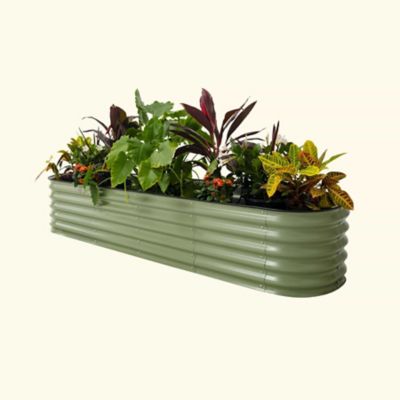
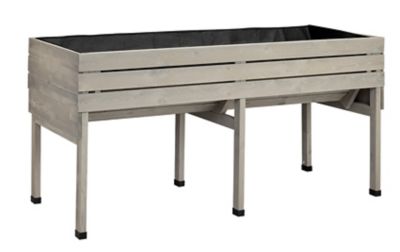
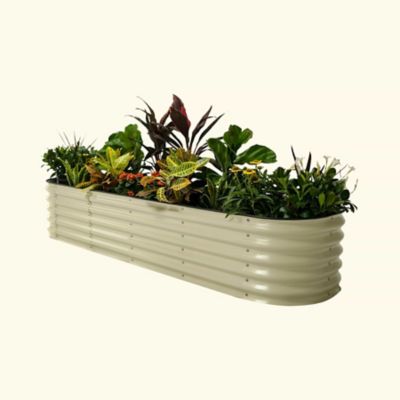
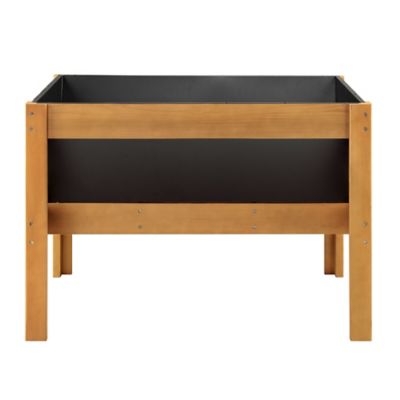
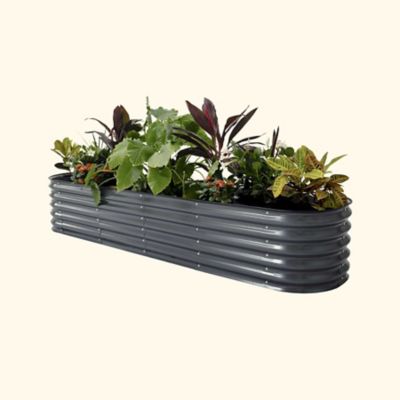
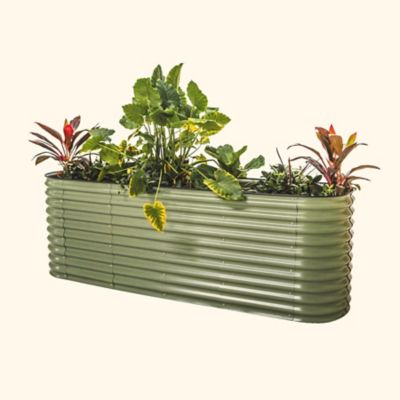
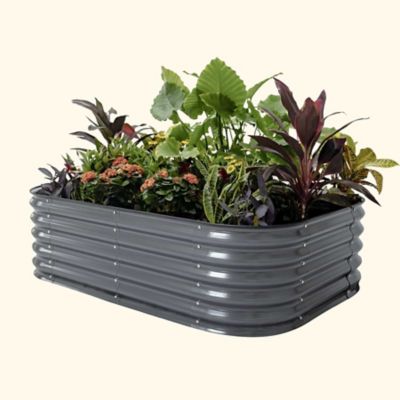
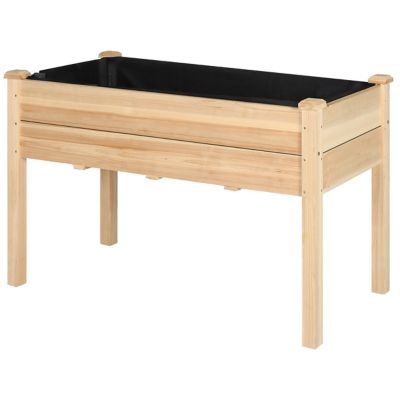
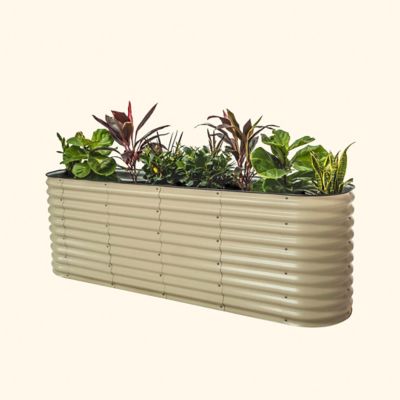
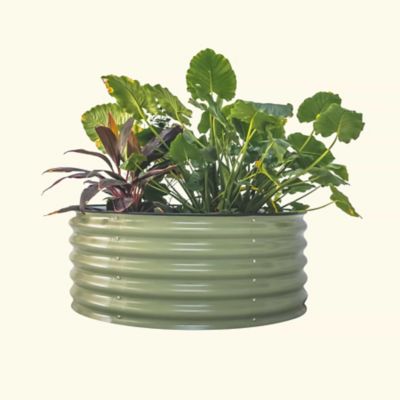
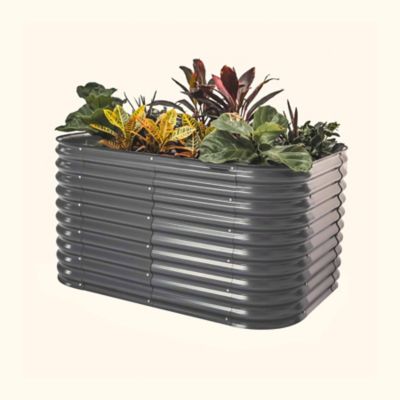
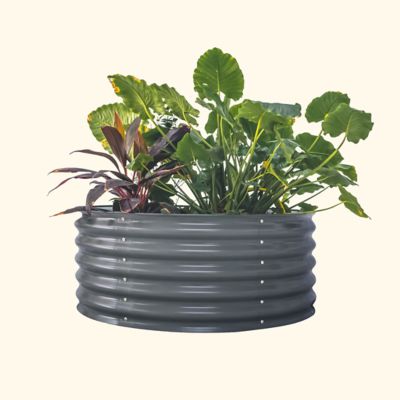
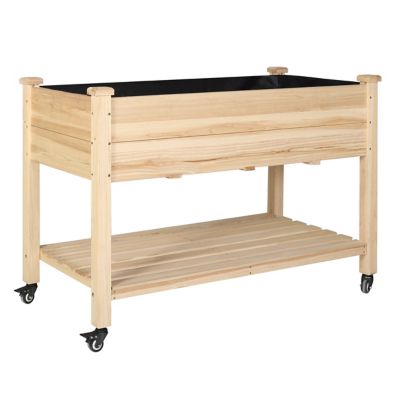
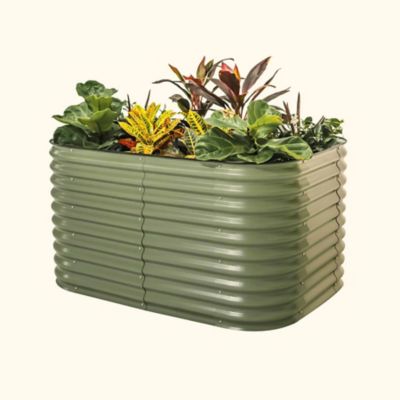
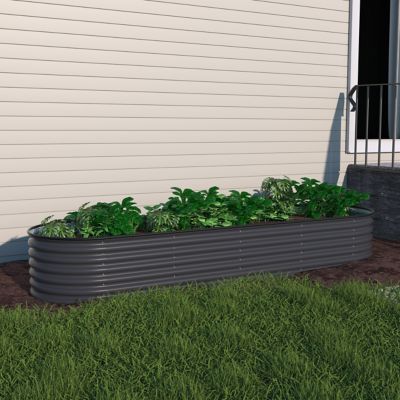
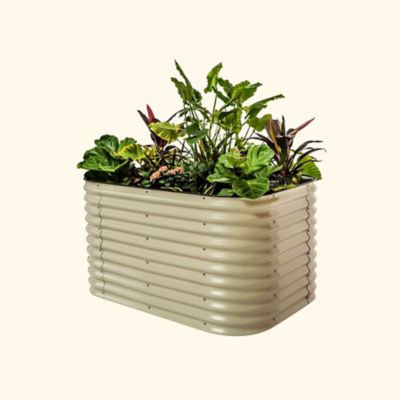
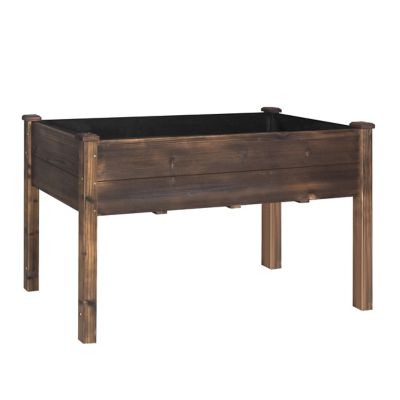
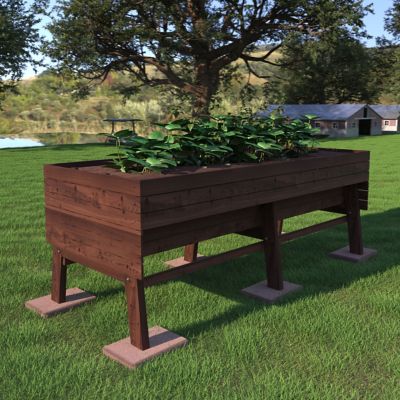
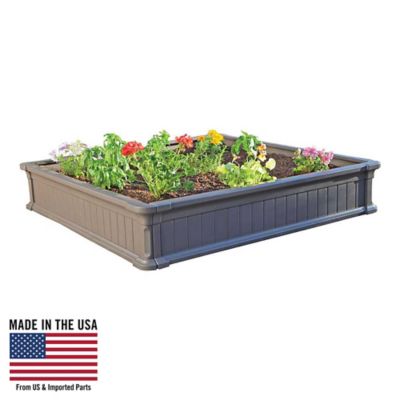
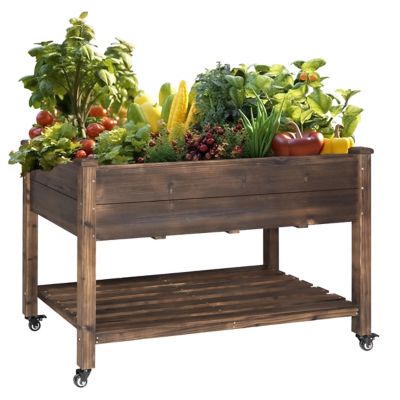
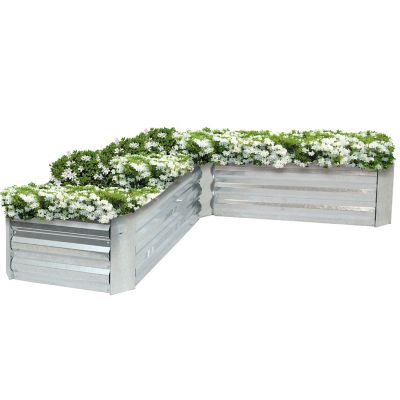
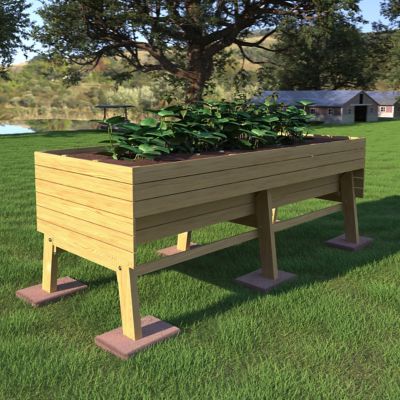
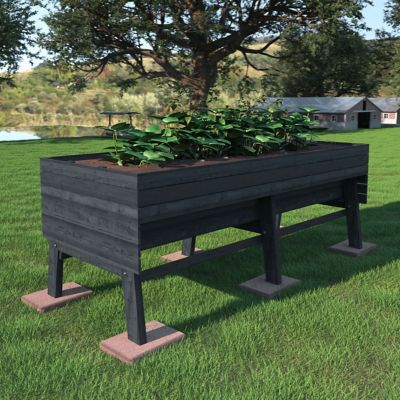
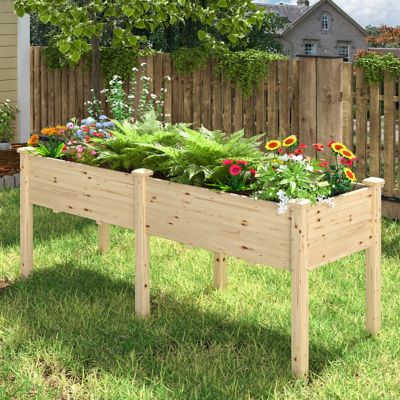
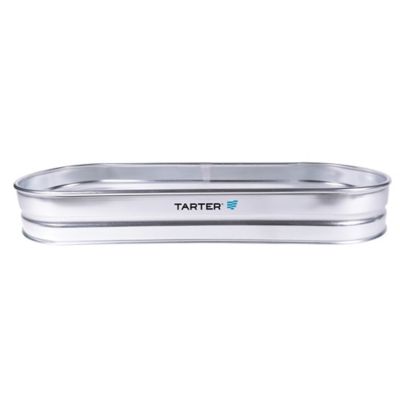
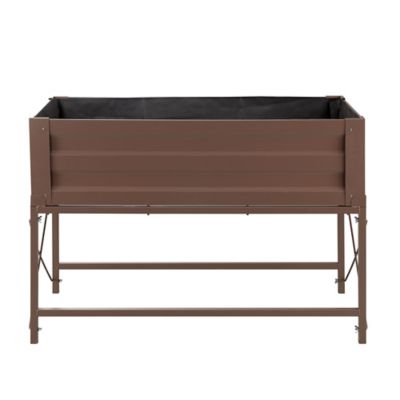
Raised bed gardening means growing plants in soil held above the surrounding ground, usually inside a frame made from wood, metal, stone, or composite material. It gives vegetables, herbs, and flowers a defined growing space while making it easier to manage soil texture, drainage, and access. For a yard with heavy clay, rocky ground, or a patch that gets walked across, that separation can make a real difference. Raised garden beds range from low, open-bottom frames that sit directly on the ground to taller structures and elevated planters that bring the planting surface closer to waist height. Those designs serve different purposes: a ground-level frame can let roots reach into the soil underneath, while a planter with a solid bottom has a limited root space and needs drainage openings. Material choice affects appearance, assembly, weight, and long-term care. Wood offers a familiar look beside a garden fence or backyard shed, and individual boards may be replaceable when the frame allows it. Cedar heartwood has natural resistance to decay, though no wood stays unchanged in constant contact with damp soil. For edible gardens, the wood and any treatment should be suitable for the intended application. Metal frames often have relatively thin walls, leaving more of the footprint open for planting. Coatings, edge treatments, corner connections, and internal braces are worth comparing, especially on taller beds that hold a substantial load of soil. Composite frames vary in construction, so reinforcement and assembly requirements matter as much as appearance. Stone and masonry bring considerable weight and generally call for a firm base and more planning if the layout might change later. Across materials, smooth edges, secure connections, and clearly stated assembly requirements help separate a bed that suits a small herb patch from one intended for a larger vegetable garden. The best fit is a frame that matches the space, the plants, and the amount of upkeep its gardener wants to take on.
Size matters just as much as the frame material. A raised bed about 4 feet wide is a common choice when both long sides are accessible because many gardeners can reach the center without stepping into the planting area. Along a fence or wall, a width closer to 2 to 3 feet can make reaching from one side more manageable. Personal reach matters, too; a bed should not require leaning hard against the edge to pull a weed or pick a handful of beans. Paths around 2 feet wide provide basic walking room, while wider lanes better accommodate a wheelbarrow, garden cart, mobility aid, or someone kneeling beside the bed. Bed height and planting depth are separate measurements on elevated planters, so both deserve a look. A tall stand may put the rim within comfortable reach but still hold only a shallow layer of soil. Around 10 to 12 inches of growing depth can suit many leafy greens and smaller herbs, while larger crops benefit from more root space. Beds with 18 inches or more of soil offer greater flexibility for deeper-rooted vegetables, although mature plant size, soil conditions, and access to native soil underneath all affect the right fit. Soil and compost belong in the comparison alongside the frame itself, since even a modest bed can take a substantial volume to fill. Ground-contact beds commonly contain a blend of screened topsoil and finished compost, with other ingredients selected for drainage and soil structure. Elevated planters generally need a lighter growing mix suited to containers rather than dense native dirt. Compost contributes organic matter, but it is not a complete substitute for a balanced growing medium. Keeping feet out of the bed helps limit compaction, while a defined planting area makes weeds easier to spot; neither the frame nor fresh soil eliminates weeding altogether. For more background on layout and soil choices,
Raised Beds for Beginners provides a starting point for comparing setups.
The supplies around a raised bed help determine how comfortably it fits into everyday chores. A bed near the kitchen door might hold parsley, basil, and salad greens for quick picking, while a longer row beside the garden fence can leave room for tomatoes, peppers, and climbing crops. Plant spacing still depends on mature size, and a sturdy frame does not replace the need for suitable supports. Trellises, cages, and stakes need enough anchoring depth or secure attachment points to carry a full-grown plant without pulling against a lightly built sidewall. Watering equipment also deserves space in the layout. A hose that reaches without dragging across seedlings, a watering wand with comfortable reach, or drip lines arranged along the planting rows can make routine care less of a chore. Drainage remains important even with a carefully chosen soil blend: open-bottom beds depend partly on the ground beneath them, and elevated planters need outlets that stay clear. On a deck or another elevated structure, the combined weight of the frame, wet soil, and plants calls for checking structural load limits before choosing a setup. Small hand tools, gloves that fit well, and a nearby place for clippings can keep the work area orderly without crowding the paths. For ongoing care, frame connections may need tightening, wood deserves checks for splitting or decay, and metal coatings benefit from attention to scratches according to the maker’s care directions. Soil can settle as organic matter breaks down, making occasional replenishment part of owning the bed. These considerations matter whether the gardener is tending a first patch, expanding a family vegetable garden, or looking for a planting space with less bending. For a gardening gift, available room, preferred working height, and willingness to assemble and fill the frame are more useful clues than appearance alone. A well-matched raised bed leaves room for the gardener as well as the plants, from reaching the far corner to rolling a cart down the path.