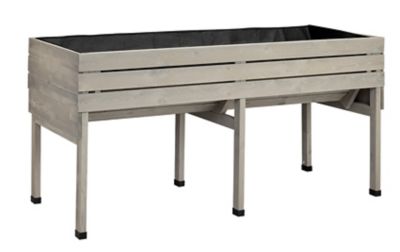
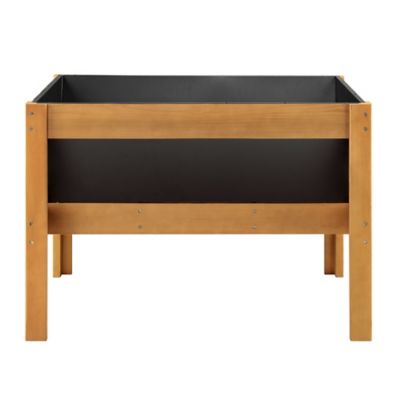
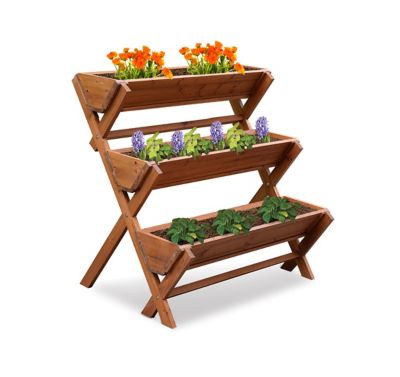
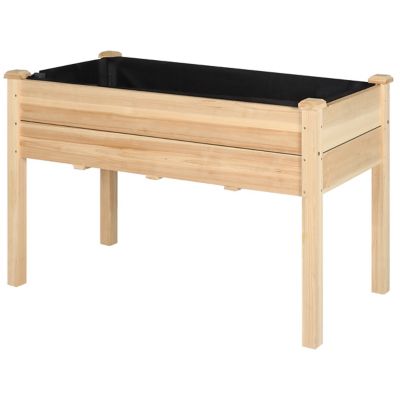
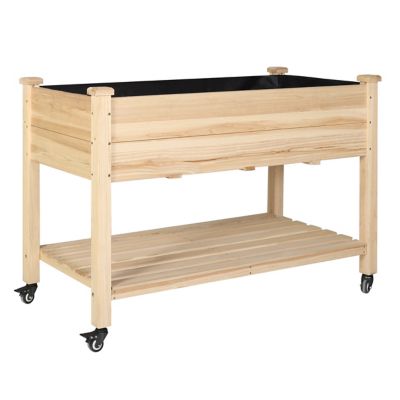
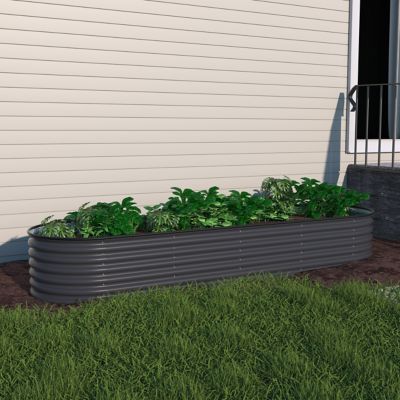
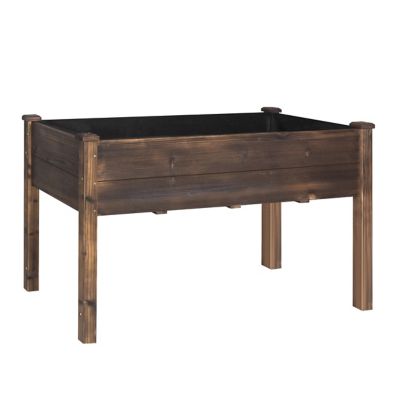
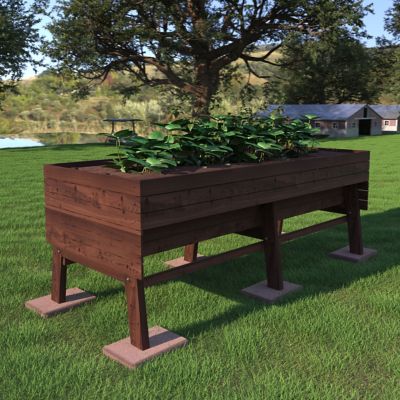
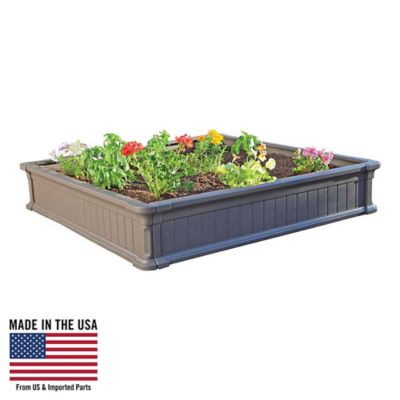
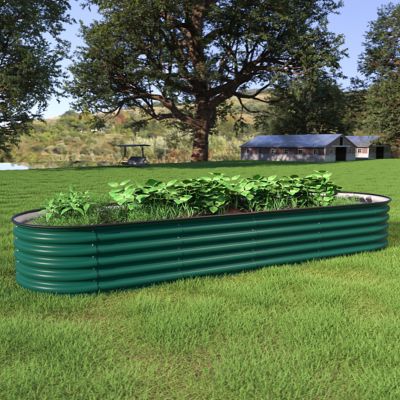
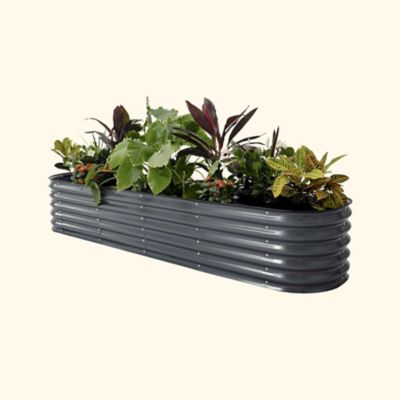
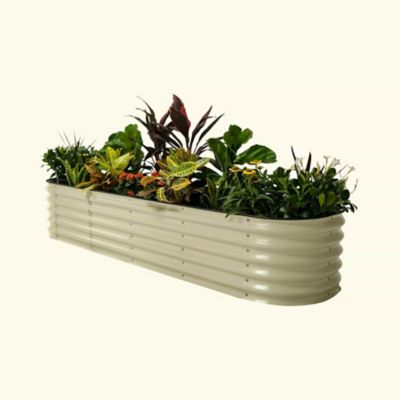
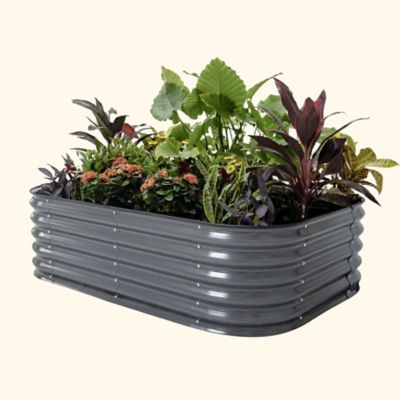
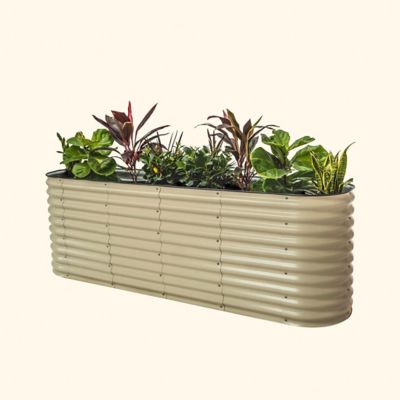
Raised garden beds bring structure to a backyard while giving vegetables, herbs, flowers, and pollinator plants a clear place to grow. Instead of spreading planting areas across the yard, beds create tidy sections that can follow a fence line, frame a patio, soften the edge of a lawn, or form a central growing area near the kitchen door. They can be especially helpful where the native soil is heavy, compacted, sandy, or slow to drain. By lifting the planting area above ground level, these beds make it easier to bring in a soil blend suited to the plants you want to grow, and the raised sides help keep pathways separate from growing space. For a balanced backyard layout, leave enough room between beds for a wheelbarrow, garden cart, mower, or steady footing. A bed no wider than about 4 feet is generally easier to tend from either side, since you can reach the center without stepping onto the soil. Length depends on the available space, but shorter sections can be simpler to arrange around existing trees, sheds, play areas, or slopes. Rectangular shapes work well along property edges and in orderly rows; browse
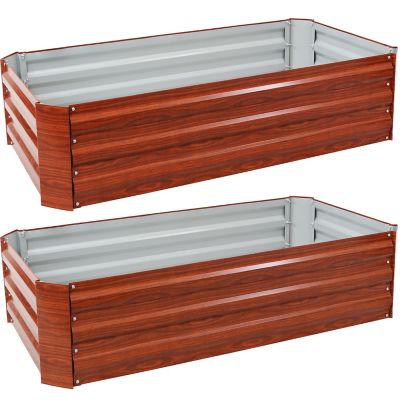
Rectangular Raised Garden Beds when planning a layout with clean lines and easy access. Before placing a bed, watch the yard through the day and choose a spot with plenty of sunlight for most vegetables. Leafy greens and some herbs can manage with less light, while tomatoes, peppers, cucumbers, and many flowering plants typically perform best with several hours of direct sun. Keep the bed close enough to a water source that regular watering does not become a chore, and leave space around it so hoses, tools, and harvest baskets can move freely.
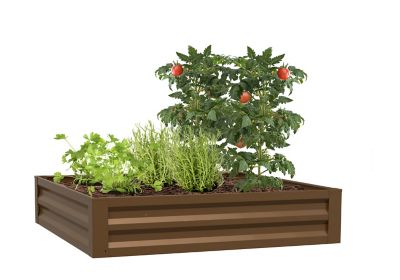
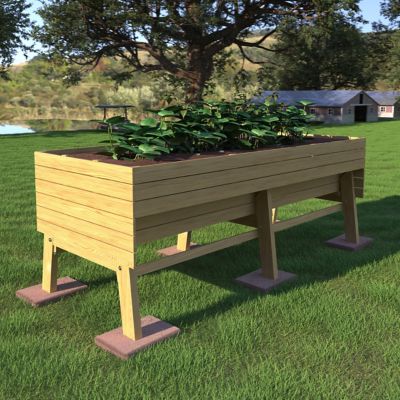
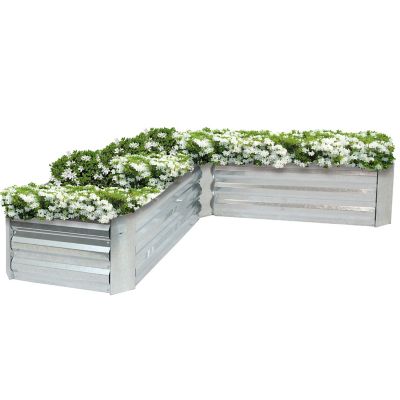
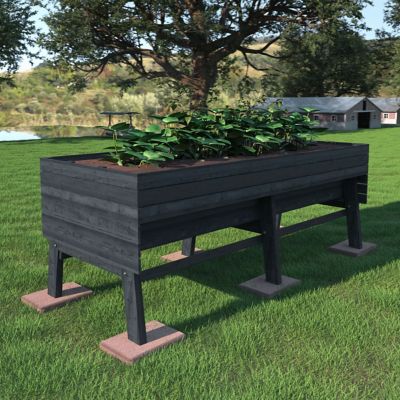
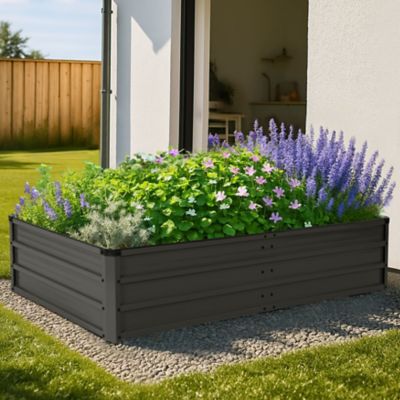
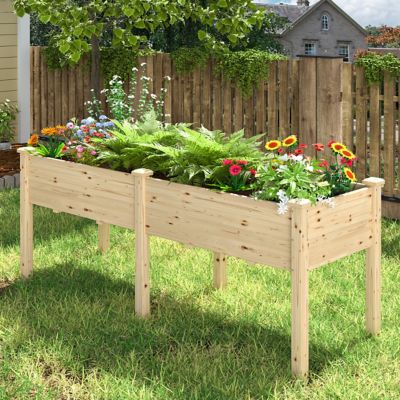
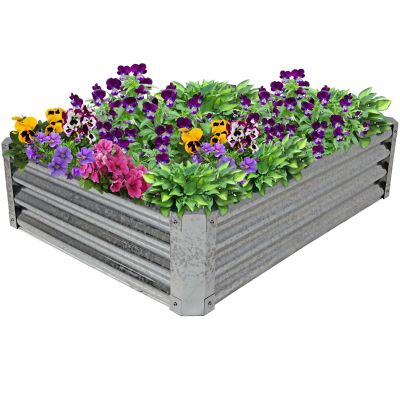
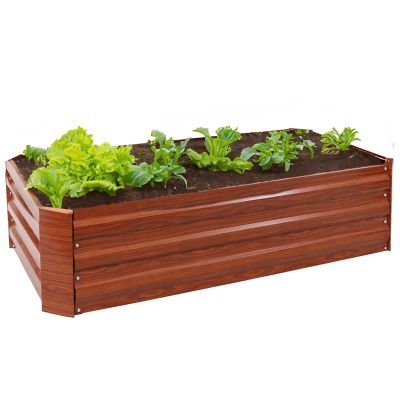
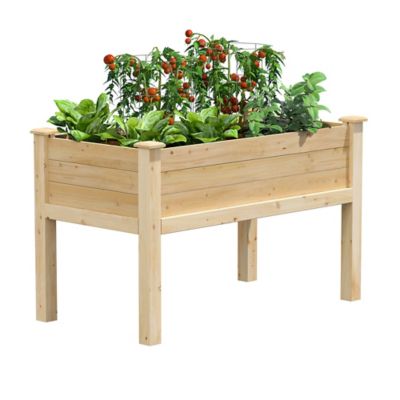
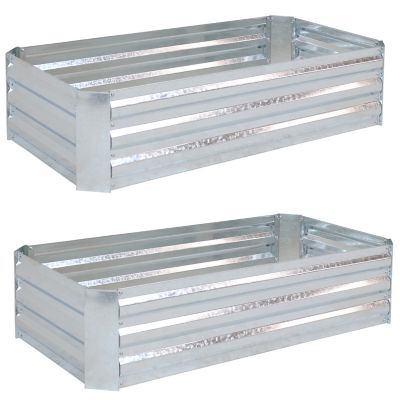
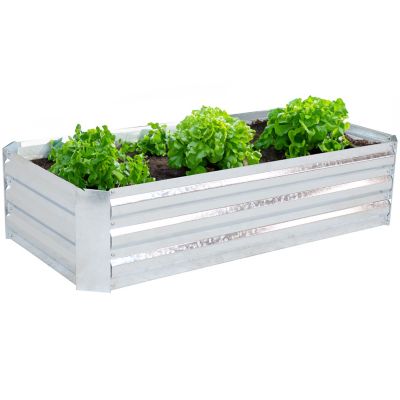
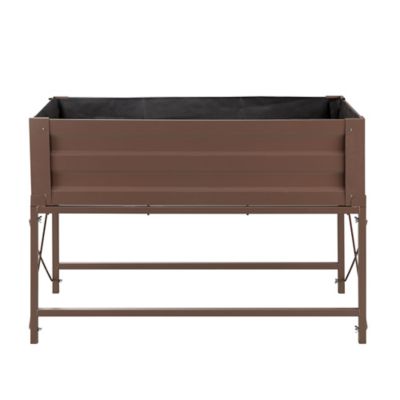
Material plays a big part in how a raised bed fits into the landscape and how much upkeep it may need. Cedar and redwood are popular wood choices because they bring a warm, natural look to the yard and have a natural ability to stand up to moisture and many insects. Galvanized steel offers crisp lines and a clean appearance that pairs well with gravel paths, stone edging, and simple fencing. Composite boards, often made with a blend of wood fibers and recycled plastics, can offer a smooth finish with less concern about warping or regular sealing. When comparing options, look at the wall height, corner construction, fasteners, finish, and the surface beneath the bed. A taller bed may be easier on knees and backs, while a lower bed can blend into a lawn border or be more convenient for small plants. Think about how the bed will be filled, too. A depth of roughly 7 to 10 inches can suit many leafy greens, salad plants, and herbs, while tomatoes, carrots, potatoes, and other deeper-rooted crops often benefit from 14 inches or more of growing space. Root crops need loose soil below the seed line, so a shallow frame placed over hard ground may limit their growth. Good drainage is just as important as depth. Set beds on firm, level ground where water will not collect, and use a planting mix that holds moisture without staying soggy. Many gardeners start with a blend of topsoil, finished compost, and material that helps loosen the mix, then add a thin layer of fresh compost as the growing area settles over time. Avoid filling beds with ordinary yard soil alone if it is compacted or full of weed roots, since it can become dense and difficult to work. During the cooler months, empty spaces can be covered with leaves, straw, or a seasonal cover crop to help protect the soil surface and make the next planting season easier to begin.
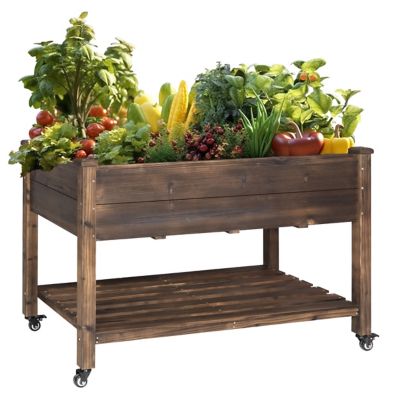
Raised garden beds can serve many kinds of gardeners, from someone growing a few herbs outside an apartment or townhome to a household planning a larger backyard harvest. They can help children see where food comes from, give older gardeners a more comfortable working height, and make it easier for someone with limited mobility to tend plants from a nearby path. A bed near the back door can hold cooking herbs, salad greens, or strawberries, while a row along the sunny side of a garage can support peppers and climbing plants with the right trellis. Gardeners in areas with short growing windows may appreciate how raised soil warms sooner when the weather warms, while those in hot, dry areas can use mulch and careful watering to help maintain moisture. In early fall, a planted bed may still hold greens, herbs, roots, and late flowers, while an empty bed can be cleared, refreshed, and protected before winter weather arrives. Broad beds also make thoughtful gifts for new homeowners, grandparents, teachers, families with children, or anyone who enjoys spending time outdoors and bringing a little more life into the yard. Pairing a bed with soil, seeds, gloves, or a watering can can help a new gardener get started without making the gift feel complicated. Keep the surrounding landscape practical: a layer of mulch can reduce splashing and weeds, a path of gravel or pavers can keep feet out of wet soil, and low fencing can help separate growing areas from pets and foot traffic. Check the bed from time to time for loose fasteners, standing water, shifting soil, or branches that block sunlight. With a sensible layout and plants suited to the space, raised garden beds can turn an overlooked corner, sunny side yard, or open patch behind the house into a productive part of the landscape through changing seasons.